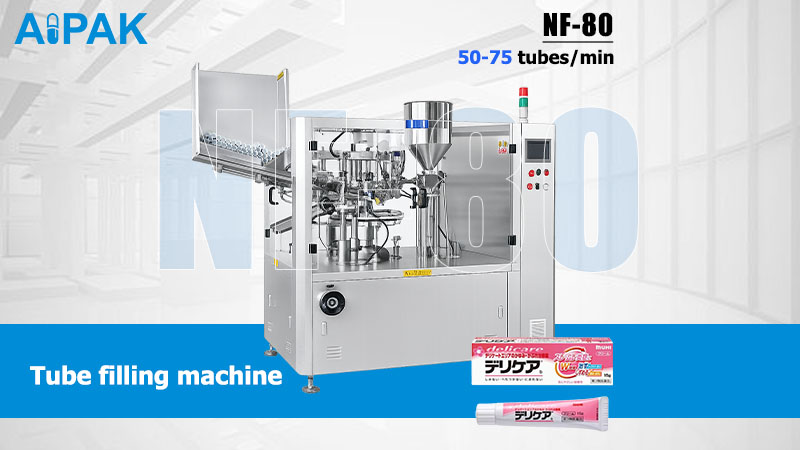
NF-80 Automatic Tube Filling and Sealing Machine

50 to 75 tubes a minute, with Siemens controls and hot-air sealing

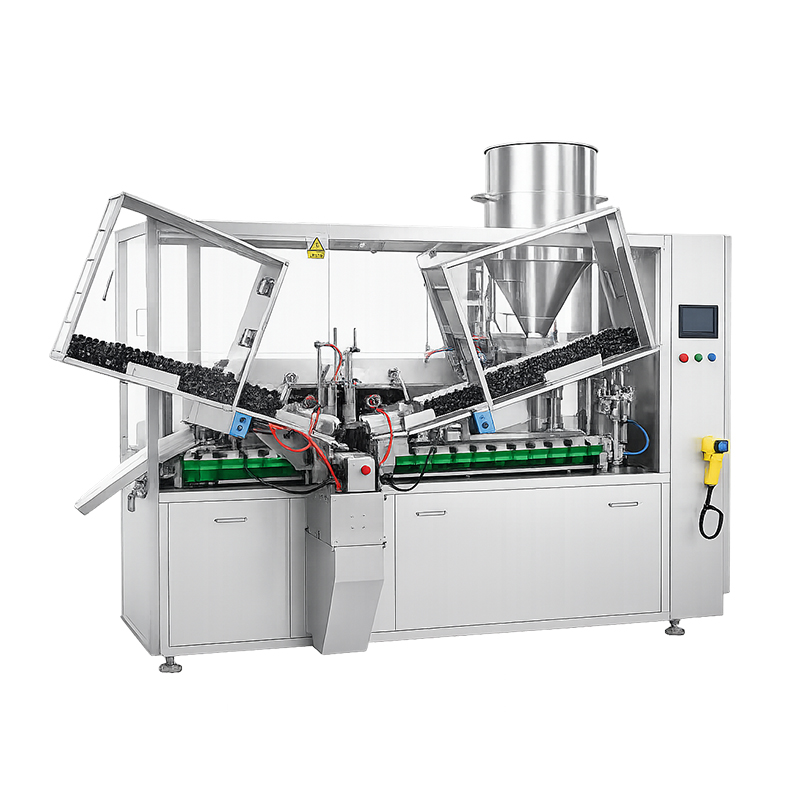
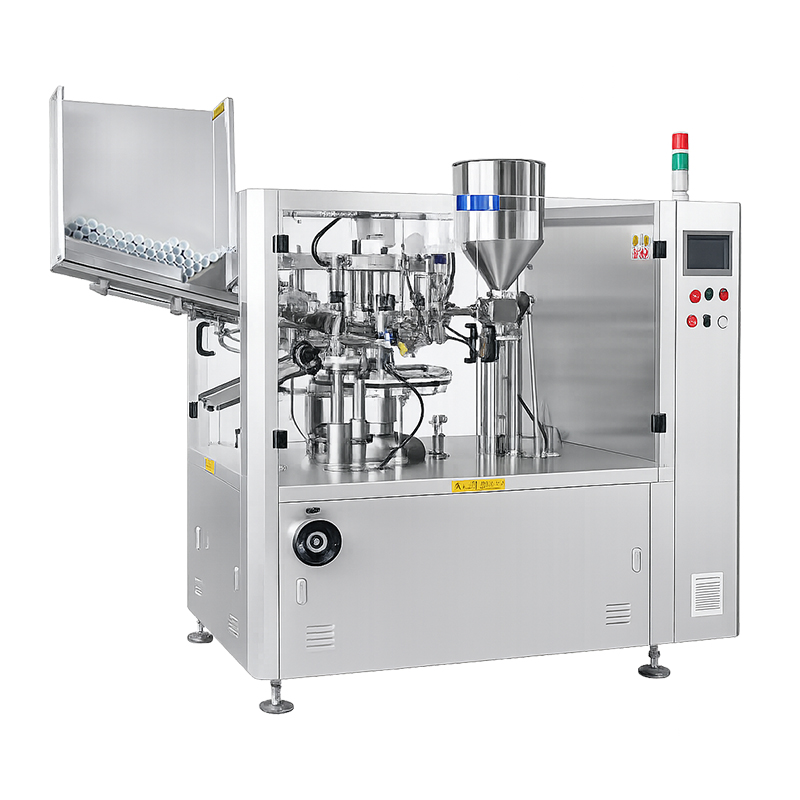
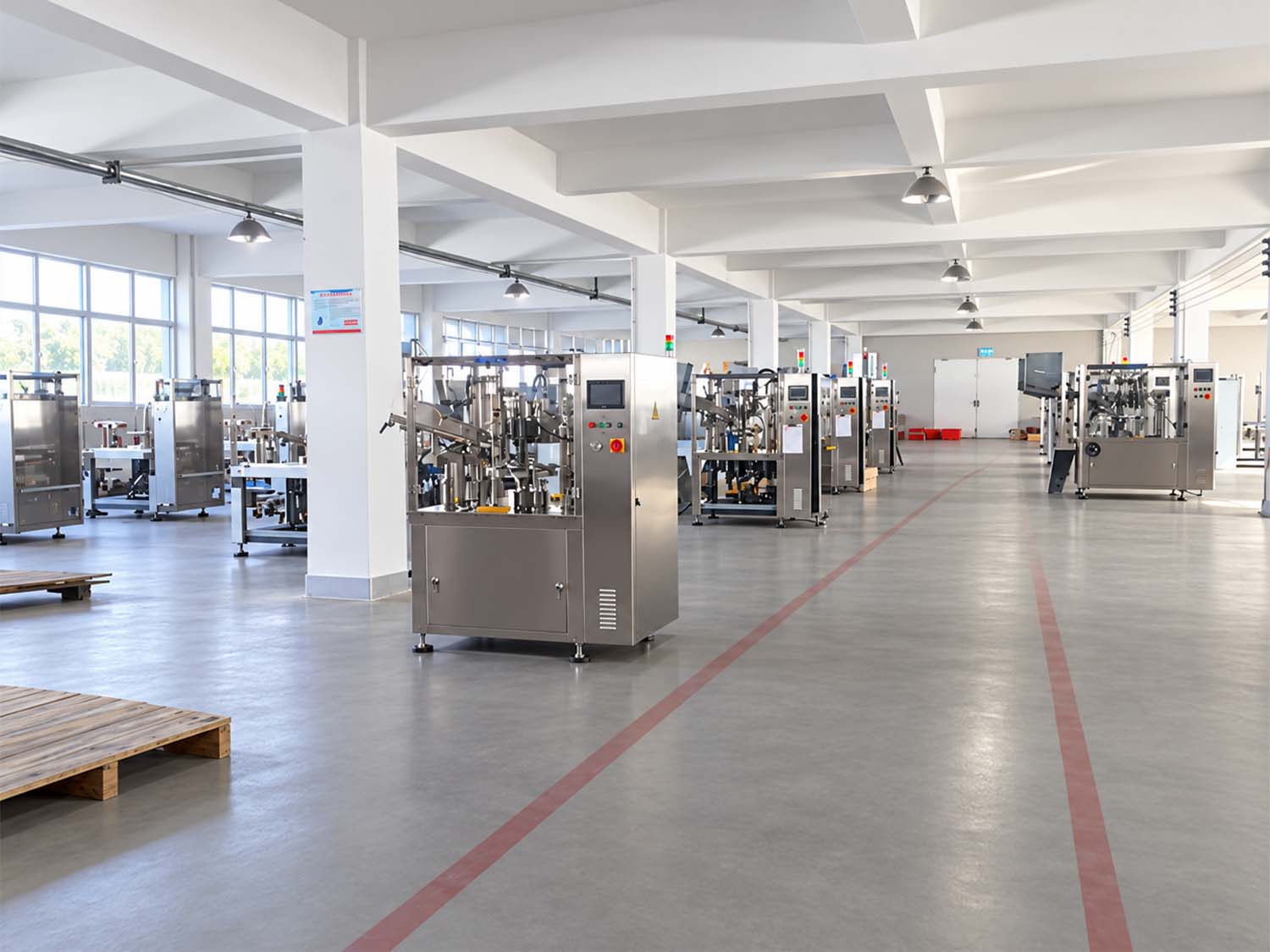
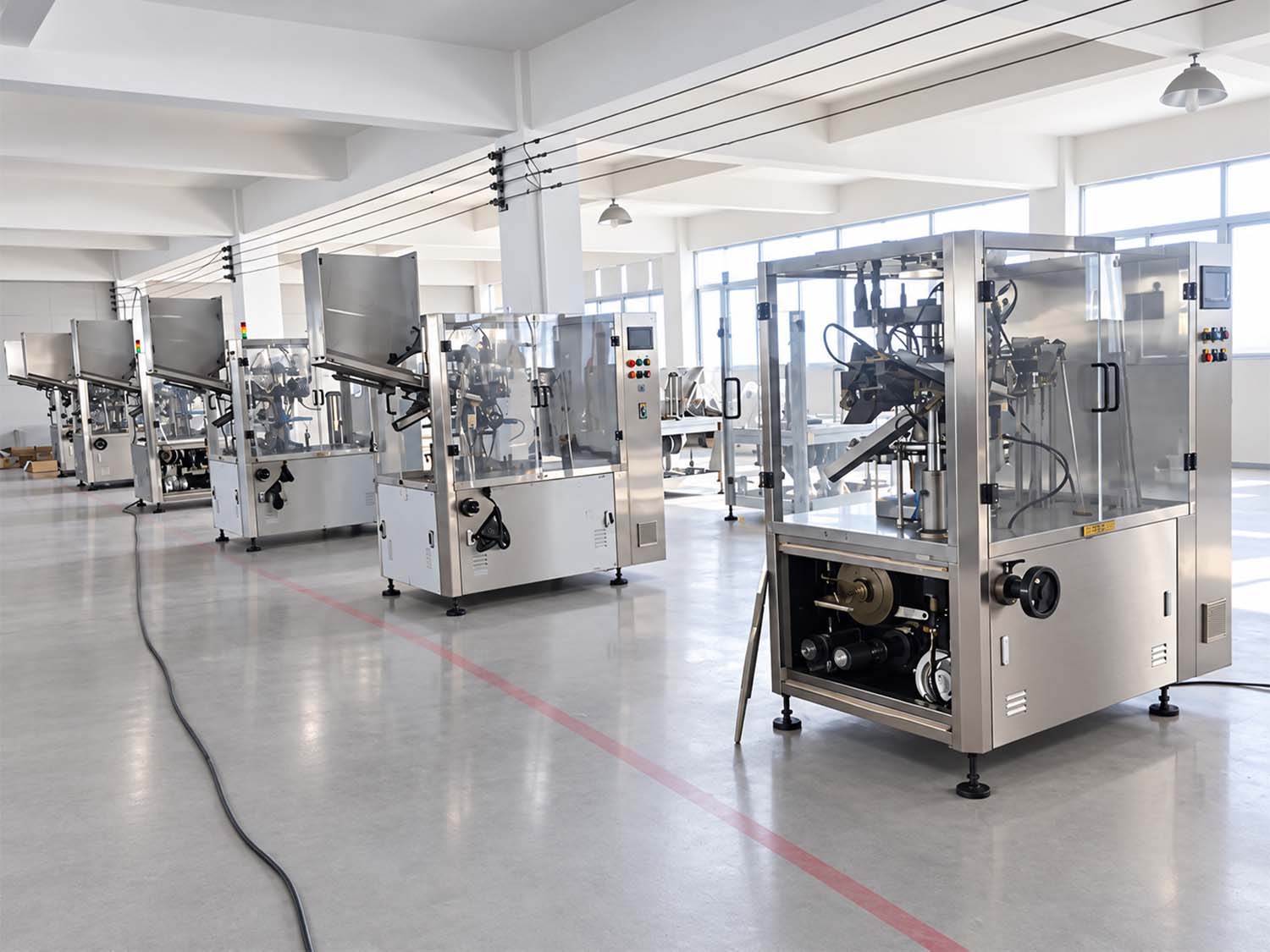
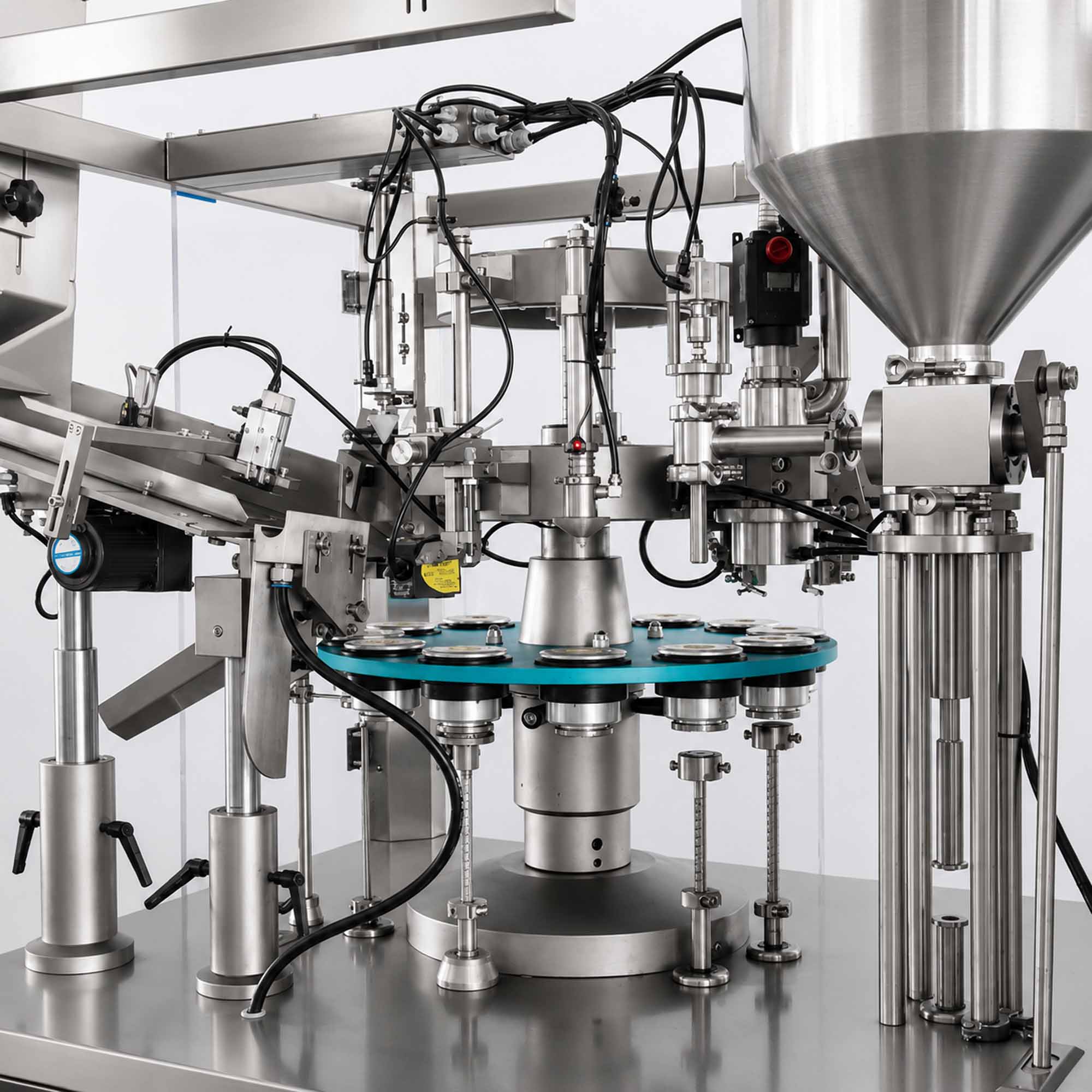
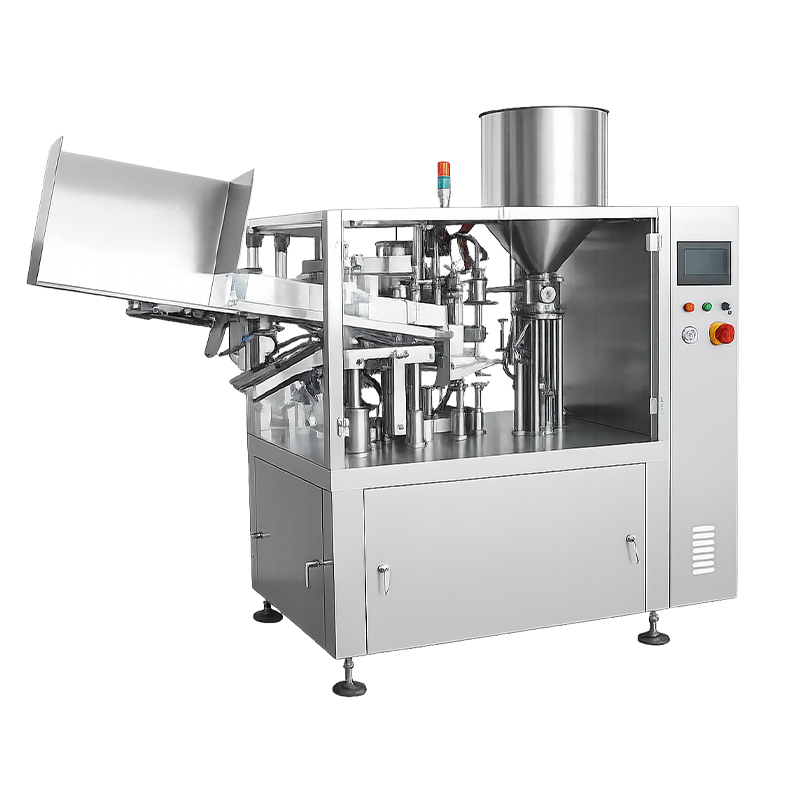
The workhorse of the range. Tubes feed from a magazine, the print is turned to the front, and each tube is filled with a nozzle that blows off and cuts off the paste cleanly, then sealed, coded and trimmed — 50 to 75 a minute. The plastic-tube version seals with hot air; the NF-80M folds aluminum tubes.

1. Output: 50 to 75 tubes a minute

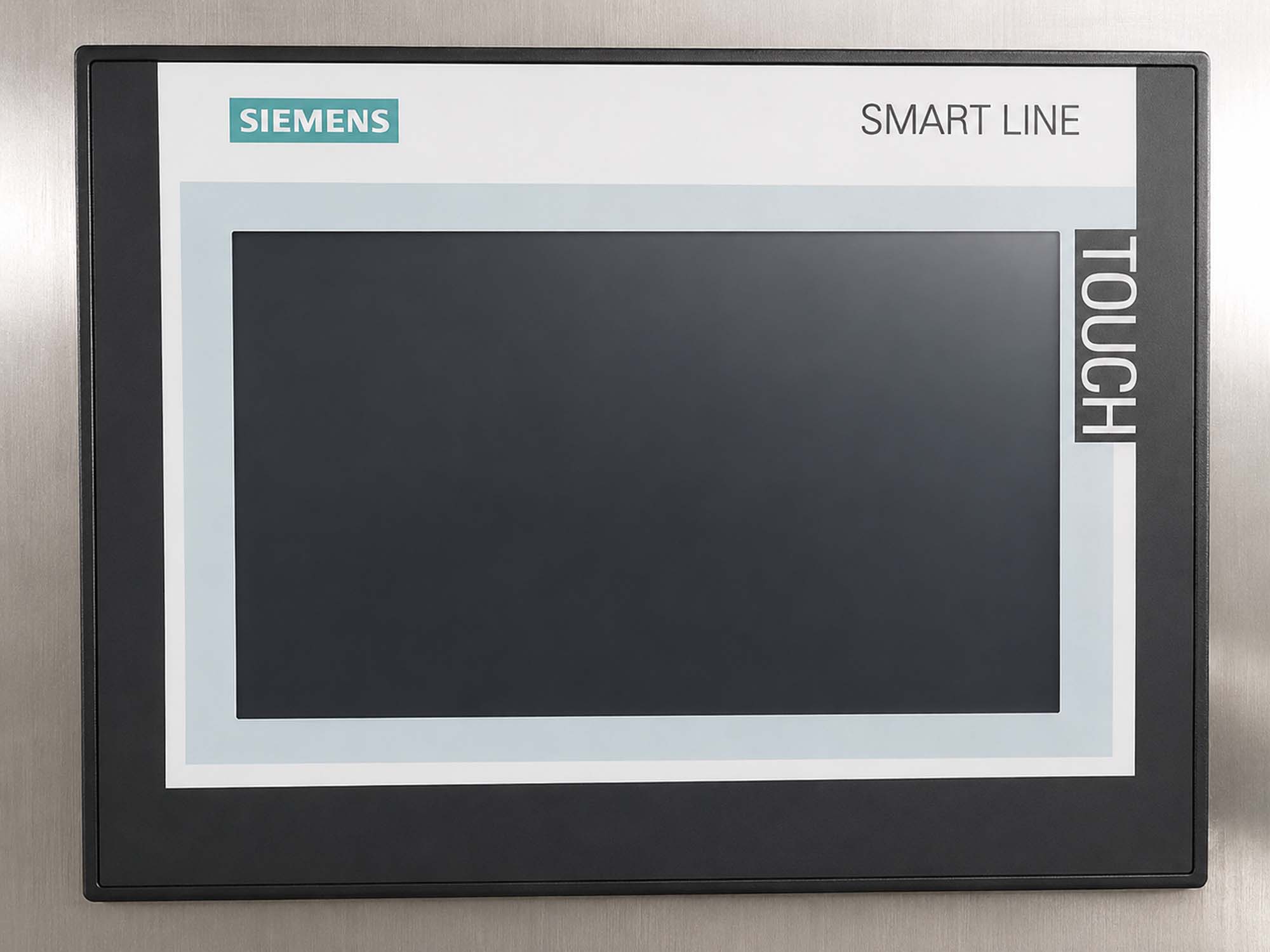
2. Controls: Siemens PLC, inverter and touchscreen

3. Sealing: hot air for plastic tubes; mechanical folding on the NF-80M

4. Fill: 5 to 250 ml, within ±1%

Is the NF-80 the right size for you?

✓ Yes, if…

✕ Buy something else if…

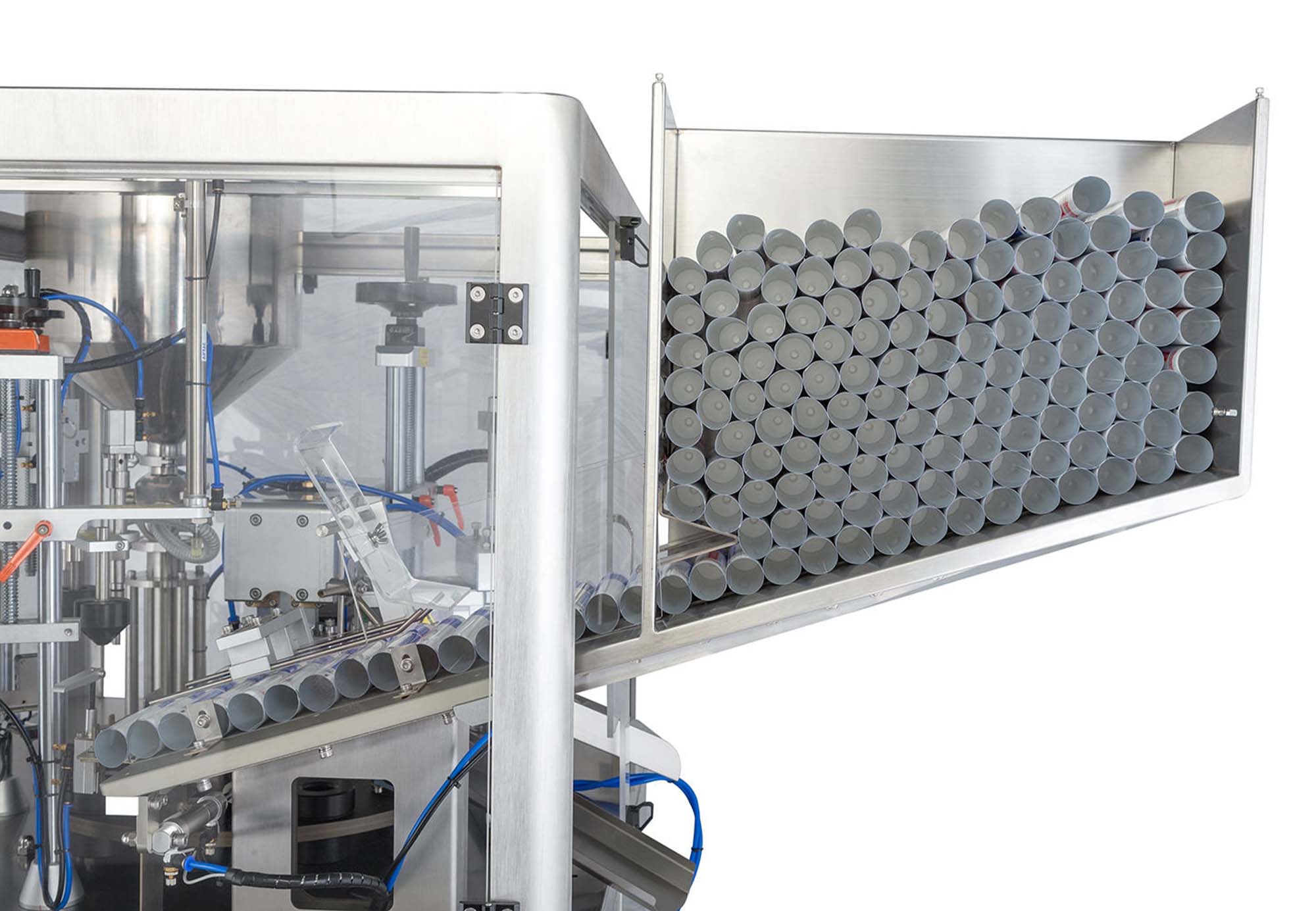
Tubes Fed from a Sloping Magazine

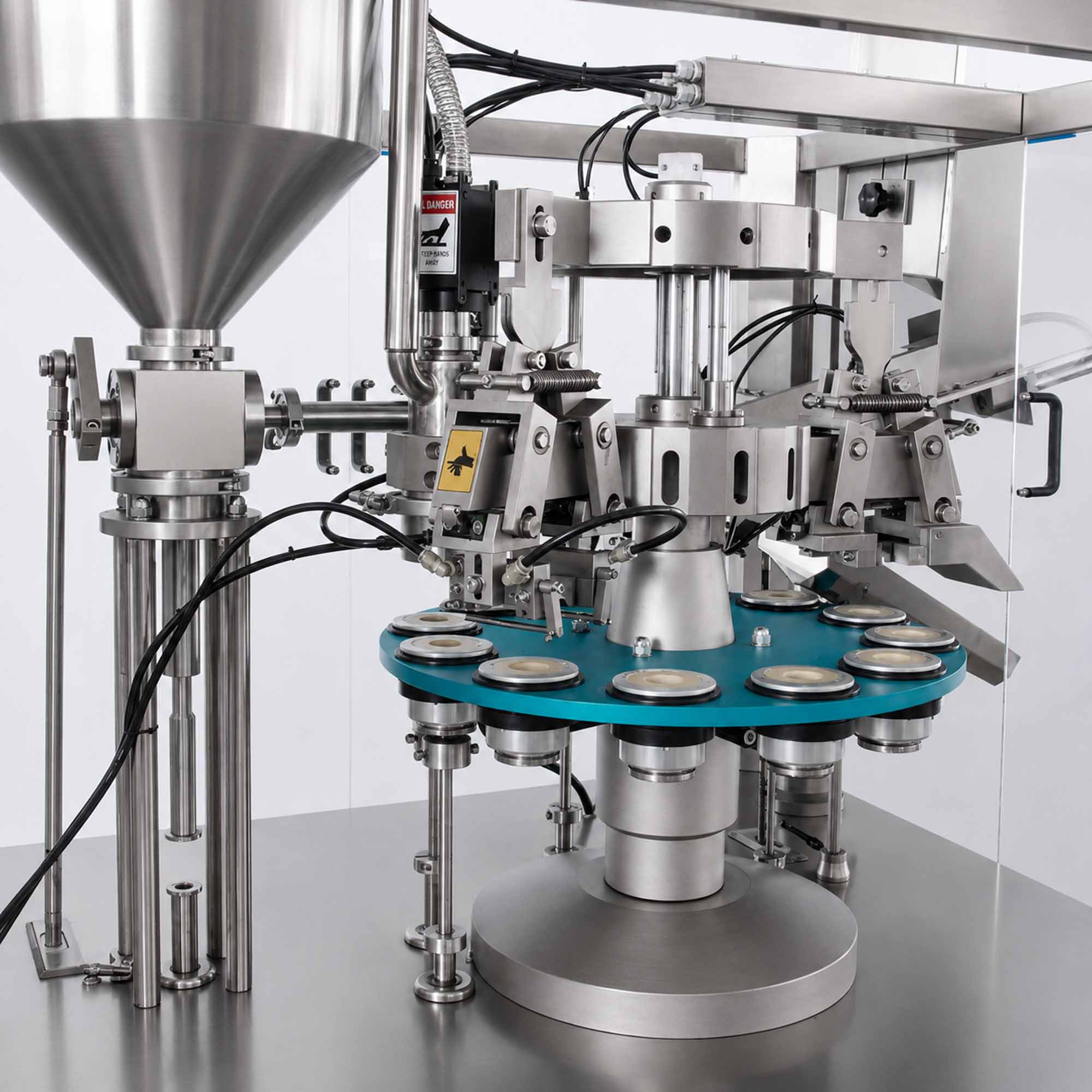
An inclined magazine drops empty tubes into their holders at an adjustable speed.

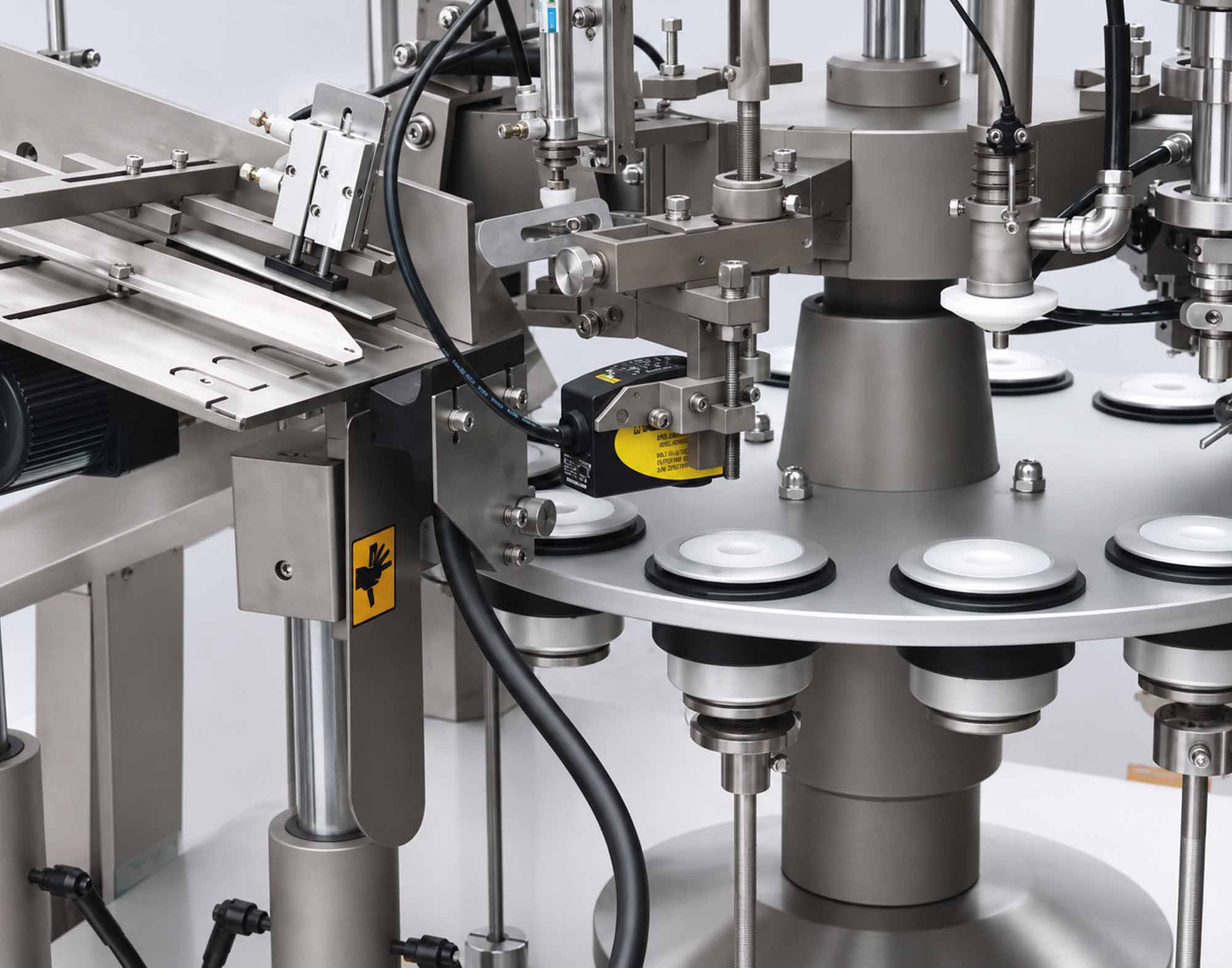
Print Registered by a Servo

A color-mark sensor finds the printed eye-mark sensor finds the printed eye-mark and a servo motor turns the tube to face the right way before filling.

Cut-Off Nozzle for Thick Products

The nozzle blows off and cuts off the paste at the end of each dose, so no thread of product trails across the seal area.

Hot-Air Sealing, Water-Cooled Holders

Plastic tubes are sealed with a 3 kW hot-air generator blowing onto the inside of the tail. A water chiller keeps the holders cool, so the heat stays at the seal and away from the product.

Stops When the Door Opens

The filling and sealing stations sit under a transparent guard. The machine stops and alarms if a door is opened, if air pressure drops too low, or if the drive is overloaded.

Technical specification

ParameterNF-80 (plastic, laminated)NF-80M (aluminum)
Output50–75 tubes/min50–75 tubes/min
Fill5–250 ml5–180 ml
Accuracy±1%±1%
Tube diameterØ13–50 mmØ13–35 mm
Tube length50–210 mm50–180 mm
SealingHot air, 3 kWMechanical folding
Main motor1.5 kW1.5 kW
Power supplyThree phase, 60 Hz. Built to your U.S. supply; we confirm the voltage with your quoteSame
Compressed air0.5–0.6 MPa, 1.5 m³/minSame
ControlsSiemens PLC, inverter, touchscreen; encoder; color-mark sensorSame
Contact parts316L stainless steelSame
Dimensions2,200 × 1,200 × 1,900 mmSame
Weight1,200 kg1,200 kg
Floor spaceAbout 3 m² for the machine, 15 m² working area; chiller about 1 m²About 3 m² for the machine, 15 m² working area
OptionsHeated hopper (2 kW), stirrer (0.18 kW), double-sided codingSame

Model comparison

Model

Operation

Tubes

Speed

Fill

Power

NF-30 / NF-30M

Semi-automatic

Plastic / aluminum

10–30/min

5–250 ml

Single phase

NF-60A

Automatic

Plastic, laminated

up to 60/min

5–250 ml

Three phase

NF-80

Automatic

Plastic, laminated

50–75/min

5–250 ml

Three phase

NF-100

Automatic

Plastic and aluminum

80–100/min

5–180 ml

Three phase

NF-120

Automatic, twin station

Plastic and aluminum

80–120/min

5–250 ml

Three phase

Industry Applications

Typical OTC products in U.S. supplement and OTC plants:

Fluoride Toothpaste

Sold as an OTC anti-cavity product in the U.S. A thick paste, which is what the cut-off nozzle is for — no thread of paste trails across the seal.

Muscle and Joint Rubs

Analgesic creams in laminated tubes, run across several shifts a week at 50 to 75 tubes a minute.

Mineral Sunscreen Creams

Regulated as OTC drugs in the U.S. Thick zinc oxide creams in plastic or laminated tubes, with the print lined up before sealing.

Antibiotic and Medicated Ointments in Aluminum Tubes

Ointments that need a full barrier against air and light, folded rather than heat-sealed on the NF-80M.

What changing over involves

What changed

What you adjust

Roughly

Different fill

Pump setting

15–30 minutes

Different tube diameter

Tube holders

15–30 minutes

Different product

Clean the hopper and pump

15–30 minutes

What to check before you buy

01

Your tube, not a sample tube

Plastic, laminated and aluminum tubes seal in different ways. Ask any supplier to run your tube, not one of theirs.

02

Plastic or aluminum — or both?

Many semi-automatic fillers seal only one kind of tube. If you run both, ask whether that's one machine or two.

03

Your power supply

This machine needs three-phase power. Only the semi-automatic NF-30 runs on single phase — check before you choose.

Why Choose AIPAK?

One Point of Contact

One project engineer handles your machine from proposal to commissioning, so you’re not chasing five suppliers for one answer.

We Run Your Tubes Before You Order

Send us a few of your empty tubes and a sample of your product. We need your tube to size the holders and set the sealer anyway, so we fill and seal them on the machine and send them back. You’ll see the seal, the code and whether the print still looks right after the heat — on your own tube and your own product, not a sample we chose.

A U.S. Number, Answered by Us

+1 (213) 526-8644, answered by our engineers 9 AM–7 PM China time, Monday to Friday. That’s evening and overnight in the U.S., so leave a message or send a WhatsApp anytime and we’ll pick it up first thing.

Spare Parts and Lead Time, in Writing

A kit of wear parts ships with your machine. Every part in the kit, and the lead time for anything outside it, is listed in your quote in writing.

NF-80 Tube Filling Machine Comprehensive Technical FAQ

How does the machine stop product landing on the turntable when a tube is missing?

A photoelectric sensor checks each tube holder before the filling station. If a holder is empty — a tube misfed from the magazine, or a bent tube that didn’t seat — the filler doesn’t fire for that cycle. No product is dropped, and nothing lands on the machine.

How does it handle thick products that string or drip from the nozzle?

Thick creams and ointments tend to leave a thread of product behind when the nozzle lifts away, and that thread lands right where the seal will be. At the end of each dose, the nozzle blows off and cuts off the product, so the break is clean and the seal area stays clear.

Why does the machine need a water chiller?

A plastic tube is sealed by heating the inside of its tail until the layers soften and fuse. The chiller keeps the rest of the tube and the holders cool while that happens, so the heat stays at the seal instead of spreading down the tube toward the product or the printed artwork. Allow about 1 m² of floor for the chiller alongside the machine.

How is the fill volume controlled, and how accurate is it?

Each dose is pushed by a 316L stainless-steel piston pump, and the volume is set for each product. Fill accuracy is within ±1%, from 5 to 250 ml in plastic tubes and 5 to 180 ml in aluminum.

Can one NF-80 fill both plastic and aluminum tubes?

Plastic tubes are sealed with hot air, and aluminum tubes are folded, so each needs its own sealing station. The NF-80 fills plastic and laminated tubes, and the NF-80M fills aluminum. If you run both, the dual version carries a hot-air sealer and a folding station on the same machine.

What does the machine need from my plant?

Three-phase power, built to your U.S. supply at 60 Hz (we confirm the voltage with your quote), compressed air at 0.5–0.6 MPa and 1.5 m³/min, about 15 m² of working area around the machine, and room for the chiller.

Does it run on US power?

Yes. We build to your U.S. supply at 60 Hz and confirm the voltage with your quote.

How do spare parts work?

A kit of wear parts ships with your machine. Every part in the kit, and the lead time for anything outside it, is listed in your quote in writing.

Customers Also Interested In...

Send Us an Empty Tube and a Sample

Two things decide which machine you need: whether your tubes are plastic, laminated or aluminum, because each is sealed differently, and how many you need a day. Tell us both and we’ll tell you whether a semi-automatic machine is enough.

Better still, send us a few empty tubes and a sample of your product. We’ll fill and seal them and send them back.

  • Direct from our factory
  • Lead time confirmed in your quote
  • Installation and training available
  • Spare parts listed in your quote
Scroll to Top