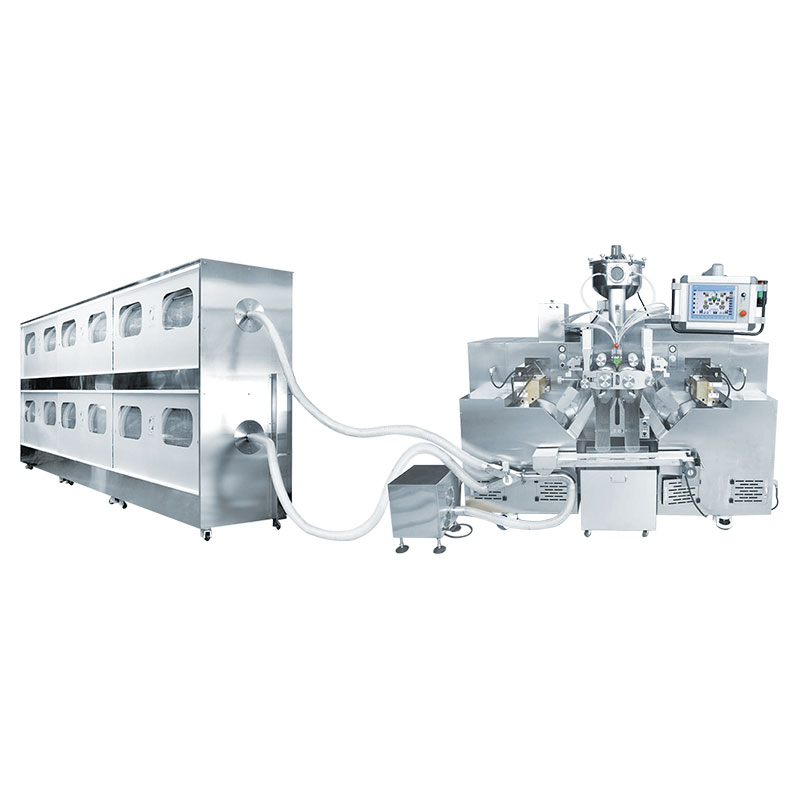
SEM-100II Softgel Encapsulation Machine

Six plungers, Φ80 × 100 die roll, 400 kg — our smallest encapsulator

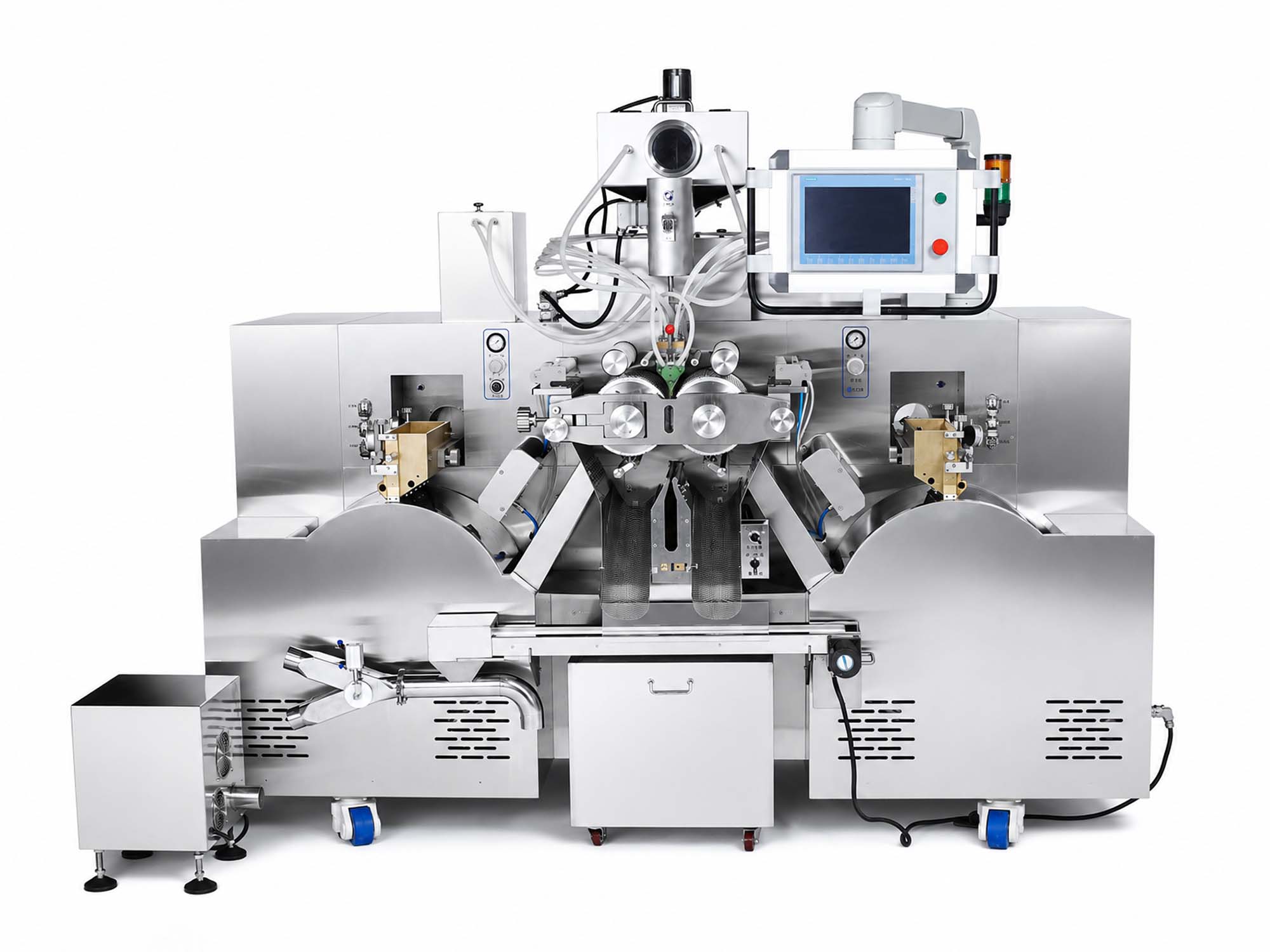
You’ve got a formula that works in a beaker and you need to know whether it actually encapsulates. This is our smallest machine — six plungers, a Φ80 × 100 die roll, 400 kg in a 1,440 mm footprint. It runs the same encapsulation logic as the production machines, at a batch size you can afford to lose.

  • Output: 30,240 capsules an hour at 3# oval, 5,760 at 40# round
  • Filling accuracy— ±1.5% across oils, suspensions and pastes
  • Footprint: 1,440 × 660 mm, 400 kg, 5 kW
  • Same logic as the production machines: heated wedge, cooled ribbon, micro-lubrication

Is this the right machine for you?

✓ Yes, if…

✕ Buy something else if…

Technical specification

Feature

SEM-100II

Die Roll Speed

0 – 4 RPM (Stepless Control)

Die Roll Size

Φ80 × 100 mm

Plunger Quantity

6 Plungers

Filling Accuracy

±1.5%

Total Power

5.0 kW

Dimensions

1350 × 850 × 1750 mm

Machine Weight

Approx. 550 kg

Output

 30,240 capsules an hour at 3# oval, 5,760 at 40# round

Approx. 400 kg → 400 kg

Model comparison

Capsule size

SEM-100II

SEM-120-III

SEM-250-II

SEM-250-IIIA

3# oval

30,240

115,200

172,800

259,200

6# oval

24,000

68,400

127,680

191,520

8# oval

22,800

63,000

120,960

181,400

10# oval

17,280

51,000

106,080

159,120

14# oval

15,360

48,000

92,160

138,240

20# oval

10,800

34,800

69,600

104,400

8# oblong

18,240

49,200

109,200

163,800

10# oblong

15,120

45,600

82,080

123,120

16# oblong

13,680

32,400

69,120

103,680

20# oblong

8,160

30,600

57,120

85,680

5# round

24,480

79,200

158,400

237,600

10# round

20,160

63,000

122,400

183,600

40# round

5,760

27,600

66,240

99,360

Output depends on capsule size more than on anything else. A 3# oval and a 40# round come off the same machine at roughly a four-to-one ratio. Tell us your size and shape and we’ll give you the number for your product, not the headline one.

High-Precision Dosing System

The SEM-100II features an advanced injection pump with a loading tolerance of ≤±1.5%. Driven by a high-performance system, it ensures consistent fill weights for a variety of oils, suspensions, and complex paste formulations, making it ideal for high-value pharmaceutical ingredients.

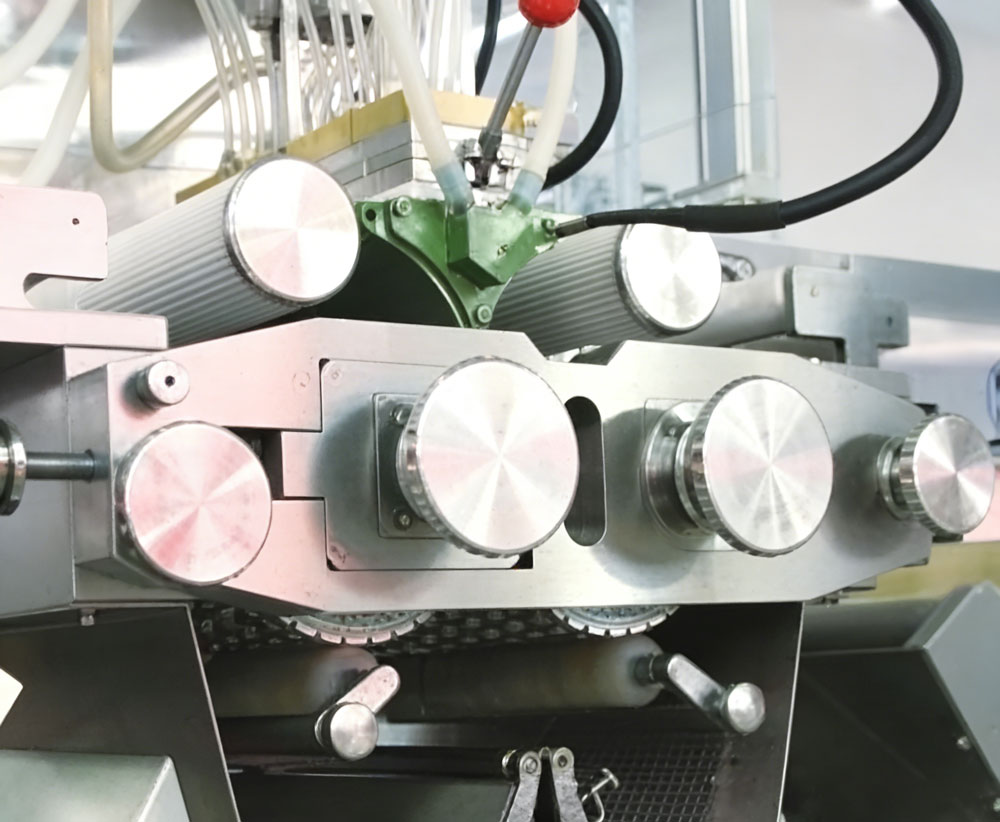
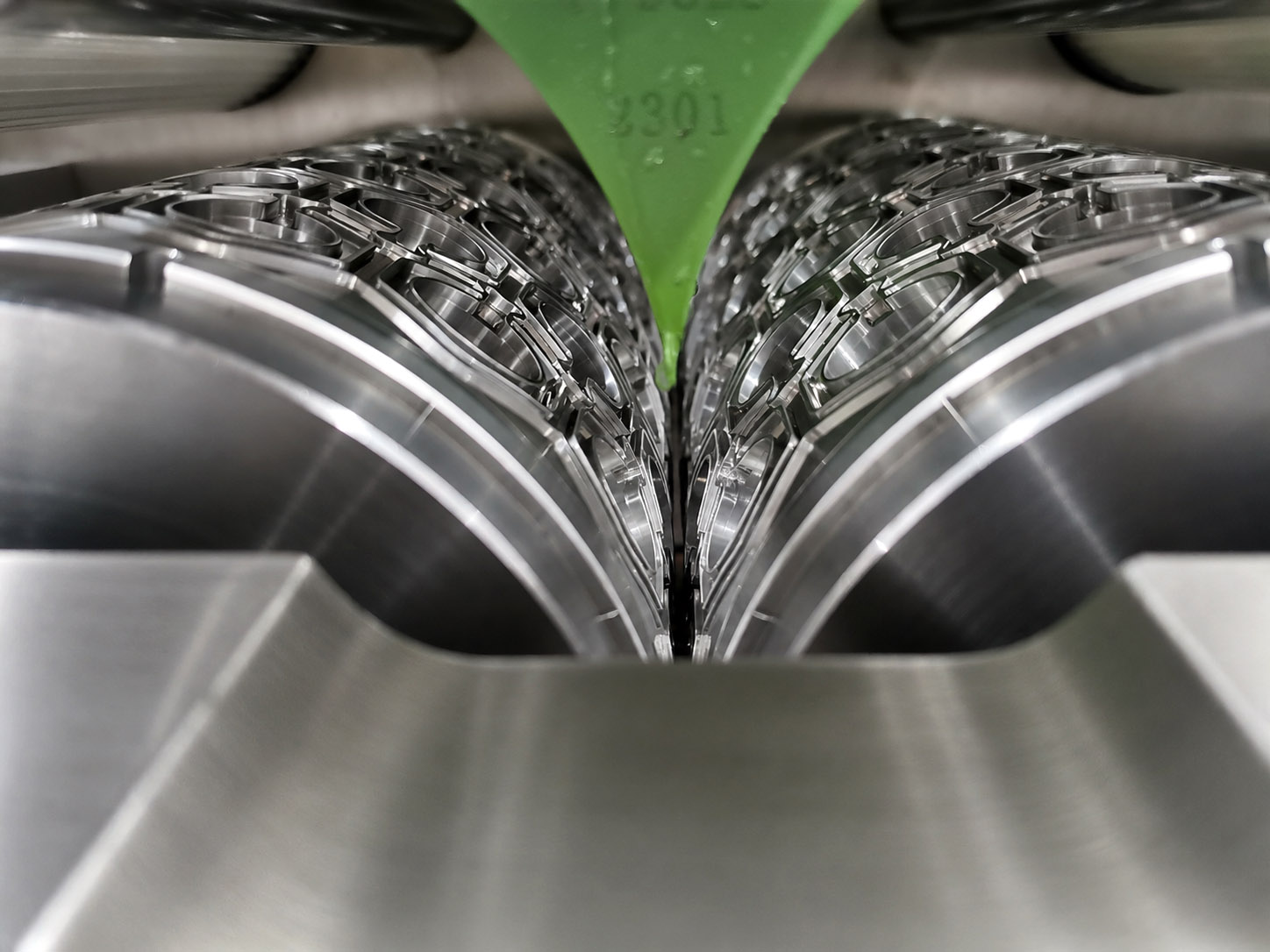
Optimized Die Roll & Encapsulation Logic

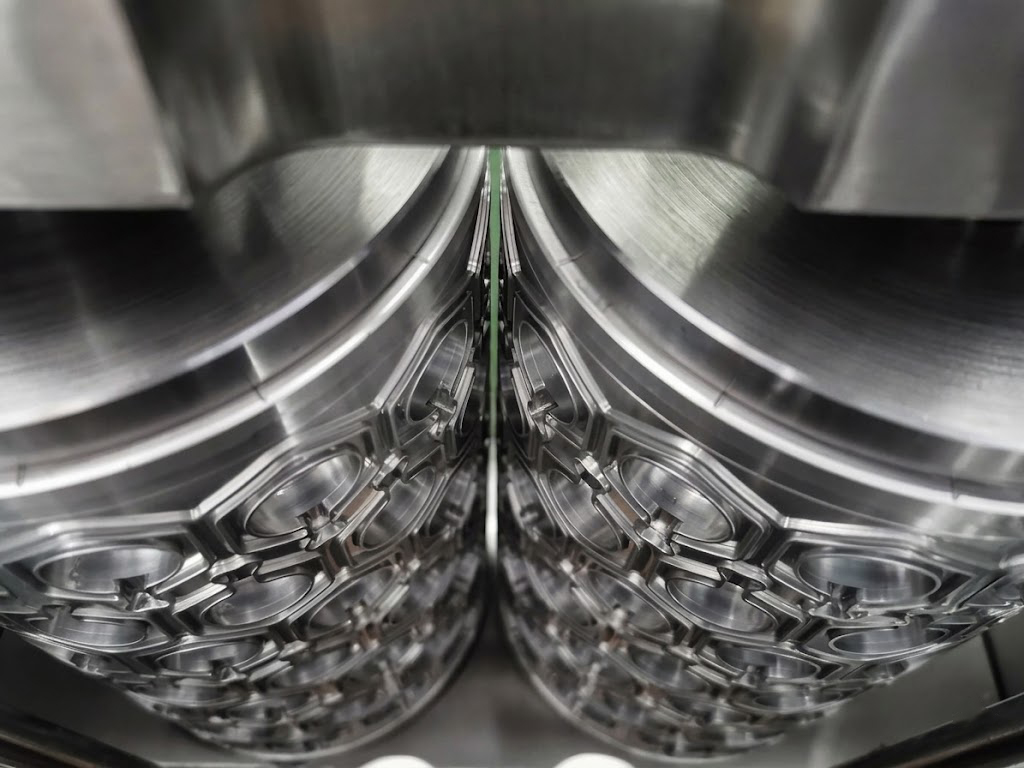
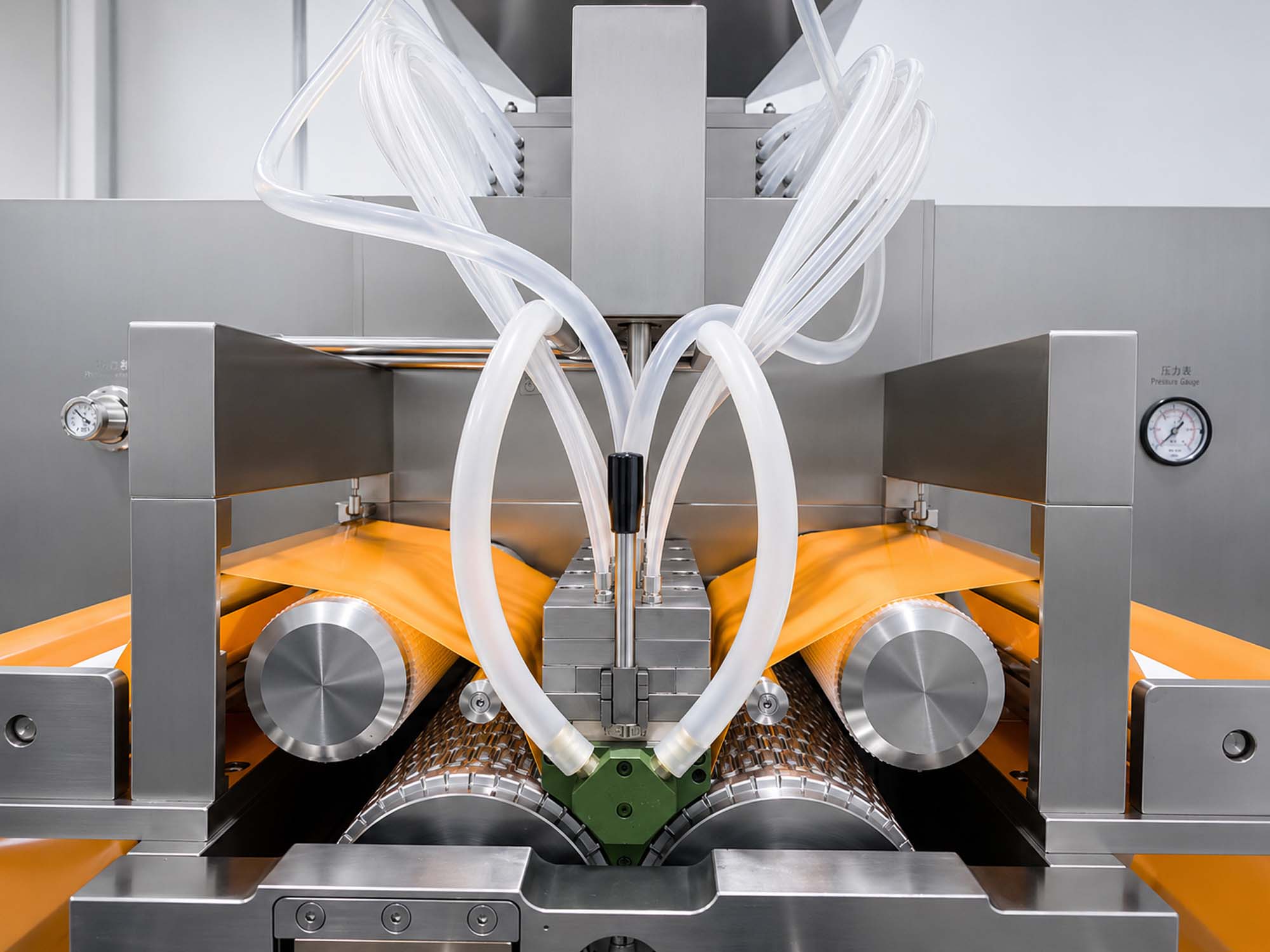
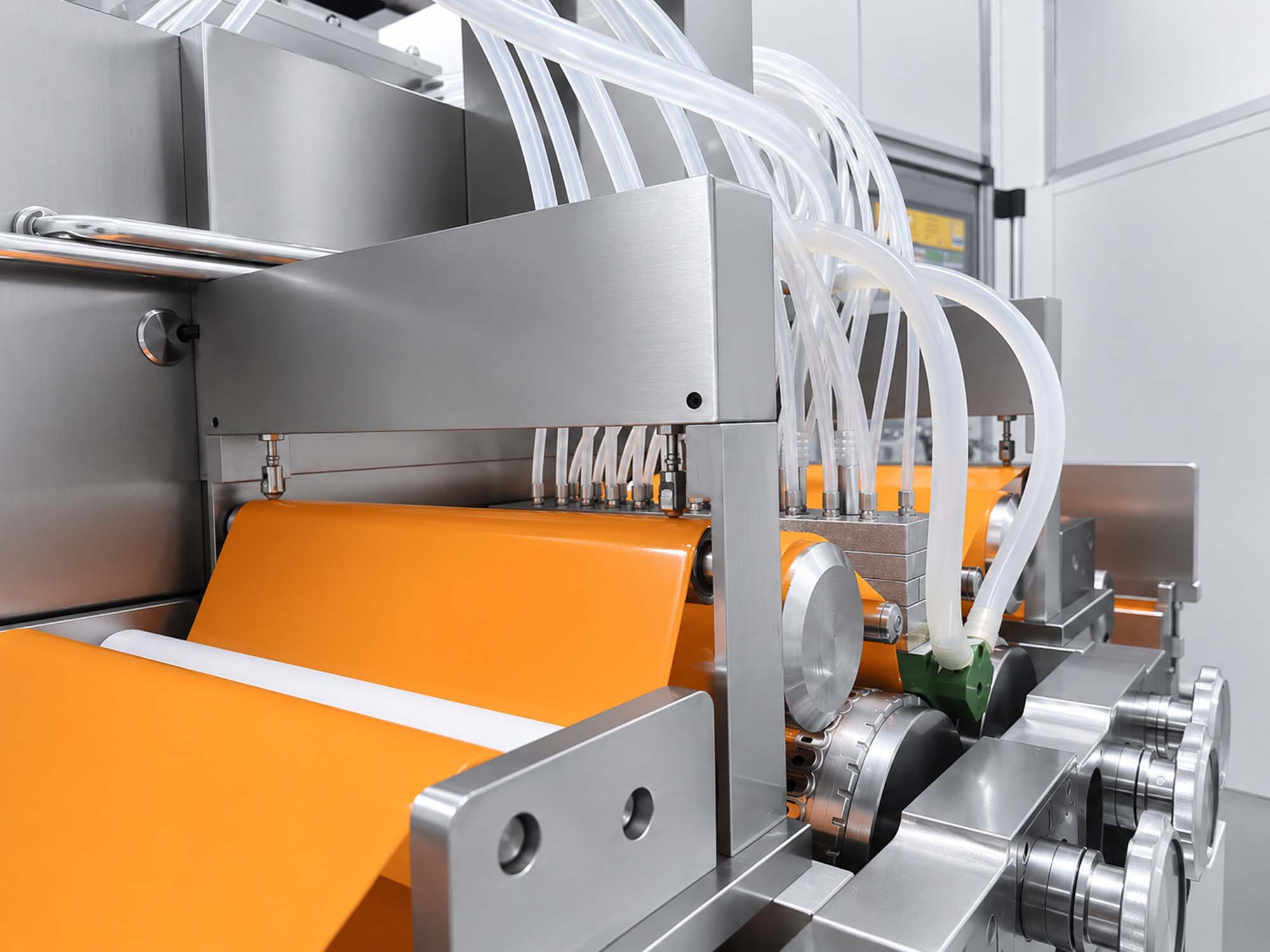
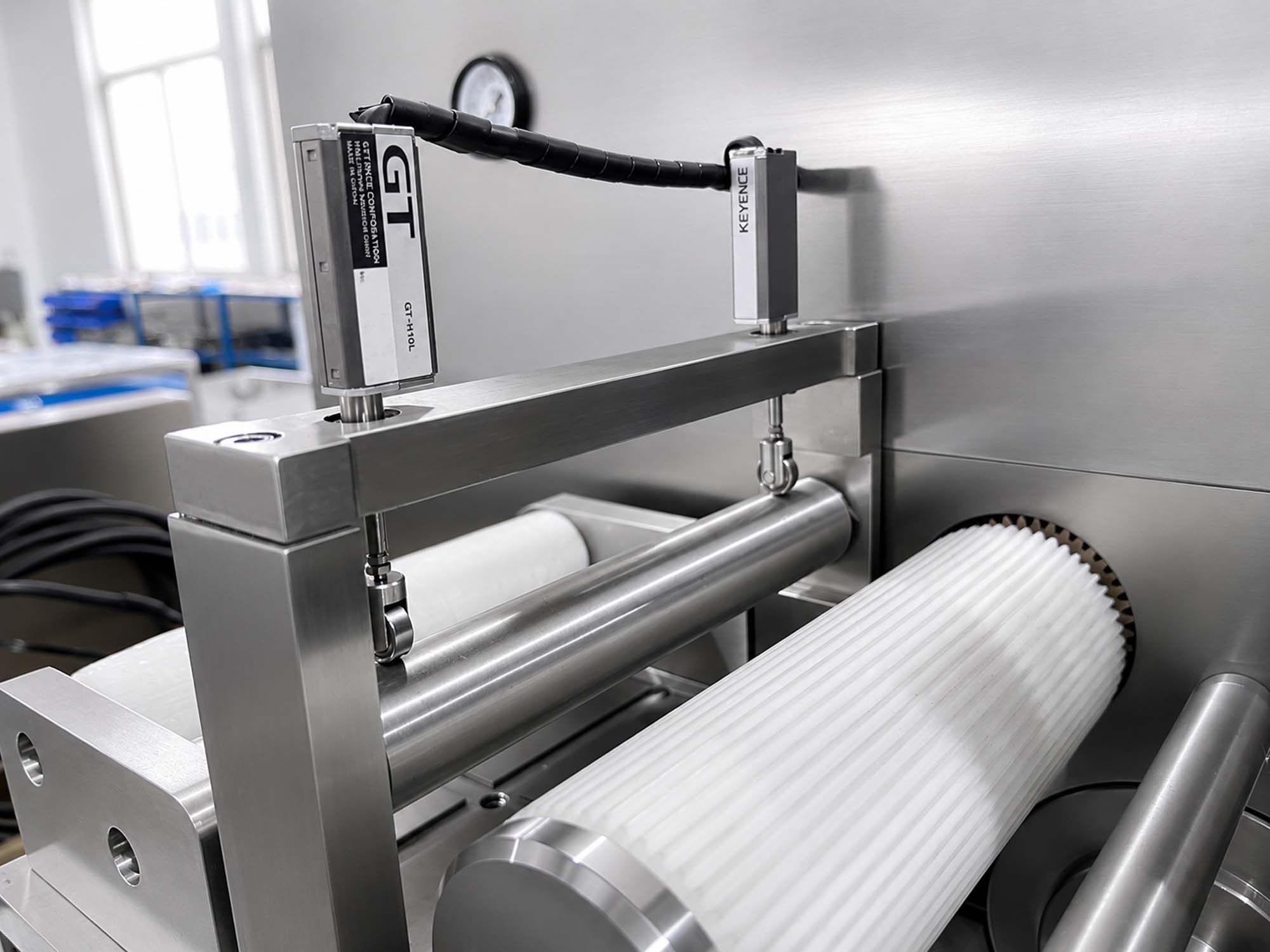
Equipped with a Φ80x100mm die roll, the machine is engineered to maximize yield while minimizing gelatin waste. The synchronized rotation of the die rolls ensures perfect seam integrity and shell thickness, significantly reducing the leakage rate during the drying process.

Micro-Lubrication, Cleaning-Free

Utilizing a specialized micro-oil supply system, the SEM-100II achieves ultra-low oil consumption. This technology ensures that the gelatin ribbon remains smooth during encapsulation without the need for excessive washing, preserving the purity of your final product.

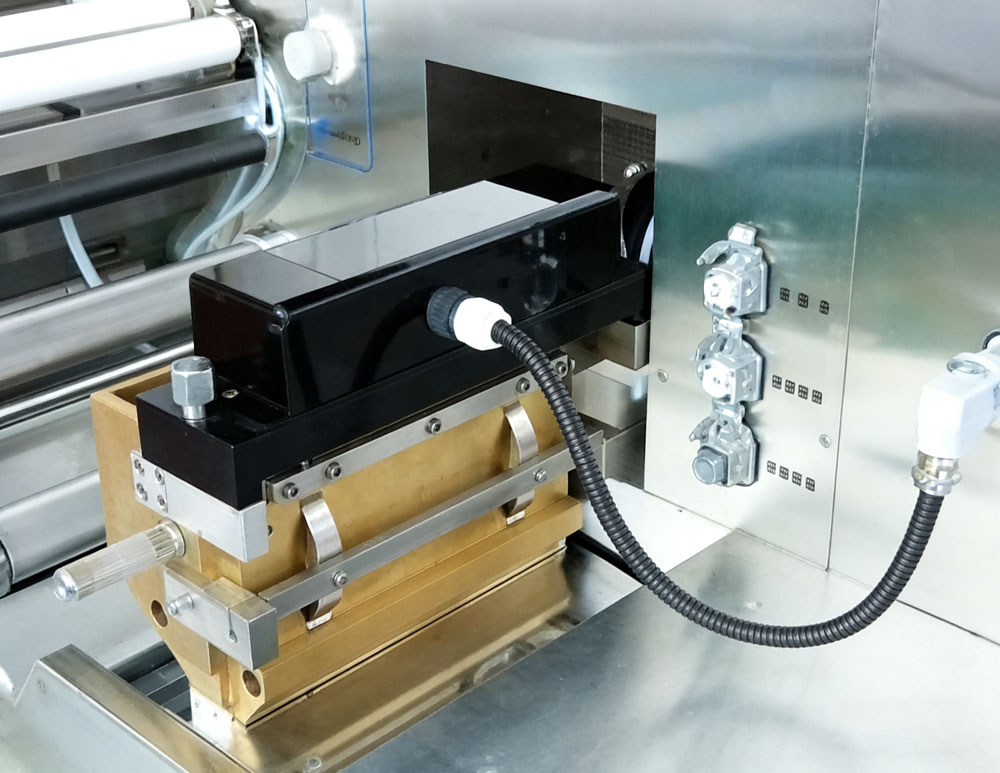
Intelligent Cooling & Ribbon Control

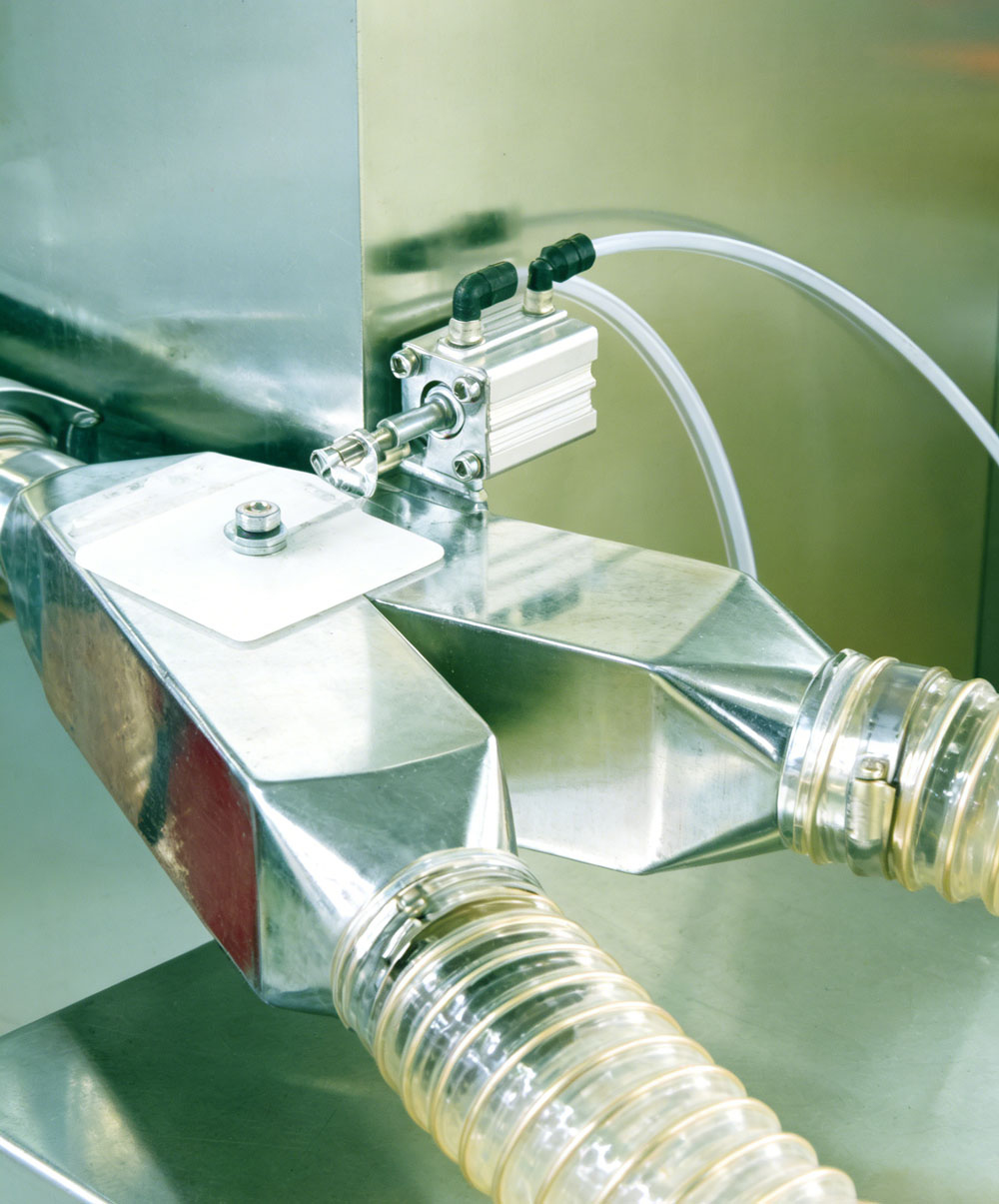
The machine incorporates an independent cold air system and precise gelatin box temperature control. This ensures the gelatin ribbon is formed with uniform thickness and optimal elasticity, even in varying ambient environments, ensuring stable 24/7 operation.

Compact, 316L Contact Parts

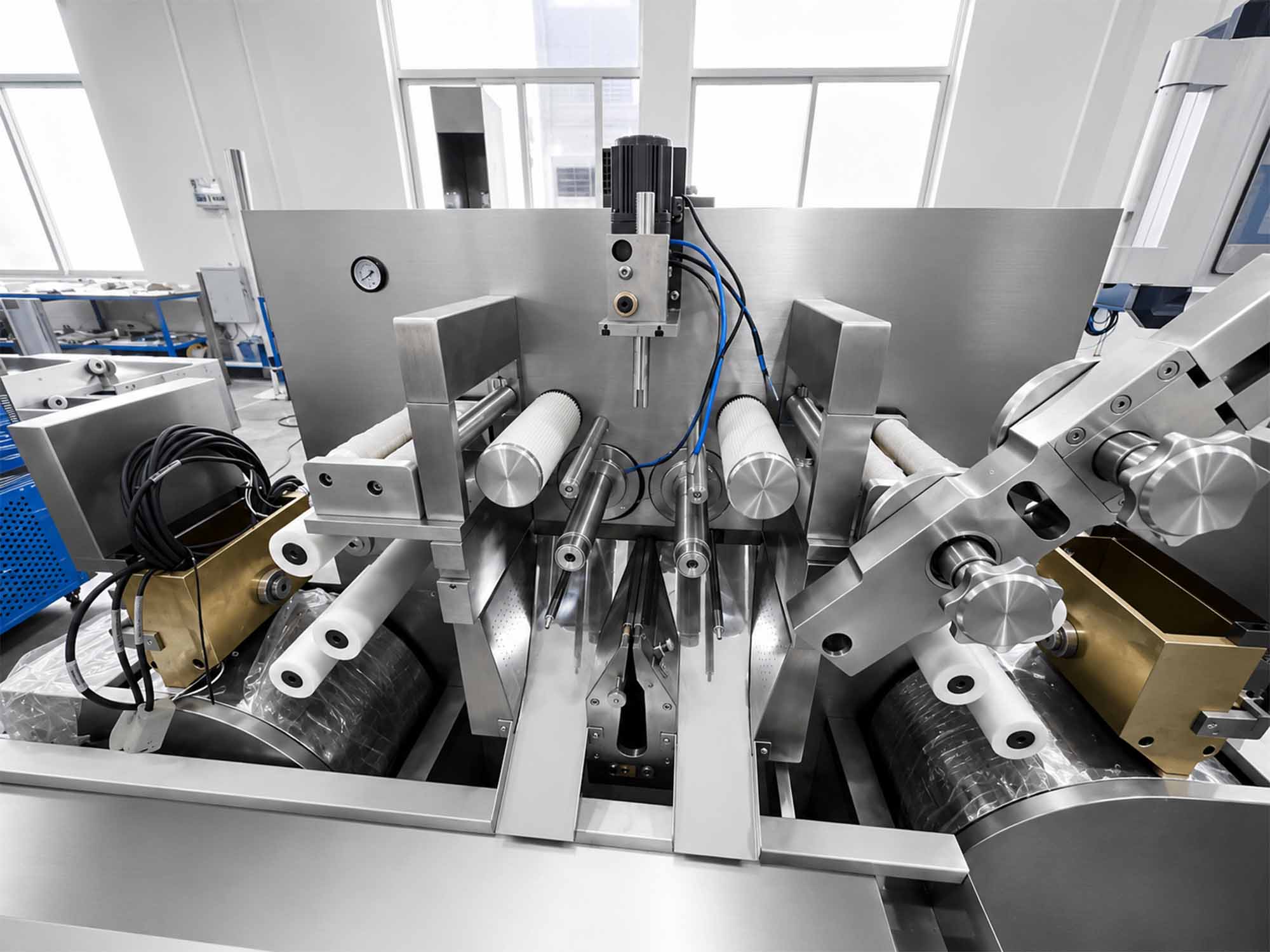
Built entirely with SS 304 and SS 316L contact parts, the SEM-100II is designed for easy cleaning and rapid changeovers. Its compact structure is perfect for cleanrooms with limited space, offering the same robust performance as large-scale industrial machines.

Applications & Industries

Fish oil and omega-3

The single largest softgel category. Clean oils hold the tightest tolerance these machines offer.

Vitamin D, E and fat-soluble actives

Small fills in small shells. At 3# and 5# sizes the plunger stroke is short, which is where filling accuracy matters most.

CoQ10 and suspension fills

Suspensions behave differently from oils and hold a wider tolerance. A colloid mill upstream is usually part of the answer — tell us your particle size.

What changing over involves

Swapping the mold is physical work. Recalling the settings is not

What changed

What you adjust

Roughly

Same shape, new batch

Nothing on the machine

—

Different fill, same shape

Injection timing and wedge temperature

15-30 Mins

Different capsule shape

Die rolls and injection pump swap, then recalibrate

15-30 Mins

Gelatin → vegan shell

Not a changeover. That’s a build configuration

—

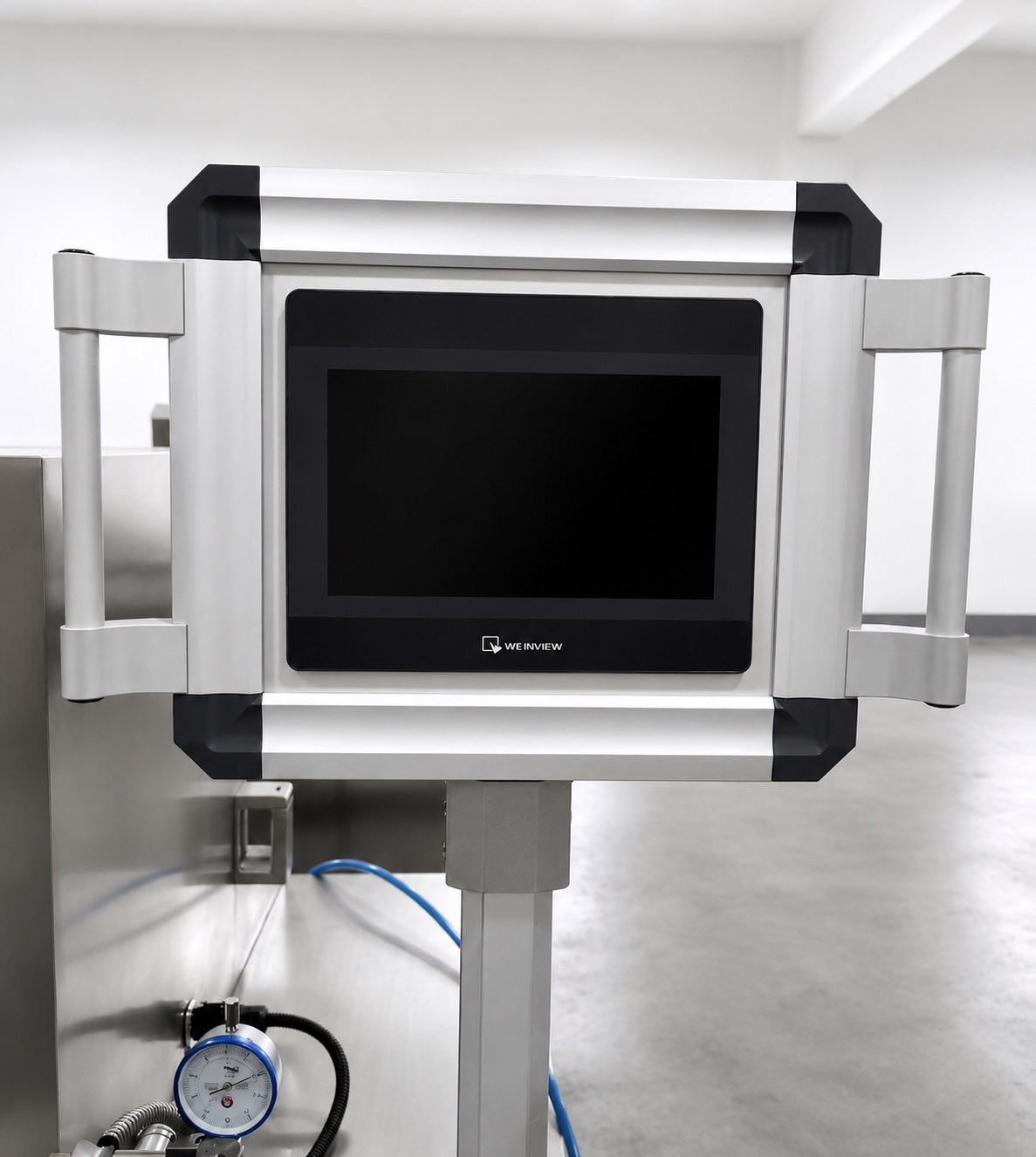
On the servo models, once a product is dialled in, speed, temperature, injection timing and ribbon thickness are stored as a digital profile. The mold still has to be swapped by hand — what you save is the recalibration afterwards.

Custom die rolls for a new shape take 2 to 3 weeks to machine and test.

What to check before you buy

01

Filling accuracy, and on which fill

Oil and suspension don't hold the same tolerance — ours are ±0.5% and ±1.5%. Ask any supplier which number applies to your product, and ask how it's verified at the factory acceptance test. A single headline figure usually means nobody has asked.

02

The manual

A clear English manual gets your operator running in a week instead of a month. Ask to see a sample page before you order.

03

Installation and training

One engineer to your plant, three to four weeks. Travel and on-site costs are quoted separately. Installation isn't free anywhere — it's either a line item or it's inside the machine price. We quote it as a line item so you can see it.

Why Choose AIPAK?

We Size the Whole Line, Not Just the Encapsulator
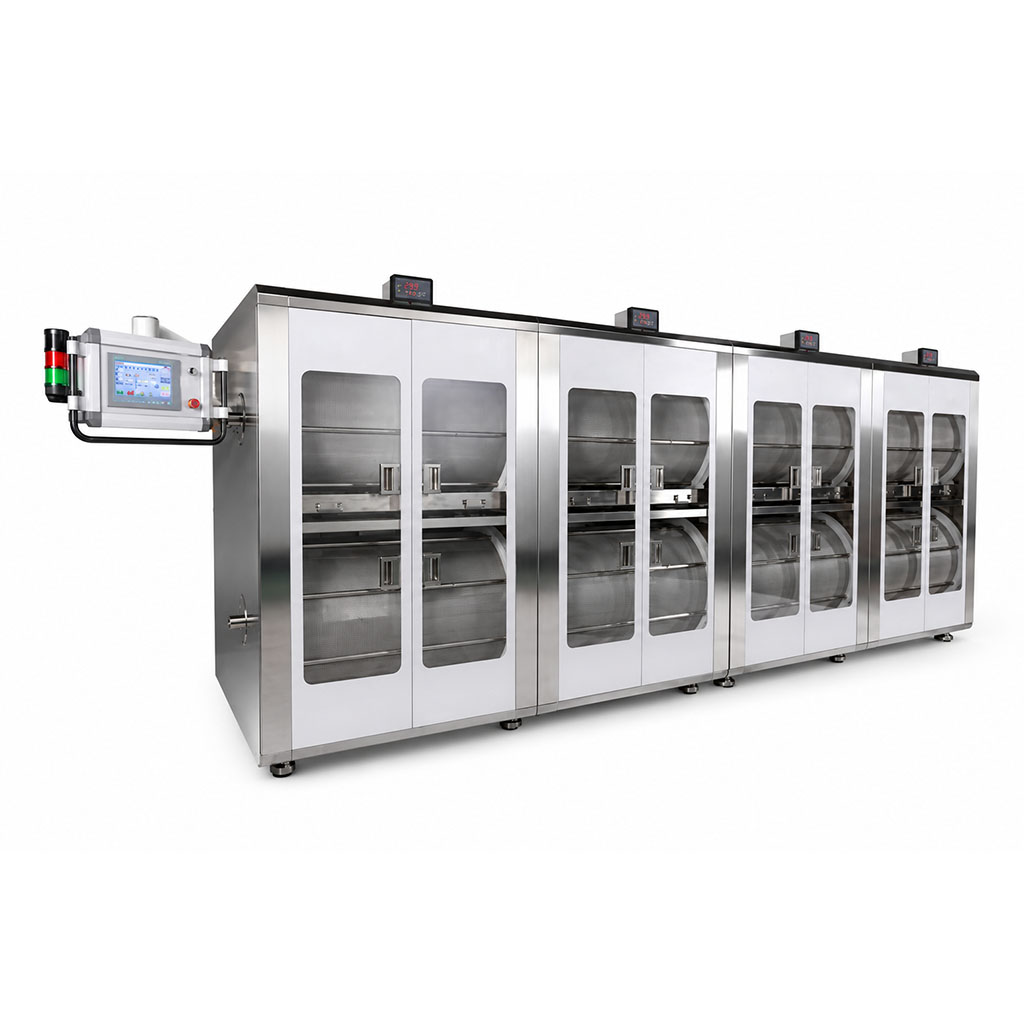
An encapsulator running at full speed produces more capsules than most buyers expect to dry. A Φ1000 tumbler line needs 16 to 18 sections to support 24-hour production, not the 10 that cover a single shift. We calculate your drying, gelatin melting and inspection capacity alongside the machine — before you order, not after.

Formulation Decides Configuration
Vegan shells need a different wedge, a different spreader box and a heated cooling drum. High-viscosity fills need a colloid mill upstream. Suspension products hold a different filling tolerance than oils. Tell us what you are encapsulating and we will specify around it, rather than sending a standard machine and hoping it fits.

Factory-Direct Engineering
You work with the engineers who build the machine. Mould shapes, feeder configurations and line layouts are a conversation, not a change order passed down a chain. Two years of spare parts and on-site installation and training are included.

Lead Time and Support
1-3months from order, confirmed in writing. Spare parts held at the factory. One engineer on site for installation and operator training.

Frequently Asked Questions (SEM-100ll SERVO)

Is the SEM-100II suitable for scaling up to mass production?

Yes. We designed the SEM-100II with the same core logic and precision components as our large-scale industrial models. This ensures that the parameters and formulations developed in the lab can be seamlessly transitioned to mass production lines, significantly reducing R&D cycles.

What is the minimum material volume required for a test run?

One of the key advantages of this machine is its suitability for high-value ingredients. Because of its compact design and short feeding pipelines, it can operate efficiently even with very small material batches, making it the perfect choice for expensive pharmaceutical trials.

How does the machine ensure the stability of the gelatin ribbon?

The SEM-100II utilizes an independent cold air system combined with precision temperature control for the gelatin boxes. This maintains the optimal elasticity and uniform thickness of the ribbon, preventing leaks or uneven seams during the encapsulation process.

Can this machine handle complex paste or suspension fillings?

Absolutely. Equipped with a high-torque servo-driven injection pump and an integrated heating system for the hopper/segment, the SEM-100II can easily process high-viscosity pastes and suspensions, ensuring every capsule is filled with consistent dosage.

How easy is it to change the mold for different capsule shapes?

Very efficient. The machine features a modular design that allows for rapid die roll disassembly. A standard mold changeover and cleaning cycle can typically be completed within 30–60 minutes by a trained operator, allowing for multiple product trials in a single day.

Does the machine require an external cooling system?

While the machine has an integrated cooling fan for the ribbon, for sustained high-performance operation or in warmer environments, we recommend connecting it to a small industrial chiller to maintain the cooling drum at a constant, optimal temperature.

What is the typical lead time for custom die rolls (molds)?

We can provide a wide variety of standard shapes (oblong, oval, round). For custom shapes or logos, our engineering team usually requires 2–3 weeks for precision CNC fabrication and testing to ensure perfect sealing.

Customers Also Interested In...

Future-Proof Your Production with Full-Servo Intelligence

Get a Comprehensive Technical Proposal & ROI Analysis

Maximize your yield and minimize downtime with the world’s most advanced softgel technology. Whether you are building a new smart factory or upgrading a high-volume line, our senior engineering team will provide a tailored configuration to meet your exact pharmaceutical or nutraceutical standards.

Scroll to Top