
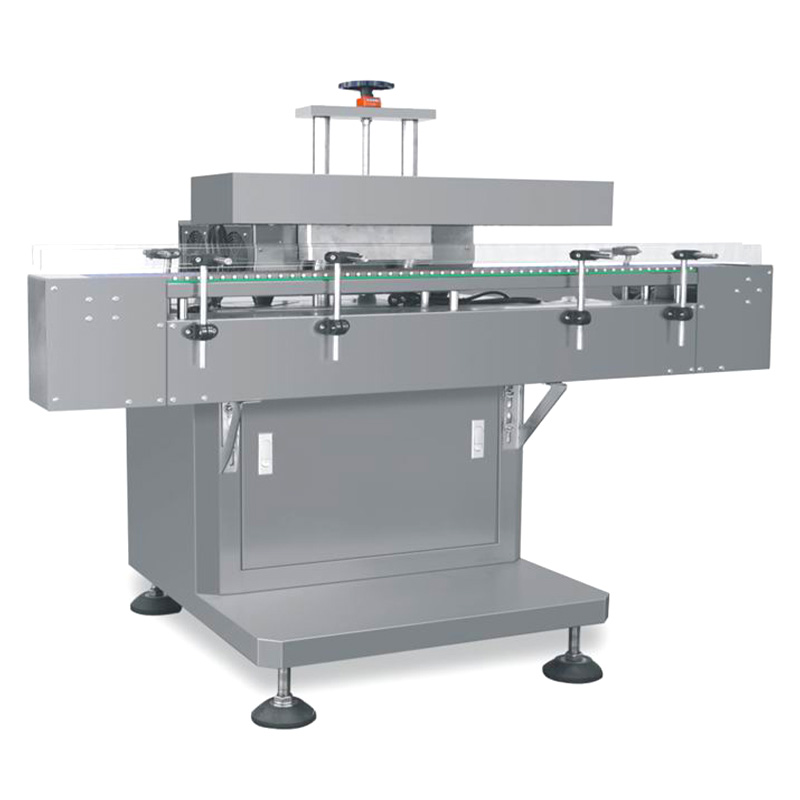
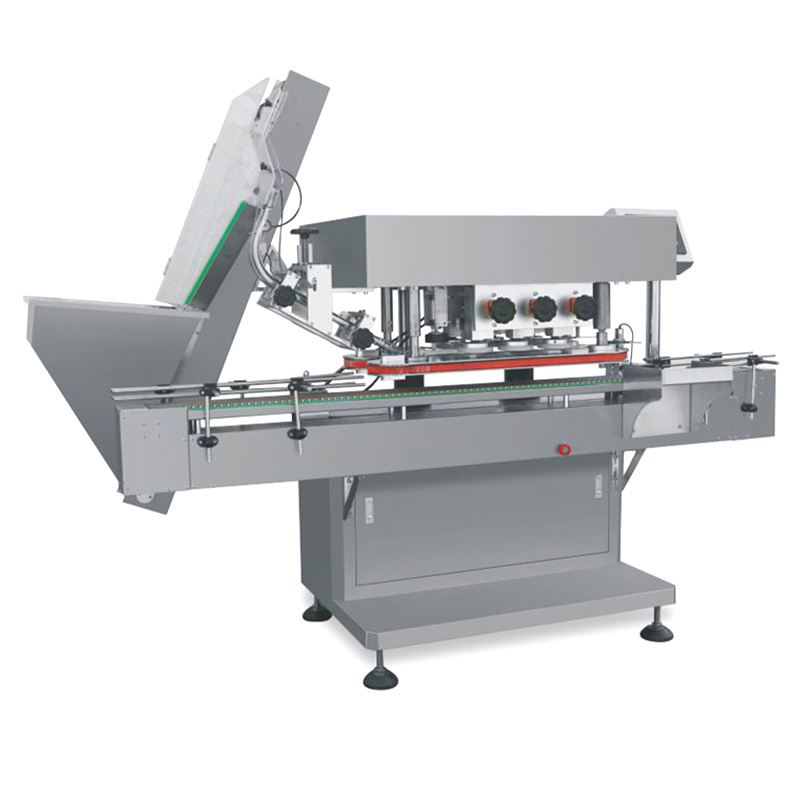
Bottle Labeling Machine

Self-Adhesive Labeling for Round, Square, Flat and Ampoule Containers

Round, Square, Flat and Ampoule
20–200 Bottles/Min
One to Four Label Faces

“Your container shape decides the machine before anything else does. A round bottle rolls under the label; a square one has to be indexed face by face; an ampoule has to be laid on its side. Three different machines, not three settings.”

A labeling machine applies the self-adhesive label to the finished bottle — the last station on a counting and bottling line, and the only one whose output the consumer actually reads.

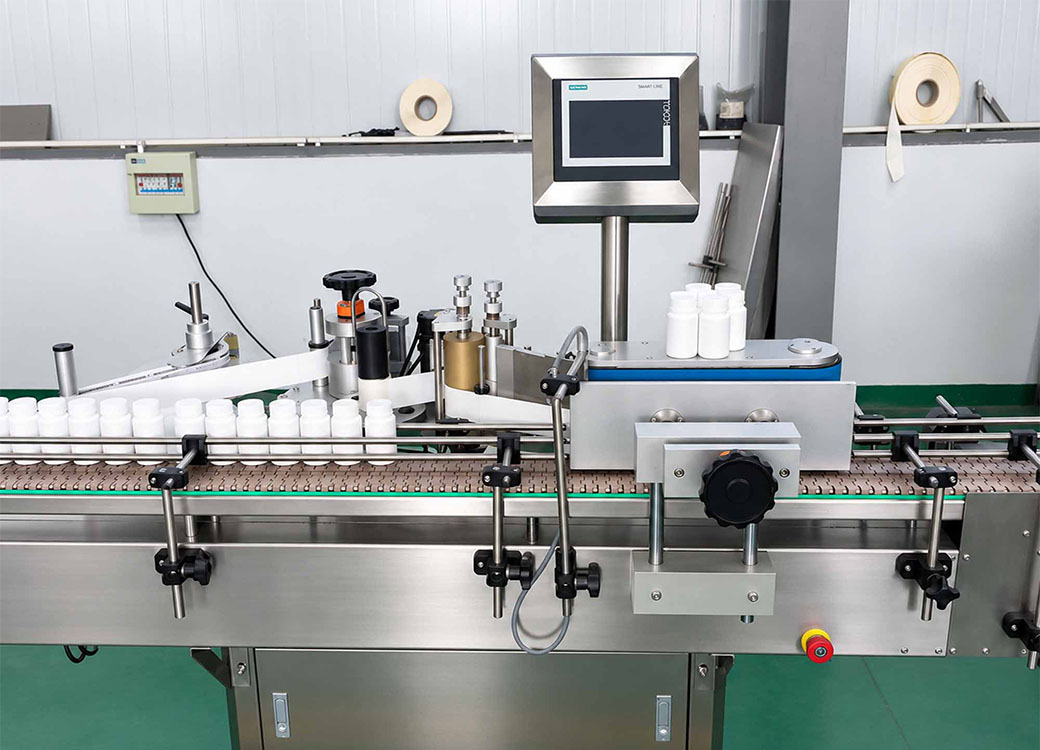
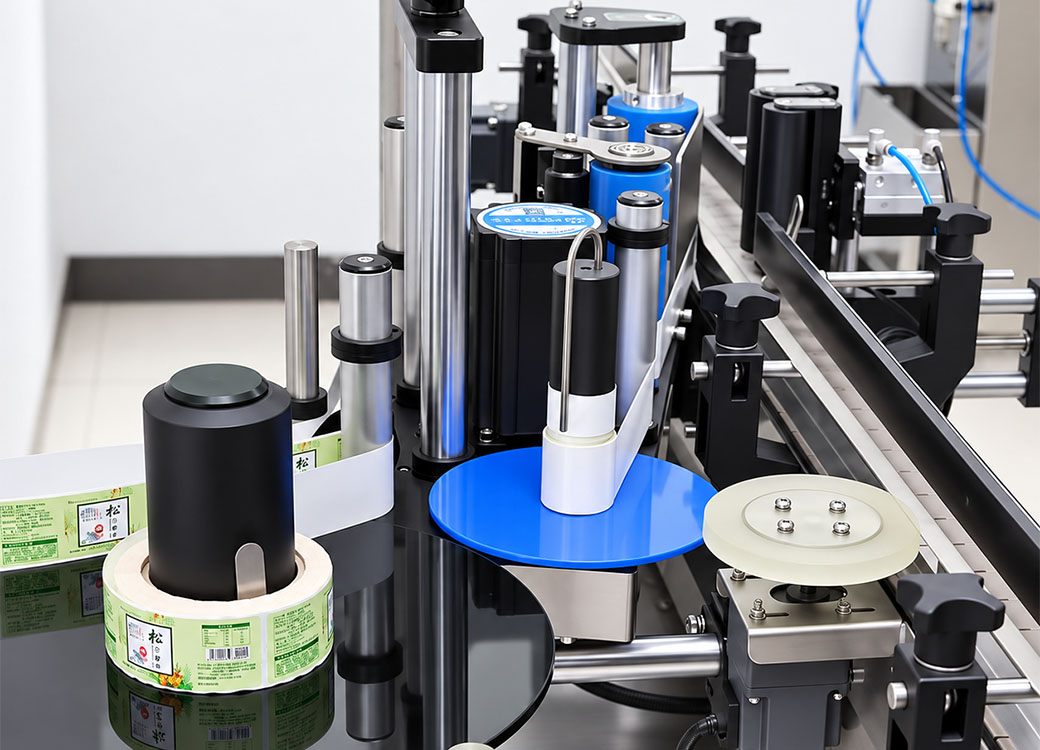
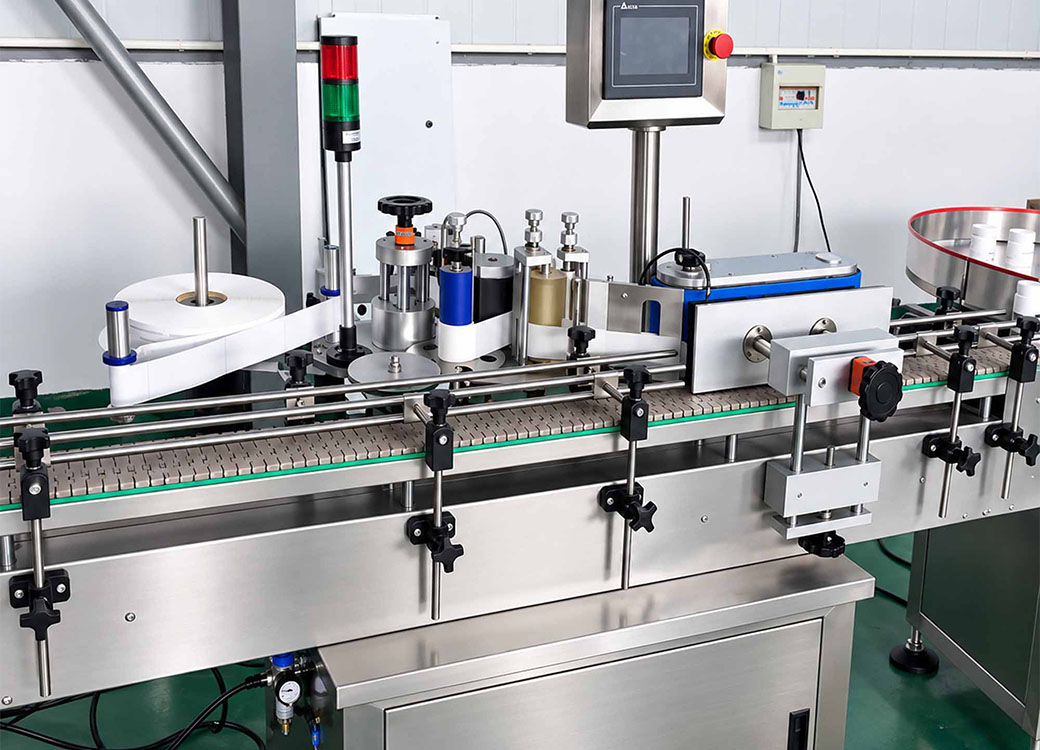
The mechanism is the same on every model: the label web is drawn past a peel plate sharp enough to separate the label from its backing paper, and a press roller lays it onto the container as it passes. What differs between machines is how the container is presented to that roller — and that is decided entirely by its shape.

A round bottle rotates under the roller and the label wraps itself on. A square bottle cannot rotate, so it has to be held and indexed so each face meets the roller squarely. A flat container presents one surface upward and is labelled from above. An ampoule is too small and too fragile to stand, so it is laid horizontally and rolled.

AIPAK builds all four, from 20 to 200 containers per minute.

Why AIPAK Labelers

Matched to Container Geometry

Matched to Container Geometry

We build separate machines for round, square, flat and ampoule containers rather than one machine with adapters. A machine asked to handle a shape it was not designed for produces skewed labels and wrinkles — and both are visible to your customer in a way that no other station’s faults are.

Peel Plate Separation

Peel Plate Separation

The label is separated from its backing by drawing the web around a sharp peel plate rather than by mechanical pickup. Nothing contacts the adhesive face before the container does.

Consistent Placement

Consistent Placement

Position is set on the machine and held across the batch. Label placement is the one output on the line that every customer inspects, whether or not they inspect anything else.

304 Stainless Steel Construction

304 Stainless Steel Construction

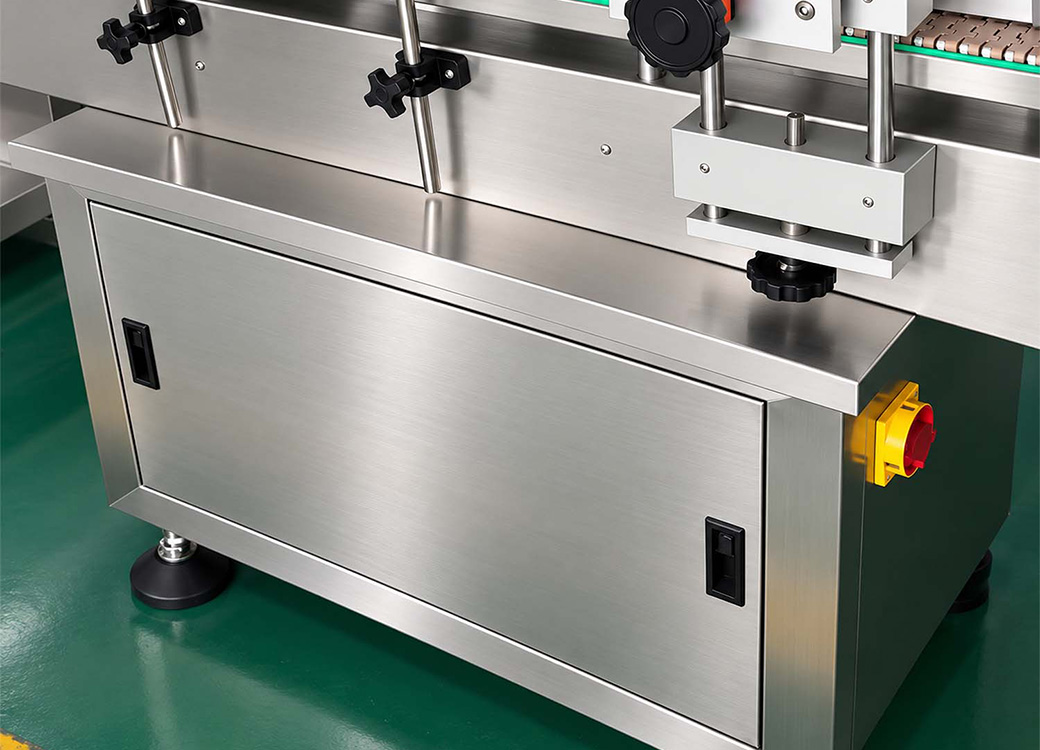
304 stainless steel frame and body, no dead corners, designed for washdown between products.

Start With Your Bottle Mouth

1. What shape is it?

This decides the machine outright.

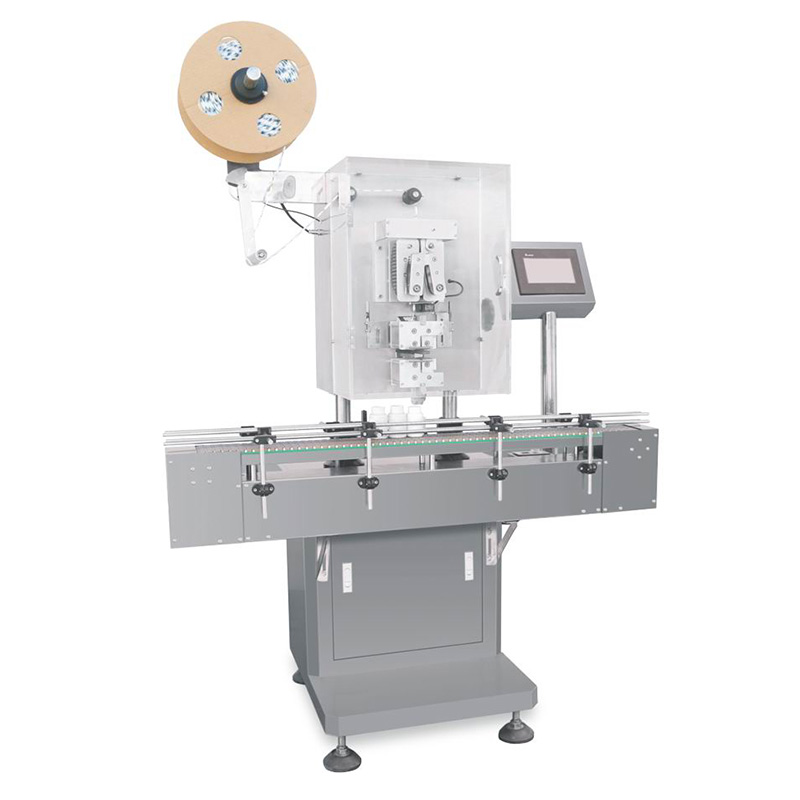
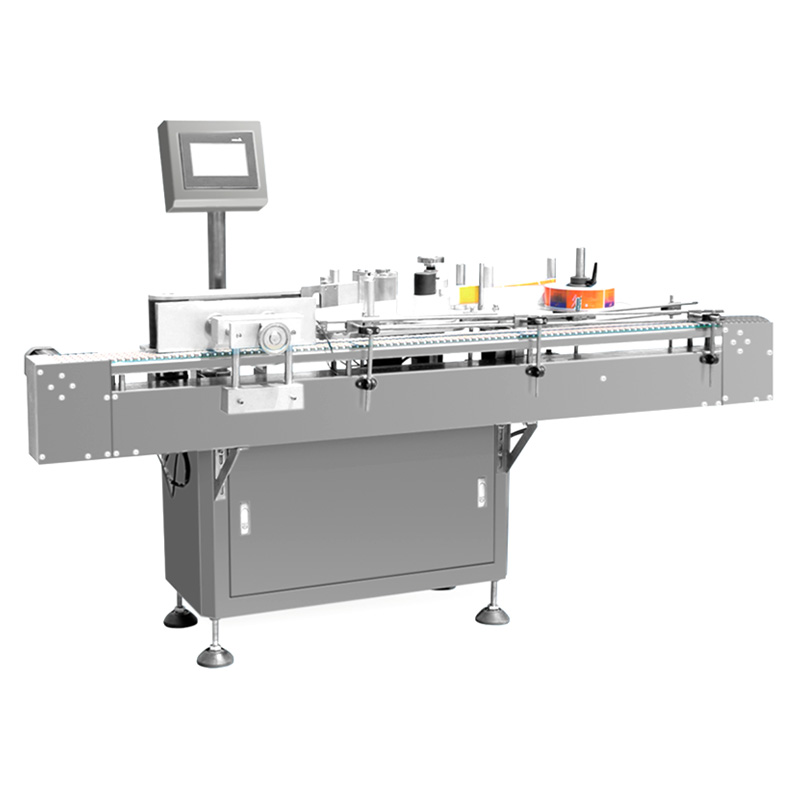
Round bottles roll under the press roller and the label wraps around the circumference. The APC-T1 does this at 20 to 120 bottles per minute — the standard choice for tablet and capsule bottles.

Square, rectangular and flat-square bottles cannot roll. Each face has to be presented to the roller squarely and indexed to the next. The APC-T2 applies labels to two, three or four faces in one pass.

Flat surfaces — the top of a container, a lid, a flat pack — are labelled from above rather than from the side. The APC-T3 is built for this.

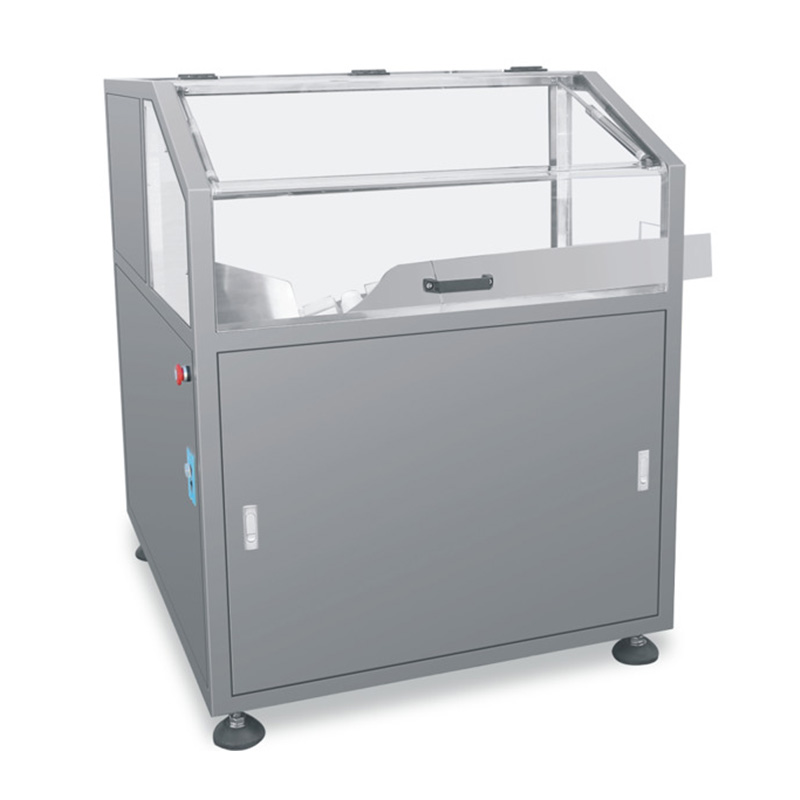
Ampoules and small oral liquid vials are too small to stand reliably on a conveyor and too fragile to be pushed against a guide. The APC-T4 lays them horizontally and rolls them under the roller, at 100 to 200 per minute.

2. How many faces need a label?

Only relevant on the APC-T2. Two-face (front and back), three-face and four-face configurations are specified at order — the number of application heads is fixed at build, not adjusted afterwards.

3. How fast does the line run?

Model

Container

Faces

Output

APC-T1 Round Bottle Labeler

Round

Wrap-around

20–120/min

APC-T2 Multi-Face Labeler

Square, rectangular

2, 3 or 4

20–120/min

APC-T3 Flat Surface Labeler

Flat surfaces, tops

1

20–120/min

APC-T4 Ampoule Labeler

Ampoules, small vials

Wrap-around

100–200/min

Three of the four cover 20 to 120 per minute, which matches every counting machine up to 32 channels. Labeling is rarely the constraint on a bottling line — but check it against your counter rather than assuming.

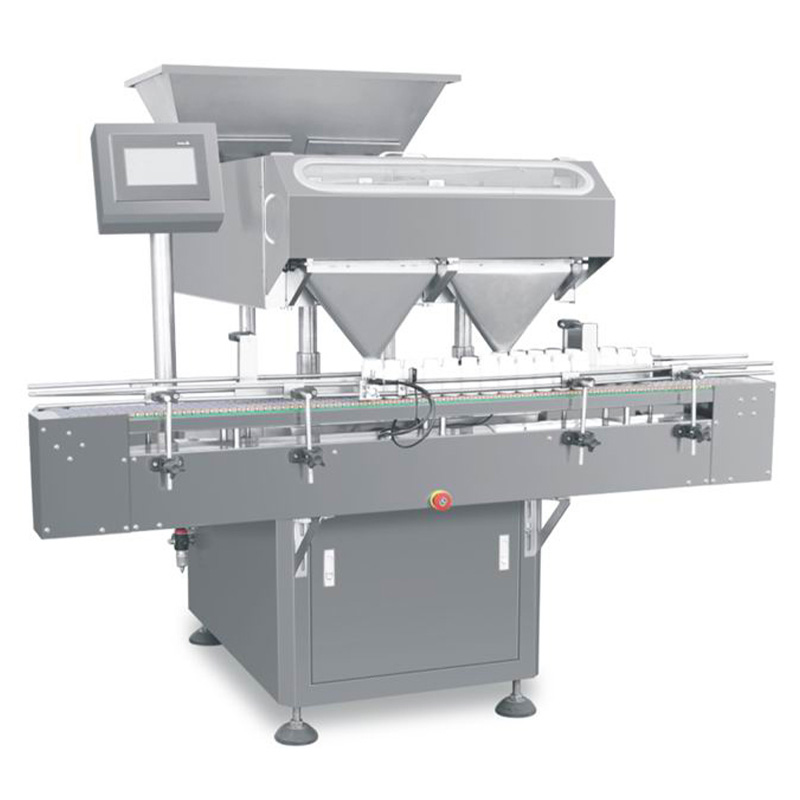
Four Machines, Four Container Shapes

Container shape decides the machine before speed does. Send us a sample bottle and a roll of labels and we’ll tell you which one — and run them before quoting.

Industrial Applications

Pharmaceutical Rx and OTC
Nutraceutical and Supplement Bottling
Ampoule and Oral Liquid Filling
Cannabis and Regulated Edibles

Where the Labeler Sits on Your Line

SEVEN STATIONS, ONE LINE

Bottle Unscramble

Bottle Unscramble

Inserting Machine

Inserting Machine

Tablet Counting Machine

Tablet Counting Machine

Labeling Machine

Labeling Machine

Sealing Machine

Sealing Machine

Capping Machine

Capping Machine

The labeler is the last station — after the induction sealer, and the point where the bottle leaves the line as a finished unit.

Its position matters for one practical reason. Every fault introduced upstream is still present when the bottle reaches the labeler, and a labelled bottle looks finished whether or not it is correct inside. This is why detection and rejection sit on the counter and the capper rather than here: by the time a bottle is labelled, it looks like saleable stock.

A mid-speed line runs 40 to 100 bottles per minute; a high-speed line runs 70 to 160. Both fit in under 30 m² with roughly three operators and a single compressed air supply.

FAQ

Which labeling machine does my container need?

Its shape decides it. Round containers roll under the roller and take a wrap-around label. Square and rectangular containers have to be indexed face by face. Flat surfaces are labelled from above. Ampoules and small vials are laid horizontally. Send us a sample container and a sample label and we will confirm the machine.

Can one machine label round and square bottles?

No. Rolling a bottle under a roller and indexing a flat face to it are different mechanical operations. Facilities running both shapes normally operate two machines rather than changing one over.

How many label faces can you apply?

Up to four on the APC-T2, specified at order. The number of application heads is fixed at build rather than added later, so if a second label face is likely within the machine’s life, that belongs in the decision now.

Do you supply the labels?

No. Labels are supplied by your printer, on rolls wound to the machine’s core and web specifications. Send us your label roll specification with your enquiry — roll diameter, core size and label pitch all affect the setup.

What causes labels to apply crooked or wrinkled?

Most often the container rather than the machine: an out-of-round bottle, a seam under the label area, or a surface that is dusty or still warm from an upstream process. Label material and adhesive matter too. If you are troubleshooting an existing line, send us a sample of a bad unit — the fault is usually visible in the finished bottle.

How long does a changeover take?

Labeler changeovers are generally longer than other stations on the line, because both the container guides and the label position have to be reset.

How fast does the labeler need to be?

Fast enough to keep up with your counting machine. Three of our four models cover 20 to 120 per minute, which matches counters to 32 channels. Labeling is rarely the constraint on a bottling line, but it is worth checking rather than assuming.

What information do you need to quote?

Container shape and dimensions, how many faces need a label, label size and roll specification, and target output. A sample container and a sample label answer most of this at once.

Documentation & Selection Support

Product Portfolio

Product Portfolio

Full technical specifications for all four labeling machines, including container compatibility, label size range, throughput and footprint.
Quality Assurance

Quality Assurance

CE Declaration of Conformity for the APC labeling range, with EN 10204 3.1 material certificates available on request.
Technical Standards

Line Speed Matching Guide

Throughput of every station on a bottling line, so you can identify the constraint before configuring rather than after.

Send Us a Bottle and a Label

Labeling is the one station where a specification sheet rarely settles the question. Container shape decides the machine, but label size, roll format and the surface the label lands on decide whether the result looks right — and those are things we would rather see than read about.

Send your container details and label specification below. If you can post a sample bottle and a roll of labels, we will run them before quoting and send you the result.

Scroll to Top