Product Portfolio
Quality Assurance
Technical Standards
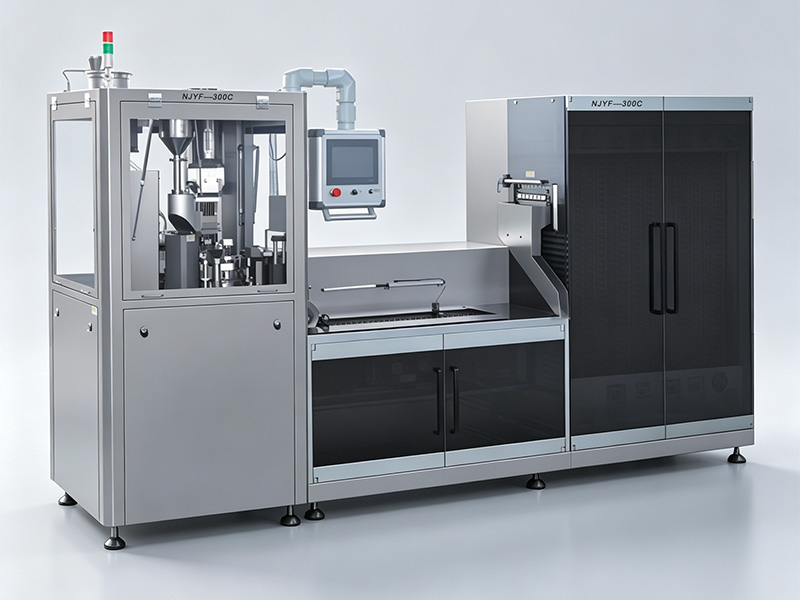
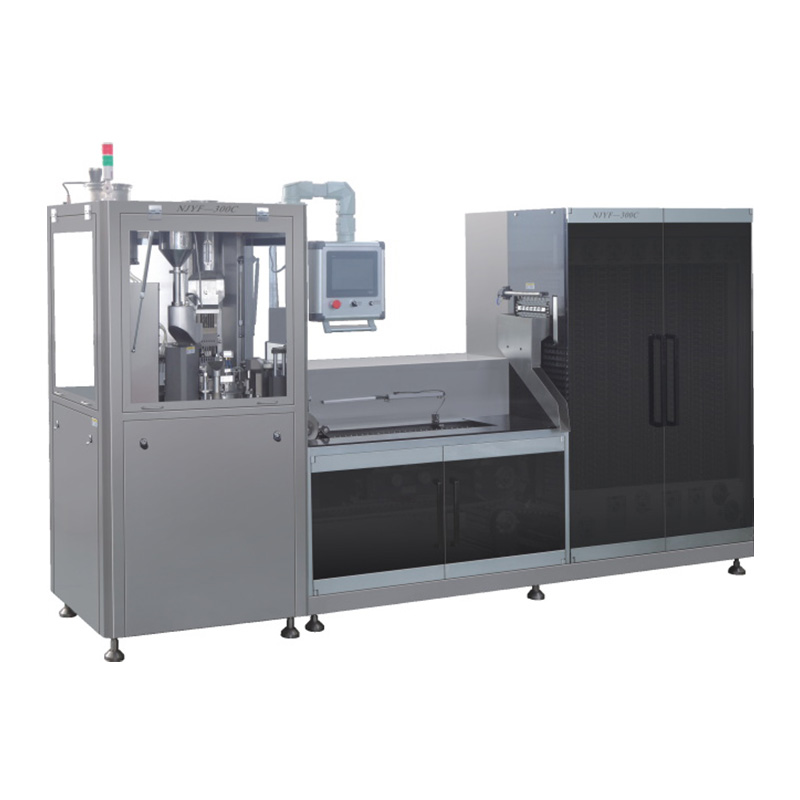
AIPAK’s Liquid Capsule Filling and Sealing Machine
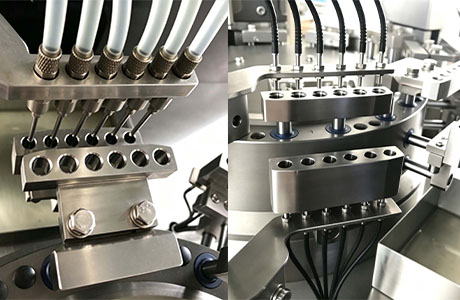
The liquid capsule filling machine process requires specialized primary mechanical principles. The reason is the safety of materials packed in the hard shell. As compared to the standard capsule filling process, the liquid capsule filling machine working is based on precise ceramic pumps and servo drivers.
These parameters swiftly drive the filling process without chances of liquid drips and dose variation. We always recommend the advanced system for encapsulation of certain materials such as oils, suspensions, and herbal extracts.
The working principle of liquid filling machine is based on multistage processing. For instance,
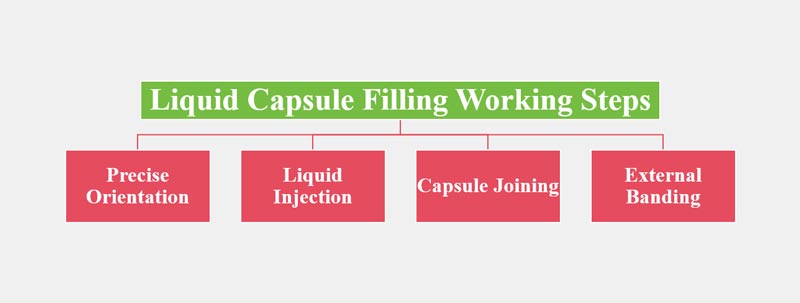
Working Steps of Liquid Capsule Filling Machine
Precise Orientation
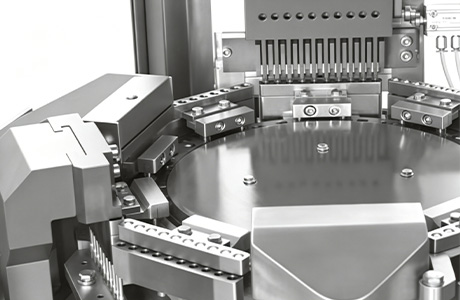
A vertical alignment of empty capsules takes place with the help of rectifiers. An advanced mechanism of vacuum separation speeds up the splitting of caps from capsule bodies.
Liquid Injection
Ceramic pumps dispense an optimized volume of formulation into capsule bodies.
Capsule Joining
With the help of mechanical pin realignment, closing and locking of filled capsules occurs.
External Banding
Sealing stations create an external band on capsules. The band application is mainly made up of gelatine or HPMC that provides leakproof sealing with stable shell integrity.
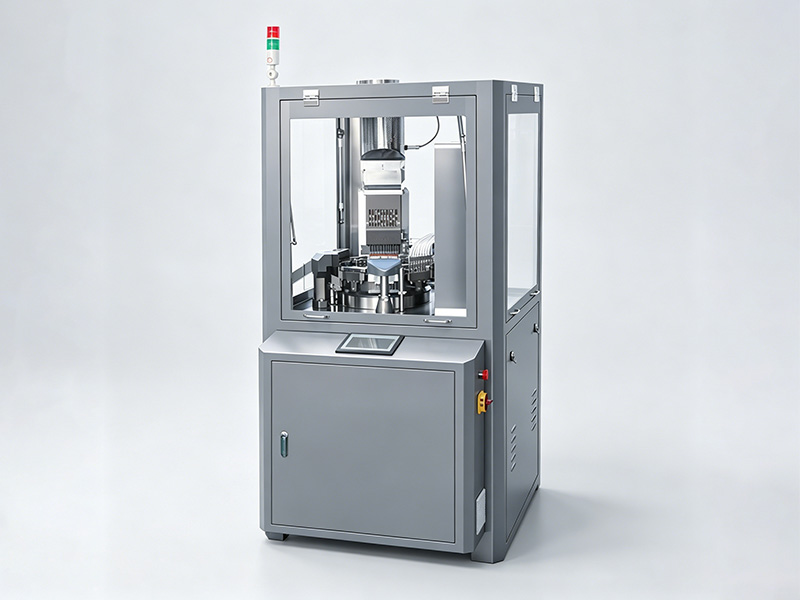
AIPAK’s Capsule Filling Machine
From an engineering perspective, gelatin banding is an important stress-mitigation process. The presence of gelatin banding counteracts the hydrostatic pressure from liquid filling around cap and body interfaces.
The low viscosity of the solution directly exerts pressure against the mechanical friction of hard capsule liquid filling. To manage this problem, expertise recommends an airtight sealing that lowers the risk of leakage, softening of the capsule shell, and cross-contamination.
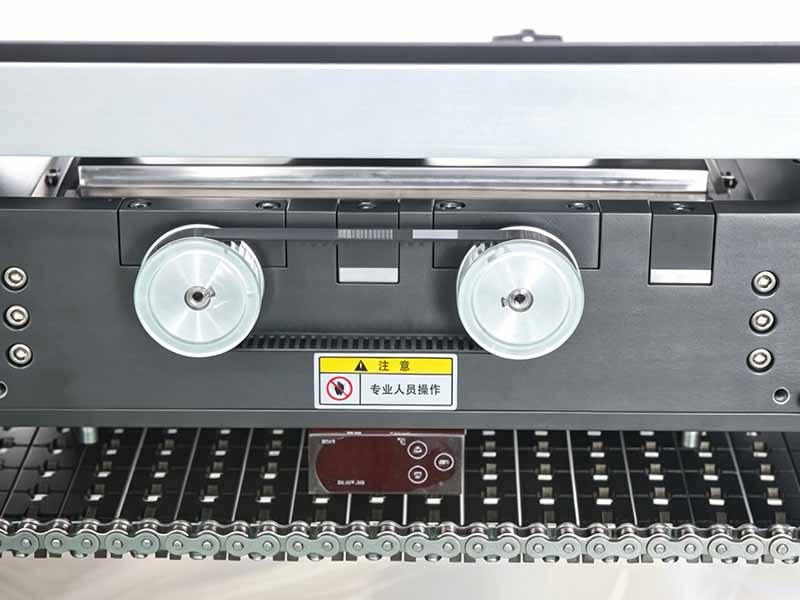
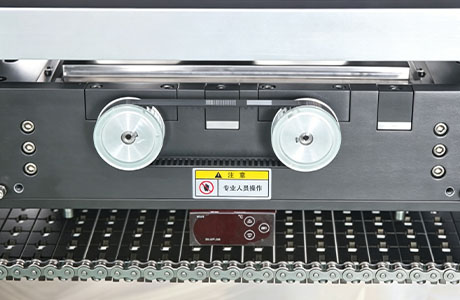
AIPAK’s Capsule Filling Machine Gel Sealing System
AIPAK’s advanced capsule filling machine features a servo-driven ribbon wheel that utilizes a polymer gel band across the joint. The machine efficiently transforms a standard capsule into a hermetic capsule.
The final result delivered from the technical solution would be leakproof, tamper-evident capsules that directly prevent the formulation from external physical factors such as oxidation, moisture ingress, etc. Therefore, the fluid present inside liquid capsule sealing would be very effective and structurally stable during storage and distribution.
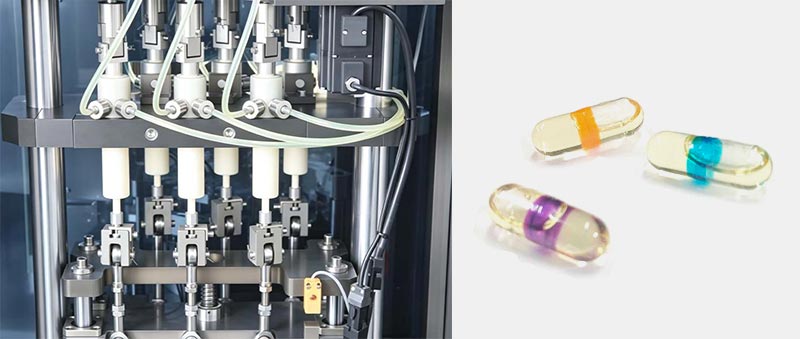
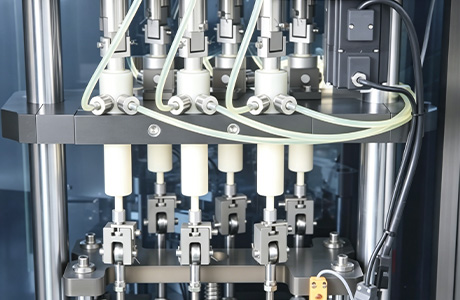
AIPAK’s High Precision Ceramic Pumps Capsule Filling Machine
The liquid capsule filling machine is designed with ceramic pumps that are extremely stable. It gives high-precision liquid filling accuracy (± 1–2%) with positive displacement engineering parameters. AIPAK engineering machines, like other top- tier equipment, are designed with ceramic pumps.
The standard capsule filling machine pumps are often featured with stainless steel. But in this case, our expertise recommends going for ceramic pumps as they ensure a permanent microscopically tight fit without the need for a rubber seal. This provides three engineering-based benefits such as zero-wear to liquid formulation, no rubber packaging, and no thermal expansion during operation.
The capsule filling liquid ceramic pumps are coupled with an advanced servo-driven system prevent cavity induced outgassing. This reduces dose inaccuracies from air entrapments and ensures a smooth, precise liquid dose throughout the production.
A freshly banded capsule is mechanically fragile. The band is still wet, the shell has absorbed some moisture from the glue, and the liquid inside exerts pressure on a joint that has not yet set. How the capsule is held during those first minutes decides whether the band cures into a hermetic seal or into a leak.
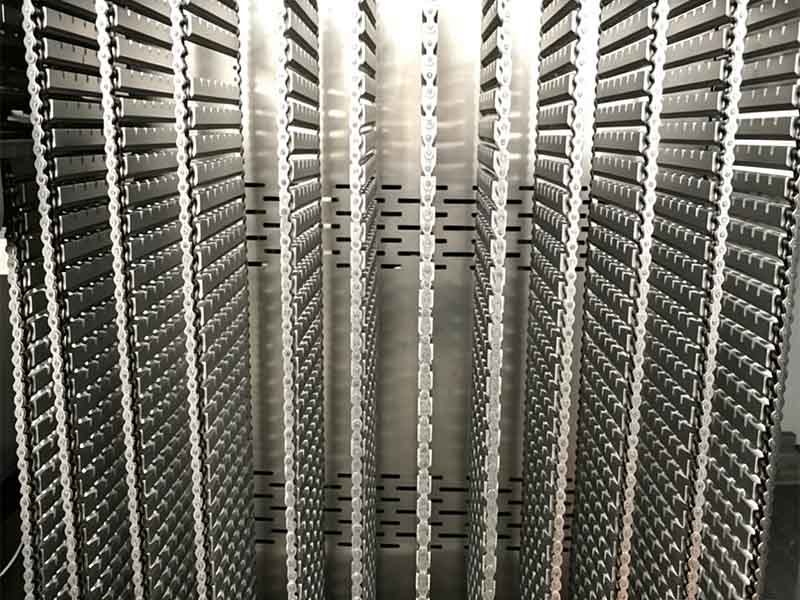
AIPAK’s Capsule Filling and Sealing Machine Free Hanging Drying Template
Orientation matters more than airflow. In our linkage lines, sealed capsules transfer into free-hanging drying moulds that travel a serpentine path through the drying chamber. Each capsule stays face-up for the entire cycle. Nothing rolls, nothing tumbles, and nothing stacks — so the wet band never contacts another capsule or a tray surface before it sets. Tumbling systems, borrowed from softgel production, work well for a fully formed shell but are the wrong choice for a capsule whose seal is still curing.
Ambient conditions are part of the specification, not a suggestion. The drying area should sit at around 20 °C with relative humidity between 40% and 55%. Too dry and the shell gives up moisture faster than the band cures, leaving it brittle. Too humid and the band stays tacky, the shell softens, and capsules deform under their own fill weight. If your facility cannot hold that window, tell us before the machine is specified — it changes what we recommend.
Discharge is where residue happens. At the end of the path, a 12-segment indexing ring locks each free-hanging mould into a fixed position and rotates it a full 360 degrees to release the capsules. Six air-blowing pipes clear anything that would otherwise stay lodged in a mould cavity. On the higher-output line, that becomes eight pipes. This sounds like a small detail until you have to hand-pick capsules out of moulds at the end of every shift.
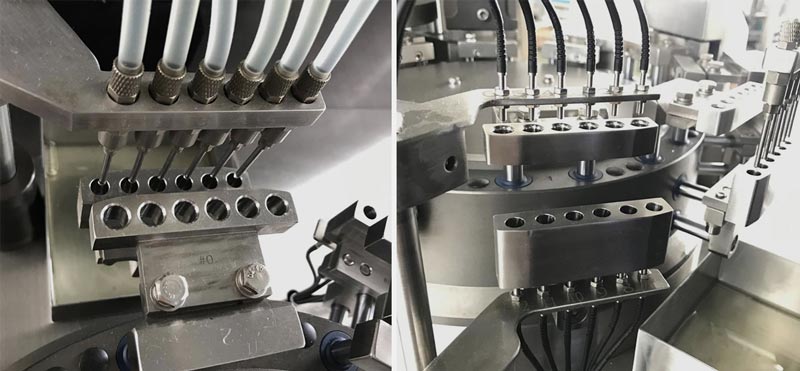
AIPAK’s High Fiber Optic Inspection System
Cleaning a liquid capsule line is not one procedure but two, running on different clocks.
Every shift: the upper and lower moulds, transfer tray, capsule storage tubes and rollers, finished-product hopper, and the banding rollers, scrapers and glue reservoir. Moulds are brushed through with 75% ethanol; the glue-contact parts are washed with hot water to remove residual adhesive, rinsed with purified water, then sanitised with ethanol. Residual glue is the single most common cause of banding defects on the following shift.
Every five to seven shifts: chain plates and guards, drying moulds, the alignment and horizontal fork plates, and the capsule hopper. Drying moulds soak in ethanol for around fifteen minutes before wiping.
Whenever the product changes, or after a shutdown of more than two days: the ceramic pump and the material hopper, without exception.
The ceramic pump has four hard rules. No fluorine-containing solutions — they attack the stainless steel components. Never pull the ceramic dosing rod or steering valve while they sit in water above 40 °C; remove the steering valve and clean it separately. Never interchange a ceramic rod with a ceramic plug between pumps. If yellow staining appears where the pump body contacts the formulation, soak in 10% oxalic acid for half an hour to an hour, then rinse with water for injection.
Sensors are wiped with ethanol on a cloth and never washed with water.
We supply this procedure as a written SOP with the machine, part by part, with the cleaning interval for each. It goes straight into your cleaning validation file rather than having to be reconstructed by your QA team.
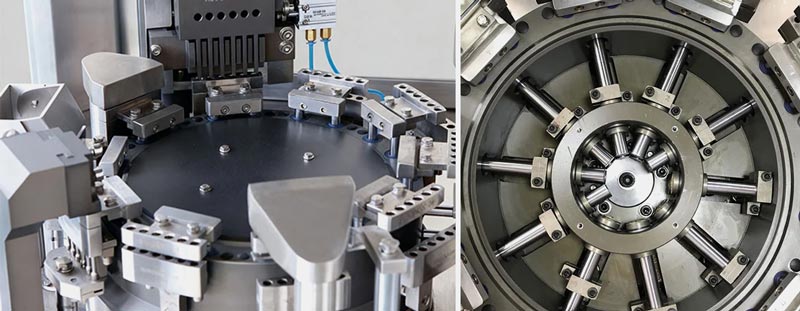
AIPAK’s Capsule Filling Machine
When buying a liquid capsule filling machine, opting for the lowest upfront cost is not a good choice. AIPAK’s procurement team always provides Total Cost of Ownsership included with installation, documentation, maintenance, and customer support throughout the machine’s lifecycle.
While initial capital expenditure is less for low-cost machines, it won’t promise consistency or high operational quality. The automatic liquid capsule filling machine price is higher against long-term ROI, such as low labor cost, low batch rejection, low product variation, and high output.
With AIPAK liquid capsule filling machine factory, you can avail a high-performance filling system for high-value liquid products. Our automatic liquid capsule filling machine has an automatic detection system with a ceramic pump that adopts controlled loading amounts to minimize ±2% loading difference with minimized product loss.
Choosing a reputable factory is not just a journey for equipment but for long-term expertise support. You will face fewer challenges, less operational risk, and more profitable machinery lifecycles.