Bottle Unscrambler
Automatic and Semi-Automatic Bottle Feeding Systems
Five models covering every container from a 15 ml supplement bottle to a 750 ml bulk pack. The right unscrambler is decided by your bottle — its volume, its shape, and what it’s made of — and only then by speed.
Why AIPAK Unscramblers
Your Bottle Decides the Machine
Volume, shape and material — in that order. Glass rules out automatic orientation entirely. Square and irregular shapes rule out four of the five. Only then does speed narrow what’s left. Most buyers start with speed and work backwards, which is why they end up with a machine that runs fast and misfeeds.
Adjustment, Not Change Parts
Switching bottle size is a repositioning job on every model we supply — guides and outlet on the automatic machines, a simple adjustment on the semi-automatic. There are no change parts to buy per container, and none to store on a shelf. On a line running several SKUs a week, that’s worth more than it sounds.
304 Stainless Steel, No Dead Corners
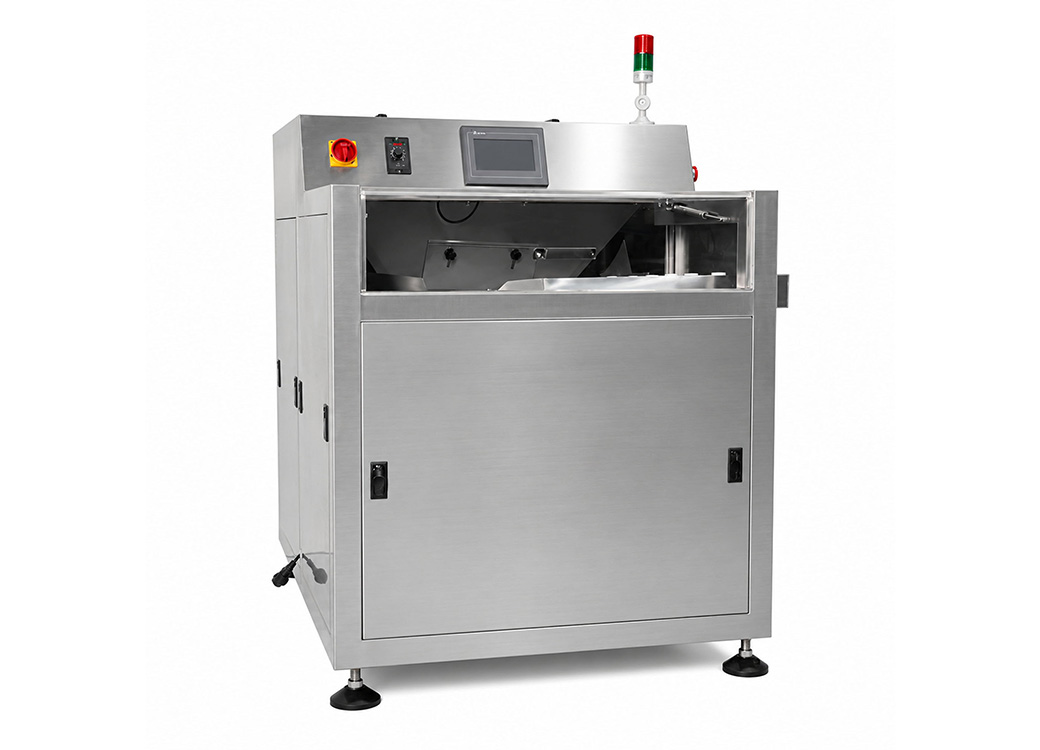
Frame and body in 304 stainless steel, structured with no dead corners where dust or debris can collect. Washes down and disinfects without disassembly.
Built Around Your Container
We size the machine to the bottle you actually run, not to a catalogue category. Send dimensions and a photograph and we confirm the model before quoting.
Start With Your Bottle, Not With Speed
Three questions decide the model, in this order.
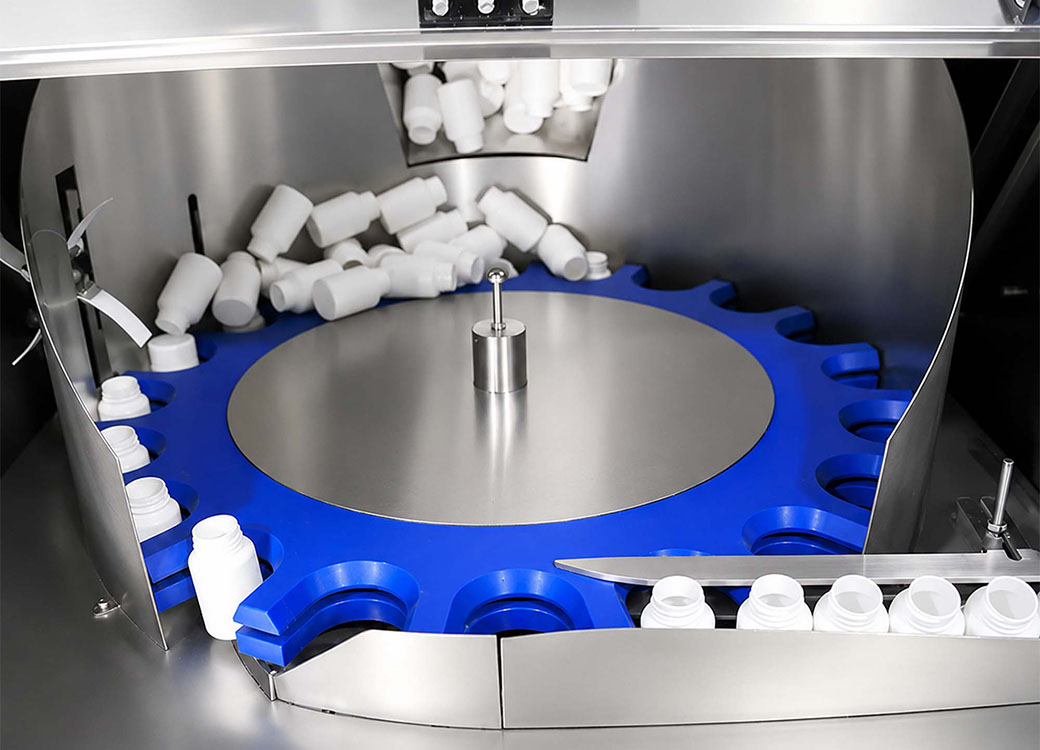
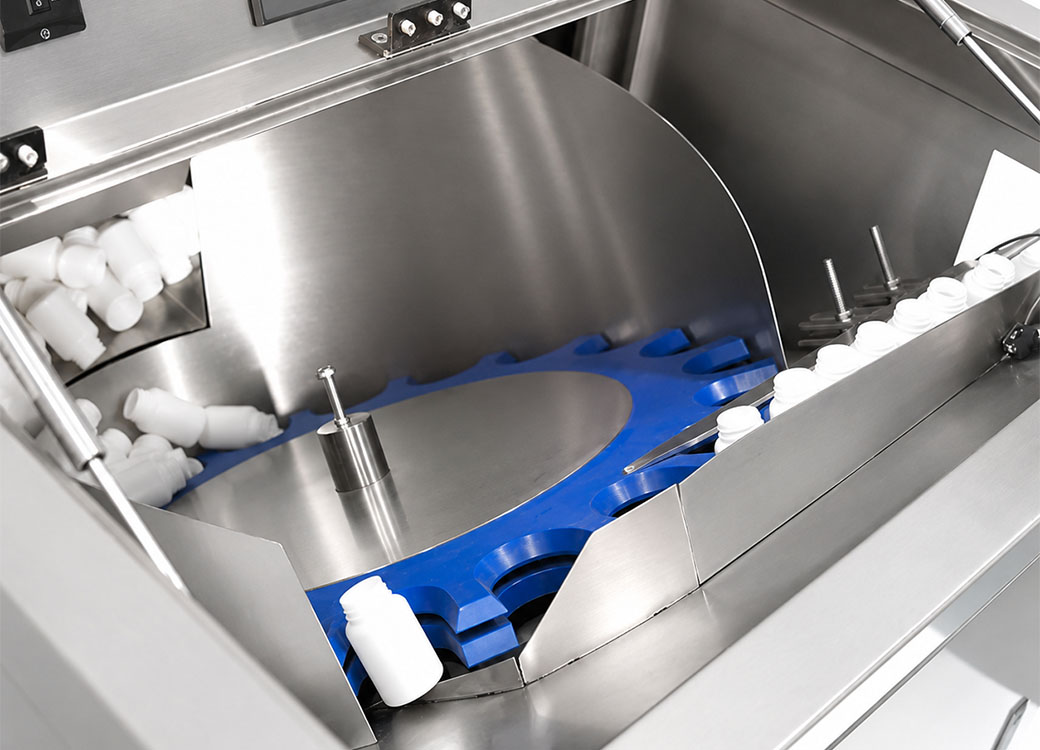
1.What is the bottle made of? Automatic unscramblers orient bottles by centrifugal motion — containers tumble against the disc wall until they settle neck-up. Plastic survives that; glass does not. Chips on the base and scuffing on the shoulder appear over a production run, and both are rejection criteria. If your container is glass, the APC-SP1 operator-fed feeder is the model, and the remaining questions do not apply.
2. What shape is it? Round bottles run on any model in the range. Square, flat-profile and irregular containers are a different problem — most unscramblers on the market orient round and rectangular shapes only, and anything else either jams or arrives misoriented. The APC-2000 is built for those geometries.
3.What volume, and how fast?Only now does speed enter. Volume sets the shortlist; throughput picks from it.
|
Bottle volume |
Model |
Output |
|
15 – 150 ml |
APC-A100 |
30 – 100 bottles/min |
|
50 – 300 ml |
APC-A160 |
60 – 160 bottles/min |
|
50 – 300 ml, higher accuracy |
APC-A160B |
60 – 160 bottles/min |
|
15 – 500 ml, any shape |
APC-2000 |
40 – 150 bottles/min |
|
15 – 750 ml, any material |
APC-SP1 |
20 – 80 bottles/min |
One thing worth knowing before you compare the numbers: the APC-2000 is rated below the APC-A160 despite being the more capable machine. That is because its rated band covers mixed bottle shapes, not because it is the slower unit on round containers.
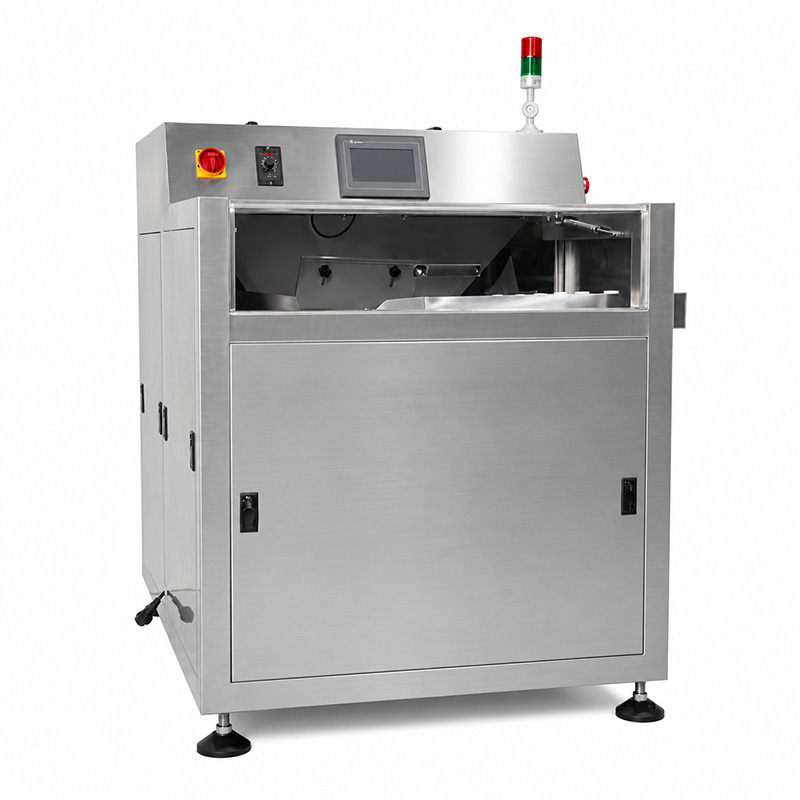
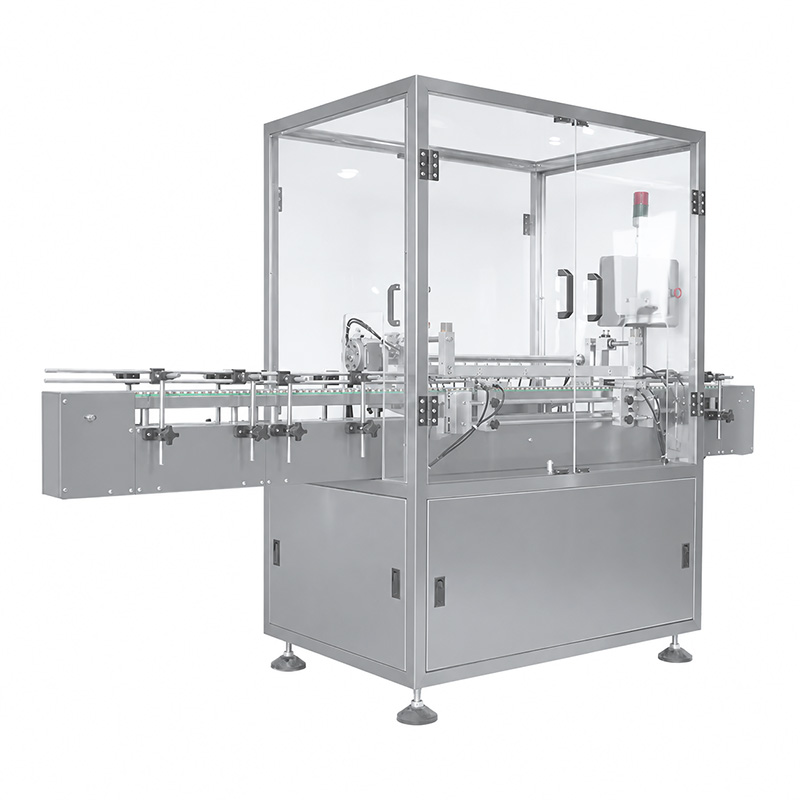
Five Models
Choose by bottle first, throughput second. Not sure? Send us your bottle dimensions and we will recommend the model.
Industries We Supply
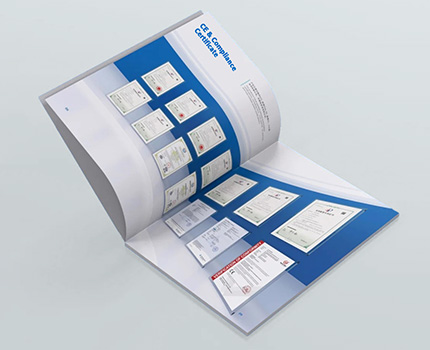
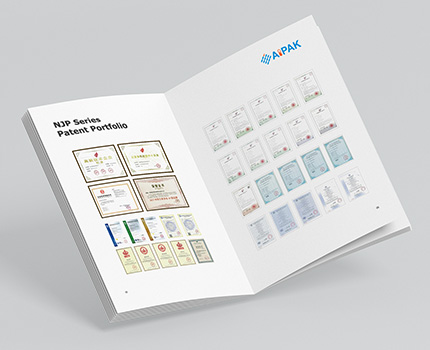
Documentation & Selection Support
Verify our quality standards and simplify your procurement process with our official documentation.
Product Portfolio
Quality Assurance
Line Layout Template
Send us your bottle — dimensions, shape and material. We’ll tell you which model, and why. Including if the answer is the semi-automatic one.
Where the Unscrambler Sits on Your Line
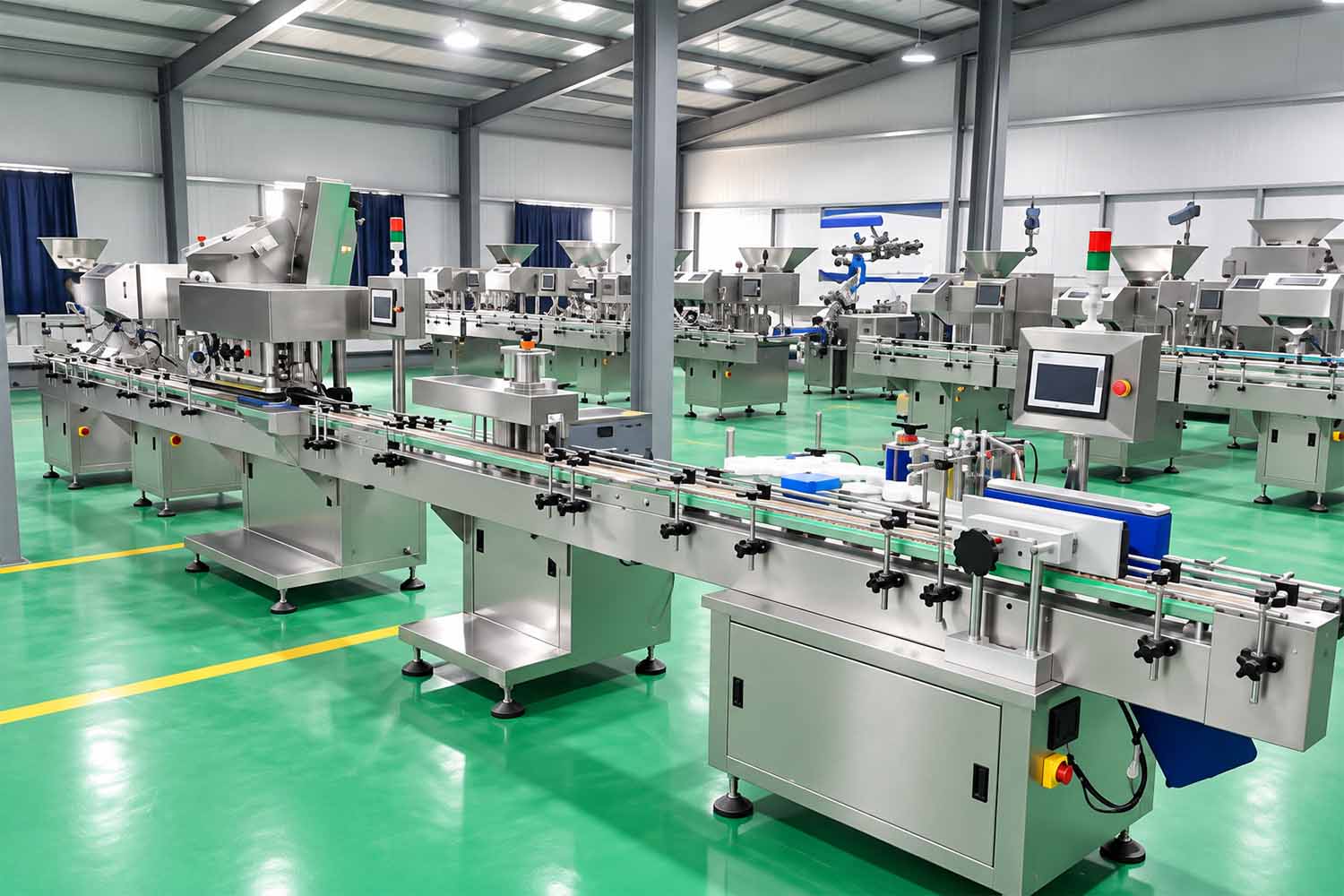
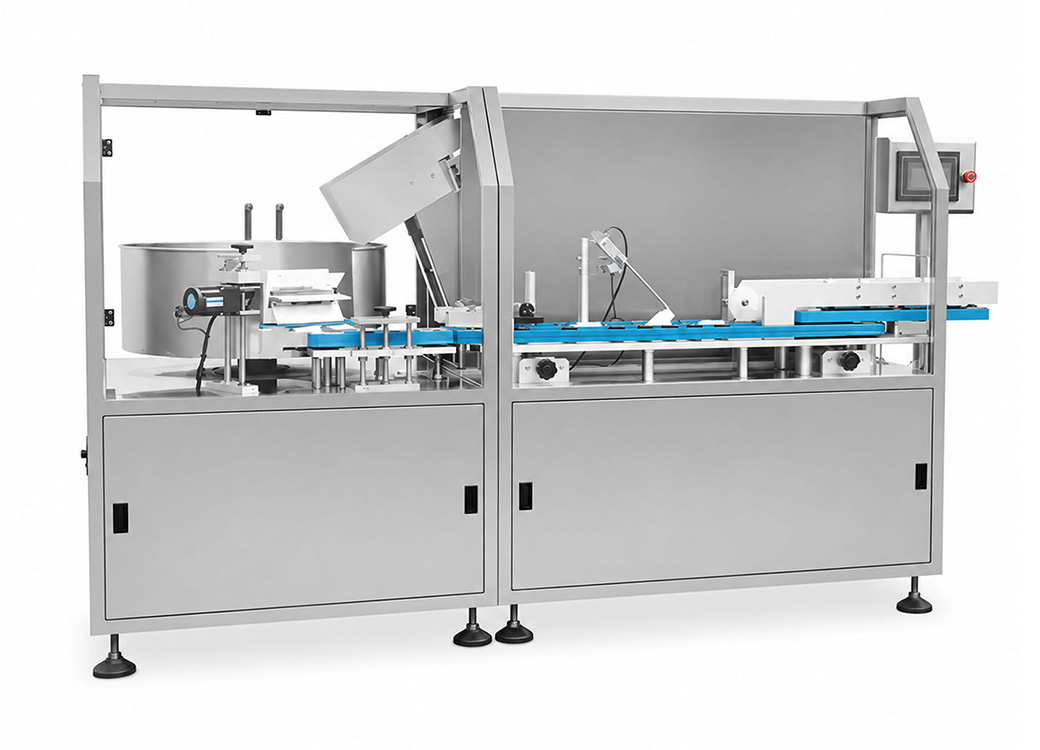
The unscrambler feeds the line, but the counting machine sets its pace. A mid-speed line runs 40 to 100 bottles per minute; a high-speed line runs 70 to 160. Both fit in under 30 m² with roughly three operators and a single compressed air supply.
You do not need to buy the whole line at once. Most customers start with the counting machine and add stations as volume grows — the counter is the one machine that has to be right from the start, because everything else is timed to it.
Desiccant or Cotton Inserter
Adds moisture control or fill material on top of the product.
Three things to check before you buy any capping machine
Whether anyone has run your bottle
Round is not one shape. A slight taper, an oval cross-section, or a moulding seam all change how a bottle behaves against the disc. Ask any supplier to run your actual bottle before you order — not a bottle like yours.
The manual
A clear English manual gets your operator running in a week instead of a month. Ask to see a sample page before you order.
Installation and training
Installed, commissioned, and your people taught to run it. Ask what's included and what costs extra.
FAQS on Bottle Unscrambler
Work through three questions in order: bottle material, bottle shape, then volume and speed. Material comes first because glass rules out automatic orientation entirely. Shape comes second because square and irregular containers rule out most machines. Only then does throughput narrow what remains. Most buyers start with speed and work backwards, which is why they end up with a machine that runs fast and misfeeds.
Not reliably. Automatic unscramblers tumble bottles against a rotating disc until they settle neck-up, and glass chips and scuffs under that treatment. For glass we supply the APC-SP1, where the operator places bottles neck-up and no tumbling occurs.
Most unscramblers orient round and rectangular containers only. The APC-2000 handles square, flat-square and irregular plastic bottles through a three-stage design that separates lifting from arranging. Send us bottle dimensions and a photograph; if the geometry is unusual we will ask for samples before quoting.
Fast enough to keep the counting machine fed, and no faster. An 8 or 12-channel counter runs at 10 to 40 bottles per minute; a 32-channel counter runs at 40 to 120. Match the unscrambler to the counter you have or plan to buy — an unscrambler can always be slowed down, but the counter cannot be sped up.
The APC-2000 requires 0.5 MPa at 0.2 m³/min. The APC-A160B uses an air jet for orientation assist. The APC-A100, APC-A160 and APC-SP1 need no air supply at all. If your line already runs a capper or sealer, the same compressed air supply usually serves the unscrambler.
On the APC-SP1, no change parts are needed at all — only adjustment. On the automatic models, guides and the outlet are repositioned for the new diameter and height. Allow 15-30 minutes for a trained operator.
Yes. Many customers buy the counting machine first and add the unscrambler when hand-feeding becomes the constraint. We also supply complete lines where every station is configured and timed together.
Bottle volume, height, body diameter and neck diameter; bottle material and shape; target output in bottles per minute; and whether you are configuring a single machine or a complete line. A photograph of the bottle is worth more than any of those numbers on its own.
Tell Us About Your Bottle
Bottle dimensions decide which unscrambler fits, and no two containers are quite the same. Send us the details below with a photograph, and our engineers will confirm the model before you order — including which of the five is right for your container.
If you already run a counting machine, tell us which one and we will match the unscrambler to its throughput. If you are configuring a complete line, send your room dimensions too and we will return a layout drawing with the quotation.