Capping Machine
Screw, Press and Press-Screw Capping for Tablet and Capsule Bottling Lines
“Your closure decides the machine. A screw cap is turned onto the thread, a snap cap is pressed on, and a press-screw closure needs both — three different mechanisms, not three settings on one.”
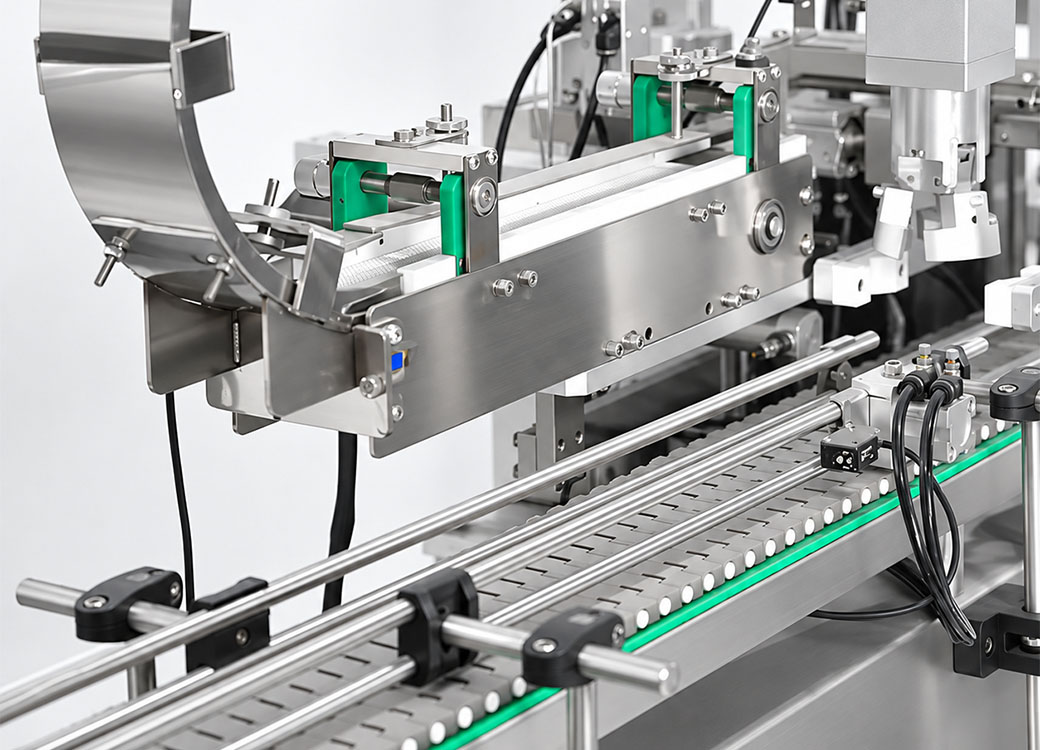
A capping machine applies and tightens the closure after the bottle has been filled, counted and, where required, given its desiccant or fill material. It is the last mechanical operation before sealing, and the point where the bottle stops being open.
Which machine you need is decided by your closure type, not by your line speed. Screw caps are rotated onto the thread by friction wheels or chucks. Snap-on caps are pressed straight down. Press-screw closures — including the push-and-turn style used on child-resistant packaging — require downward force and rotation together. The three mechanisms have nothing in common, and no machine performs all three.
AIPAK builds all three types, from 30 to 120 bottles per minute, with automatic detection and rejection of crooked caps, reversed caps and bottles arriving without their foil liner.
Why AIPAK Cappers
Matched to Your Closure
We build screw, press and press-screw machines separately rather than selling one machine with adapters. You keep the closure your packaging was designed around, instead of changing it to suit an equipment constraint.
Automatic Cap Rejection
Crooked caps, reversed caps and bottles missing their foil liner are detected and removed from the line rather than passing downstream to the sealer and labeller. A miscapped bottle that reaches the customer is a complaint; one that reaches the reject station is a statistic.
Adjustable Torque
Closing torque is set on the machine and held across the batch, so bottles are neither loose enough to admit moisture nor tight enough that a consumer cannot open them.
304 Stainless Steel Construction
304 stainless steel frame and body, no dead corners, designed for washdown between products.
Start With Your Closure
This decides the machine before any other question.
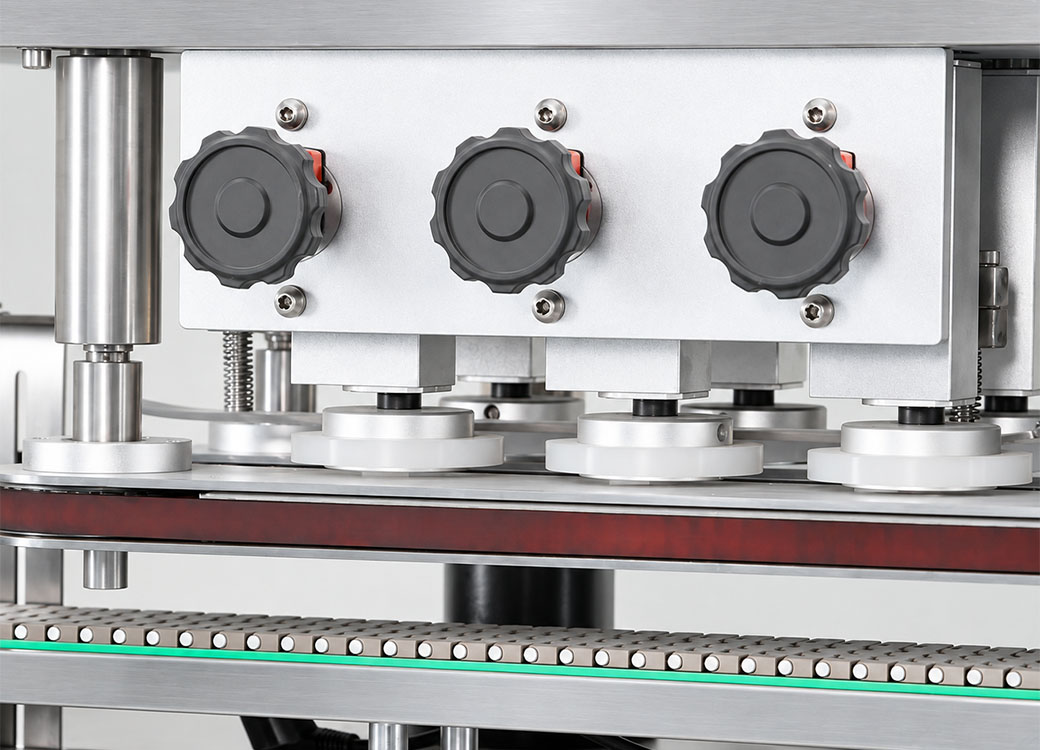
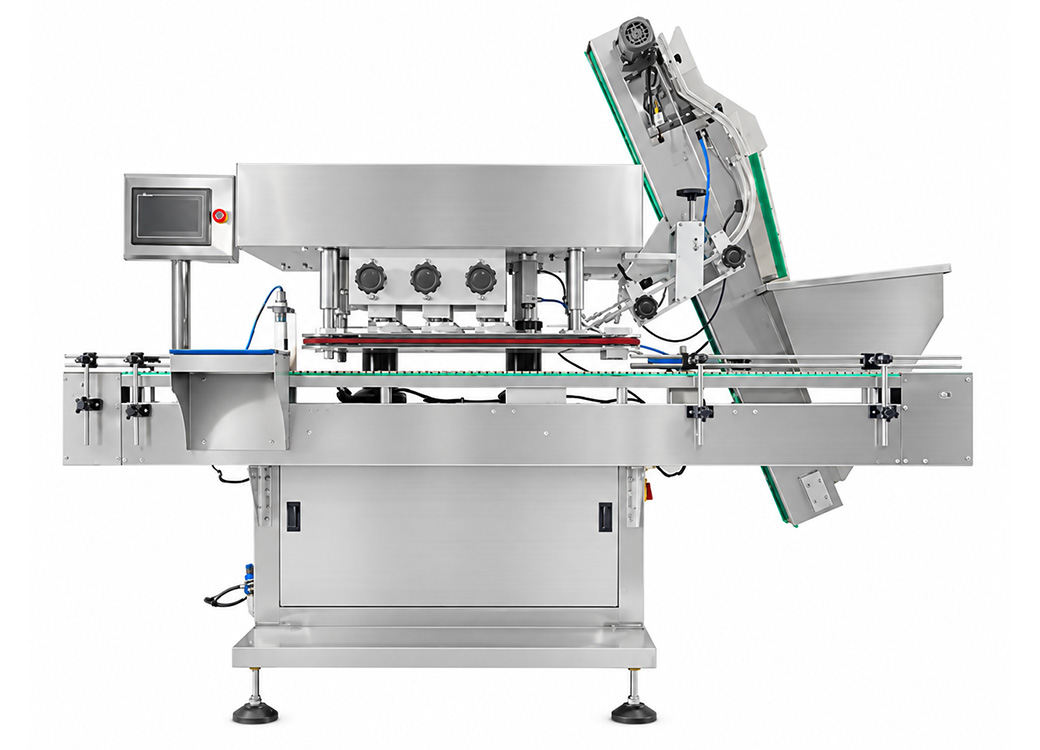
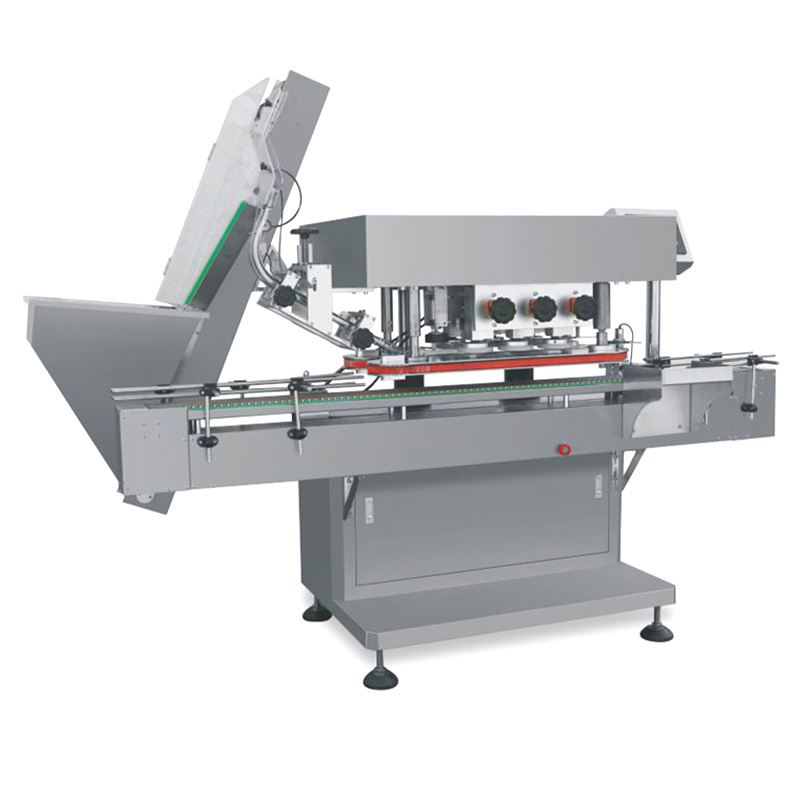
Screw caps are rotated onto a thread. The APC-D902 uses three pairs of friction wheels to turn the cap down, and the APC-D903 does the same at higher speed. This is the most common closure on tablet and capsule bottles.
Snap-on caps are pressed straight down onto the neck with no rotation. The APC-D904 press capper applies vertical force only.
Press-screw closures need downward pressure and rotation at the same time. The APC-D901 does both in one head.(This includes push-and-turn child-resistant closures, which cannot be applied by a friction-wheel capper.)
If you are not sure which category your closure falls into, send us a sample cap. It is the fastest way to answer the question, and it costs nothing.
Machine | Closure type | Output |
APC-D901 Press-Screw Capper | Press-screw closures | 30–80 bottles/min |
APC-D902 Screw Capper | Threaded screw caps | 50–120 bottles/min |
APC-D903 High Speed Screw Capper | Threaded screw caps | 60–180 bottles/min |
APC-D904 Press Capper | Snap-on caps | 40–120 bottles/min |
Match this to your counting machine. The capper follows the counter; it does not set line pace.
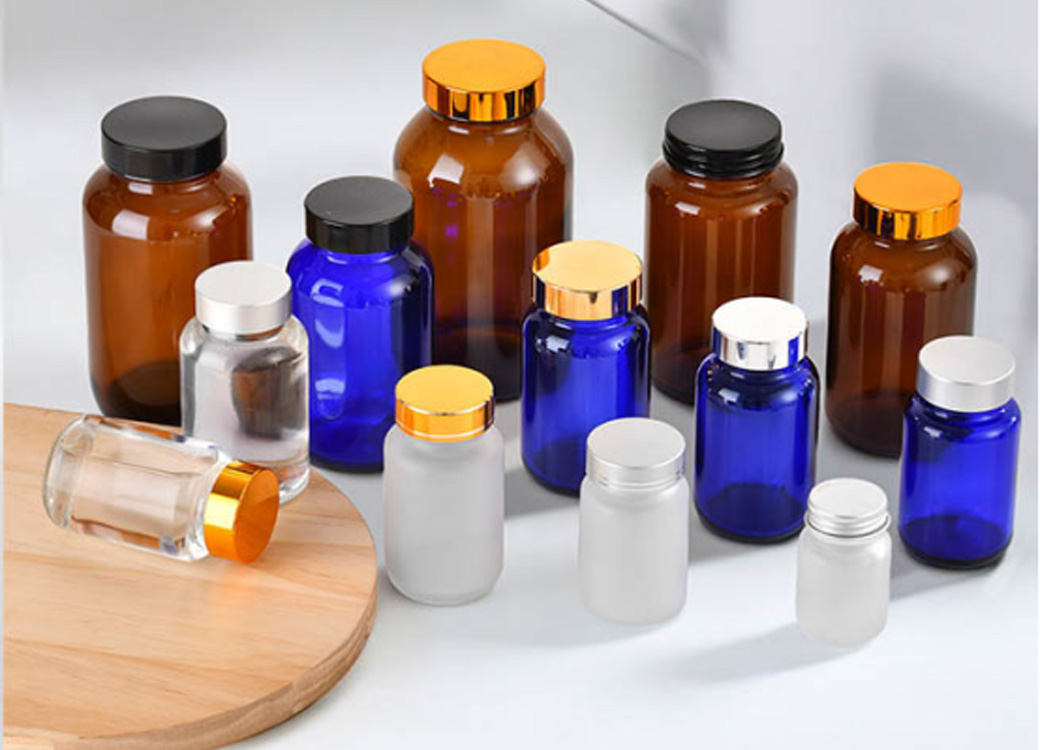
Cap diameter and height determine the change parts. Most customers order the machine with the one or two closure sizes they currently run and add tooling later as their range grows. Send cap dimensions with your enquiry — a photograph of the cap alongside a ruler tells us more than a nominal size.
Four Machines, Four Container Shapes
Industrial Applications
Where the Capper Sits on Your Line
SEVEN STATIONS, ONE LINE
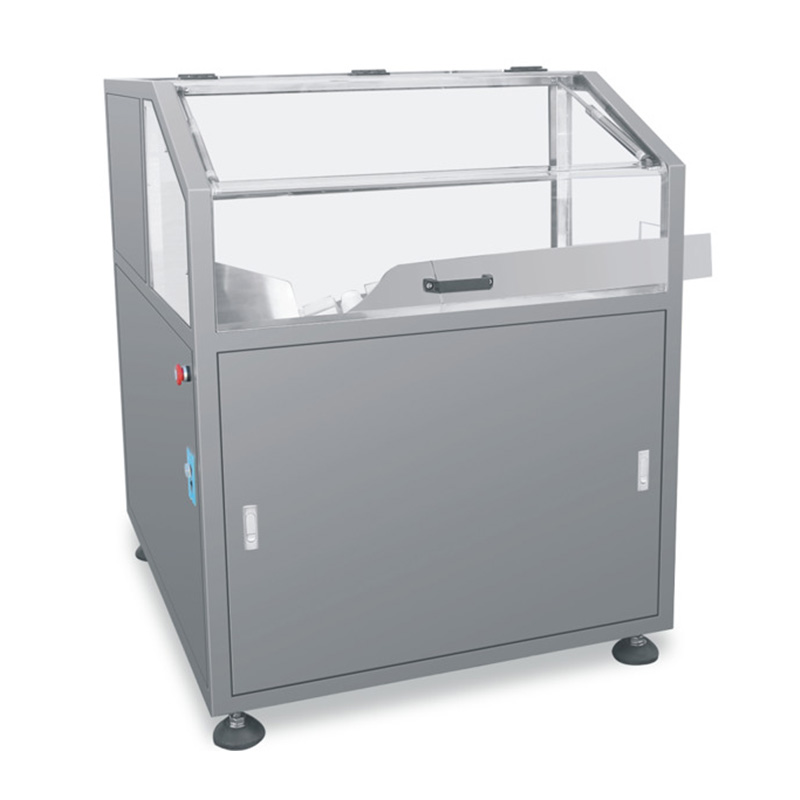
Bottle Unscramble
Inserting Machine
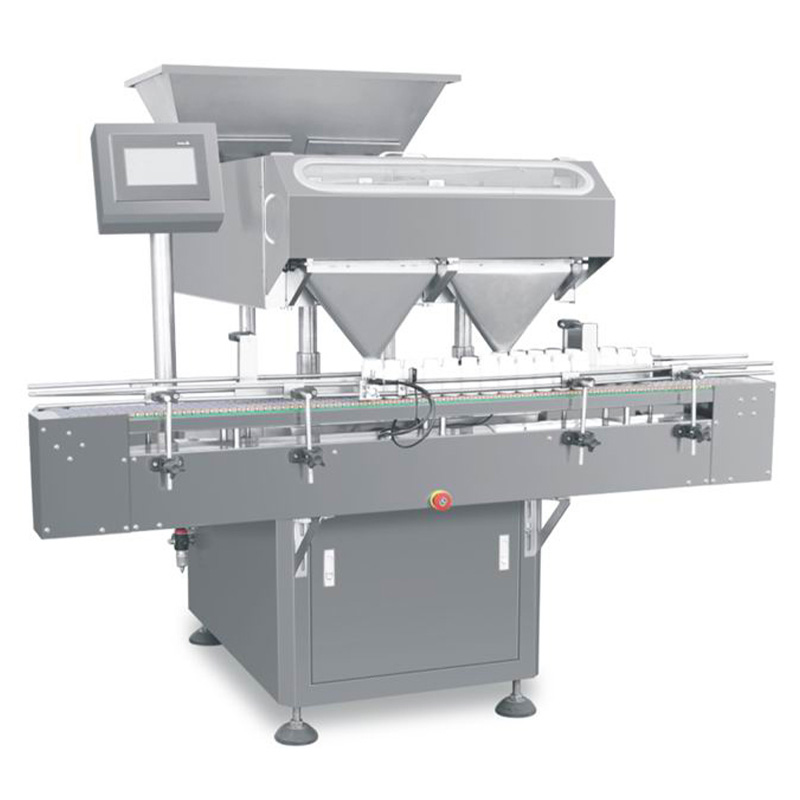
Tablet Counting Machine
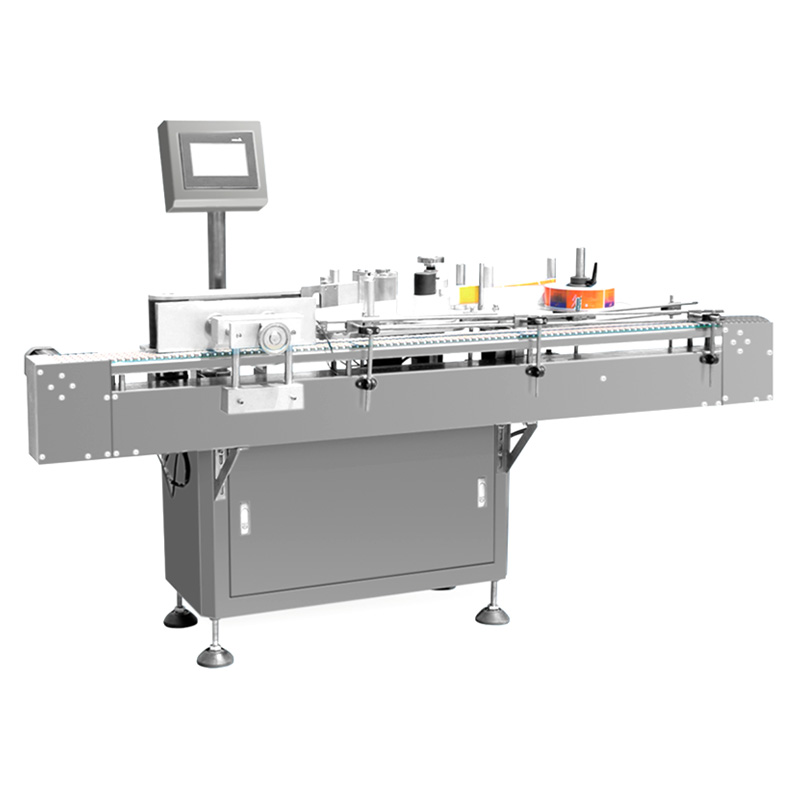
Labeling Machine
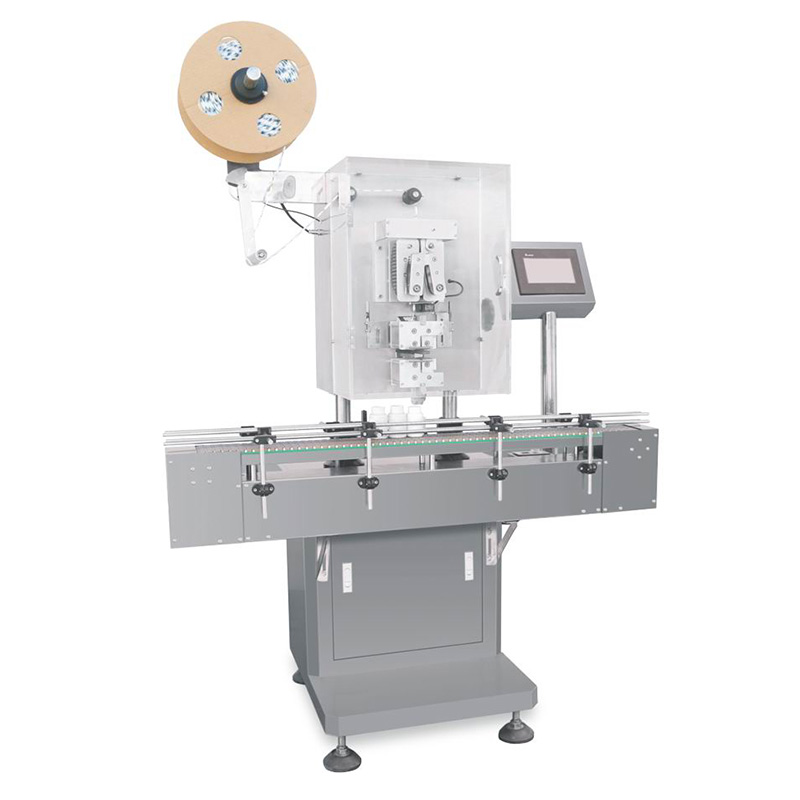
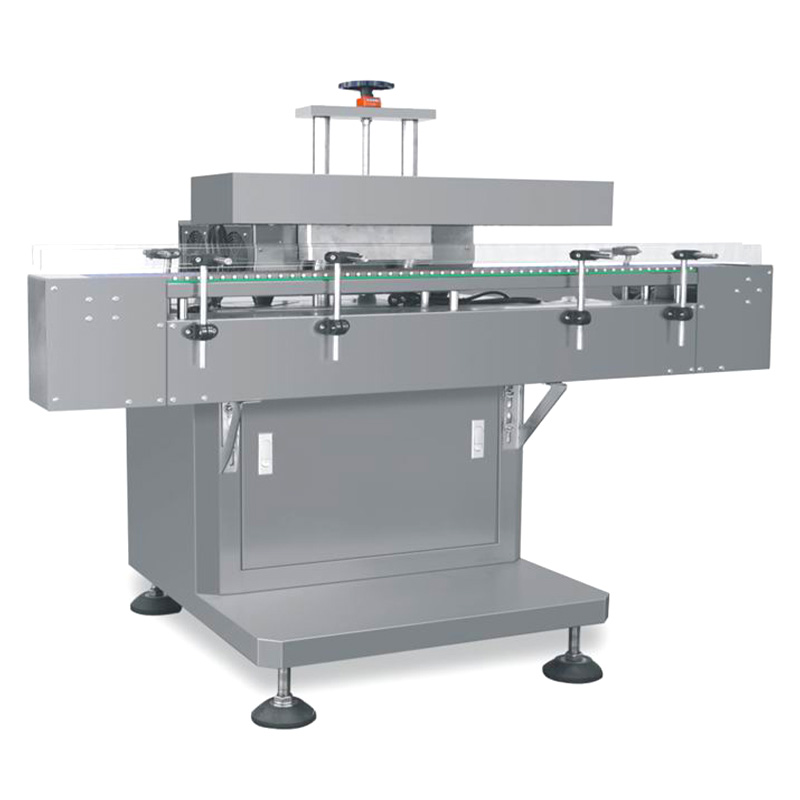
Sealing Machine
Capping Machine
The capper is station five — after the insertion station has placed the desiccant or fill material, and before the induction sealer bonds the foil liner. That order is fixed: the liner is inside the cap, so it cannot be sealed until the cap is on.
One consequence worth knowing: if a bottle reaches the capper without its foil liner, the sealer downstream has nothing to bond. This is why cap detection and rejection sit on the capper rather than on the sealer — it is the last station that can catch the problem before an unsealed bottle enters the labeller.
A mid-speed line runs 40 to 100 bottles per minute; a high-speed line runs 70 to 160. Both fit in under 30 m² with roughly three operators and a single compressed air supply.
FAQ
Screw caps rotate onto a thread and need a friction-wheel or chuck machine. Snap-on caps press straight down with no rotation. Press-screw closures need force and rotation together. If you are unsure which yours is, send a sample cap — it answers the question in a minute and costs nothing.
It is detected and rejected before the bottle continues down the line. The same detection catches bottles arriving without their foil liner, which matters because the induction sealer downstream has nothing to bond to and would otherwise pass an unsealed bottle through to labelling.
Torque is adjusted on the machine and held across the batch. Too loose and the closure admits moisture, defeating the desiccant you inserted two stations earlier; too tight and the consumer cannot open the bottle.
No. Rotating a cap onto a thread and pressing one onto a neck are different mechanical operations. If you run both closure types across different products, you need both machines.
Changing cap size requires exchanging the change parts matched to cap diameter and height.
Yes — they do different jobs. The capper applies the closure; the sealer bonds the foil liner inside it to the bottle mouth. The seal cannot be made until the cap is on, which is why they are consecutive stations rather than alternatives.
Fast enough to keep up with your counting machine. The counter sets line pace; every station after it only has to follow. Our screw cappers cover 50 to 120 bottles per minute, which matches counters up to 32 channels.
Closure type and dimensions, bottle neck finish, target bottles per minute, and whether the line already has an induction sealer. A sample cap and bottle are worth more than any specification sheet.
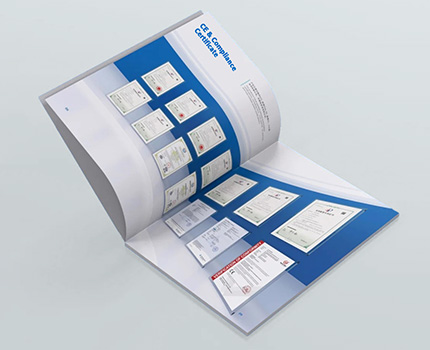
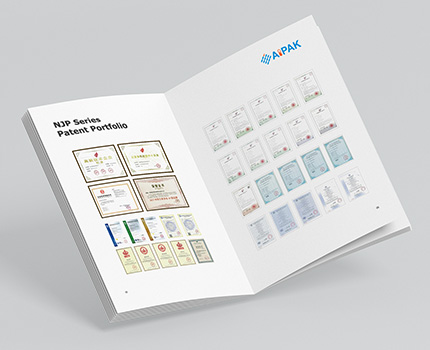
Documentation & Selection Support
Product Portfolio
Quality Assurance
Line Speed Matching Guide
Send Us a Sample Cap
Closure type decides the machine, and a photograph is often ambiguous — a press-screw closure and a plain screw cap can look identical from above. A physical sample answers the question definitively, and it is the fastest route to an accurate quotation.
Send your cap and bottle details below with your target bottles per minute. If you run more than one closure type across your product range, tell us — it usually means two machines rather than one, and that is worth knowing before you budget.