
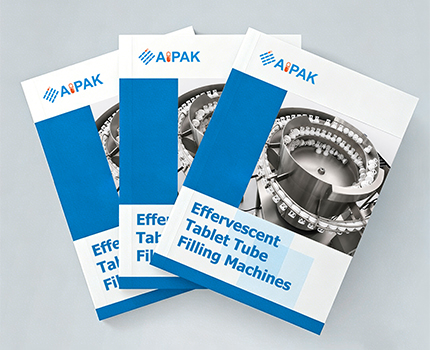
Automatic Effervescent Tablet Tube Filling Machines

Foil-Rolled or Direct-Fill, Into Straight Tubes with a Desiccant Cap

35 to 60 tubes/min
10 to 20 tablets per tube
Ø22–25 mm tablets

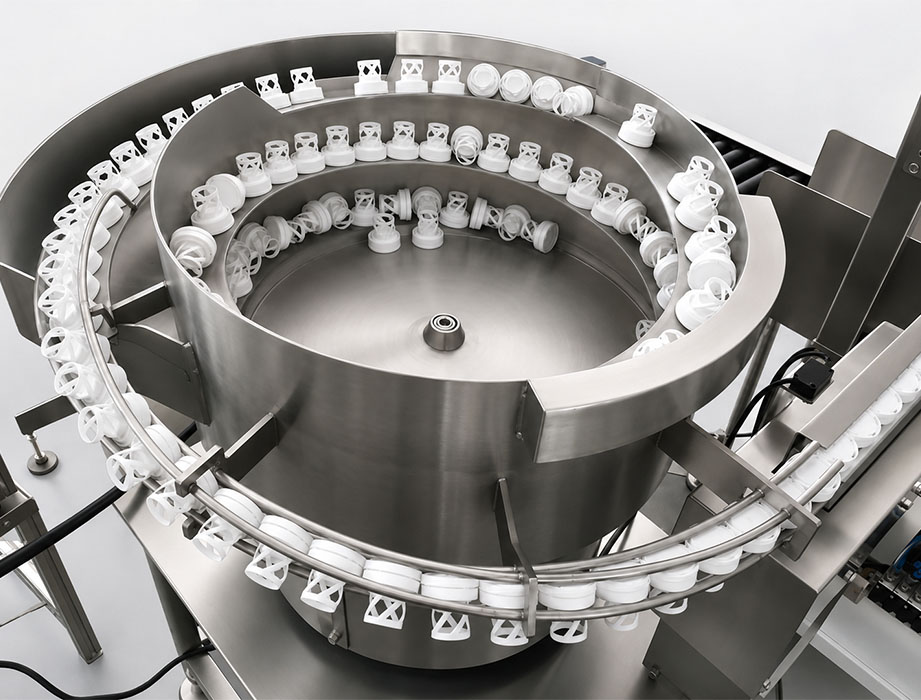
Effervescent tablets are large, brittle and start reacting the moment they meet moisture. That’s why they go into a rigid tube with a desiccant cap, and why they can’t be dropped down a counting channel like a vitamin. Our machines lay them flat, line them up in a single row, and push them into the tube on their side.

Why Tubes, Not Bottles
An effervescent tablet is 22 to 25 mm across and dissolves on contact with moisture. A wide-mouth bottle lets air in every time it’s opened, and lets the tablets knock against each other in transit. A rigid tube holds the stack in a single column with a desiccant cap on top — less air, less movement, and the consumer takes one tablet off the top rather than shaking the bottle. That’s also why the filling is different. Tablets can’t be dropped down a counting channel like a vitamin; they’re laid flat, lined up in a row, and pushed into the tube on their side.

Why Choose Our Effervescent Tablet Tube Filling Machines?

Processing fragile effervescent formulations into rigid tubes presents severe manufacturing vulnerabilities—from material fractures to cumulative stacking errors. AIPAK systems are engineered from the chassis up to solve these cleanroom pain points

Laid Flat, Not Dropped

Zero-Impact Overlapping Tracking vs. Vertical Drop Failures

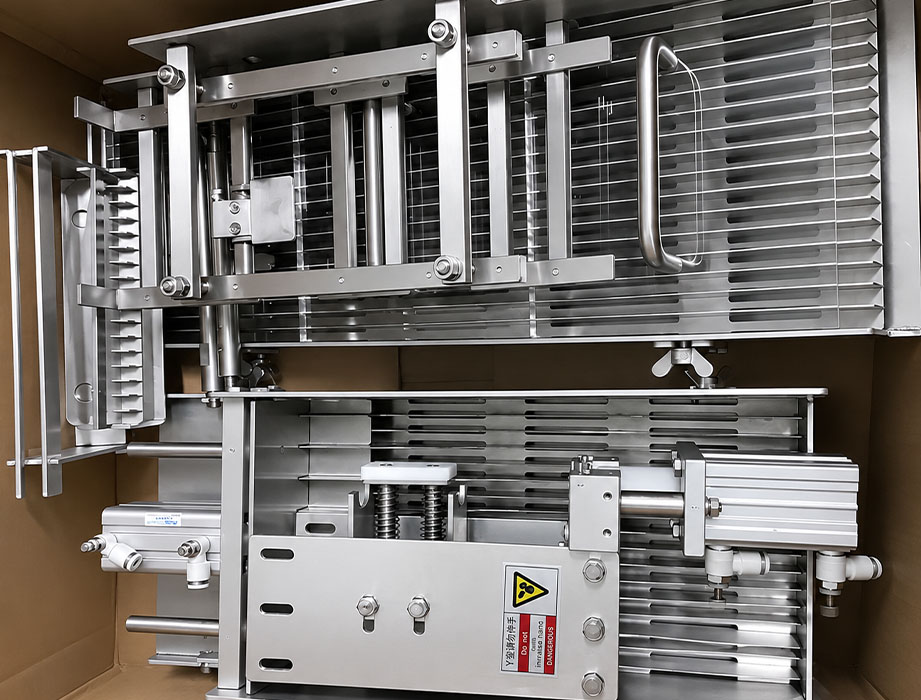
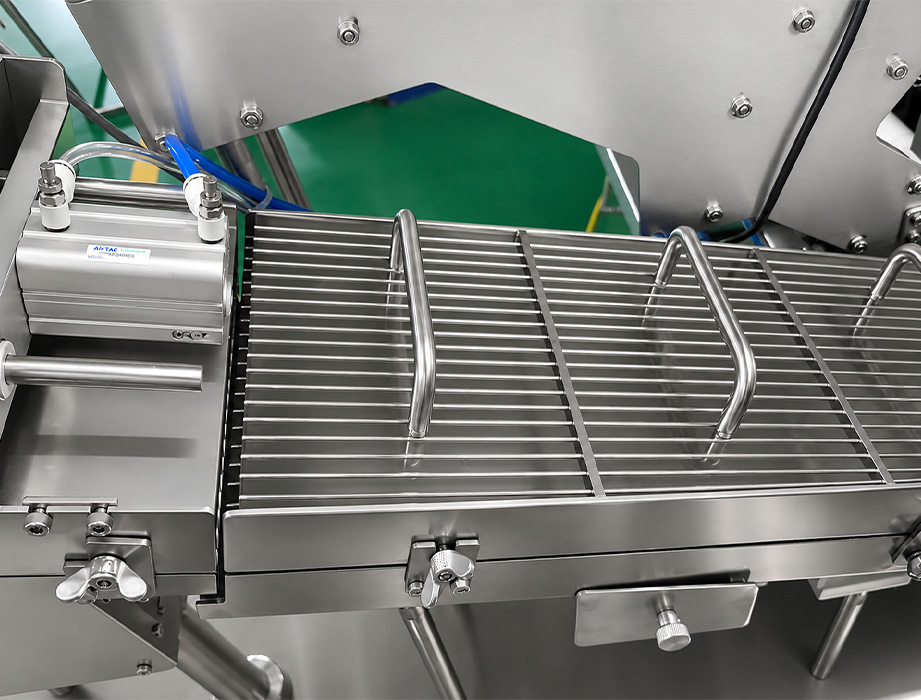
A vitamin counter drops tablets down a channel. An effervescent tablet is 22 to 25 mm across and brittle, and a drop like that chips the edge. These machines vibrate the tablets along a flat track, line them up in a single overlapping row, and push them into the tube on their side. Nothing falls.

Stepper Indexing on the 40B and 60

Digital Stepper Indexing vs. Air Pressure Drift

The 40A stops each station with pneumatic cylinders. The 40B and 60 use a stepper motor with a mechanical indexing disk, which holds position more consistently as the machine wears — and handles tablet thickness variation better.

Dust Extraction Port, 38 mm

1-Ton Vibration Isolation Chassis

Effervescent tablets shed powder, and that powder settles on the optical sensors that count them. Each machine has a 38 mm port ready for your dust extraction unit. The extractor itself is on your side.

No Tube, No Tablet, No Cap

Integrated Dust Containment Network

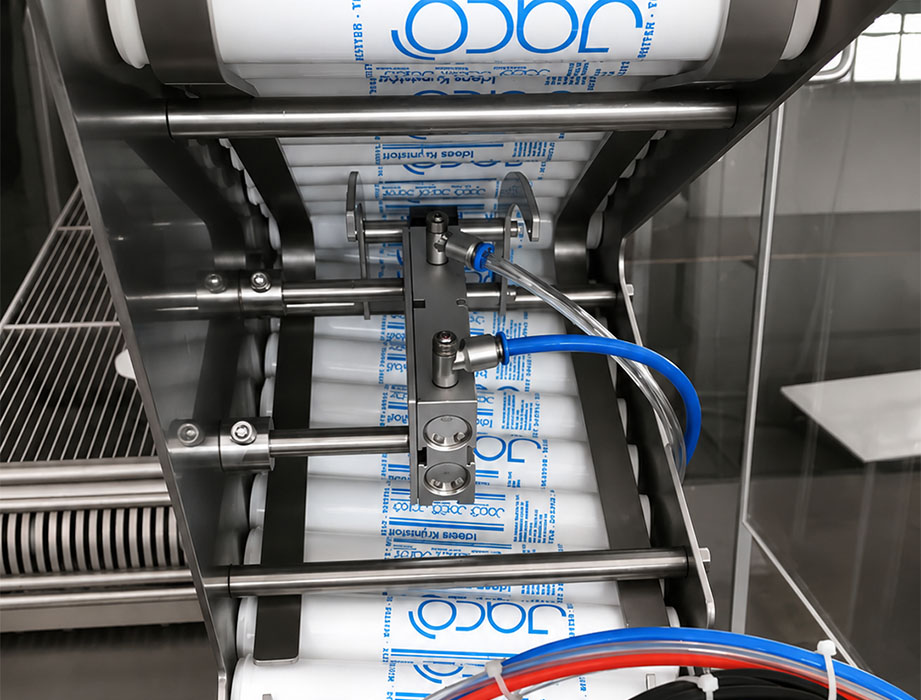
Optical sensors check each station before it acts. A tube with a short count or a missing cap is diverted out rather than passed down the line — so you’re not paying for a cap on a tube you’ll have to open again.

What These Machines Are Packing

Vitamin C and immunity effervescents
Electrolyte and hydration tablets
Magnesium and mineral effervescents
Sports and pre-workout effervescents

Model comparison

Model

What it does

Speed

Power

Air

Dimensions

Weight

APK-40A

Fills rolls into tubes, caps

35–40 tubes/min

220 V, 1.2 kW

0.5–0.6 MPa, 0.28 m³/min

1,600 × 1,500 × 1,600

420 kg

APK-40B

Same, with stepper indexing

35–40 tubes/min

220 V, 1.5 kW

0.5–0.6 MPa, 0.28 m³/min

1,600 × 1,500 × 1,600

420 kg

APK-60

Fills tablets directly, caps, rejects short counts

50–60 tubes/min

220 V, 2 kW

0.5–0.6 MPa, 0.24 m³/min

3,300 × 2,000 × 1,750

1,000 kg

APKZL-60

Labels the finished tube

60 tubes/min

220 V, 0.8 kW

—

1,400 × 500 × 1,250

320 kg

All models take 10 to 20 tablets per tube, Ø22–25 mm, 5–6 mm thick. Three things have to be true of your tablets and tubes before any of them will run cleanly — see the FAQ below.

Send us tablets and tubes before anything else

Three numbers decide whether any of these machines will run on your product: tablet hardness, thickness variation, and how much bigger your tube’s inner diameter is than your tablet.

Documentation & Selection Support

Verify our quality standards and simplify your procurement process with our official documentation.

Product Portfolio

Product Portfolio

Explore detailed technical specs and structural cleanroom layouts for our complete range of effervescent tablet tube filling and packaging solutions.
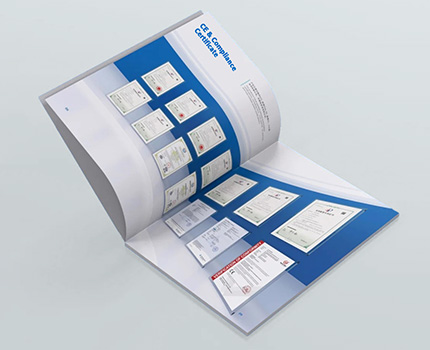
Quality Assurance

Quality Assurance

Access official CE certification and full factory FAT documentation data logs, ensuring our high-speed tubing machinery meets the highest pharmaceutical safety standards.
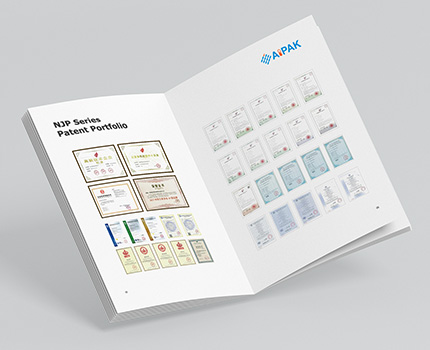
Technical Standards

Technical Standards

Gain detailed insights into the core single-row overlapping arranging tracks and digital stepper indexing technologies of our APK machinery.

Verify our quality standards and simplify your procurement process with our official documentation.

Effervescent Tablets Tube Filling Machine FAQ

How do the different models in the APK series protect delicate effervescent tablets from cracking during sorting?

All systems completely eliminate destructive vertical drops or gravity-fall counting channels. Tablets are loaded into a vibratory hopper and gently routed through flat screening tracks that line up the tablets in a single row configuration. This overlapping approach removes impact stress, directly preserving your raw formulation hardness metrics.

What are the strict physical tablet prerequisites and thickness tolerances required for smooth automated feeding?

To ensure seamless row counting and prevent cylinder alignment jams, the raw tablets must have a minimum hardness threshold of above 5kg. Additionally, to prevent stacking errors inside the channels, your tablet thickness variance must be kept tightly within a rigid limit of ±0.2mm.

How does the auto-rejection mechanism function if a tube suffers from a tablet shortage or capping anomaly?

The entire series incorporates an intelligent multi-point verification sensor array governed by a centralized PLC. If the optical fiber detection flags an incomplete tablet count or a missing cap, the machine locks the cap pressing cylinder for that container. The uncapped or shorted tube bypasses the main outlet and is automatically rejected via a separate discharge chute.

Does the tracking orbit automatically remove all broken chips, and how is formulation dust contained?

While the mechanical screening tracks naturally filter out small fine particles and powder dust, large structural tablet debris must be checked and cleared from the alignment channels. To prevent airborne dust accumulation, every machine features an integrated 38 mm vacuum connector port ready to hook up to your facility’s industrial dust extraction unit.

Can the APK-40B or APK-60 be customized for specific tablet dimensions and counts per tube?

Yes, absolutely. While the standard baseline configuration is optimized for Φ22mm – Φ25mm tablets with a thickness of 5mm – 6 mm and a 10 – 20 piece stack capacity, the entire mechanical track layout, counting rails, and cap vibrating disks can be fully customized based on your specific sample tubes and tablet dimensions.

What is the mechanical difference between the APK-40A and APK-40B in daily cleanroom operations?

The APK-40A relies on pure pneumatic cylinder linkages for mechanical strokes and station stops. The APK-40B introduces a digital Leadshine stepper motor paired with a Gaoshida mechanical indexing disk structure. This digital power drive delivers much smoother acceleration curves and exceptional multi-station tracking precision,  positioning wear over heavy production blocks.Buy the 40A if your tablet thickness is consistent and your production runs are long. Buy the 40B if you change products often or your thickness varies towards the edge of ±0.2 mm.

Can your straight tube packaging machinery handle containers where the tube inner diameter matches the tablet diameter?

No, that will cause frequent line jams. To ensure smooth mechanical pushing and friction-free automated loading into the tube mouth, the inner diameter of your straight tube or bobbin bottle must be at least 2 mm larger than the maximum outer diameter of your tablet.

Do I need the roll wrapper as well?

If you’re making rolled tubes, yes — the APK-40A and 40B push a finished foil roll into the tube; they don’t wrap it. The wrapping is done by the APK-JZ40 upstream. If you’re filling tablets directly into the tube, the APK-60 does it in one machine.

What about the desiccant cap?

Effervescent tablets need a desiccant in the cap, and the cap has to seal the tube tight. Tell us which cap you’re using and send a sample — cap feeding is set up around it.

Send us tablets and tubes

Three things decide whether these machines run on your product, and none of them is speed: tablet hardness, thickness variation, and tube clearance. Send us samples of both and we’ll check all three before we quote.

  • Reply within one business day
  • Your tablets and tubes run on the machine before you order
  • Your formula and specs stay with us
Scroll to Top