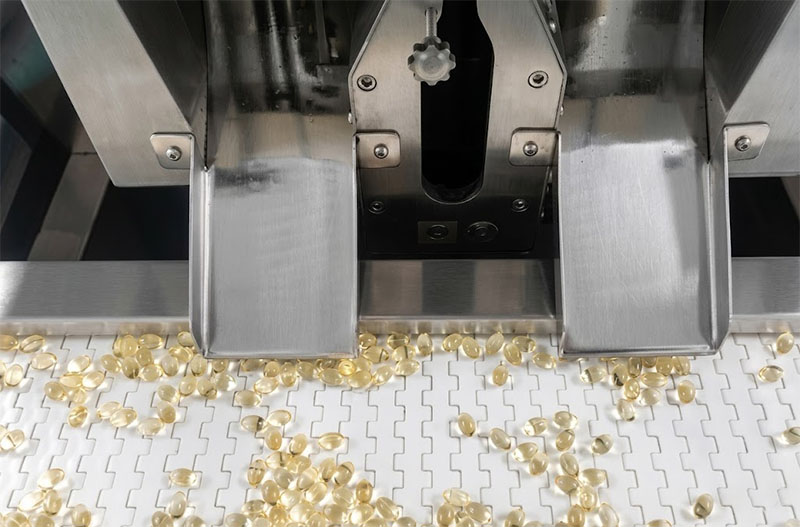
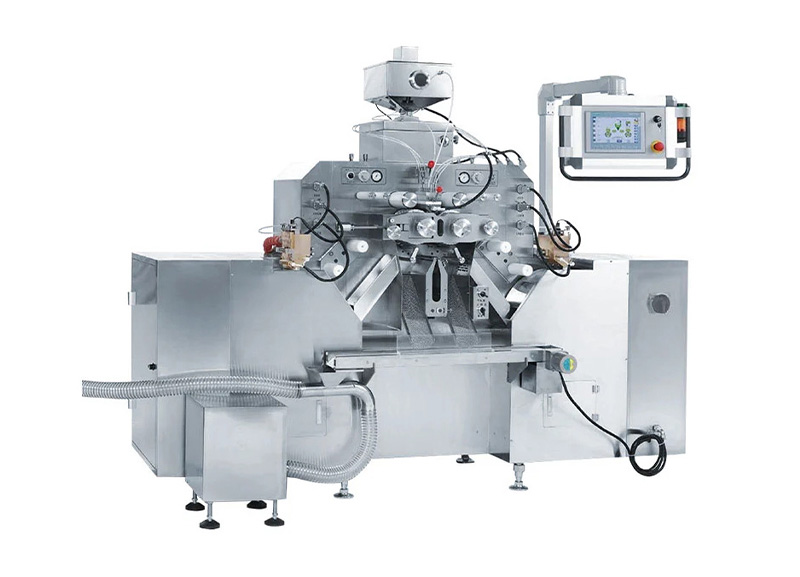
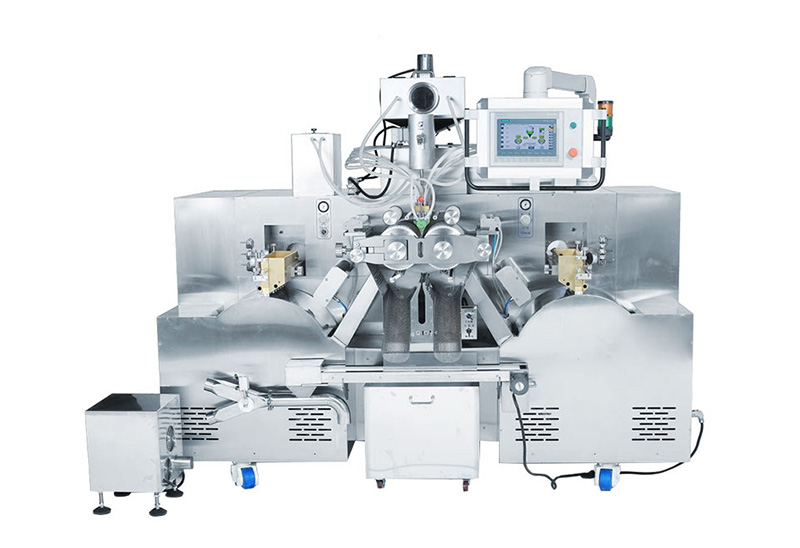
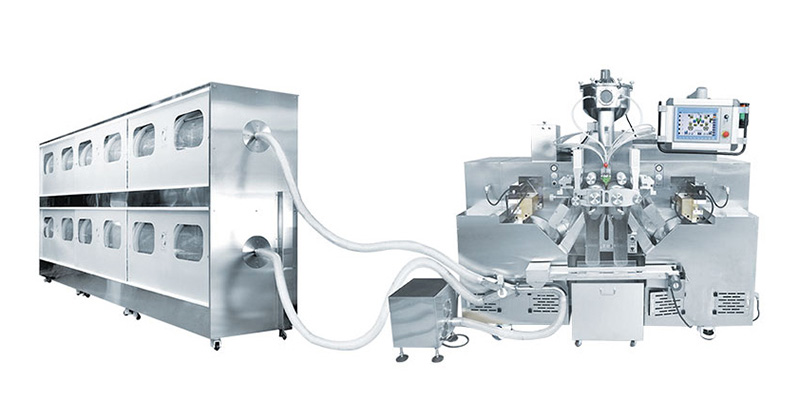
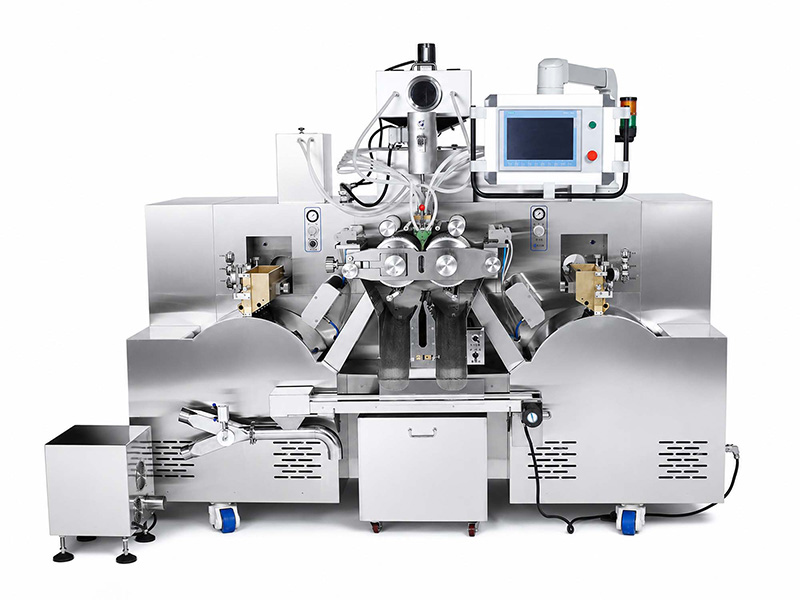
Softgel Encapsulation Machine: The Complete Buying Guide In 2026
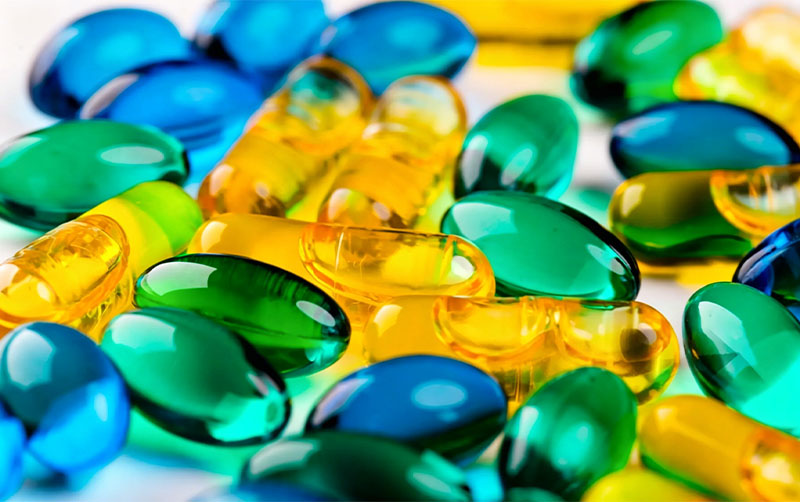
Have you ever noticed how medicines are encapsulated in a soft gel capsules? That amazing job is done by a softgel encapsulation machine.
In 2026, the demand for easy-to-swallow, soft and shiny capsules are increasing so, for manufacturing of these capsules, machine is necessary. But there are many softgel encapsulation machines available in the market, how would you know which is the right choice?
This guide will walk you through everything related to softgel machine. This will benefits you in every way, from types, working steps and to the consideration while buying. So, let’s begin:
1.What is a softgel encapsulation machine?
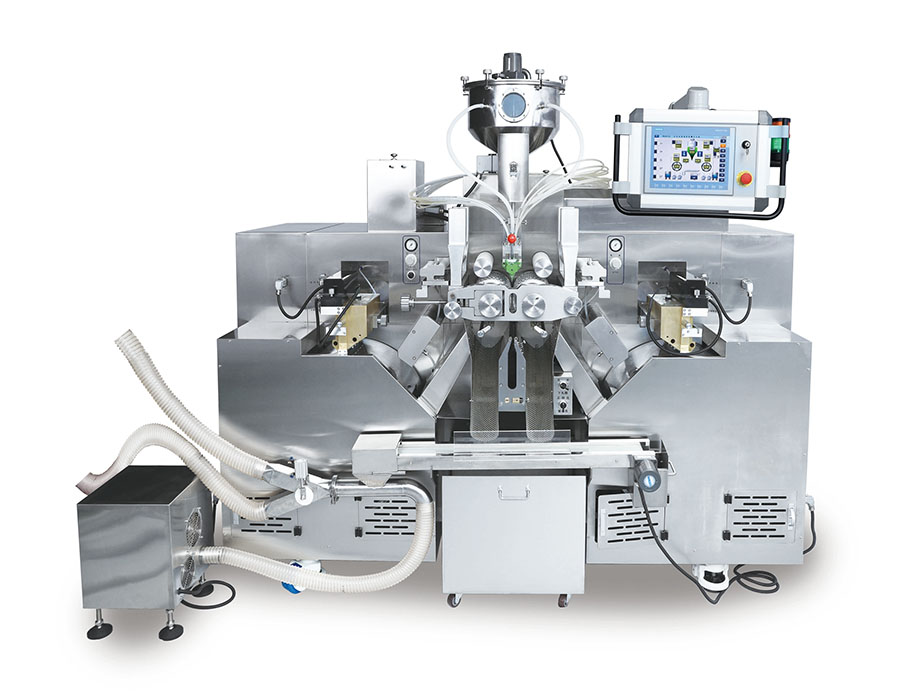
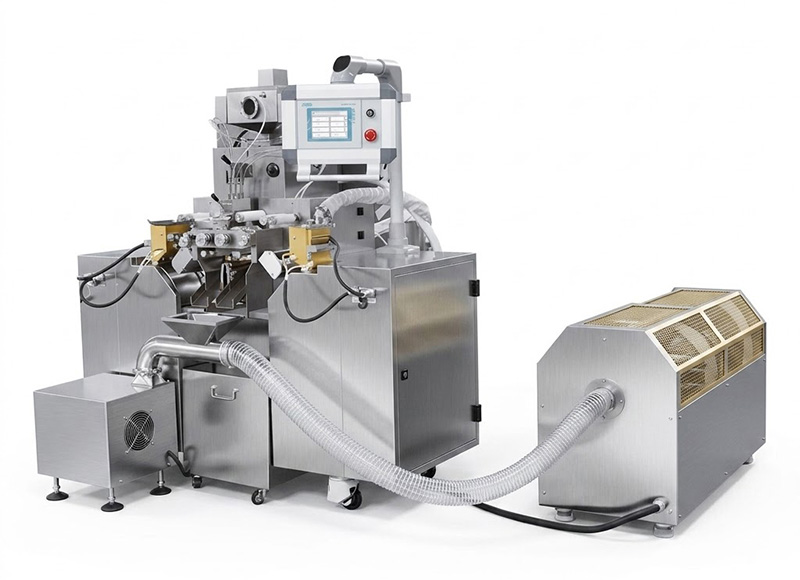
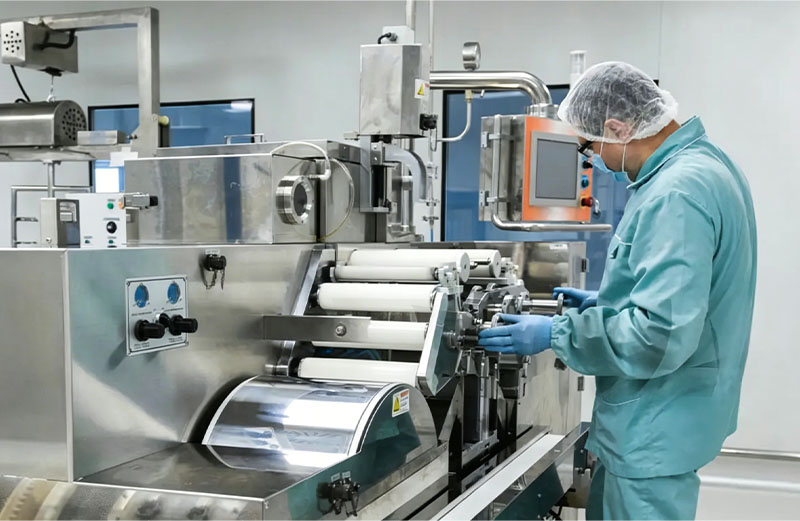
A softgel encapsulation machine is a specialized equipment that works mainly through mechanical, thermal, hydraulic and pneumatic systems. In soft gel capsules production, there is gelatin mass which is transformed in to different sized gelatin ribbons. These soft gelatin ribbons are then cut, formed into capsules and filled into desired fill material such as liquids, semi-liquids, suspensions or oils. These capsules are then sealed hermetically to prevent leakage of the liquid.
2.Why are softgel capsules widely used in pharmaceuticals, neutraceuticals, and cosmetics?
Softgel capsules are widely used in pharmaceutical, neutraceutical and cosmetics because you can achieve different advantages by using them. The main advantages are as follows:
- Soft gels are quickly dissolved in the stomach and the compounds such as vitamins and omega-3 fatty acids which are the active ingredients are faster absorbed in the stomach.
- It can guarantee the consistent fill material in each softgel capsule so uniformity is ensured.
- The softgel capsules enclose variety of fill material such as oil, pastes, and various liquid drugs. The bitterness of drugs and taste of oils are disliked by some people but softgel (covering) mask their taste and can easily be swallowed.
- Their smooth and shiny surface ensures easily swallowing of the capsules.
- The fill material is hard to oxygenate.
- The softgel capsules are available in different shapes so, their shapes and glossy appearance appeals to the consumers and elevate the business.
- The softgel capsules can be filled with oils, herbal extracts, semi-viscous liquid and viscous liquid. These products are widely used in pharmaceuticals, neutraceutical and cosmetics.
3.How does a softgel encapsulation machine work step by step?
Step 1: Gelatin Preparation:
The first step involves the gelatin shell formation which acts as a capsule shell. For its formation, you should mix the gelatin, colorant, water and plasticizer such as glycerin and sorbitol. After mixing, heat the mixture until you get thick, syrup-like mass. How would you know the exact required thickness? The sensors on the gelatin solution tank will monitor the thickness of the desired mixture. This will be the final gelatin mass. This mass should be spread on cooled rotating drums for the formation of two thin ribbons.
Step 2: Preparation Of The Fill Material:
It is the material that should be filled in the capsules. These are usually liquid, semi-liquid, specific drug ingredients and oil. Before filling, make sure that these materials have right viscosity and stability because it will then not create hindrance during flow into the capsules. You should pour the prepared fill material into the hopper and stored under specific temperature.
Step 3: Soft Gelatin Encapsulation Process:
The two gelatin ribbons start moving towards the die cutter system.
Once they reached, the fill material from hopper start pumping and injected between the two ribbons. The rotatory die cuts, form and fill the capsules.
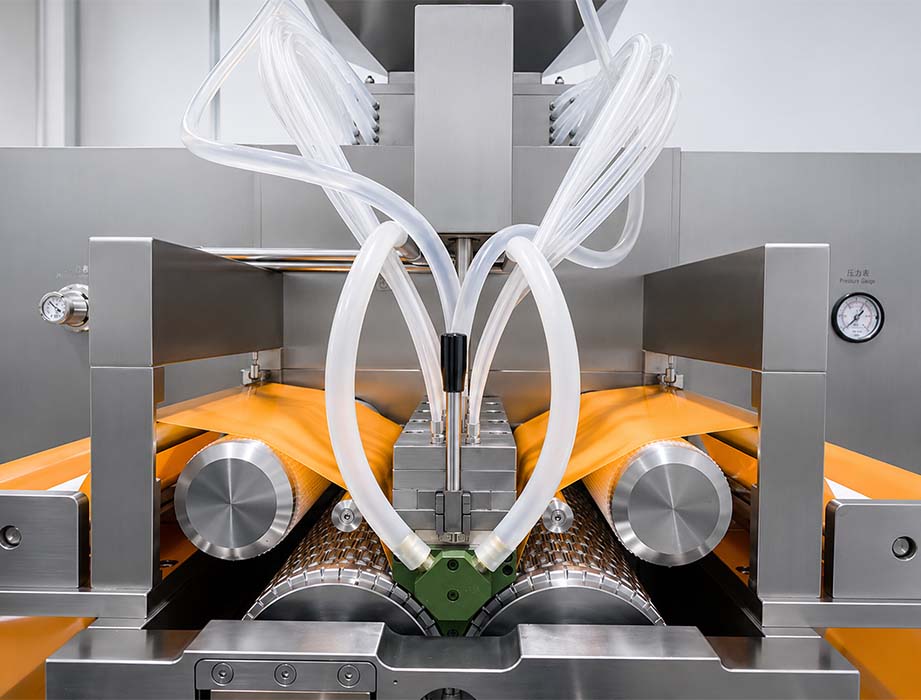
The rotary die cut and form the capsules while the wedge which is considered as the heart of the encapsulation process, injects the fill material between the gelatin ribbons and through compression force, seals the two ribbons enclosing the filled material. In this way, different shaped capsules are formed which are fully sealed.
Step 4: Processing Of Soft Gelatin Capsules:
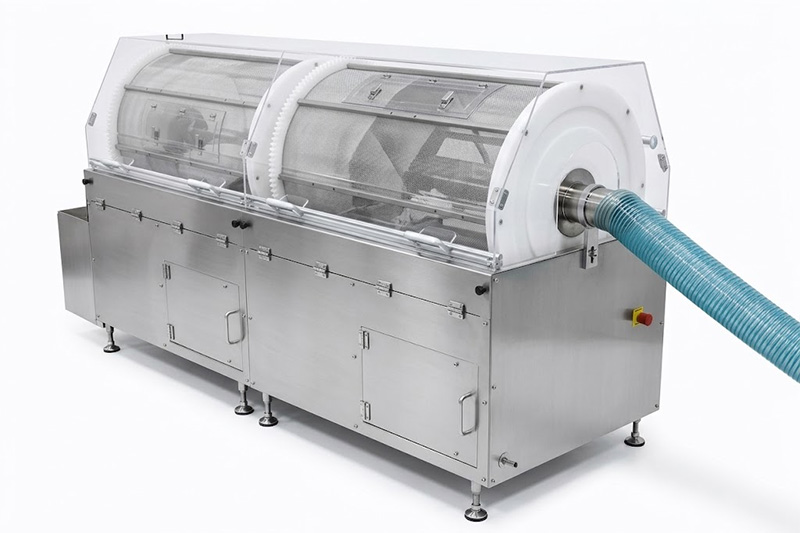
The soft gel capsules leave the system through discharge chute and transferred to the tumble dryer. As the formed capsules may have extra moisture, oil or other residual so, drying is necessary. After drying, you will get a firmed soft gel capsules. These are then transferred to the polisher where they polishes and followed by the counting machine where they are counted.
4.What are the key components of a softgel encapsulation machine?
The key components of a softgel encapsulation machine are as follows:
Components | Images |
Water chiller: Most softgel encapsulation machine has water chiller system .This provides a chilled water to the heat sensitive areas and overheating is prevented. This ensures the optimal temperature for the gelatin ribbons. | 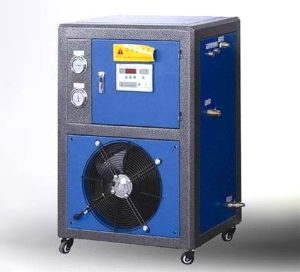 |
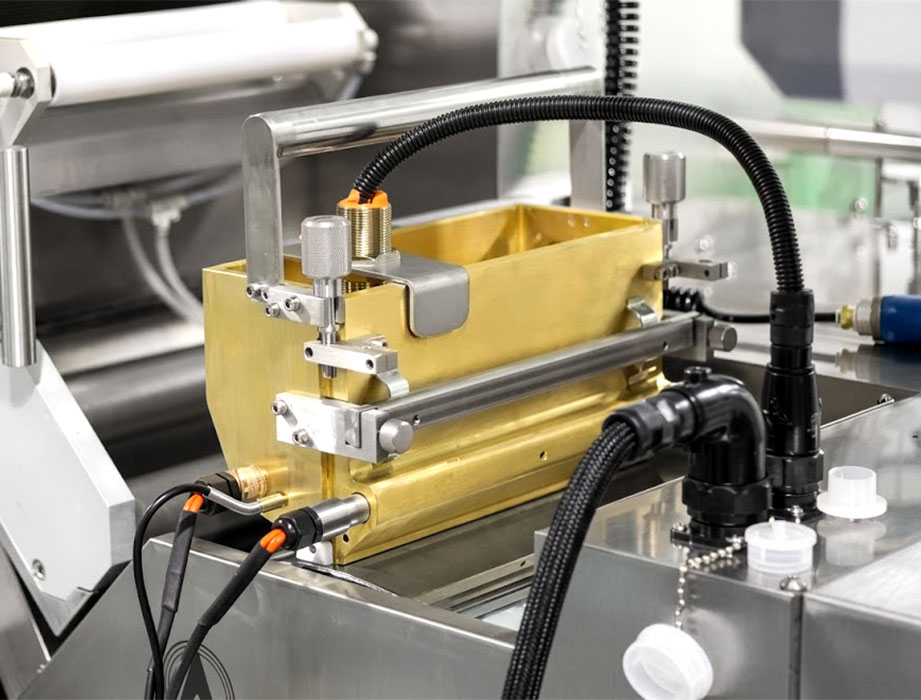
Spreader box or gelatin box : This holds and spread the gelatin mass into thin ribbons ensuring a control temperature. | 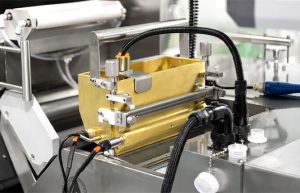 |
Wedge: Injection wedge are between the die rolls. It heat up the gelatin ribbon during the fill material injecting into the capsules. | 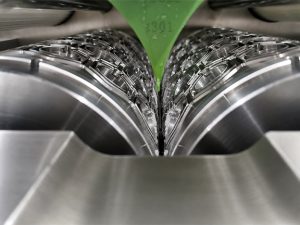 |
Lubrication roller: This apply the vegetable oil as lubricants to the gelatin ribbon and prevent them from sticking to the die rolls and ensures proper sealing. | 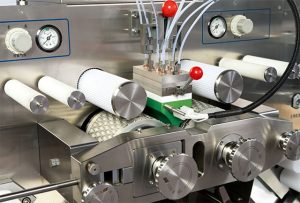 |
Rotary die (die rolls): These are cylindrical in shape which is made up of aluminum alloy, can cut, form, fill and seal the capsules. These all are done in one step. | 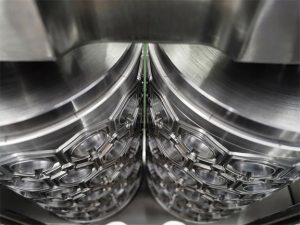 |
Material feeding pump: It inject the fill material into the gelatin ribbon. The servo-motor system ensures the consistent volume fill in each capsule production. | 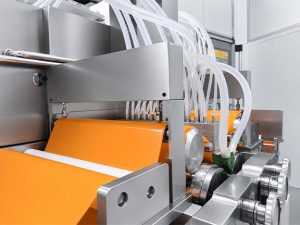 |
Mangle conveyor: As the name suggest, it transfer the gelatin ribbon from spread box to the die rolls. | 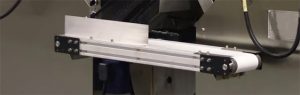 |
Capsule blower: After the softgel capsules formation, these are transferred into the dry tumbler for drying. | 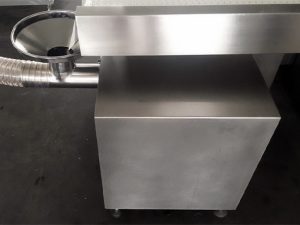 |
Tumble dryer: The newly formed capsules are sticky but tumble dryer removes the excess moisture from those soft gels and give them a proper shapes. | 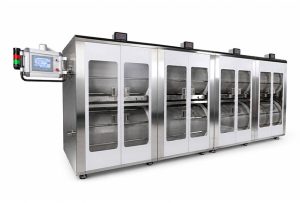 |
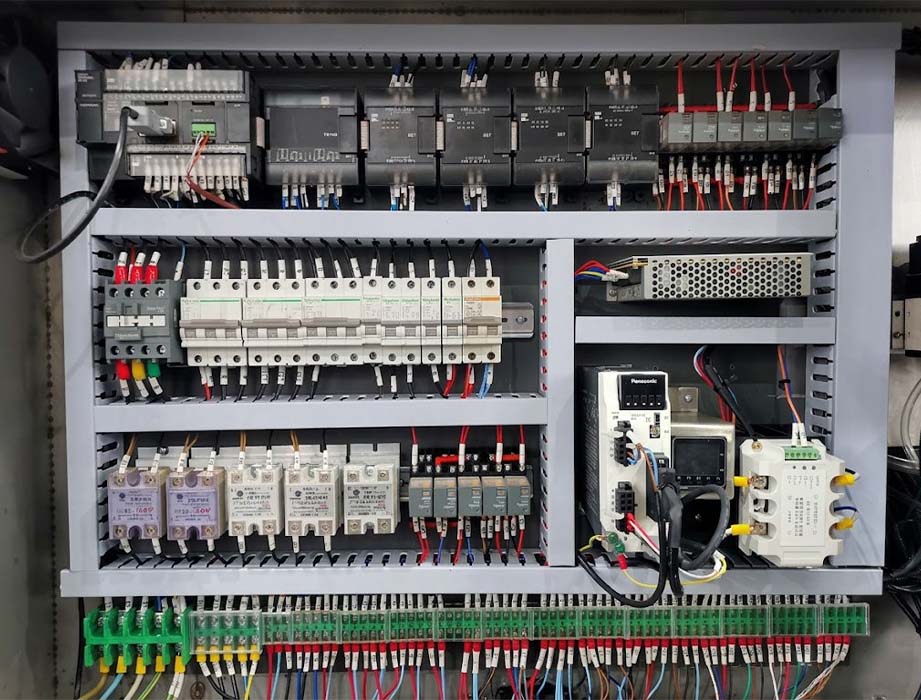
Electric cabinet of main machine: This part plays the role of brain in the machine. It can control all the machine system, installed on the main machine. | 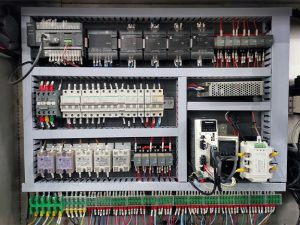 |
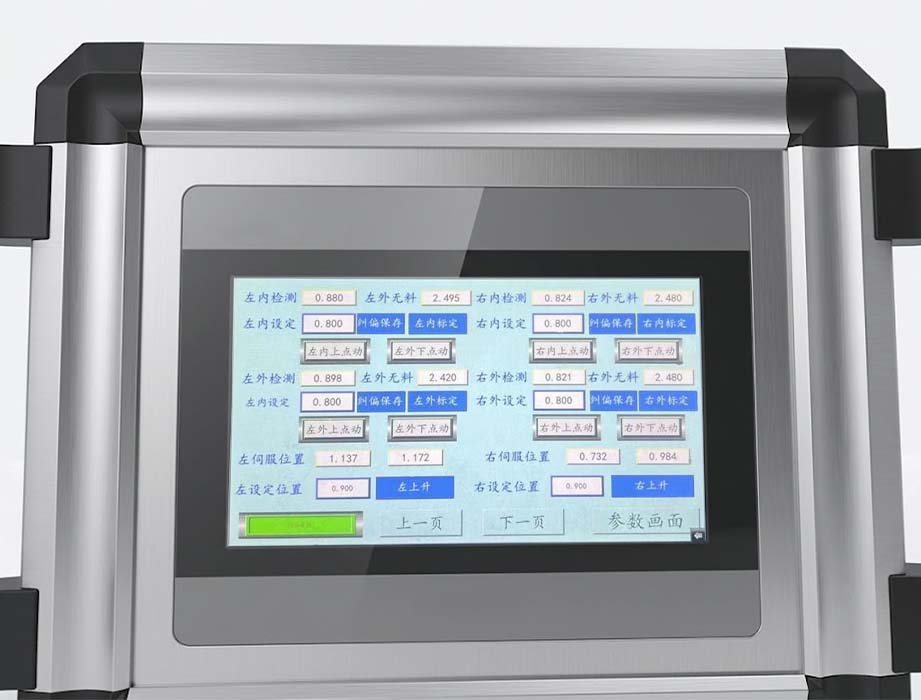
PLC and touch screen: This is the screen where you can adjust the volume of fill material, temperature, compression pressure and other systems. It can make different languages. | 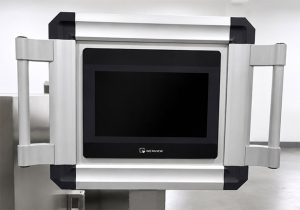 |
5.How is the gelatin shell formed and filled simultaneously?
The gelatin shell formation and filling occur simultaneously, as the two gelatin ribbons come together to the rotary die section and meets the wedge. This is the point where the fill material inject through a pump by the wedge between the two ribbons. The dies are in motion and apply pressure and heat (temperature depends on the gelatin used, either it is plants based or animal based) from the wedge onto the ribbons around the fill. Due to applying of pressure, each capsule is hermetically sealed. It should be noted that each die roll determines the shape and size of the capsules.
6.What are the commonly used softgel encapsulation machine model in the market now?
You may see a lot of softgel encapsulation machines according to various parameters. These are as follows:
Type of end product:
Machines are designed to make different shaped capsules such as paintball capsules, pharmaceutical capsules, neutraceutical capsules, and CBD oil soft gels. Different consistency of the fill materials are used in various industries so the design of die roller, gelatin formulation and filling injection system may vary.
Level of automation:
On the basis of level of automation, these are classified as fully automatic and semi-automatic machine.
Fully automatic machine can handle all the task and have integrated system while semi-automatic machine require operator involvement.
Production capacity:
On the basis of requirement of the softgel capsules, they are divided into three categories. If you want a startup, then small scale softgel encapsulation machine is suitable while for growing companies, you can invest in medium scale machine. On the other hand, if your industry is well setup and wants to produce thousands of capsules in a day, you should definitely invest in large scale softgel encapsulation machine.
Size and application:
Are you looking for testing new formulation before startup on large scale? Then R&D softgel encapsulators are suitable for you.
For research and development or for educational purpose, then you should invest in benchtop machine due to its compactness.
7.Which model is suitable for startups, medium production, and large pharmaceutical companies?
AIPAK offers you different models for different purposes for your companies. These are as follows:
For startup:
SEM-100II Softgel Encapsulation Machine is suitable for small laboratories or research institutions. It meets the GMP standards and can be used in pharmaceutical and healthcare factory, food factory test equipment and many other factories.
For medium production:
This machine is suitable for small laboratories or startup. It meets the GMP and ISO system. It can produce 27,600 – 115,200 pieces of soft gel capsules per hour.
This model is suitable for medium production of softgel capsules. You can get various size, shape and color of capsules by using this machine. It can produce 66,240 – 172,800 pills per hour.
For large scale production:
AIPAK offers you the following model for large scale production.
SEM-250-IIIA (SERVO) Softgel Encapsulation Machine inject different fill materials into different sizes and shapes capsules. This ensures the product easy to swallow, hard to oxygenate and easy to store. Due to its high productivity, it is used by many industries.
8.What products can be produced with a softgel encapsulation machine (oils, suspensions, vitamins, CBD, cosmetics)?
There are various products used across various industries like pharmaceutical, neutraceutical, and cosmetic industries. These include:
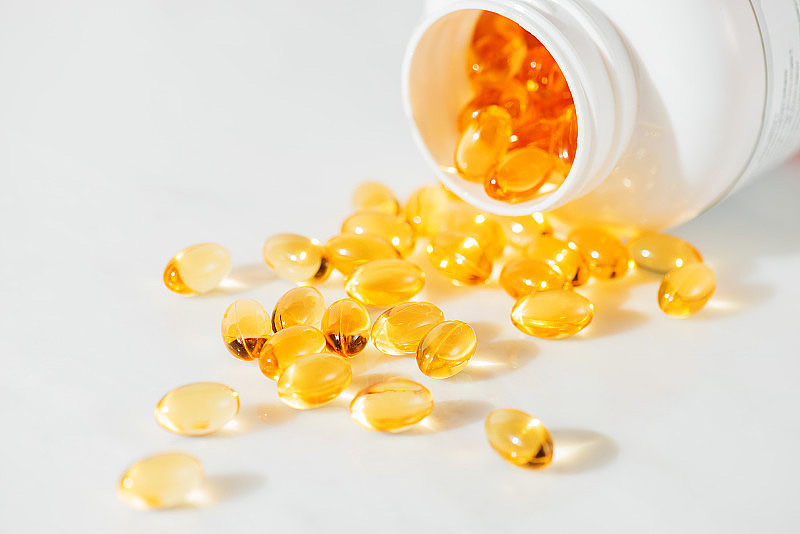
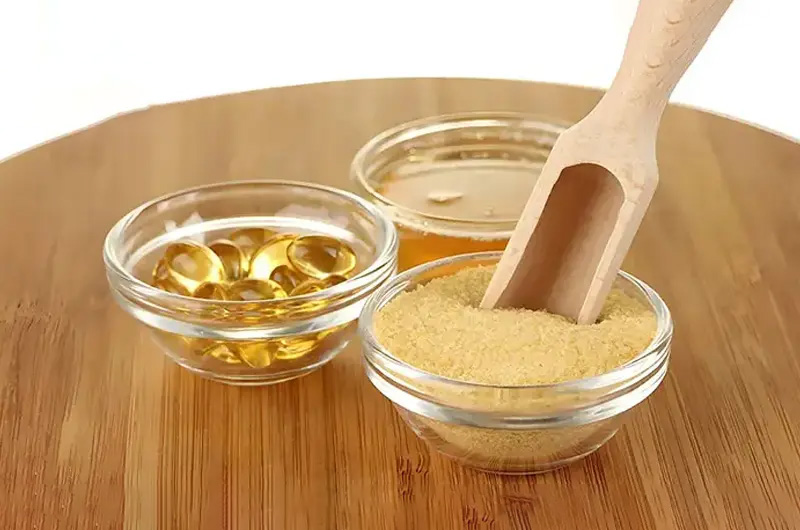
- Oils and vitamins: This include softgel capsules of fish oil, flaxseed oil, essential oil, omega-3 supplements, vitamin A, D, E and K., and other dietary oil.
- Pastes and suspensions:Softgel capsules of plant based suspensions, herbal extracts and semisolid formulations.
- Pharmaceutical products: Calcium softgel capsules, collagen softgel capsules, and probiotic soft gels.
- Cosmetic and personal care products:Beauty serums, skincare oils, hair treatment oils.
- Specialty applications: Paintball capsules, veterinary supplements, and food ingredients like garlic soft gels, green tea extracts
9.Which industries benefit the most from softgel encapsulation technology?
Almost every industry can get benefit from using softgel encapsulation technology but here are some industries that can get most benefited by using this machine.
Industries | Images |
1. Pharmaceutical industry: Softgel capsules are widely used in this sector so, softgel encapsulation machine plays an important role. As this machine operates in clean and safe way so, maintenance of API is assured and you can synthesis thousands of capsules in controlled environment. | 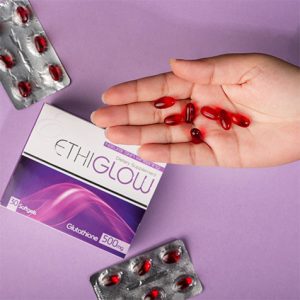
Pharmaceutical capsules |
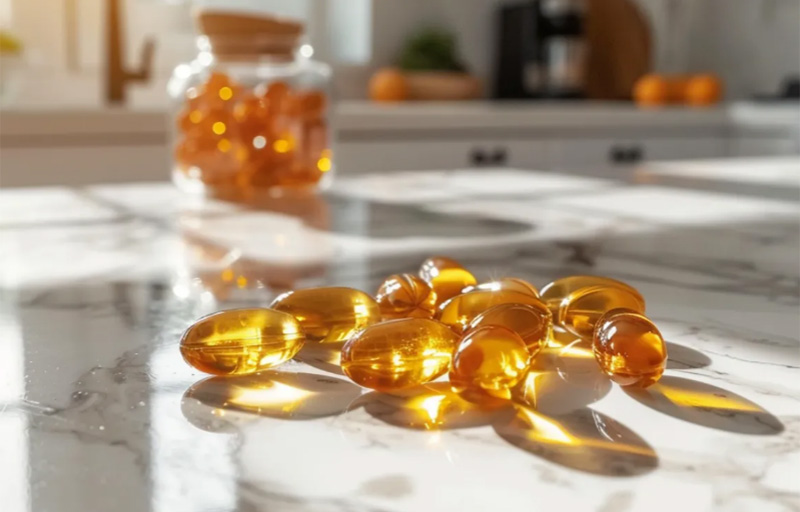
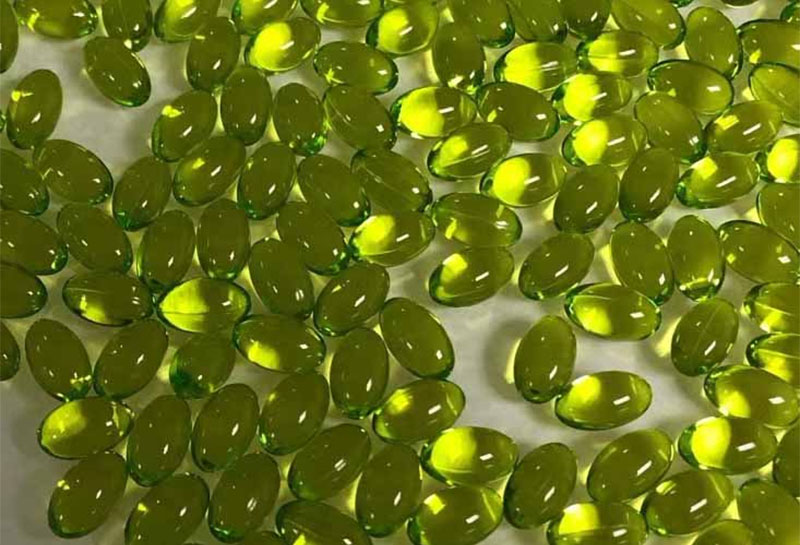
2. Neutraceutical industry: Neutraceutical industry make capsules that can help to boost your immune system. The products such as green tea extracts, gut health supplements, fish oil soft gels, and fortified cereals are encapsulated in soft gelatinous capsules which are easier to use. | 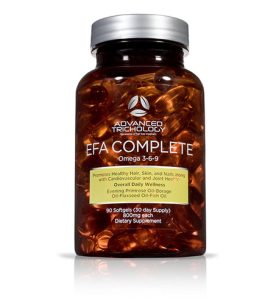
Neutraceutical softgel capsules |
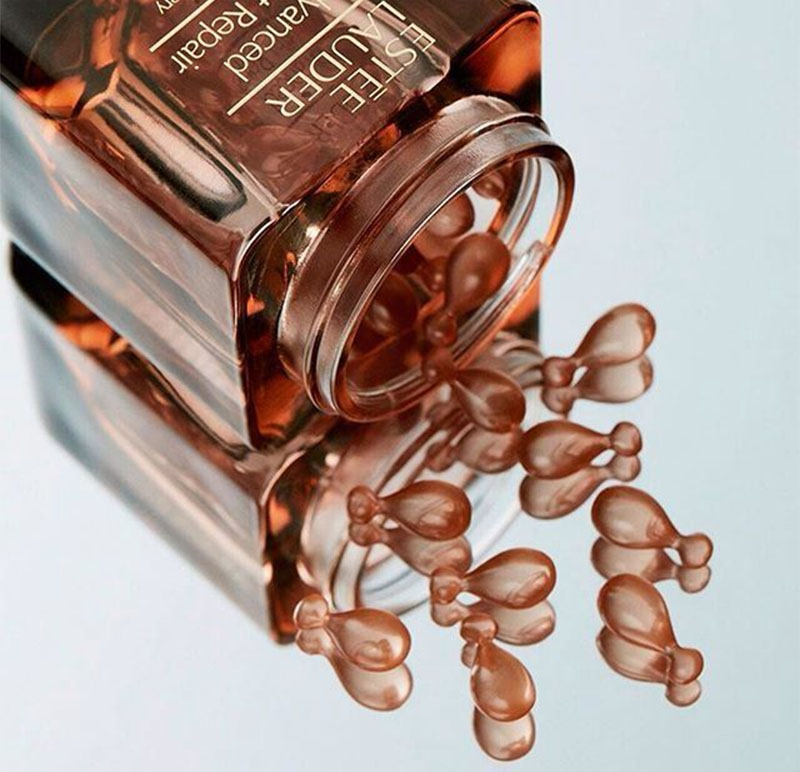
3. Cosmetic and personal care industry: Now-a-days, many skincare products and beauty products are preserve in soft gel capsules. The machine encapsulates the active products in the gelatinous ribbon hence, preserve the ingredients and increase the chances of effectiveness. | 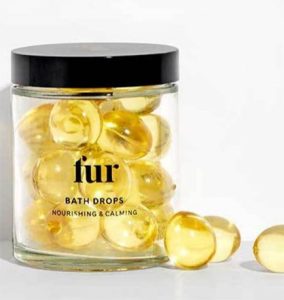
Personal care softgel capsules |
4. Food and beverage industry: Different sectors of food and beverage industries use this fascinating machine as it can ensure the consistent mass in each capsule. This tool can encapsulate oil and dietetics ensuring high quality capsules production. | 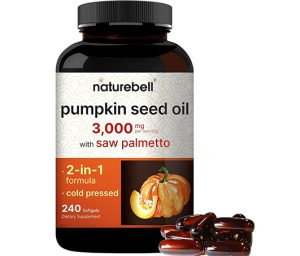
Food softgel capsules |
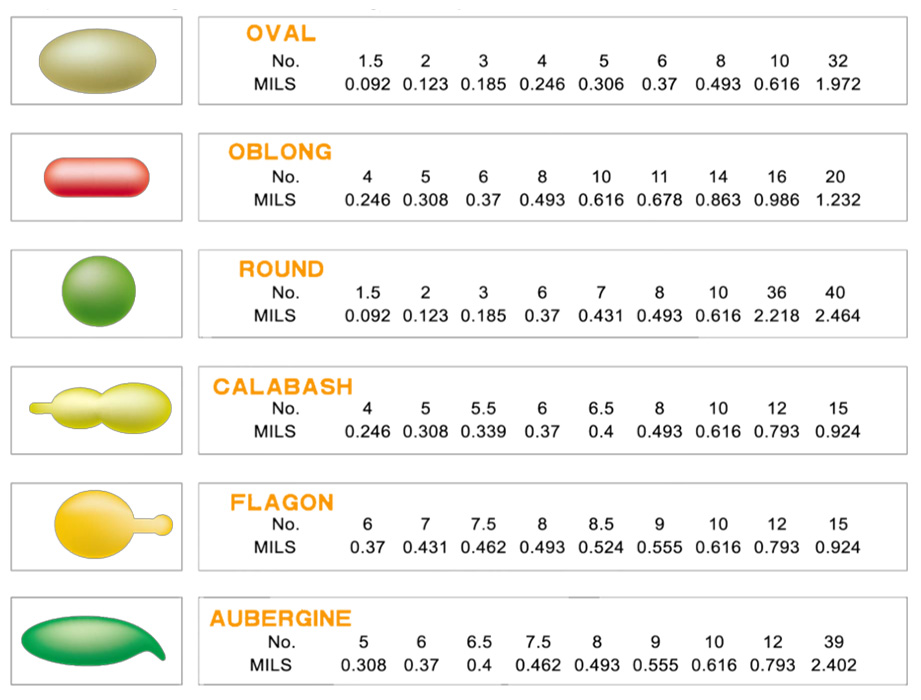
10.What capsule sizes and shapes can be produced?
- There are various sizes and shapes of soft gel capsules are produced by using softgel encapsulation machine. The size of the capsules depend on the tooling system. These are as follows;
Softgel capsules | Shape and size |
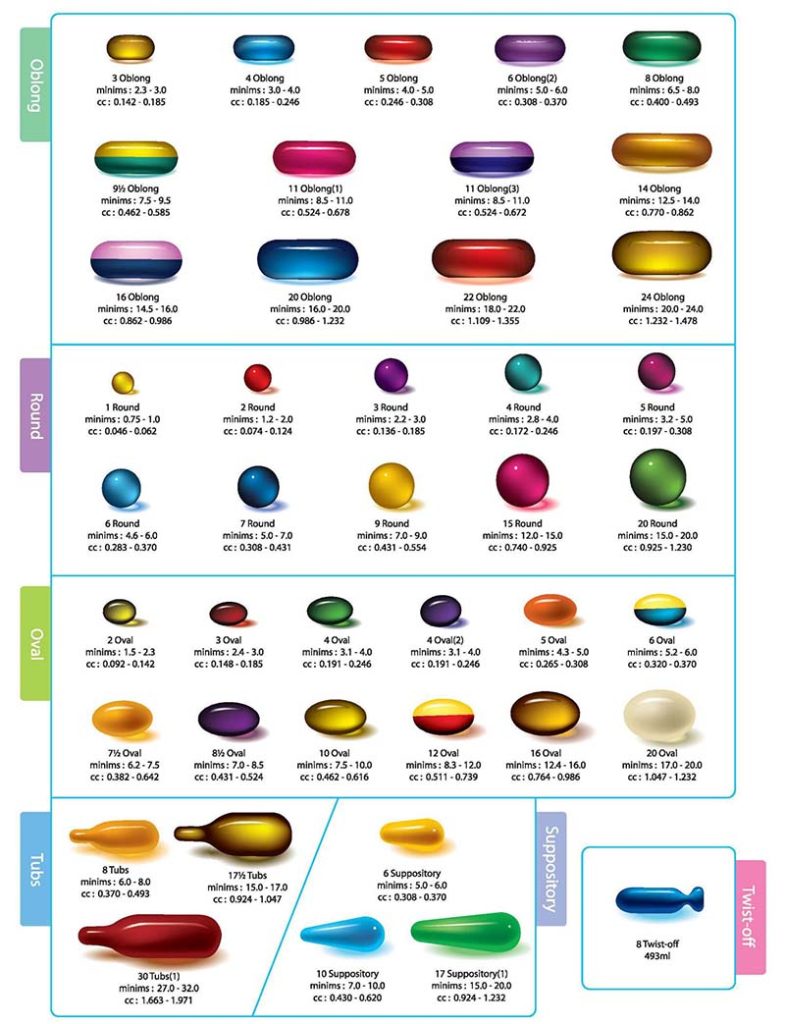
Oblong softgel capsules: | These are long elliptical capsules. The angles in this type of capsules are right angles. This shaped capsules are easy to swallow and occupy more volume that’s why commonly used in pharmaceutical and dietary sectors. They have different sizes (3,4,5,6,8,9.5,11,14,16,20,22,24) having different capacities from 2.3 to 24 minims. |
Round softgel capsules: | These are spherical and uniform in shape. The size depends on the tooling system. They are attractive to the consumers so widely use in cosmetic industries. They are available in different sizes( 1,2,3,4,5,6,7,9,15,20) having different capacities. |
Oval softgel capsules: | These are compact and egg-shaped capsules. You can adjust the size according to the customer requirements. They can be produced in different sizes of 2,3,4,5,6,7,7 ½ ,8 ½ ,10,12, 16, 20. |
Tube softgel capsules: | These are cylindrical in shape which can easily be squeeze. This type of capsules are filled with semi-solid or viscous products. The sizes of such capsules are 8,17 ½ , 30. |
Suppository softgel capsules: | It is torpedo-shaped capsules or bullet shaped capsules which was widely used in rectal or vaginal drug delivery but it is now used widely in pharmaceutical drugs. The sizes produced are 6, 10, and 17. |
Twist-off softgel capsules: | This softgel capsules have extended tip that should be twisted to release the content encapsulated in it. The content is safe in it from environmental exposure as it is sensitive to temperature. It is available in size 8. |
Special shapes softgel capsules: | These are capsules having customized shapes like heart, teddy bear etc. they may be of the shapes of animals or fruits. These capsules are customized to elevate the brand identity. |
11.What is the typical production capacity (softgel/hour) of softgel encapsulation machine?
Output by Capsule Size (capsules/hour)
Capsule size | SEM-100II | SEM-120-III | SEM-250-II | SEM-250-IIIA |
3# Oval | 30,240 | 115,200 | 172,800 | 259,200 |
6# Oval | 24,000 | 68,400 | 127,680 | 191,520 |
8# Oval | 22,800 | 63,000 | 120,960 | 181,400 |
10# Oval | 17,280 | 51,000 | 106,080 | 159,120 |
14# Oval | 15,360 | 48,000 | 92,160 | 138,240 |
20# Oval | 10,800 | 34,800 | 69,600 | 104,400 |
8# Oblong | 18,240 | 49,200 | 109,200 | 163,800 |
10# Oblong | 15,120 | 45,600 | 82,080 | 123,120 |
16# Oblong | 13,680 | 32,400 | 69,120 | 103,680 |
20# Oblong | 8,160 | 30,600 | 57,120 | 85,680 |
5# Round | 24,480 | 79,200 | 158,400 | 237,600 |
10# Round | 20,160 | 63,000 | 122,400 | 183,600 |
40# Round | 5,760 | 27,600 | 66,240 | 99,360 |
Figures are based on continuous running at normal production speed, not peak die-roll speed. Actual output also depends on fill viscosity, gelatin formulation and ambient conditions.
12.How to control the filling accuracy of softgel encapsulation machine?
There are different approaches which are used to control the filling accuracy of softgel encapsulation machine but the most effective approaches are full servo control system and precision adjustment systems.
Adopt full servo control system:
The plunger movement is controlled by the servo-driven pump system. The servo motors ensures the perfect volume of fill material and timing hence, flexible for different volumes and formulations.
Accuracy adjustment mechanism:
The filling volume is adjusted at PLC screen and sensors are integrated with it. This ensures the correct filling of fill material in capsules and consistent volume production occur.
13.What are the main advantages of softgel encapsulation machines compared to hard capsules?
- Soft gels prepared by softgel encapsulation machine are filled with oils, pastes, suspensions and other products but hard capsules just hold powders or granules.
- Softgel encapsulation machine has precise fill dosage system which produce consistent soft gels as compare to variability of powder in hard capsules.
- Soft gel mask the taste of fill material which is easy to swallow but hard capsule does not mask the taste and have unpleasant taste.
- Soft gels are hermetically sealed means you can’t open the capsules but hard capsules can be open and refilled.
14.What auxiliary equipment is required for a complete softgel encapsulation line?
A complete softgel encapsulation line does not only need softgel encapsulation machine, it needs other equipments as well. These are as follows:
It is the main machine which can cut, form, fill and seal the capsules using die rolls and wedge system.
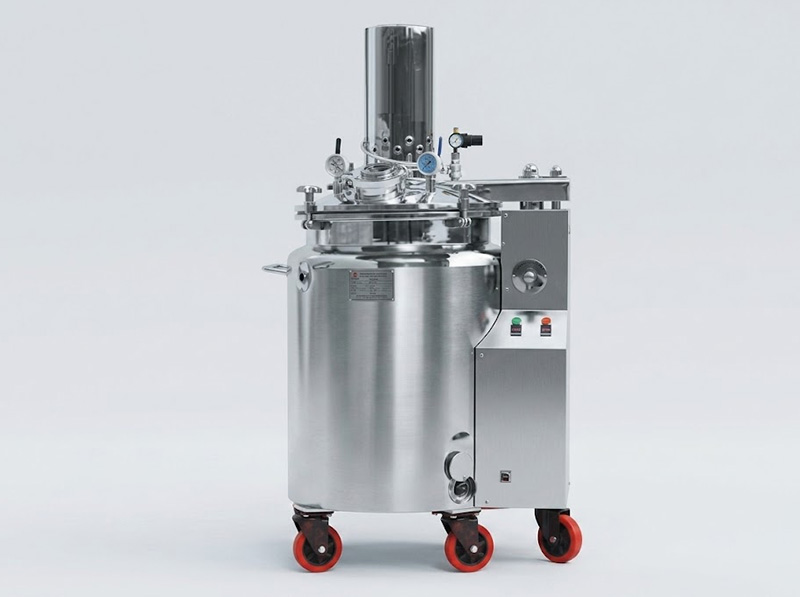
This tank is used for the preparation of inner fill materials of the capsules. The fill materials are usually oil, pastes, suspensions and various other semi-solid substances.
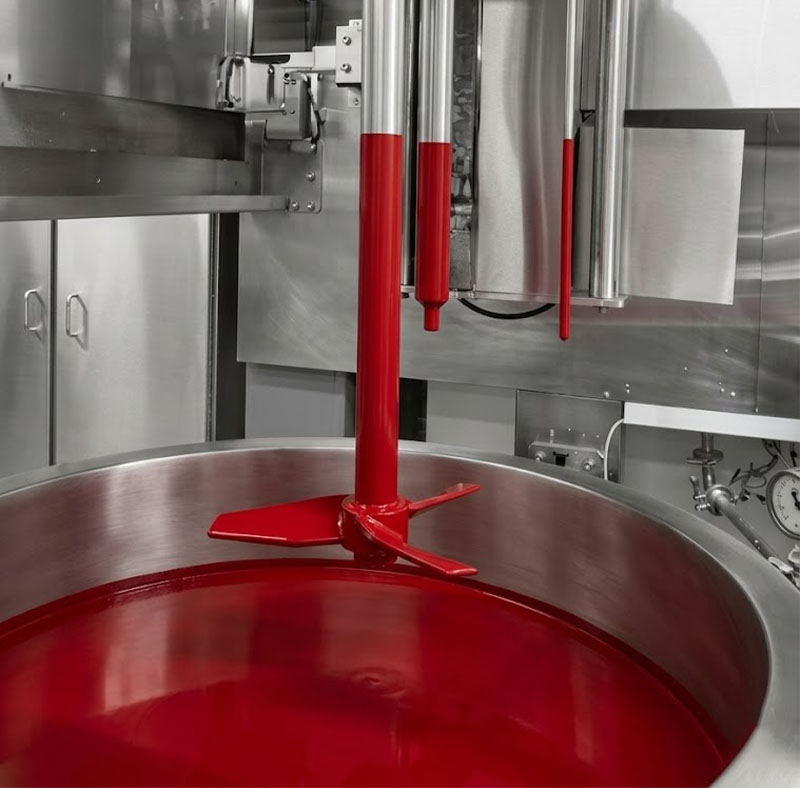
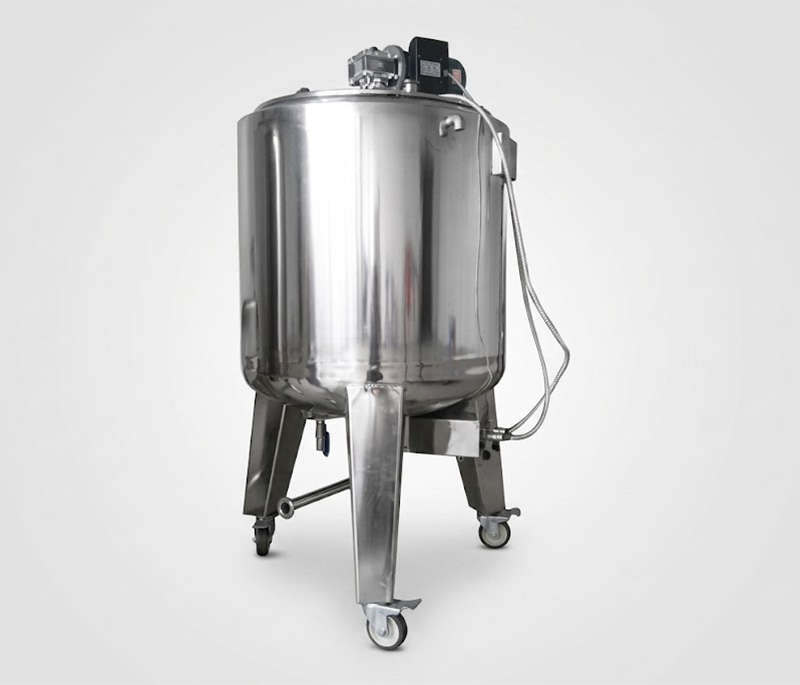
This tank can prepare, mix, melt and store gelatin mass before feeding into the capsule encapsulation machine. It can ensures you the proper viscosity of the gelatin because this tank has agitator and sensors, operates under controlled temperature and pressure.
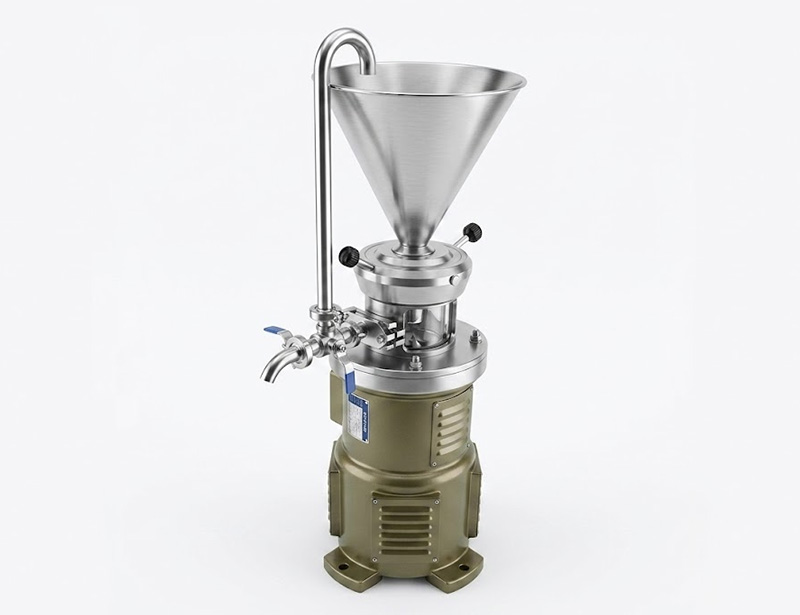
The colloid mill is an equipment which is used to homogenize, grind and emulsify the fill materials before encapsulation process. This ensures the fine particles of the fill material and reduces the clogging of the feeding system.
Some machines already have tumble drier but if not alongside with encapsulation machine then you can integrate with it. This drier can remove the extra moisture from the softgel capsules. You should integrate with the main machine in such a way that when softgel capsules discharge from the machine then it direct to the tumble dryer.
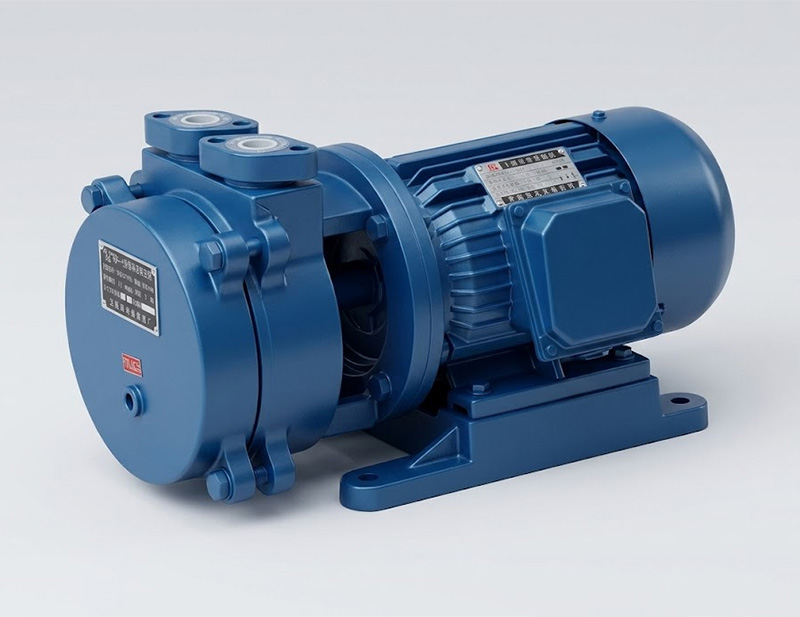
The vacuum pump is used for degassing in softgel encapsulation machine. if gas or air present in the machine, then internal environment will not be suitable for encapsulation so, to protect from this headache, you can use vacuum pump.
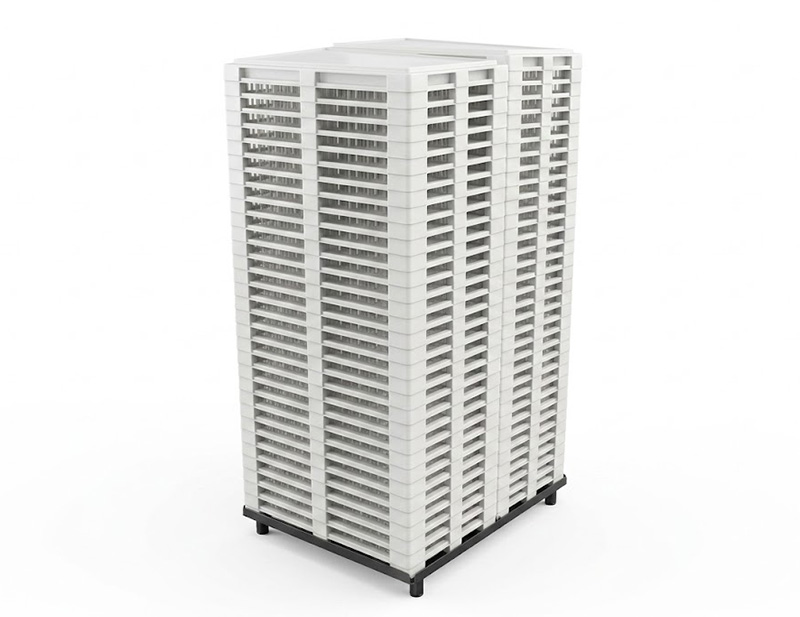
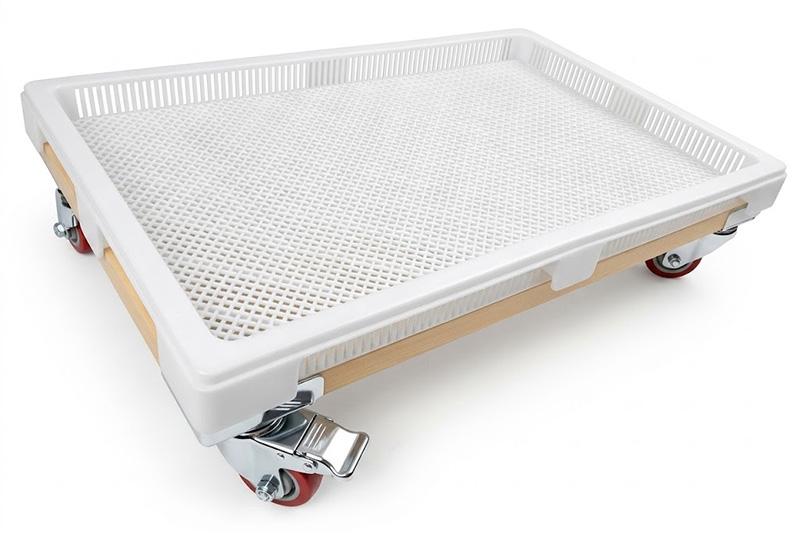
PVC trays are used to spread the softgel capsules after tumble drying procedure. It has stacks of tray and consume less space and energy. This prevent the sticking of capsules and you can easily transfer the soft gels for the inspection.
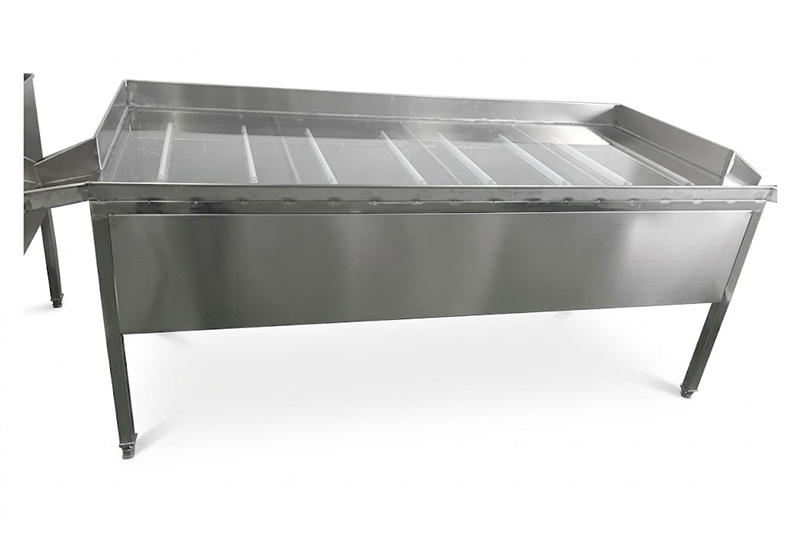
The light inspection table is used for checking of softgel capsules from improper sealing, bubbles or leakage. This ensures every capsules is in good condition before packaging.
Drying car or drying trolley is used to hold the stacks of PVC drying trays and is movable. You can easily transfer the dried or finished softgel capsules for further process.
15.How does the gelatin melting tank ensure uniform heating and mixing?
Gelatin melting tank is used to prepare homogenous mass of gelatin by heating and mixing mechanism. The ingredients used in gelatin mass production are poured into the hopper.
You should power the machine and allow it to warm up. After sometimes, you should allow the constituents present in the hopper into the melting tank in appropriate amount. As the quantity of the ingredients increases, the heat in the tank increases which reaches maximum and melt the substances. At the same time, this tank has mixers and blades which rotates and mixes the melt substances. It is equipped with vacuum pump that removes the bubbles of the gel liquid. In this way, it ensures the uniform heating and mixing of the gelatinous ingredients.
16.What is the typical capacity of gelatin melting and mixing systems?
Gelatin melting tanks are available from 300 L to 1000 L. The right size depends on your encapsulator’s consumption rate and how many batches you run per shift — for a 250-series line, 800 L to 1000 L is typical.
17.Can the system handle both animal-based and vegetarian (HPMC or carrageenan) gelatin?
Gelatin can be obtained from animal and plants. Animal based gelatin such as porcin melts at relatively low temperature. On the other hand, the vegetarian or vegan gelatin such as HPMC (hydroxypropyl methylcellulose) remains stable in hot conditions and have relatively different drying conditions.
Yes, this system can handle both gelatin if equipped with adjustable control system for heating and drying.
18.How long does it take to prepare gelatin mass for encapsulation?
The gelatin mass is the backbone of encapsulation. The gelatin mass preparation involves the mixing of gelatin and other ingredients and heating. This requires approximately 3 hours. The molten liquid gelatin mass will result which is ready for encapsulation process.
19.What is the difference between tumble dryers and tray dryers in softgel production?
After softgel capsules production, these undergo through a two-stage drying methods.
Tumble dryers are used to remove some moisture content from these capsules. It requires for initial drying which prevent sticking and disrupting the shapes of soft gels. It has many baskets depending on the size. It has fan blower that ensures the laminar flow of air for cooling and drying of capsules.
Tray dryers are used to stabilize the capsules under controlled airflow and humidity. This dryer is better for final drying procedure. It has trays in stacks and soft gels spread on them where fresh air passes. This ensures the high quality soft gels production meeting the GMP standards.
20.How long does it take to dry softgel capsules, and what factors affect drying time?
Drying of softgel capsules take 10-16 hours, and this time varies depending on the gelatin preparation and drying method.
The source of gelatin (animal and plant derived) plays a vital role in drying process as they have different moisture retention capacity.
The thickness or viscosity of the gelatin greatly impact on the drying time of capsules as the moisture content is greater in thick gelatin.
The ingredients used in gelatin mass production also impact the drying time of softgel capsules.
Poorly or uneven airflow of drying equipment cause uneven drying or drying time gets disrupted.
21.How can you prevent capsules from sticking or deforming during drying?
Sticking of capsules during drying process is a common problem, to avoid this headache you should consider the following points:
- Use appropriate lubricants like medium chain triglycerides and light mineral oil on the gelatin ribbons and wedge system to avoid adhesion.
- Do not over lubricate them because this will enhance the drying time.
- Make sure there should be uniform airflow during drying procedure and maintain controlled humidity level to avoid sticking or deformation of softgel capsules.
22.How does the inspection machine detect leakage, cracks, or malformed capsules?
All the softgel capsules are fed into the hopper of the inspection machine. These capsules are then move on the conveyor belt. The machine starts the vibrato to toss, turn and twist the capsules at different angles. The automatic inspection machine have cameras that capture the photos of the capsules and feed to the control panel where it detect the capsules. If leak, cracks or malformed capsules are found then machine automatically eliminate such capsules.
23.Can the inspection system automatically reject defective capsules?
Yes, modern inspection machines have high resolution cameras and sensors. The cameras capture the photos of softgel capsules at different angles and sensors detect them. If defective capsules are found, the system automatically reject such capsules.
24.What common challenges exist in softgel production (leakage, drying, sticking)?
The common challenges exist in softgel production are leakage, drying and sticking. Here are how to solve these challenges.
1. Leakage of capsules:
Leakage of capsule-Picture courtesy: sensum.eu
During the softgel production, leakage occur which impact the yield.
Solution:
Always optimize the gelatin formulation means the gelatin solution viscosity should not too low.
Proper temperature and pressure of die rolls should be adjusted.
2. Drying problem:
Due to over drying of soft gels and under drying capsules cause the wastage of soft gels.
Solution:
Proper drying airflow should be maintained.
Proper drying time should be maintained according to the size and thickness.
Regular cleaning of the equipment ensures the consistent drying of capsules.
3. Sticking of capsules:
Sometimes capsules stick together or stick in blister packs.
Solution:
Apply mineral oil.
You should give proper time for drying of capsules.
Optimize plasticizer to gelatin ratio.
25.How do softgel encapsulation machines comply with GMP, FDA, and EU standards?
The softgel encapsulation machines must comply with international regulatory standards because this will ensures the quality production of softgel capsules without compromising the change in ingredients. Furthermore, it can prevent you from any lose during its operation. Here are the main standards that must comply.
GMP ensures you that the machines are prepared according to the latest technology standard. The material used for its construction and operated must meet the latest standard. This will guarantee you the hygienic operation of machine, easy to clean, accurate dosing system and fault detection during machine operation.
The softgel capsules are directly consumed as medicine or supplements and having sensitive ingredients, the machine should must comply the FDA standard. This ensures you the stainless steel body of the machine, the lubricants and cleaning agents must also meet this standard.
If you are exporting the machine to Europe then it must meet the EU standards. In this machine, the electrical systems, mechanical protection and environment protection requirements are fulfilled set by the European Union.
26.What validation steps are required to ensure product quality?
Equipment and instrument validation:
Equipment and instrument validation is full installation and training support and installation should be done as per manufacturer specifications. This proves the machine is properly installed, work properly and consistent products are produced.
Process validation:
Process validation in which the consistently produced products is evidence of delivering a safe and high quality products.
Cleaning validation:
Cleaning validation is critical and confirms that your product is free from contamination and wastage of products is reduced.
27.What key factors should you evaluate before purchasing a softgel encapsulation machine?
There are certain factors that should be considered before purchasing a softgel encapsulation machine.
- You must keep in mind either you need R & D, pilot scale or large scale production. Machine capacity is considered the production of capsules per hour.
- You should consider the total expense like the machine cost, its maintenance, spare parts, and labors requirement. So, before investing in machine, you must consider the budget.
- The machine should handle different formulations like oil, pastes, suspensions etc. it should also handle the vegetarian and animal based gelatin.
- The machine should produce different shapes and sizes of capsules.
- It must be integrate with tumble dryer or drying trays.
- The machine parts should easily be assemble and disassemble for cleaning purpose.
28.What are the cleaning and maintenance requirements of softgel encapsulation machine?
For the longevity of the machine, cleaning and maintenance is essential. Here are some tips that will help you in the long term running of your machine.
- You should clean the machine after each batch production. This will remove the fill material, gelatin or residue if present.
- Before operating the machine, you should clean the machine parts, check the temperature sensors, wedge and die rolls alignment. Also ensure the drying system is working properly.
- You should lubricate the moving parts of the machine to avoid any wear and tear. Some advanced machines have automatic lubrication system but if not present, then you should lubricate them with digestible mineral oil.
- Inspect the electrical system and if issues are present then try to fix them.
- Replace the worn out parts before getting too late.
29.What common issues may occur and how to troubleshoot them?
During softgel encapsulation procedure, there are certain common issues arise but you should know the cause first because it will helps you to troubleshoot them.
1.Capsule leakage/poor sealing:
Cause:
- The gelatin mass may have uneven consistency
- Die rolls may misalign or during sealing, the wedge temperature is low
Troubleshoot:
- Adjust the gelatin temperature and viscosity.
- Calibrate the die rolls
- Inspect the wedge temperature and lubrication system
2.Inaccurate fill volume
Cause:
- The air bubbles in fill material cause inaccurate filling in capsules.
- There may be error in injection pump calibration.
Troubleshoot:
- You should remove or degas the fill material before pouring into the hopper for encapsulation.
- You should check the injection pump and recalibrate. Replace the pump if worn out.
- Use servo-motor driven pumps to exact synchronization of injection and dosing time.
30.What training is necessary for operators?
- Operators should know the machine parts and know how to assemble and disassemble them.
- They should must know the principle of gelatin mass production and fill material handling.
- Operators should must know how to troubleshoot the common problems.
- They must be aware of electrical and mechanical safety.
31.Can AIPAK provide a turnkey solution with both encapsulation machine and auxiliary equipment?
Yes, AIPAK provide you a turnkey solution with both encapsulation machine and auxiliary equipment.
32.Can auxiliary equipment be customized to fit specific production capacity needs?
Yes, for the complete production line of softgel encapsulation, you can customized and scaled to different production capacities ranging for small to large scale production.
Gelatin heating and mixing tank has different capacities ranging from 300L to 1000L. Similarly, the size and number of tumbler dryer can be adjusted according to the production. Small polishing system is used for small-scale while automated inspection/ rejected system can be customized for large scale production.
33.What innovations are shaping the future of softgel encapsulation technology?
Plant based or vegan soft gelatinous shell production which offers flexibility in plasticizer and improved oxygen barrier.
The shell material i.e.; plant based shell act as enteric coating and delayed release coating functionalities without separate enteric coating.
Encapsulation of high viscous liquid is challenging but due to accurate wedge and die roll system, it became easy.
Conclusion:
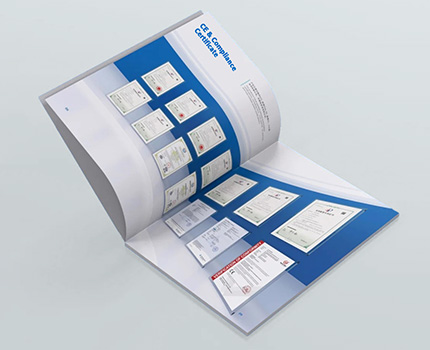
From softgel encapsulation machine buying guide, it is clear that why you need this machine for your business. After reading keenly, now you must have idea about the machines available in the market, the machine parts and the basic principle of encapsulation. This guide have helped you in knowing the importance of certification for buying any pharmaceutical machine. For any queries or consultation, feel free to contact AIPAK!