Vacuum Emulsifying Mixer
Vacuum Emulsifying Mixers for Creams, Ointments and Gels, 10 to 2,000 Liters
An oil-phase pot, a water-phase pot and a main vessel that emulsifies under vacuum — lid-lift, bottom-homogenizer and fixed-lid versions.
Why Choose Our Vacuum Emulsifying Mixer?
Three Vessels, One Process
Oil-soluble ingredients dissolve in the oil pot, water-soluble ones in the water pot, and both are drawn into the main vessel to be emulsified. Each phase is prepared at its own temperature before they meet.
Homogenizer and Slow Mixer Together
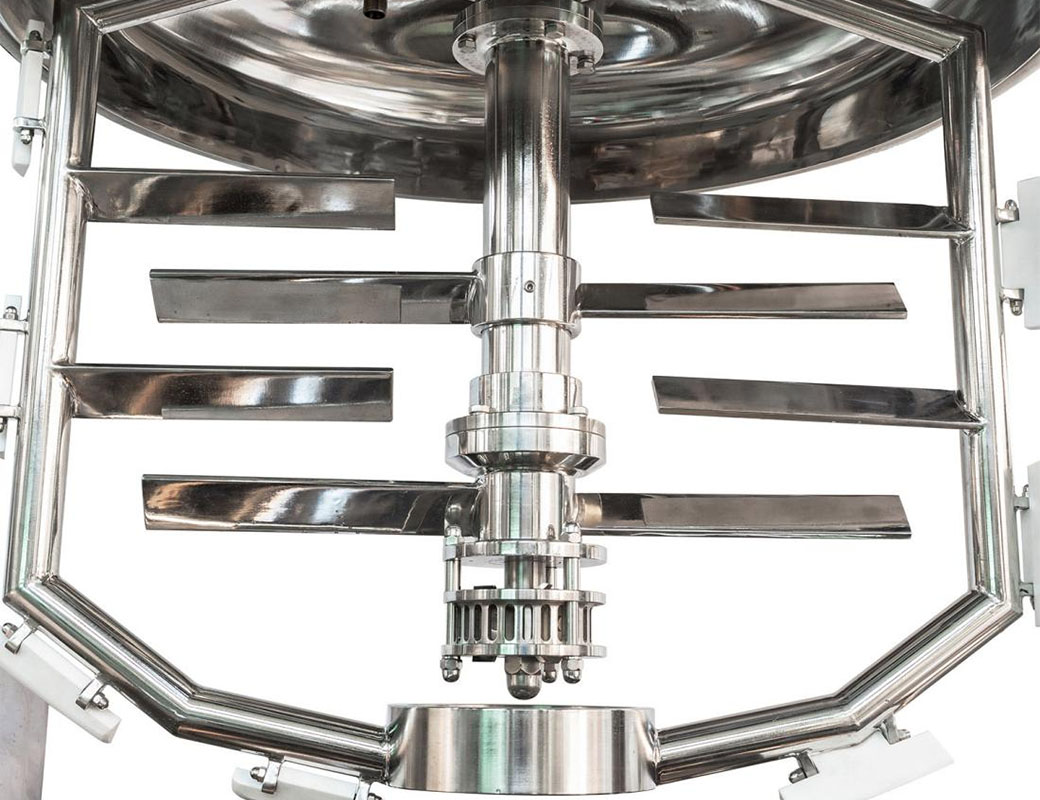
A high-speed homogenizer running up to 3,500 rpm breaks the phases into a fine emulsion, while a slow mixer at up to 60 rpm keeps the whole batch turning.
Mixed Under Vacuum
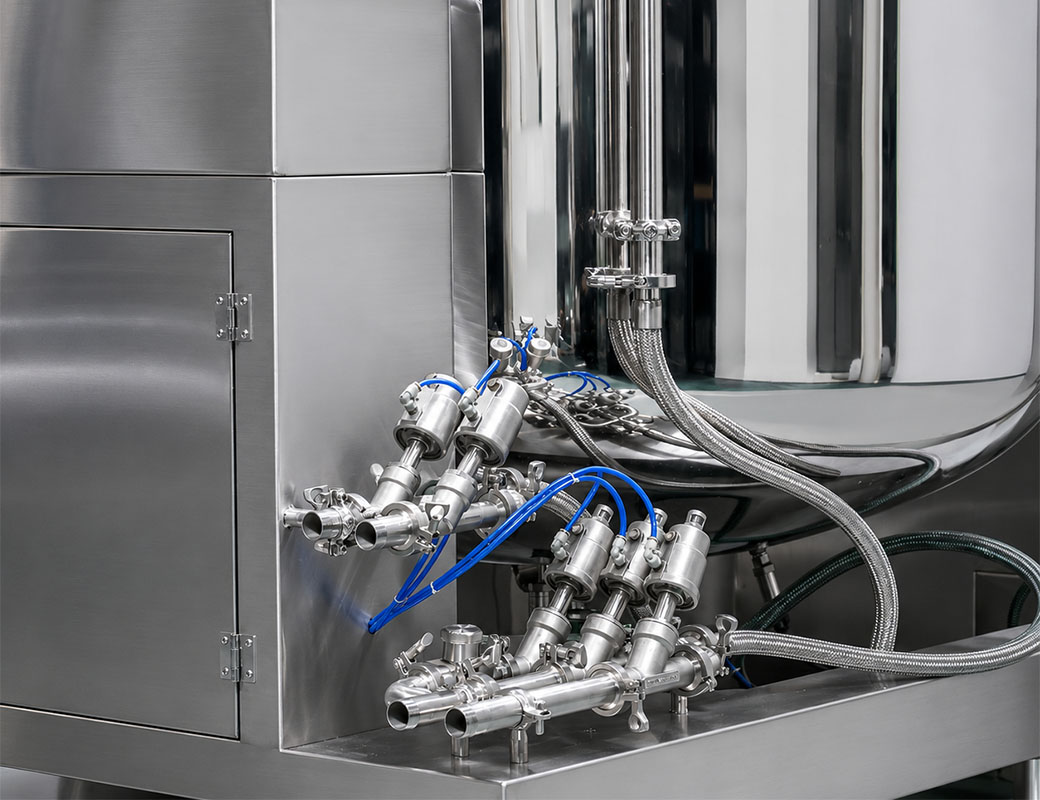
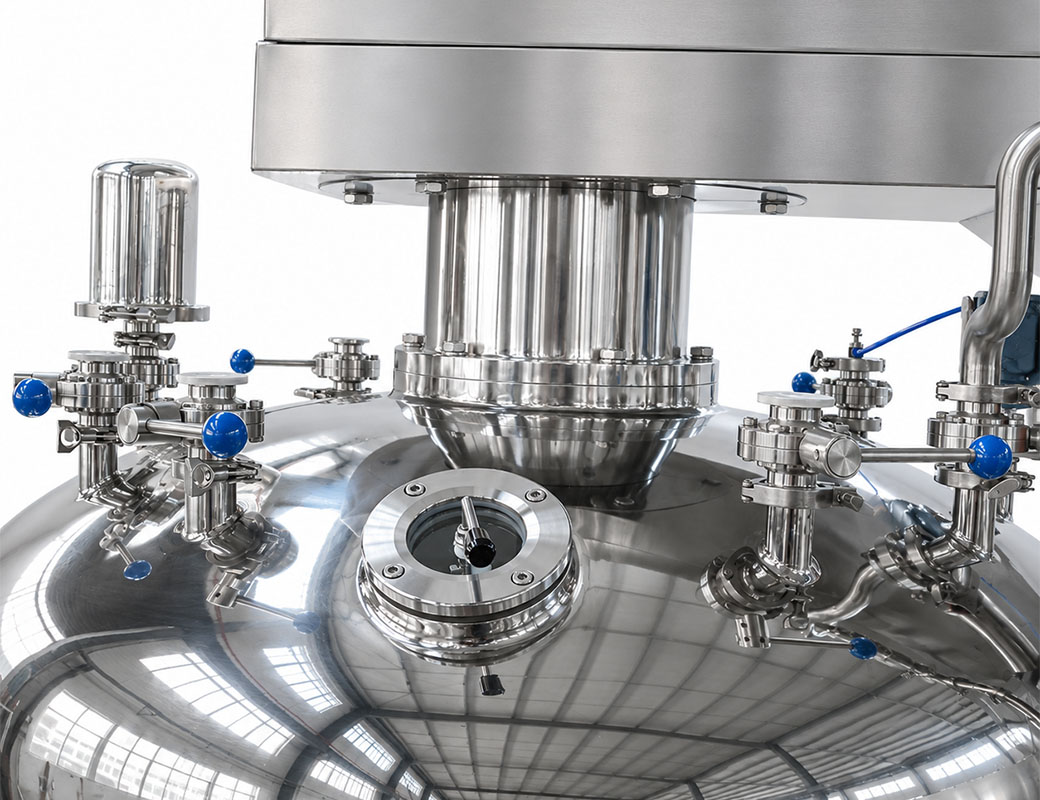
A vacuum pump draws the oil and water phases into the main vessel and pulls air out of the product while it’s being mixed, so the cream comes out without trapped bubbles.
Lid Stays Down Under Vacuum
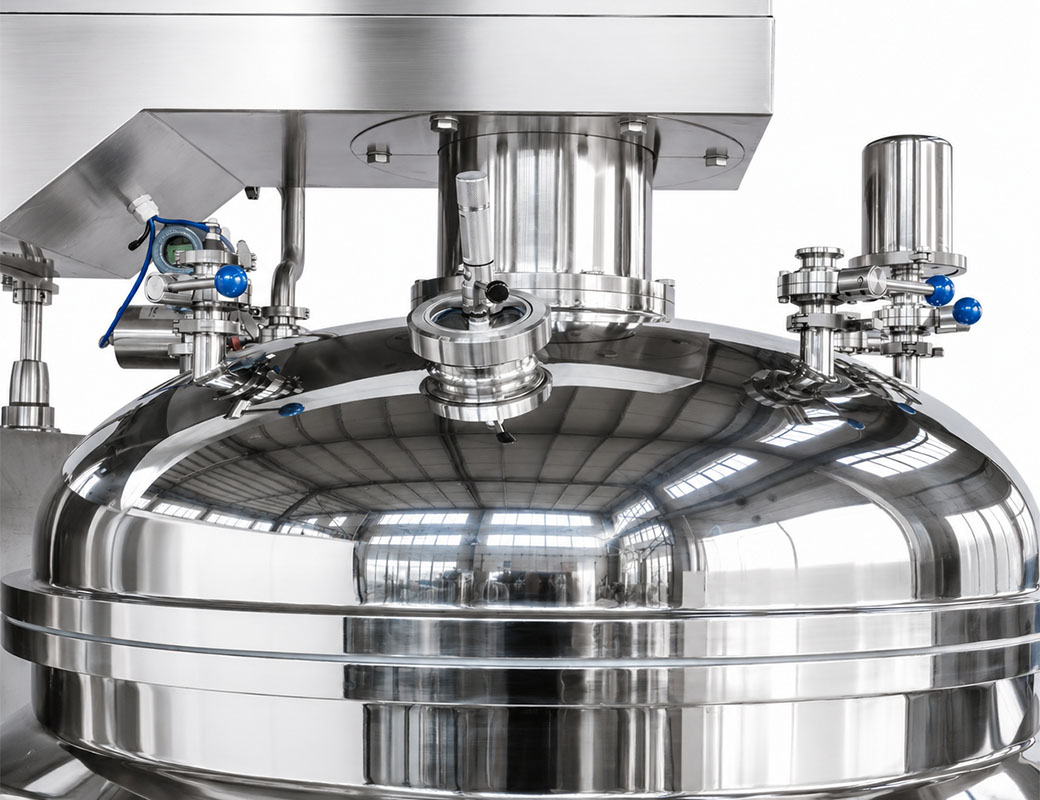
A vacuum protection switch stops the lid from being raised while there’s vacuum in the vessel. The vacuum has to be broken through a filtered valve before the lid lifts or the product is discharged.
Two Questions Pick Your Model
Choose the working capacity closest to your usual batch — from 10 litres for development to 2,000 litres for production.
On a lid-lift model, the lid rises well above the vessel for cleaning and access. A 1,000-litre machine needs about 4.55 m with the lid up. If your ceiling is lower, look at the fixed-lid model.
Industry Applications
Model comparison
| Model | Type | Capacity | Homogenizer | Height, lid raised |
| APKZRJ | Lid-lift, top homogenizer | 10–2,000 L | 1.1–22 kW, 0–3,500 rpm | 1.7–4.55 m |
| APKZRJ-B | Bottom homogenizer | 50–1,000 L | 1.1–11 kW, 0–3,000 rpm | 1.7–4.55 m |
| APKZRJ-F | Fixed lid | 100–1,000 L | 1.5–7.5 kW, 0–3,000 rpm | 1.7–4.55 m |
| APKYGJ | Toothpaste mixer | 300–2,000 L | 5–22 kW, 0–3,500 rpm | 3.55–4.55 m |
Four Models
Batch size, ceiling height and how much powder is in your formula decide which one.
Batch size decides the capacity; your ceiling height decides lid-lift or fixed. Tell us both and we’ll tell you which model.
Documentation & Selection Support
Download the catalog, or send us your formula for a recommendation.
Product Portfolio
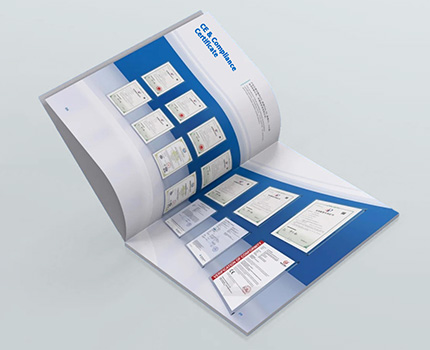
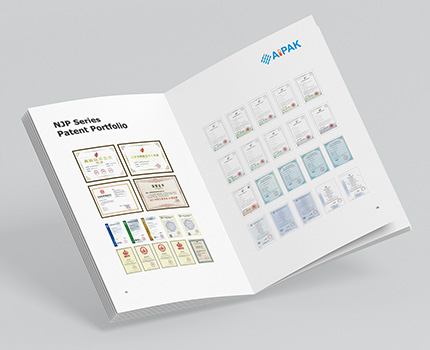
Quality Assurance
Technical Standards
FAQ on Vacuum Emulsifying Mixer
It depends on where your powders go. Light powders that float, such as thickeners, are drawn down from the surface by a homogenizer working from above. Heavy powders that sink, such as zinc oxide or the abrasives in toothpaste, are better handled by a homogenizer at the base of the vessel, where they settle. A bottom homogenizer can also work on a smaller batch, because its head is covered sooner. Send us your formula and we’ll tell you which suits it.
Abrasive powders, such as those in toothpaste, wear a homogenizer seal faster than a plain cream does. Tell us how much powder your formula carries and we’ll confirm the seal arrangement and the spare seals that come with the machine in your quote.
The slow mixer keeps the whole batch turning while the jacket heats or cools it, so the product next to the wall doesn’t sit still and overheat. For very thick ointments, send us your formula and its viscosity, and we’ll confirm the mixer and wall-scraper arrangement before we quote.
Mostly by ceiling height. A lid-lift model raises the lid well above the vessel for cleaning and access: a 1,000-liter machine needs about 4.55 m with the lid up. A fixed-lid model has no lift columns, so it fits a lower room, and ingredients go in through ports on the lid under vacuum. Tell us your ceiling height and batch size and we’ll tell you which one fits.
A larger vessel has a larger homogenizer head, and its tip moves faster at the same speed, so the speed setting that worked on a 50-liter batch is not the right one at 500 liters. We run your formula on a smaller machine first if you have one in mind, and set the starting speeds for the production size with you during commissioning.
Send Us Your Formula — or Just Your Batch Size
Three things decide which emulsifier you need. Your batch size decides the capacity. Your ceiling height decides lid-lift or fixed lid — a lid-lift model needs room above the vessel for the lid to rise. And if your formula carries a heavy powder load that settles, that decides where the homogenizer should sit.
Tell us those three and what you’re making, and we’ll point you to the right model. If you can share your formula, even better — we’ll look at it before we quote.
Direct from our factory
Lead time confirmed in your quote
Installation and training available
Spare parts listed in your quote
No sales calls — we reply by email or WhatsApp, whichever you gave us.