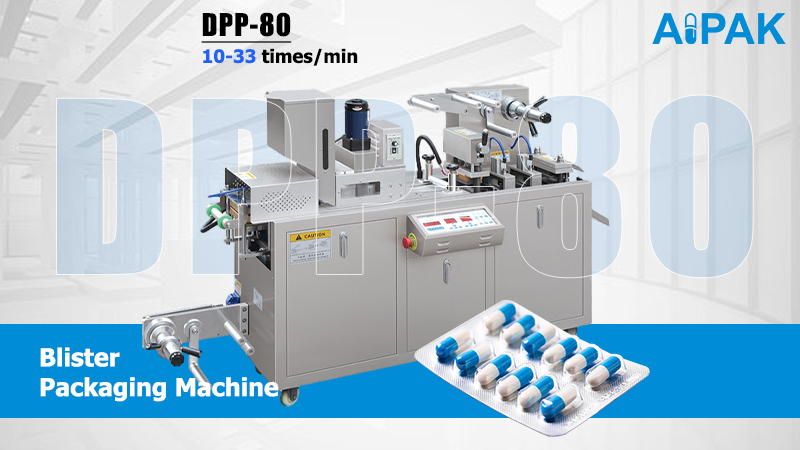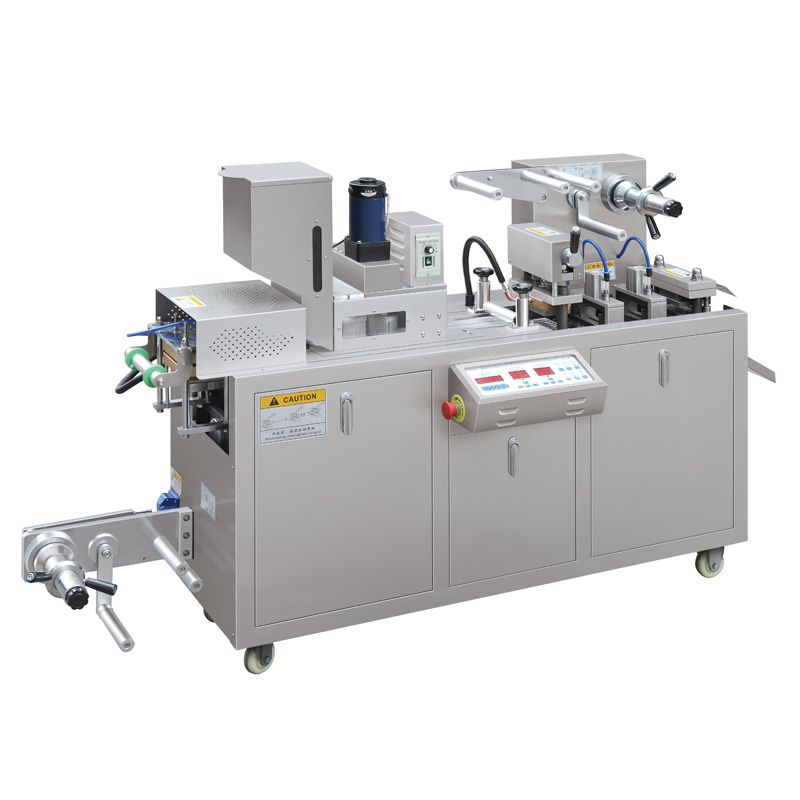
DPP-80 Compact Flat-Plate Blister Packaging Machine
80 × 57 mm plate, 220 V single-phase, 1.8 m footprint
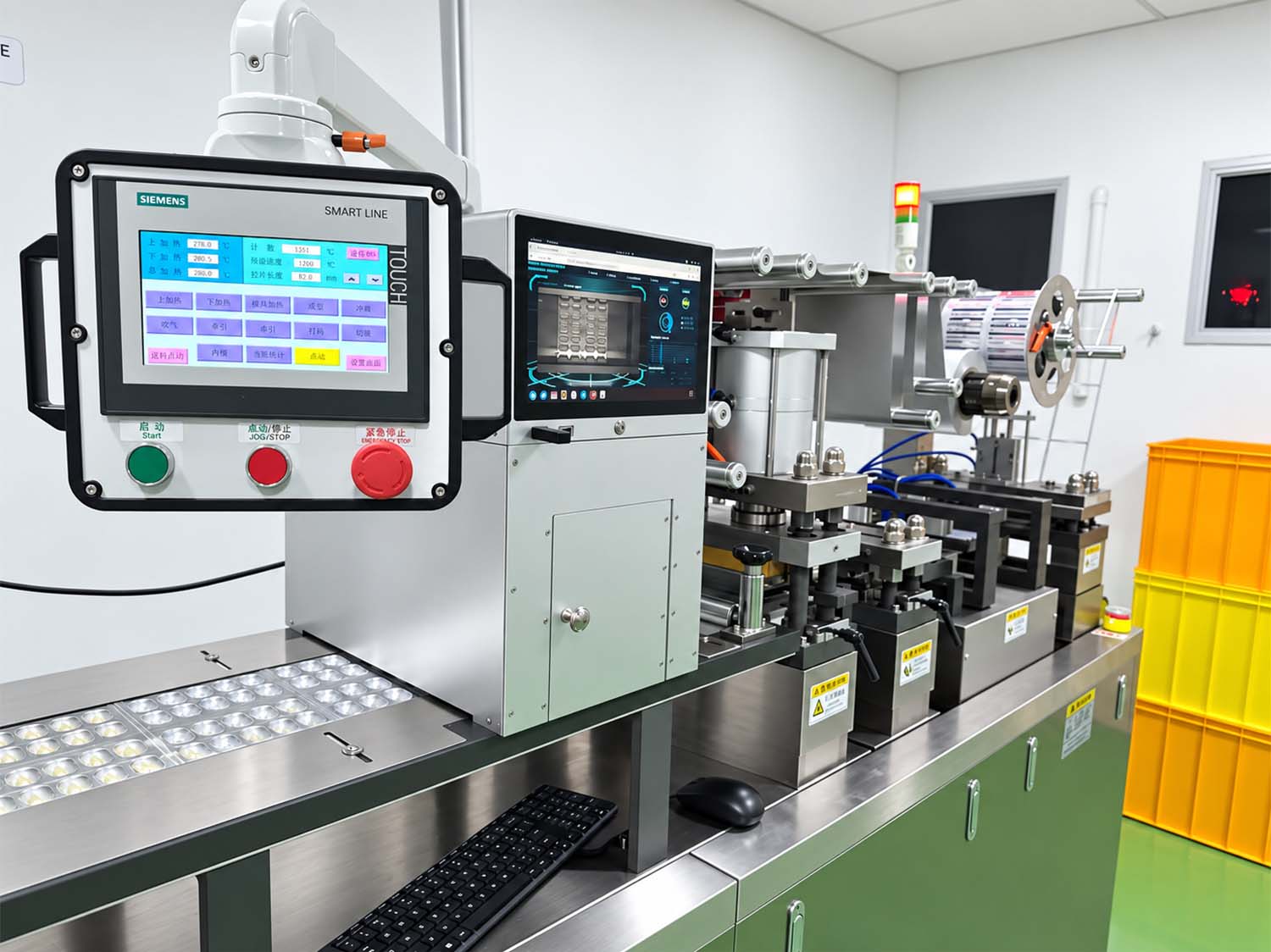
You’ve got a product going into blister and you need to know whether the pocket works before you commit to a production machine. The DPP-80 runs the same four-station format logic as our industrial models — forming, sealing, embossing, cutting — on an 80 × 57 mm plate, from a 220 V single-phase socket.
1.Output: 1,980 plates an hour, 10 to 33 punches a minute
2.Plate size: 80 × 57 mm, customisable
3.Power: 220 V single-phase, 2.4 kW. No three-phase supply needed
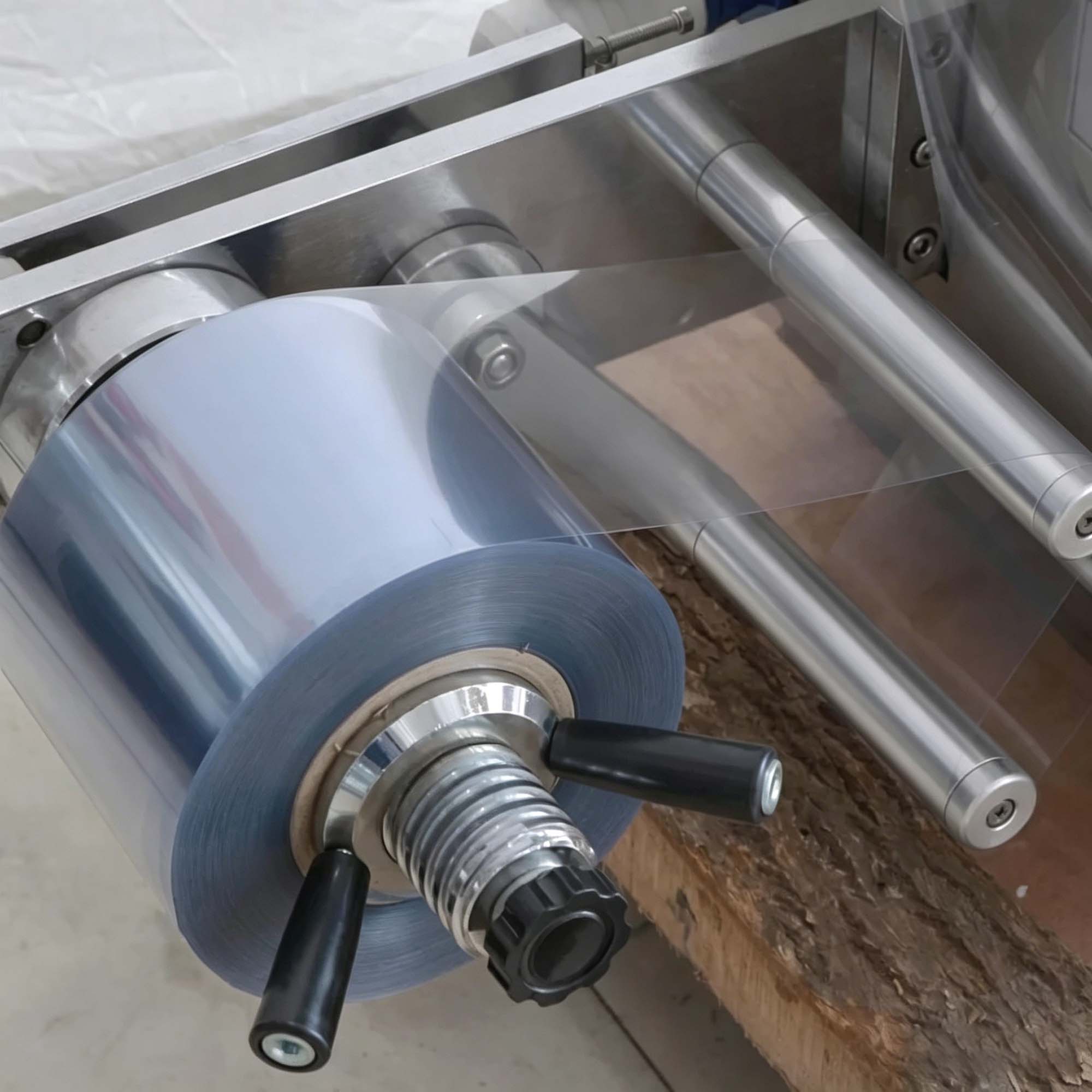
4.Materials: PVC, PTP, cold-formed Alu-Alu and dialysis paper
Is this the right machine for you?
✓ Yes, if…
- You're developing a blister format and need to prove the pocket before committing
- You run small batches, pilot lots or marketing samples
- You only have single-phase 220 V at this station
- Floor space is tight — 1,840 × 590 mm, 425 kg
✕ Buy something else if…
- You need production volumes → 1,980 plates an hour is a fraction of the DPP-120H. This is a development machine
- Your plate is wider than 80 mm → the 120H, 150E and 180H step up from here
- You need forming depth beyond 15 mm → 25 mm is available as a custom build, but tell us the item dimensions first
- You're scaling a proven format → go straight to the 120H. Buying this one first only makes sense if the format still needs work
Advanced High-Power Transmission
Equipped with a modern chain-driven main shaft mechanism. This eliminates the errors and noise common in traditional gear-driven systems, ensuring a smoother, quieter production run.
Intelligent Control & Detection
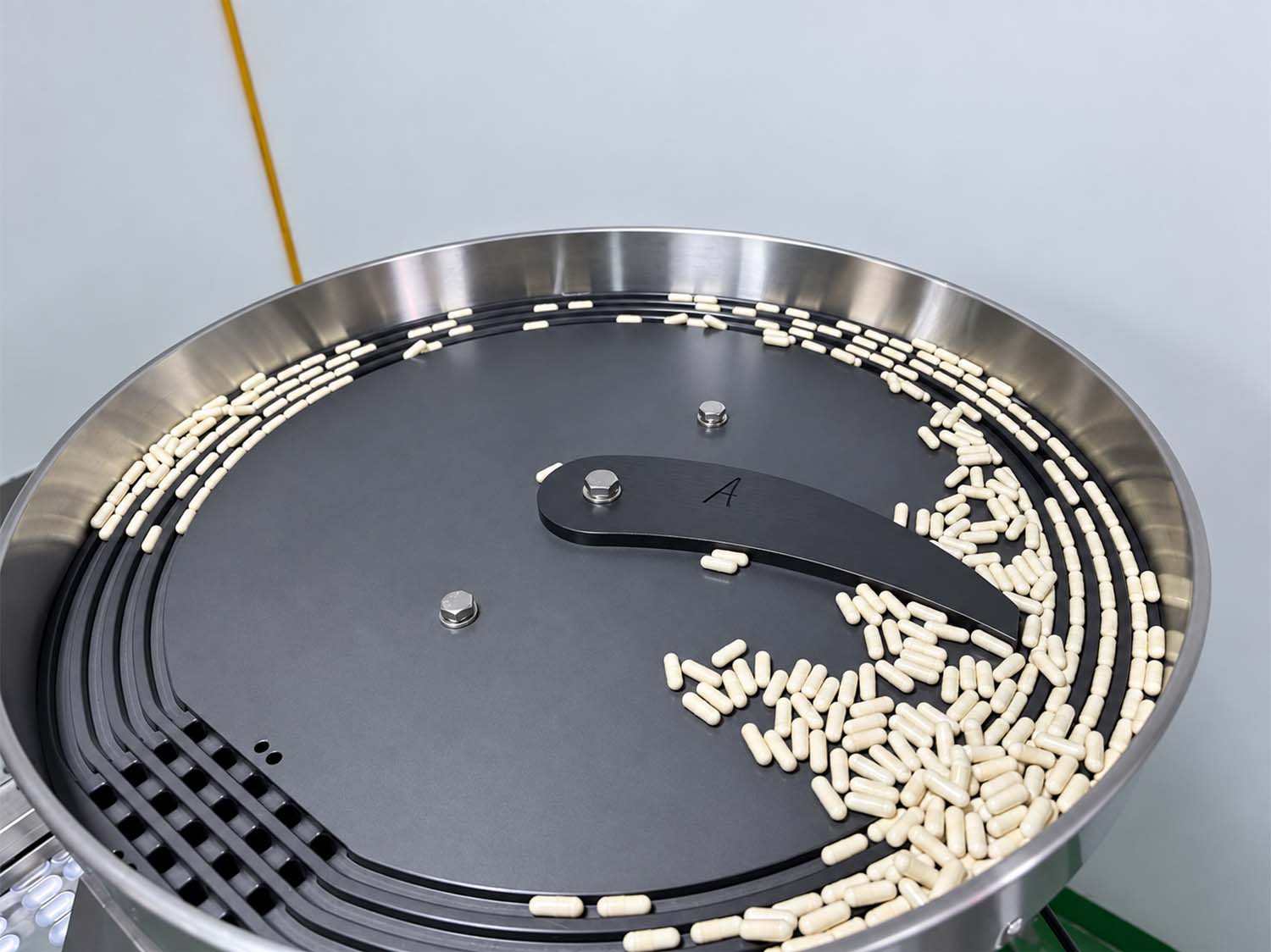
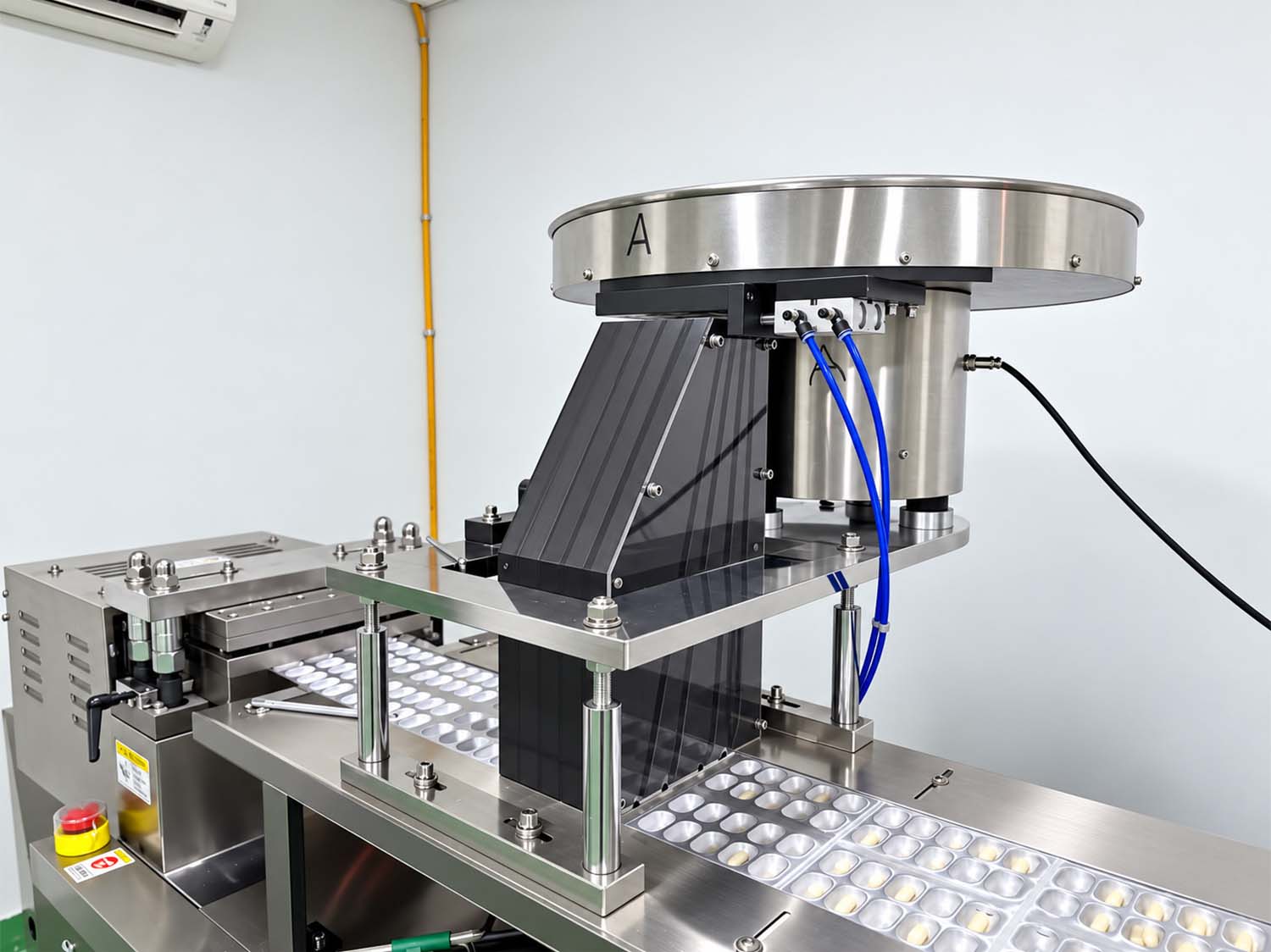
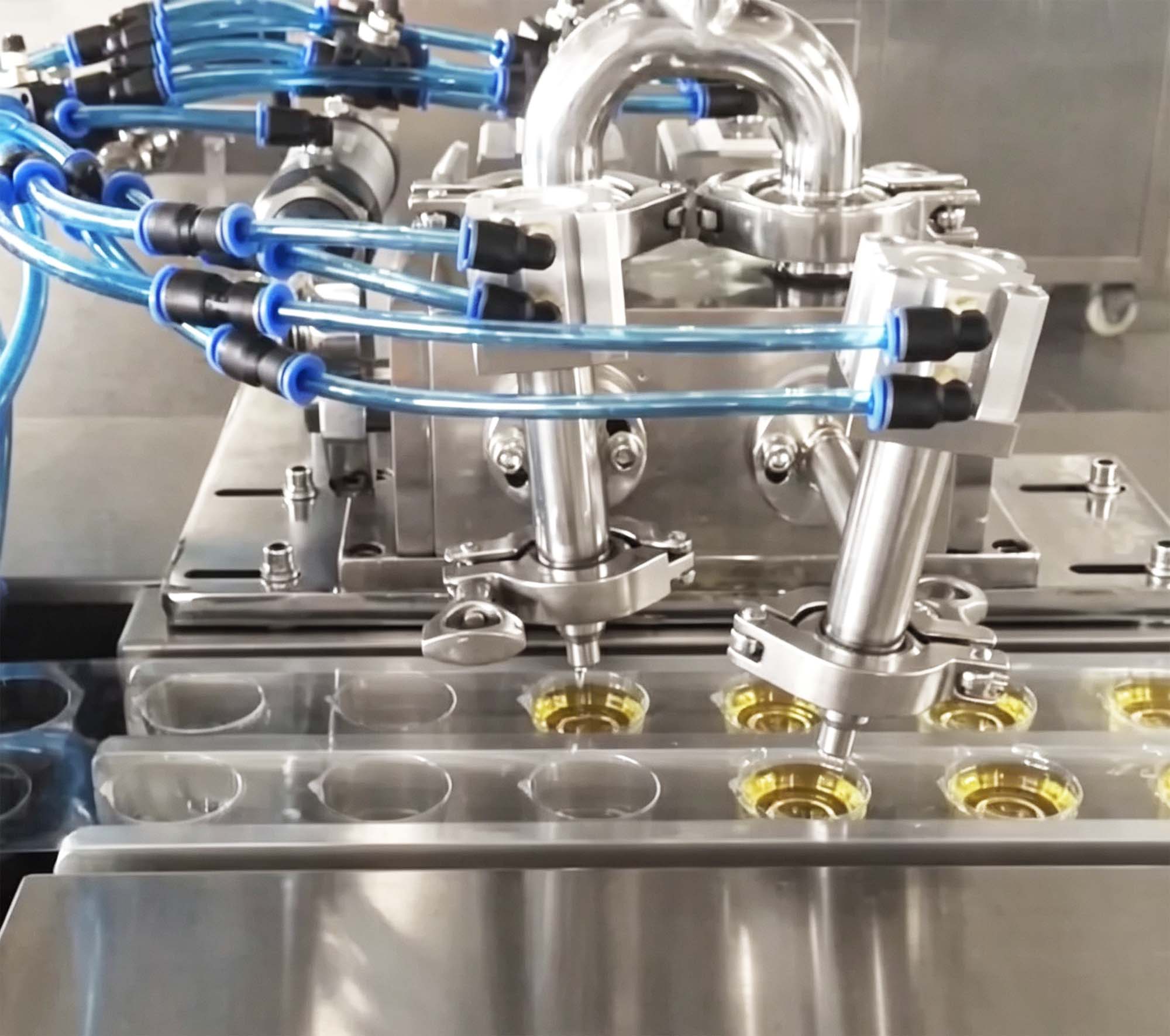
Powered by an imported control system, the DPP-80 can be customized with missing material detection and automatic rejection devices. This catches a missing tablet before the plate is sealed that leaves the machine.
Exceptional Synchronous Stability
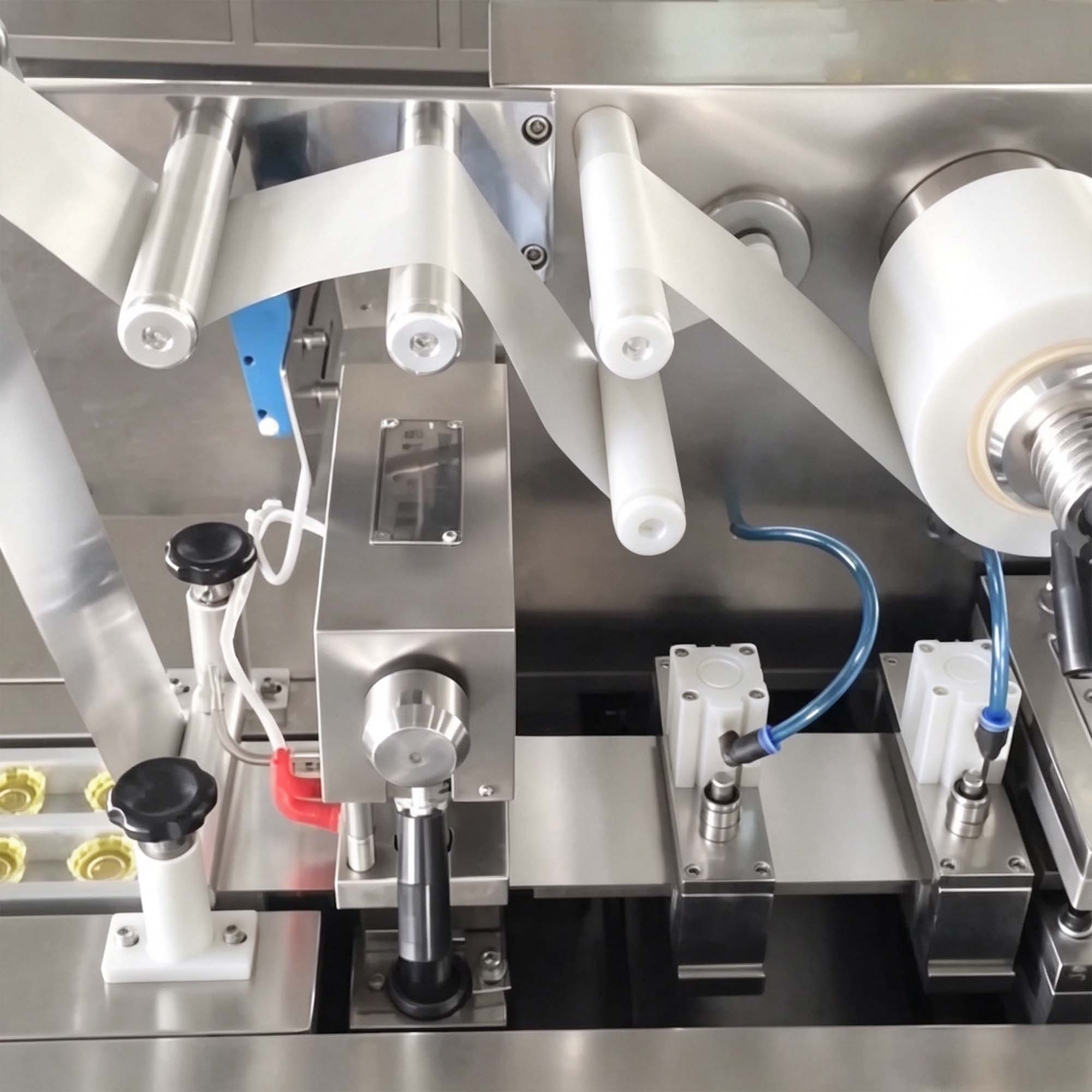
Utilizes a photoelectrical control system for automatic material feeding (PVC/PTP/ALU) and waste side trimming. This holds registration even across multi-station, over-length production distances.
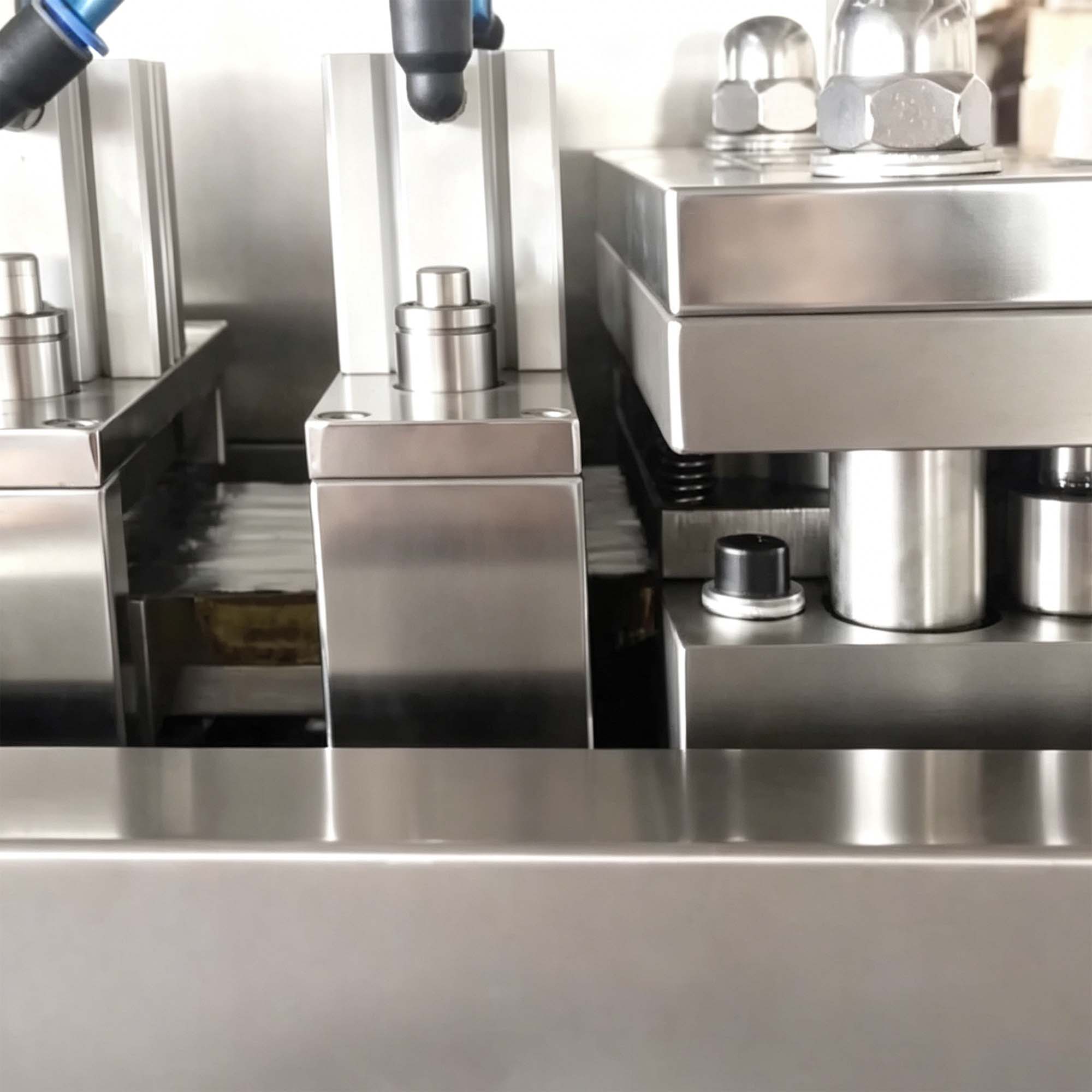
SS 316L Contact Parts, Modular Tooling
Featuring SS 316L/304 construction and a rack-and-mandrel changeover with a graduated scale system. The machine is suitable for pharmaceutical, food, medical instrument, and electronics industries.
Technical specification
| Feature | Specification |
| Model | DPP-80 Compact Flat-Plate Blister Packaging Machine |
| Punch Frequency | 10-33 times/min |
| Production Capacity | 1980 plates/hour |
| Standard Plate Size | 80 x 57mm(Customizable) |
| Max Forming Depth | 15mm(Standard) / 25 mm(Custom) |
| Standard Stroke Range | 30-80mm |
| Power Supply | 220 V, 50/60 Hz, single phase, 2.4 kW — built to your local supply |
| Compressed Air | ≥0.3 m³/min |
| Weight | Net425kg/ Gross 475kg |
| Overall Dimension | 1840×590 x1100mm |
Model comparison
Model | Type | Punch freq. | Output | Forming area | Power |
DPP-80 | Flat plate | 10-33 times/min | 1980 plates/hour | 80 mm | 2.4Kw |
DPP-120H | Flat plate | 10-35 times/min | 2,400 – 4,200 plates/hour | 120 mm | 4.5Kw |
DPP-150E | Flat plate | 10-40 times/min | 3,600 – 7,200 plates/hour | 150 mm | 6.5 Kw |
DPP-180H | Flat plate | 10 – 50 times/min | 4,800 – 9,600 plates/hour | 180 mm | 8.5 Kw |
DPP-260H1 | Flat plate | 10–50/min | 6,000–12,000/h | 260×180 mm | 9.5 kW |
DPP-260H2 | Flat plate, servo | 10-50 times/min | 6,000 – 12,000 plates/hour | 260 mm | 9.5Kw |
DPH-260H | Rotary | 40 – 140 cuts/min (Alu/Plastic) |40 – 80 cuts/min(Alu/Alu) | 6,000 – 18,000 plates/hour | 260 mm | 9.5Kw |
DPH-380H | Rotary | Up to 600 cuts/min | Up to 45,000 plates/hour | 380 mm | 15 Kw |
Flat plate and rotary are two different machines, not two speeds of one. Flat plate stretches the film against a mould with positive air pressure and a mechanical punch. Rotary forms and seals on a drum with line contact. The difference shows up in material waste, changeover time and what the machine costs you per plate — see the comparison below.
What changing over involves
A format set is four stations, not one part.
What changed | What you adjust | Roughly |
Same format, new batch | Nothing | — |
Plate layout or pocket size changes | All four moulds — forming, sealing, embossing, cutting | 15-30mins |
Alu-PVC → Alu-Alu | Moulds, and the feeder — if you specified the Alu-PVC universal feeder, it cannot be converted | Not a changeover |
Tablets → paste or liquid | Moulds and a different feeder entirely | Not a changeover |
All four stations sit on a rack mandrel with a ruler. You turn the handle and read the scale rather than aligning by eye — which is what keeps a format change to minutes rather than a morning.
What to check before you buy
The tooling, not the machine
A format set covers four synchronised stations. Ask any supplier who designs the pocket layout, how long a new format takes to make, and what it costs. That's where a blister project succeeds or fails.
The feeder, before you order
An Alu-PVC universal feeder cannot run cold-formed Alu-Alu, and it cannot be converted afterwards. Ask which feeder you're being quoted and what it locks you out of.
Installation and training
Ask what's included and what costs extra. The answer varies more between suppliers than the machine price does.
Why Choose AIPAK?
Tooling Is the Machine
On a blister line, the tooling is where the machine is won or lost. A single format set covers four synchronised stations — forming, sealing, embossing and cutting — and they have to work as one. Send us your tablet or capsule samples and we design the pocket layout around your product, not the other way round.
Material and Feeder Matching
Alu-PVC, cold-formed Alu-Alu, tropical blister and medical dialysis paper each behave differently, and so does every feeder type. A universal Alu-PVC feeder cannot run cold-formed Alu-Alu — if you may move into Alu-Alu later, that decision has to be made before the machine ships, not after. We ask about your material and dosage form first, then specify the feeder.
Support & Factory-Direct
You buy from the factory, not through a trading company — which means custom modifications are a conversation with our engineers rather than a request passed down a chain. Remote diagnostics, spare parts and operator training come from the same team that built your machine.
Applications Where This Machine Is Running
An 80 mm plate is small. That’s a limitation on a production line and an advantage in three other places.
Tablets and capsules in trial formats
Your actual product and your actual foil, in a pocket designed around it — before you buy tooling for a wider machine. The four-station sequence is the same as on our production machines; what changes is the plate size.
Pilot batches and marketing samples
Vitamins, herbal softgels and functional candies in short runs. 1,980 plates an hour is enough for a sample launch and not enough for a product that sells.
Small medical devices
Syringes, needles and dental tools sealed to dialysis paper, 50 to 100 g. A single-item pack doesn’t need a 260 mm plate, and a narrow plate wastes less foil on it.
Small components and hardware
Moisture-proof sealing for electronic parts, where the blister is a carrier rather than a dose. PVC 0.15 to 0.5 mm covers most of these.
DPP-80 Blister Packaging Machine FAQ
The DPP-80 uses Flat-Plate technology, which is the “Universal” choice for smaller footprints and flexible production. Unlike rotary systems, it offers a longer sealing time for better integrity on ALU/ALU packs and significantly lower tooling costs, making it the most cost-effective solution for R&D and pilot plants.
Yes. The DPP-80 features a modular mold design where the plate size (80x 57mm) and stroke range (30–80mm) can be specifically designed according to your requirements. We also offer custom deep-forming options up to 25 mm for larger or uniquely shaped items.
The main driving shaft is chain-driven rather than gear-driven. Gear transmissions accumulate backlash as they wear, and that shows up as drift in the cutting position months into a run. A chain drive is also noticeably quieter.
Absolutely. The machine includes a built-in embossing station for batch coding. For premium branding, you can opt for the Photocell Correction device and stepper motor traction, which ensures perfect alignment of your printed graphics and text on every blister.
It is a multi-material system. It supports PVC hard film (0.15–0.5mm), PTP Aluminum film (0.02–0.035mm), Cold-forming Aluminum, and Dialysis Paper (50–100g), allowing you to switch between different packaging formats quickly.
The format logic transfers — same four stations, same sequence. The tooling does not: an 80 mm plate set won’t fit a 120 or 150 mm machine. Plan on new tooling when you scale, and tell us at the development stage so we design the pocket with that in mind.
220 V single phase, 50/60 Hz, built to your local supply. This is the only machine in our blister range that doesn’t need three-phase — which is usually what decides whether it can go in a development room rather than a production hall.
Customers Also Interested In...
DPP-120H
2,400–4,200 plates/hour three-phase
The next step up. Roughly twice the output and a larger pocket, but it needs three-phase supply and new tooling.
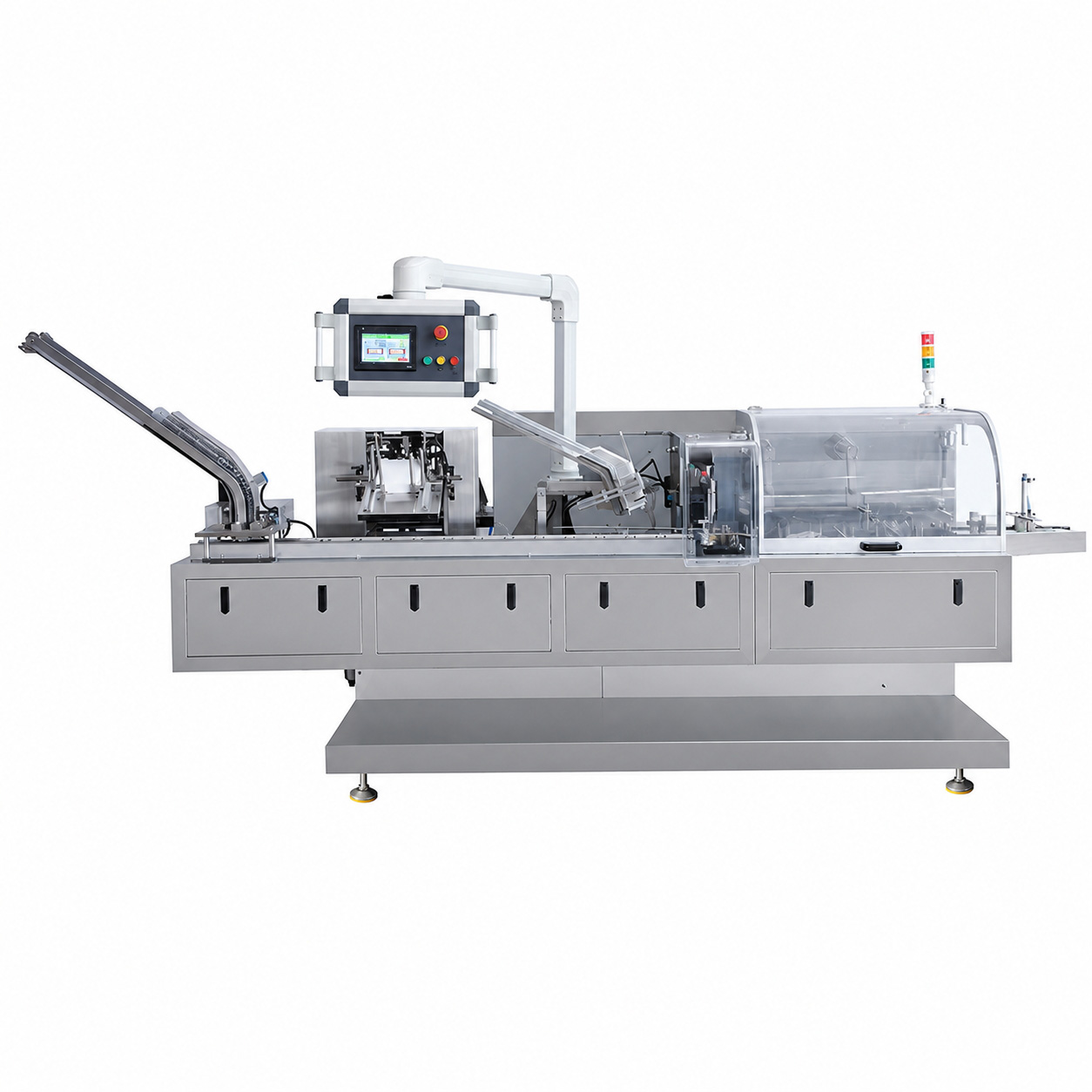
DPP-150E
mid-range production
Where most formats end up once they're proven. Worth looking at now if your two-year volume is already above what the 120H does.
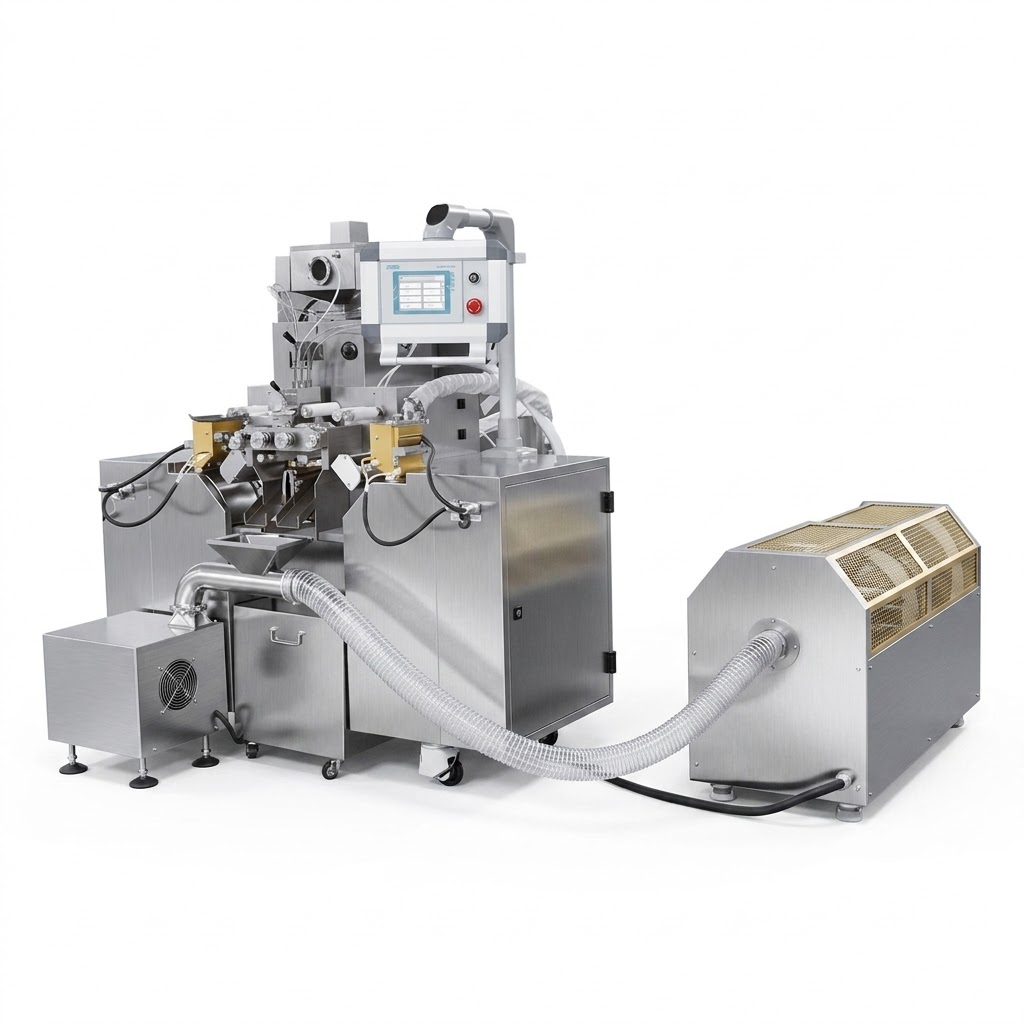
Cartoning Machine
Send Us Your Product and Your Foil
You’re proving a format, not scaling one. So the useful thing isn’t a quotation — it’s knowing whether your tablet forms cleanly in the pocket you have in mind.
Send us your product samples, or a drawing, and tell us what foil you plan to run. We’ll design the pocket layout and run it before you order. If the item needs more depth than a standard build gives you, we’d rather tell you now.
- Reply within one business day
- Pocket layout designed from your samples, free
- Video of your product running before shipment