
Changeover time depends on what changes and how many stations those changes affect. Switching products, bottle sizes, or closure types involves different work. When comparing two lines, first establish whether the quoted time includes cleaning and trial runs. Otherwise, the two figures may describe very different tasks.
Separate product changes from packaging changes
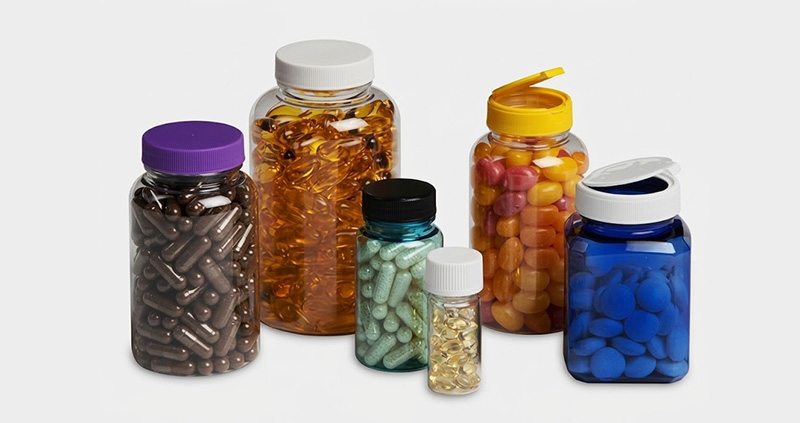
A product change means switching, for example, from capsules to tablets while keeping the same bottle and cap. The focus is on the counter’s product-contact parts, feeding and counting settings, and confirming that the next product runs correctly.
A packaging change may leave the product unchanged while altering the bottle diameter, height, shape, neck finish, or closure type. Check the affected unscrambling, conveying, filling, cap feeding, capping, sealing, and labeling stations. Product and packaging changes can also happen together.
Define the actual switch
Ask what it takes to move from a specific capsule and bottle-and-cap combination to a specific tablet and packaging combination. Provide actual samples for both, the count per bottle, and the packaging requirements. That gives us a basis for identifying cleaning, adjustment, and parts-change work.
For production scheduling, we recommend recording the downtime from the end of normal production on the previous batch until the next batch has completed its trial run and is ready to continue. Some preparation can overlap across operators. Record the line’s actual downtime rather than simply adding every task’s labor time.
Start with what changes
When both products are confirmed compatible with the same configuration and the bottle and cap stay the same, changeover is usually simpler. Remove the previous product, clean the relevant contact parts, adjust the counter, and trial the next product. Keeping the same packaging reduces the mechanical work associated with bottle and cap changes.

Switching from capsules to tablets involves more than changing a product name on the screen. Match the feeding and counting settings to the new product, check the count per bottle, and clean the vibratory trays and other relevant parts. If size, stickiness, or dust levels differ significantly, confirm that the existing setup still suits the product.
If the selected model supports saved product recipes, record or recall the confirmed settings by SKU. After loading a recipe, still check the current product, count per bottle, and actual running results. Saved settings do not perform the cleaning or mechanical adjustments for you.
Our another article “Can One Bottling Line Handle Tablets, Capsules, Softgels, and Gummies?” explains how to assess whether products can share the same feeding and bottle-filling configuration. Here, the starting point is that compatibility has already been confirmed for both products. We can then assess the work needed to switch between them.
When planning new SKUs, reuse bottle formats, neck finishes, and cap types where product protection, pack quantity, and branding allow. This can reduce repeated adjustments to unscrambling, capping, and labeling. Confirm actual downtime for the specific product pair, cleaning requirements, and test conditions.
Same bottle and cap: three checks
Bottle changes involve different work depending on which dimensions or features change. Small diameter differences, greater height, a major diameter change, a new closure, and round-to-square switches affect different stations. First confirm that both formats fit the selected equipment, then identify quick adjustments, change parts, and any structural differences requiring further assessment.
Small diameter change: check the existing adjustment range
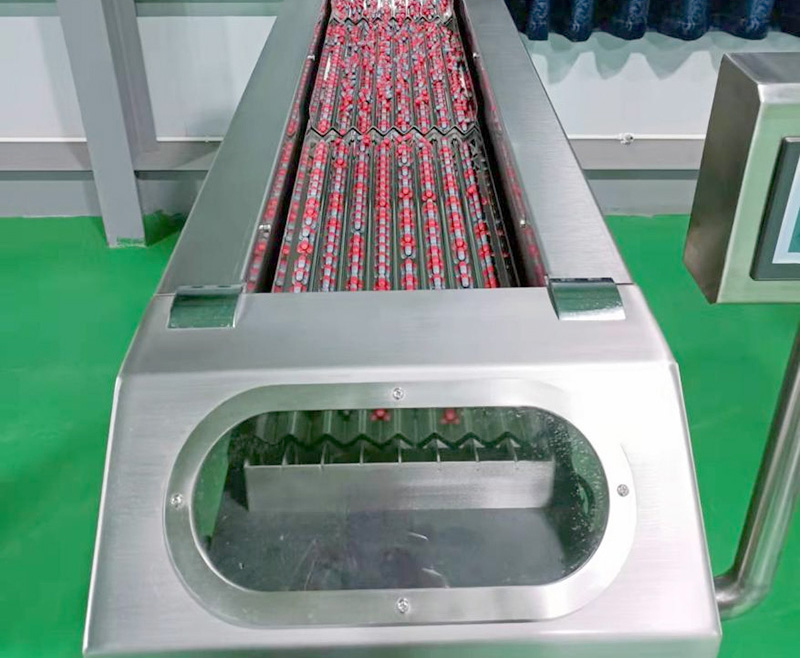
If the new bottle stays within the range of the existing change parts and guides, minor guide-rail or gripping-position adjustments may be enough. Parts replacement may not be necessary. Confirm this against the actual bottle diameter, neck finish, and machine model, rather than judging by appearance alone.
Height change: focus on the capping working height
On our standard configurations of this type, a bottle-height change mainly affects the capper’s working height. Also check the filling position and relevant sensors. Labeling adjustments are often limited when bottle diameter, label format, and label position stay the same. If the label position changes, adjust that as well.
For induction sealing of plastic bottles with foil liners, a height change usually calls for realigning the sealing head. After adjusting the height, confirm the sealing conditions and results for the actual bottle, cap, and liner combination.
Major diameter change: adjustments may extend from unscrambling to labeling
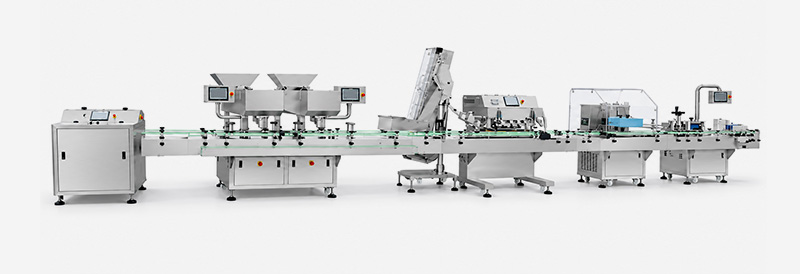
If the diameter moves beyond the range of the existing change parts, the unscrambler may need a different sorting disc or other format-specific parts. Conveyor rails, capper gripping positions, and labeler guides also need to match. Check the counter’s bottle-neck alignment and discharge position. The required parts depend on the selected model and both bottle samples.
Mechanical adjustments to the induction sealer are often relatively limited when the bottle neck, cap, and liner remain suitable for the existing setup. If the neck, liner, or conveyor speed changes, recheck sealing-head suitability and settings. Fewer mechanical adjustments still require confirmation of the sealing result.
Closure change: distinguish screw caps from press-on caps
A cap-size change affects cap feeding and capping. Switching from screw caps to press-on caps also changes the closing action and mechanism. Do not assume a settings change can cover both. Specify both closures when selecting the line and confirm the mechanisms, change parts, and switching procedure.
Round to square: expect a broader compatibility check

A bottle-shape change affects unscrambling, guiding, gripping, and labeling. It is usually more involved than a small size change between similar round bottles. First confirm that the equipment supports both shapes, then identify adjustments and replacement parts. If the configuration is incompatible, allowing more changeover time will not resolve the mismatch.
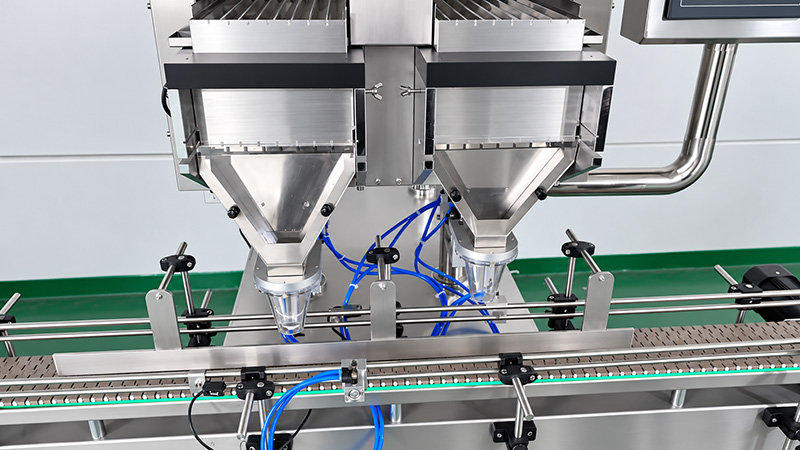
Toolless changeover usually means that certain height, guide, or gripping-position adjustments use handwheels, handles, or buttons. These are common features in the industry. Whether tools are needed for replacing format parts, tooling, or mechanisms depends on the model. Ask the supplier to identify the quick-adjustment points and the parts that must be changed.
Cleaning is part of a product changeover. Remove the previous batch’s residue from vibratory trays and other product-contact parts, and handle dusty areas according to the equipment instructions. Include any required disassembly, drying, reassembly, and subsequent trial run when planning the line’s actual downtime.

Follow the product path through the hopper, vibratory trays, channels, and discharge area. Use the selected equipment’s instructions and your product-cleaning procedure to determine what needs cleaning and which parts can be removed. An empty tray surface alone does not establish that the product path is clean.
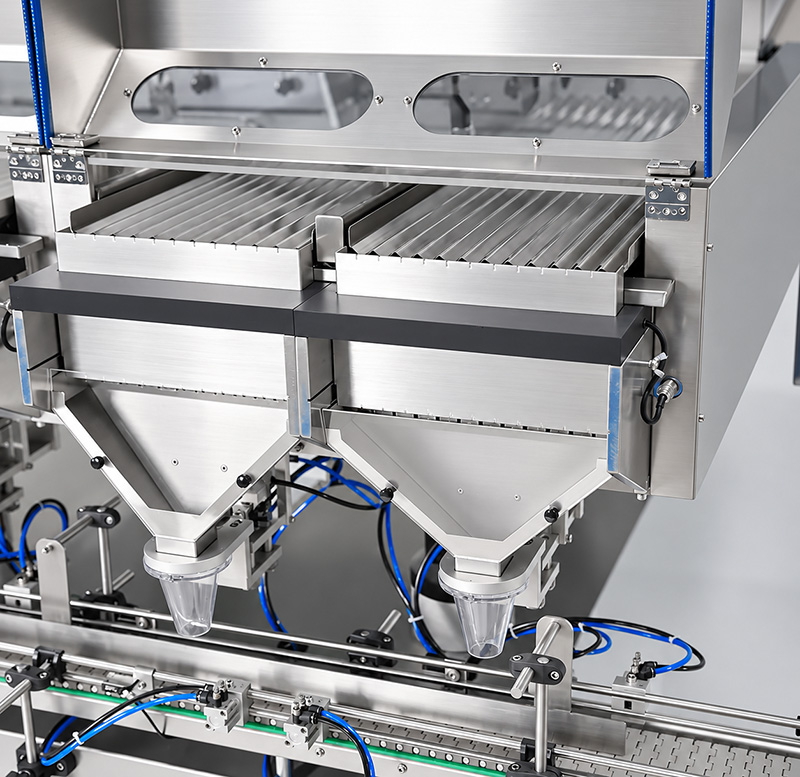
Dusty products or sticky residue may require more cleaning work. Select cleaning methods, cleaning agents, and drying requirements for the equipment materials and product conditions. Do not assume every product-contact part can be rinsed directly with water.
Reassemble as instructed, then trial the next product with its actual packaging. Check the count per bottle, product flow into the bottle, and the results of the configured capping, sealing, and labeling operations. Resume normal production after confirming that the next batch runs correctly.
To compare changeover efficiency, record mechanical-adjustment time, cleaning and reassembly time, trial-run time, and the line’s overall downtime. This shows where time is being spent and which part of the next changeover is worth improving.
Include cleaning and restart checks
Assess changeover across the whole line. More stations that need to follow a product or bottle change usually mean more coordination. Include desiccant insertion, bottle cleaning, and other configured stations. Operator familiarity, parts readiness, and smooth transfer between upstream and downstream equipment also affect how the next batch starts.
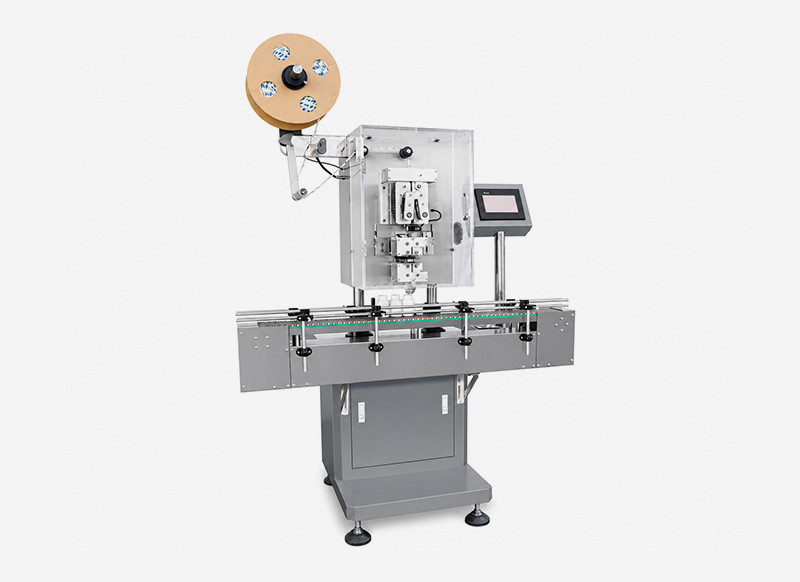
AIPAK’s inserting machine
For a desiccant station, check the next SKU’s insertion requirements, consumables, feeding setup, and bottle-handling conditions. For a bottle-cleaning station, check the new bottle’s compatibility, positioning, and cleaning requirements. If a SKU does not use a process, the line design should establish whether and how that station can be bypassed or disabled.
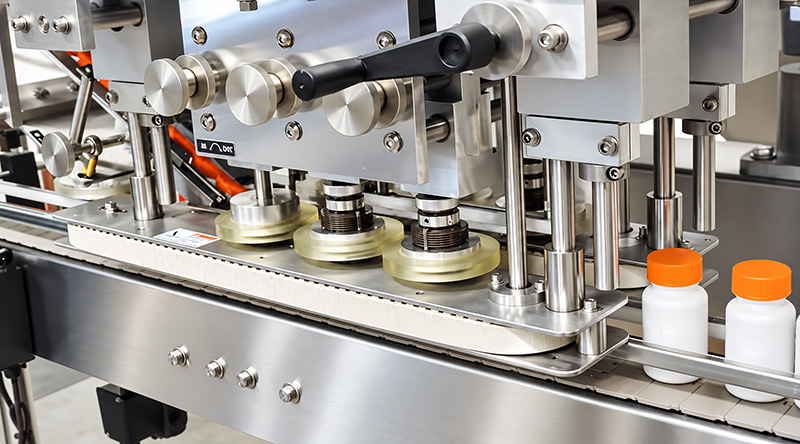
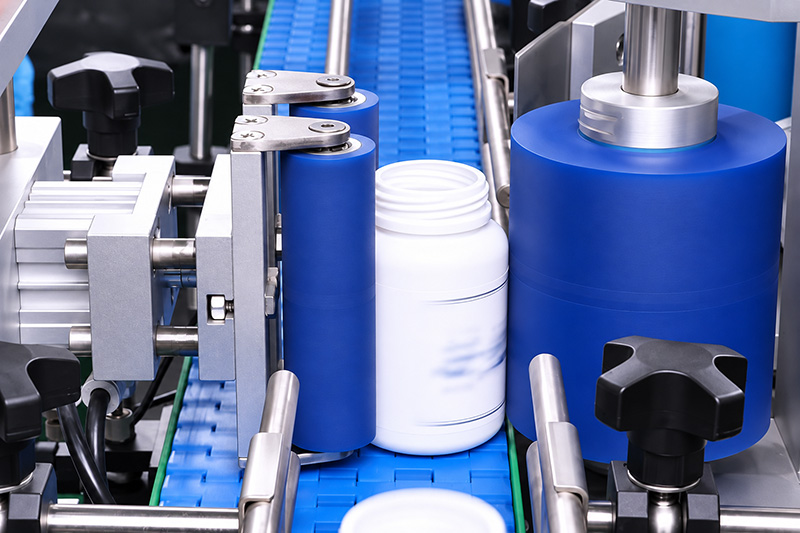
Bottle capping & labeling process
The counter may be ready while a downstream station is still being positioned, tested with caps, or adjusted for labels. The next batch has not completed its line changeover until those stations are ready to run together.
Line length alone cannot be converted into a fixed changeover time. Identify the affected stations, the preparation that can happen in advance or be coordinated, and how line performance will be checked. A station-by-station review of your common switches is more useful than comparing machine counts alone.
Shorter changeovers depend on equipment adjustments, product planning, and production scheduling. Reduce unnecessary packaging differences, group similar SKUs, and prepare parts and confirmed settings in advance. Follow consistent cleaning and trial-run steps, then use your records to identify the tasks taking the most time on the line.
Standardize some bottle and cap formats

Where product protection, pack quantity, and branding permit, standardize bottle bodies, neck finishes, and closure types. Identify the differences you need to retain before equipment selection, rather than discovering after installation that daily production requires repeated changes of a full set of format parts.
Schedule similar bottle formats together

Where delivery commitments and product-cleaning requirements allow, run SKUs with similar bottle diameters, heights, and cap types consecutively. This reduces repeated large adjustments. Scheduling must still follow your product-separation and cleaning procedures; do not skip cleaning to avoid another machine adjustment.
Ask which points adjust and which parts change
Give the supplier both sets of products, bottles, and caps. Ask for a station-by-station list: height adjustments, guide changes, settings, or replacement format parts. Any recipe storage, position marks, or adjustment scales supported by the selected model should be identified in the configuration and operating instructions.
Prepare frequently changed parts as a set
Label the confirmed change parts by bottle format or internal part number. Have the required tools, setup records, and next batch’s packaging ready. This reduces time spent searching for parts, checking versions, or guessing previous positions after the line has stopped.
Standardize cleaning, reassembly, and trial runs
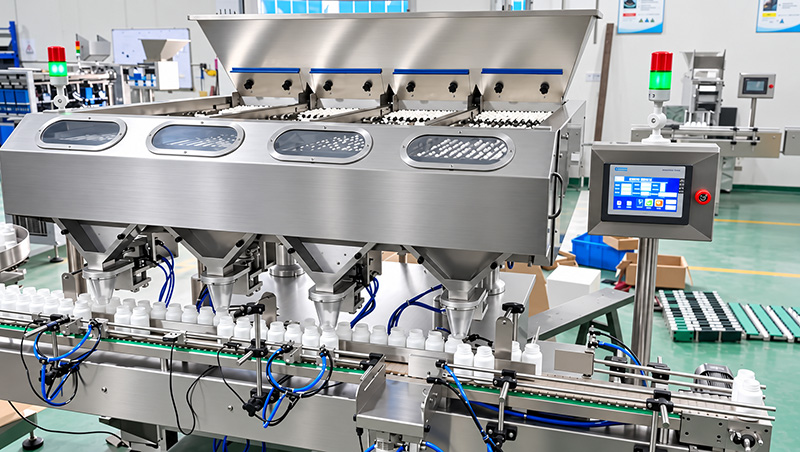
AIPAK trial testing
Record the old and new SKUs, what changed, the parts and settings used, and when the line stopped and resumed production. The next time you run the same switch, you have a setup record to check. New SKUs still need their compatibility and running conditions confirmed.
During line selection, choose several common switches or pairs with larger differences. Agree with our factory on the test scope, cleaning requirements, and timing boundaries. Assessing actual products and packaging gives you a stronger basis for a decision than a changeover figure detached from its operating conditions.
