
What Cartoning Speed Do You Actually Need?
If you’re choosing a cartoner, let’s start with two things: the output your job needs and what the machine can do with your product, carton, and feeding setup. Then we’ll look at how products arrive from your upstream line, so we can check how the whole setup fits your production.
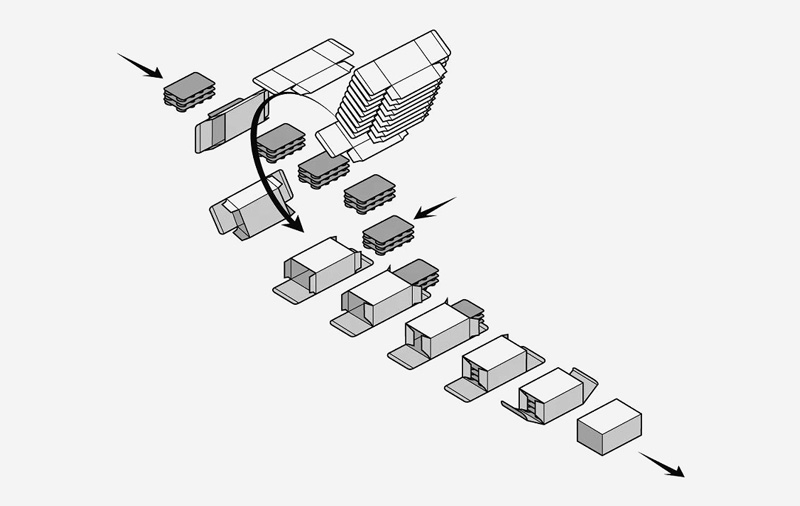
Start with your target. Check the packaging and feeding conditions. Then compare them with actual run results.
A brochure speed comes with a particular machine and set of conditions. We’ll start with how many good cartons you need and the time you have. Then we’ll work through your product supply, packing format, and upstream connection before discussing a machine and configuration.
The cartons and clock are illustrative. We start with your production target, then check equipment output under the conditions that apply to your job.
01 / START WITH YOUR TARGET
What output do you actually need?
Tell us how many good cartons you need to finish and how much production time you have. By good cartons, we mean finished cartons that meet the requirements for your job. Those two numbers give us your required average output. We can then check a specific machine with your product, carton, and feeding conditions in mind.

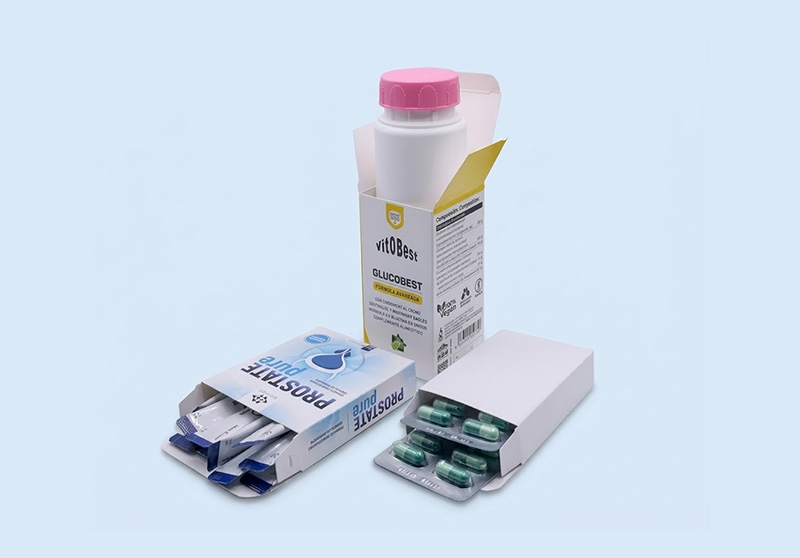
How many cartons do you need?
If your target is in bottles or pouches, tell us how many go in each carton so we can work out the number of full cartons. We can also discuss any leftover items or mixed-pack requirements.
How much run time do you have?
Use the minutes available under your actual production schedule. If you’ve already allowed for changeovers, cleaning, or other planned activities, don’t subtract the same time twice.
Unit: good cartons per minute. Use the quantity and time for the same job.
Use your actual schedule to find the available time. Segment lengths are illustrative. Don’t subtract changeover, cleaning, or other time you’ve already allowed for.
This gives us the target for your job. Next, we’ll check machine output under your actual packaging conditions and discuss how much headroom makes sense. If some downtime is still unknown, list it now so we can review it later using run records.
Want to use your own numbers? Open the calculator ↓
What average good-carton output does your job need?
Enter your target quantity and available minutes if you'd like to work it out. The result stays on this page and helps you describe the job.
Use the time available for the same job as the quantity above. We'll discuss unknown downtime and selection headroom using actual records. This tool applies no preset efficiency factor.
With a target in hand, let’s look at what your product, carton, and feeding method ask of the cartoning process.
02 / CHECK YOUR PACKAGING CONDITIONS
Why can a different product or carton change the speed?
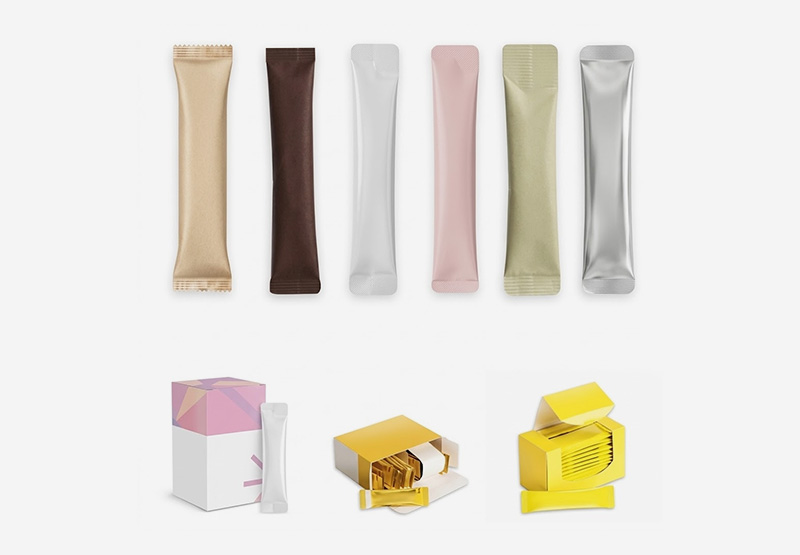
Let’s look at the carton style, the product, how many items go in each carton, and how those items arrive. An actual speed result needs those conditions alongside it. With that information, we can compare cartoners and feeding setups for your job.
Look at the carton, product, and feeding method together. This illustration makes no claim that one format is inherently faster or that one machine handles every product shown.
| What we'll review | What you can tell us | How it relates to speed |
|---|---|---|
| Carton and packing format | Your carton style, closure, and actual samples—for example, tuck-in flaps, a locking bottom, or hot-melt glue. | Check how products enter the carton and how it closes, using the actual sample carton. |
| Product and items per carton | Bottles, blisters, tubes, or pouches; one item or several items in each carton. | Check the positioning, grouping, and loading steps your pack needs. |
| Product supply and feeder | How products arrive, and whether you'll place them by hand or use automatic arranging, orienting, or grouping. | Check how many products the feeding setup can actually prepare and deliver to the loading position. |

One bottle per carton and several stick packs per carton call for different handling steps. If you change products often, tell us which carton and feeding method goes with each one. Then we can look at how to configure the setup.
Let us know if you also need a leaflet, inspection, or further packing after cartoning. Here, we’re identifying the packaging conditions that matter to speed. We can go into the closure and feeding details when we review the specific solution.
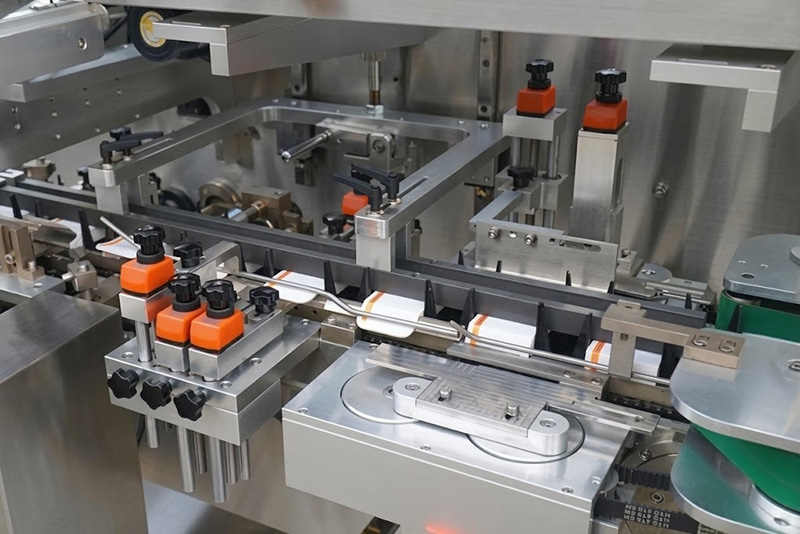
A photo is enough to start the conversation. Send a product or carton photo, or a short video of how products arrive. If you don’t have drawings yet, just tell us how you’d like to pack them.
Once the packaging conditions are clear, let’s put them back into your line. How many products does the upstream process actually supply, and how do they arrive?
03 / INCLUDE YOUR UPSTREAM LINE
Can your upstream line feed the cartoner the way it needs?

If your upstream line is already running, let’s check its actual output and the state of the products at handoff. Then we can compare them with your cartoning target. Your line may count bottles or pouches per minute, while the cartoner counts cartons per minute. When each carton holds several items, we first need to put both rates in the same unit.
For a multi-item pack, convert upstream items per minute into an average carton supply rate first. Then compare it with your cartoning target. The quantities and product arrangement are illustrative.
Actual upstream output
Look at how many products arrive during an actual run and how much that output varies over the period.
Products at handoff
Check direction, spacing, and grouping, plus any arranging still needed before loading.
Cartoning and downstream handoff
Review how feeding, cartoning, and finished-carton handoff work together. Confirm interfaces and buffers for the specific setup.
For example, if your bottling line delivers upright bottles, we need to look at their orientation, separation, and path to the loading position. If incoming stick packs aren’t lined up yet, we’ll include arranging, grouping, and feeding in the review.
Planning to load products by hand? Tell us that, too. We’ll look at your actual loading arrangement and compare the quantity it can deliver with the target for the job.
My line counts items. How do I convert that to cartons? ↓
If each carton holds the same number of items and the incoming products can form full groups, divide actual upstream items per minute by items per carton. That gives the average supply rate in cartons per minute.
Even when the averages match, we still need to check direction, grouping, output variation, and how stops are handled. We'll work through the interfaces and buffer design for your specific line.

Once the target, packaging conditions, and upstream supply are clear, we can check how many good cartons the proposed setup produces using the relevant samples and configuration.
04 / CHECK THE ACTUAL RUN
How do we check that the setup can meet your target?
We look at your actual product, carton, feeding method, and the proposed configuration together. Then we count the good cartons completed over a clearly defined period and compare that output with your target. Keeping the conditions with the result helps us judge how the setup fits your line.
Keep samples, configuration, timing, and good-carton counts together in the trial record. This concept illustration is not a trial report or an acceptance result.
| What do you want to confirm? | What we'll look at together |
|---|---|
| Do the packaging conditions match? | Your actual product, items per carton, carton, closure, and any leaflet requirements. |
| Does the feeding setup match? | Manual or automatic feeding, incoming product state, arranging and grouping equipment, and staffing arrangements. |
| Can the output meet the target? | Timing start and end points, good cartons completed, and any issues or activities within that period. |
| Does it fit your production schedule? | Which products you'll run, how you plan changeovers, and any conditions that still need a separate check. |

If you’re looking at a trial result, we’ll explain the samples, configuration, and timing scope behind it. If you plan to run several products, we’ll list the conditions to check for each one.
Then we’ll return to the target from section 1: how many good cartons do you need in the time you’ve allowed? With the relevant run results alongside that target, we can discuss machine selection and headroom. We’ll confirm trial arrangements and counting rules for the project.
05 / TURN THE TARGET INTO A SETUP
How do you choose—and what can you send us?
You’re comparing a cartoning setup that needs to finish your job. Share your target output, available time, packaging conditions, and upstream details. Using the run evidence, we can discuss a machine, feeding configuration, and headroom, then list what still needs to be confirmed.


AIPAK’s cartoning line
- You change products often: Let’s look at each product, its carton, and your changeover plan so we know the time available for each job.
- You run the same product for long periods: Focus on actual run results under that product’s packaging conditions and compare them with the output your job needs.
- You already have an upstream line: Let’s check actual output, incoming product state, and handoff requirements to see how feeding and cartoning will work together.
- You’re still planning: Start with the product, items per carton, and your output goal. We can help you work through carton design and the cartoning setup.

Comparing intermittent-motion and continuous-motion cartoners? ↓
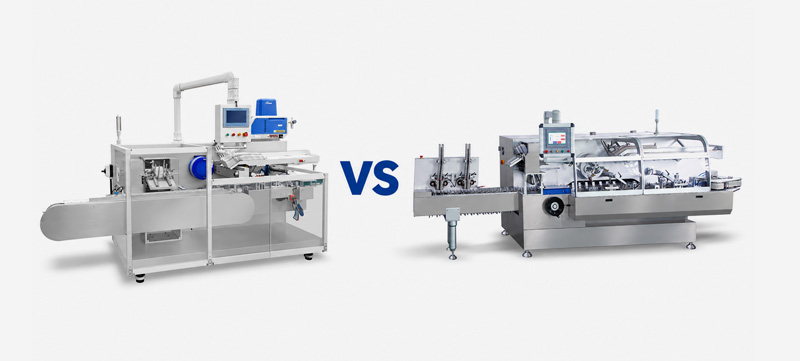
Once your target and packaging conditions are clear, we can explain how feeding, loading, and closing work together on the candidate machines, then compare their actual run results. We'll discuss motion type, drive and control, and configuration as separate parts of the comparison.
If changeovers or maintenance matter to you, bring those needs into the discussion, too.
Start with: “Here’s what I pack, how many items go in each carton, how they arrive, and when I need the job finished.” Add product or carton photos, drawings, or video if you have them. You can also start with a description and no files.
Questions you may have
A few more things we can work through together.
Yes. Tell us whether the target is in cartons, bottles, or pouches, and how many items go in each carton. Then we’ll look at the production time available for that job. You can list anything you’re still unsure about.
If the pack count is fixed and products can form full groups, convert upstream items per minute to an average carton supply rate using items per carton. We’ll also check direction, arranging, grouping, and output variation.
Your carton, product, items per carton, and feeding configuration define the packaging conditions for your job. We need those conditions alongside the run result to compare it with your target.
Film from where products leave the upstream process to the planned cartoner handoff. Show direction, arrangement, and grouping. Tell us the actual output and items per carton, too. A written description is fine if you don’t have a video.
Start with the job, packaging conditions, and product supply. Then compare the actual motion, configuration, and run results of the candidate machines. We’ll explain the conditions that apply to each option.
Yes. Tell us what you pack, roughly how many items go in a carton, how products arrive, and your output goal. Send photos or video if you have them, or just describe the job. If the carton isn’t decided yet, we can help you work through its design and the cartoning setup.
START WITH WHAT YOU HAVE
Send product and carton photos, drawings, or a short video of your upstream infeed. Production targets and run records help, too. You don’t need a complete file set to get started. Tell us what you’re packing, how many items go in a carton, how they arrive, and when you need the job done.
You’re already producing
Share the schedule, existing run records, or what you’d like to improve.
You have a product or carton
Send photos, dimensioned drawings, or video so we can work through the packaging conditions.
You’re still planning
Describe your product and idea. We can also discuss carton design and the cartoning setup.
A short description and one contact method are enough to start. Photos, full dimensions, and other details can follow later.
Prefer to talk it through?
You can start with: “I’d like to check what cartoning speed this product needs.”
Table of Contents
Tell us about your product, items per carton, and upstream process. We’ll work through the target and setup together. You can start with incomplete details.