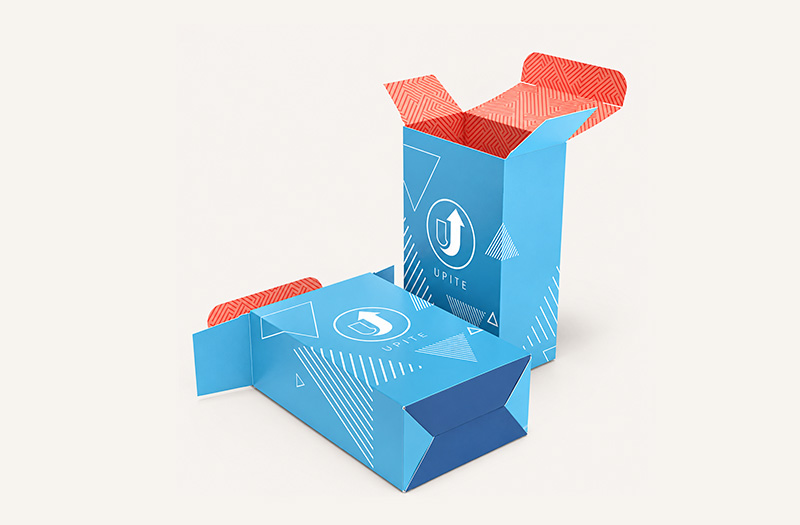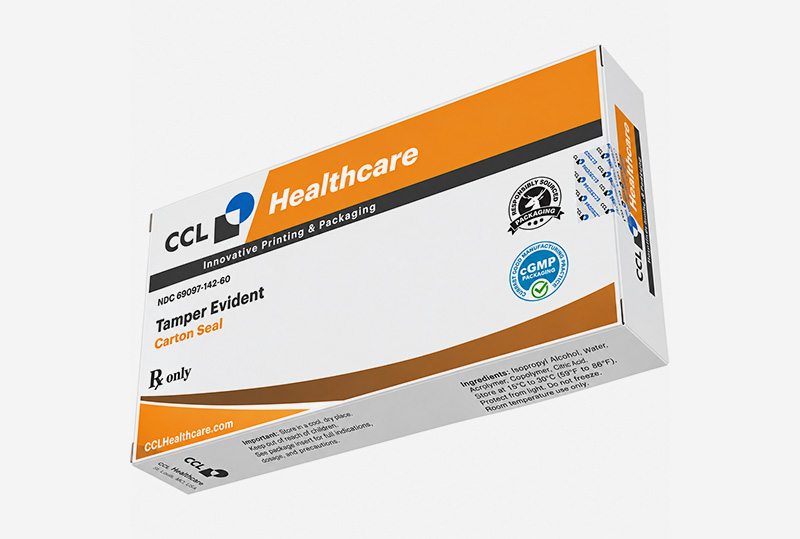
Tuck-In, Lock-Bottom, or Glue? Let’s Start With Your Carton.
You may have a carton and want to know if a machine can run it. Or you may have a product and no carton yet. Either way, we can start with what you have.
Here’s where we start
We look at both ends of your carton and the product inside. If you want to use a different closure later, tell us before you order. Two cartons can have the same dimensions and still need different closing equipment.
A flap tucks into the opening
Bottom flaps lock together
Overlapping flaps are glued
Three closure concepts, side by side. A carton can use one closure at the top and another at the bottom, so we check both ends.
01 / LOOK AT THE CARTON
Start with how it closes. The names can come later.
Open the top, then turn the carton over and look at the bottom. We need to see how the flaps close, along with the carton’s length, width, and height.
TUCK-IN
Tuck-in: find the tuck flap
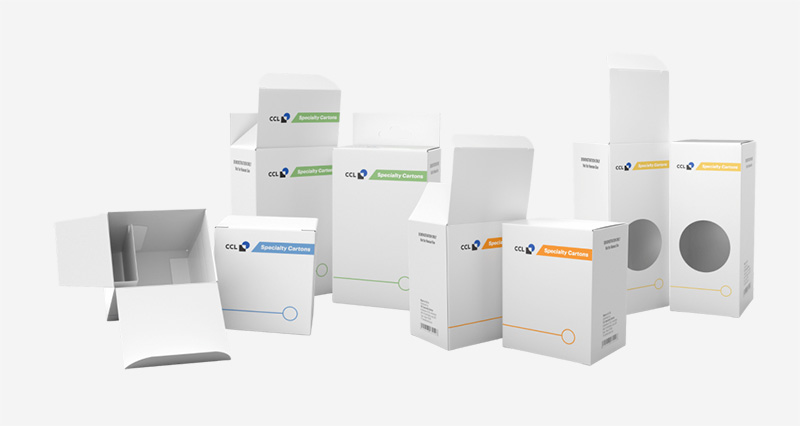
Does a small flap tuck inside the opening when you close the lid? That’s a tuck-in closure. Leave the flap visible in your photo so we can see its shape.
BOTTOM STRUCTURE
Lock-bottom: turn it over

If the bottom flaps lock together, show us the bottom both open and closed. “Lock-bottom” is a starting point; we still need to see your exact flap design.
HOT-MELT GLUE
Hot-melt glue: find the overlap

If the flaps need glue to stay closed, we’ll look at where they overlap, where the glue goes, and the result you need. The glue system is part of that discussion, too.
Your carton may have a tuck-in top and a different bottom closure. If you tell us it’s a tuck-in carton, we’ll still want to see both ends.
Not sure what your closure is called? That’s fine.Send us a clear photo of the top and another of the bottom. We can identify the structure together.
02 / MATCH THE MACHINE
Want one machine to run two carton styles? Show us both.
Say you use tuck-in cartons now but may add glued cartons later. Tell us before you order. We can then discuss whether you need one closure setup or a dual-purpose setup, and what equipment to include.
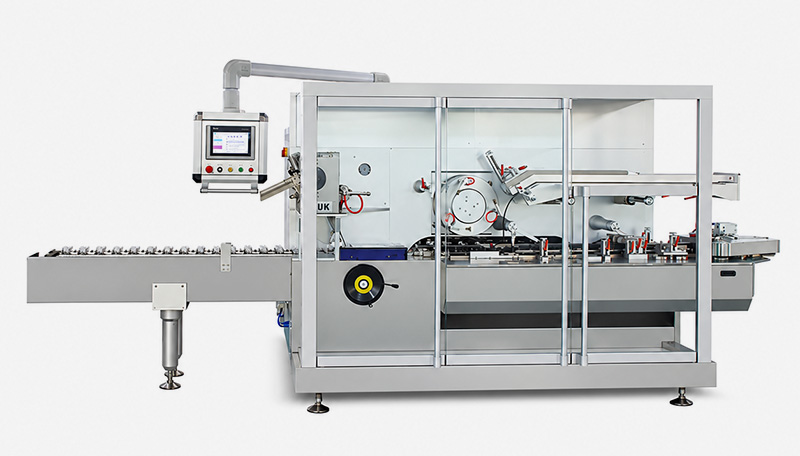
AIPAK’s cartoning machine
Our new servo cartoner can be ordered for tuck-in closure, hot-melt glue, or both. The glue system is optional. We’ll confirm the changeover steps, adjustments, and any parts you need against your cartons and the selected configuration.
| What you want to do | What we’ll check with you | What helps us get started |
|---|---|---|
| Run tuck-in and glued cartons | Plan a dual-purpose setup when ordering the new servo cartoner. Check the closing equipment, glue system, and changeover steps. | Both cartons, the product for each, and your target output. |
| Run tuck-in and lock-bottom cartons | Identify the bottom design first, then check the machine and parts it needs. | Top and bottom photos. Include a carton layout drawing (dieline) if you have one. |
| Change the closure on a machine you own | Review the machine’s existing setup before deciding what needs to change. | Machine model, photos or video of the closing section, and the new carton. |
BEFORE YOU ORDER
“I’d like to run this carton later, too.”
Show us the future carton now so we can discuss it while planning the machine.
AFTER DELIVERY
“I want to switch to a different closure.”
We’ll need to review the machine first. A closure change may involve more than a size adjustment.
03 / THINK ONE CARTON AHEAD
Your next carton doesn’t have to be final. Just tell us what may change.

If you have one product today, we can start there. If you already expect new sizes, a different bottom, or glued cartons, include those plans in the conversation.
A reference photo or a rough sketch is enough to start discussing a new design. We can help you work through the carton concept, then check it against the cartoner setup.
Tell us about today’s pack
- What’s inside, and how many go in each carton?
- How do the top and bottom close?
- Are you packing by hand or using a machine?
Tell us what could change
- Just the size, or the closure as well?
- A new product, pack count, or carton style?
- What’s decided, and what’s still an idea?
“We may use glue later” is a useful plan, but it’s different from having a final glued carton. We can record the plan now and confirm compatibility once the structure is clear.
04 / IF YOU CHOOSE GLUE
Let’s look at the closure before we choose the glue setup.
If your carton design calls for glue, show us the overlap and tell us how the finished closure should look. If you haven’t decided, we can compare carton designs with you first.
The orange line shows the idea of a glue area. The actual glue position, amount, and closing action depend on your carton and machine setup.
● How the carton closes: Show us which flap overlaps which, and what the finished closure should look like.
● What your quote includes: We’ll check the glue system, the closing equipment it works with, and the items included in the supply.
● What your team will do each day: Discuss glue refills, cleaning, and routine care before the setup is finalized.
You don’t need to choose a glue unit before talking to us. Start with your product and carton requirements, and we can work through the setup together.
05 / IF YOU CHOOSE A LOCK-BOTTOM
We check the empty carton—and what happens with your product inside.
A clear view of the open bottom helps us identify the flap design. We also need to know what goes in the carton, the pack count, how the product sits, and how you handle the finished pack.
These views tell us more than a photo of the front panel. The left view helps identify the bottom; the right helps explain the filled pack. Both are concept drawings.
An empty carton that locks closed is a useful first check. We still need to assess it with your product. Together, we’ll look at bottom forming, the packing process, and the finished closure.
Don’t have the weight or every dimension yet? Tell us the product type and approximate pack count. We can start there and fill in the key details as we go.
06 / START WITH WHAT YOU HAVE
A few clear photos are enough to start the conversation.
If you have a carton, try the views below. A drawing, reference image, or short video of your manual packing process is useful, too.
Open the top for one photo and the bottom for another. Then put your product next to the carton. Clear phone photos are fine.
Already have a carton?
Send whichever is easiest: photos, a dieline, or a short video. Tell us what goes inside, how many go in each carton, and the output you’re aiming for.
No carton yet?
Tell us about the product, pack count, and your packaging idea. We can help develop the carton design and check how it would run on a cartoner.
Planning to run other carton styles on the same machine? Send those, too. We can discuss your current pack and future changeovers together.
A FEW QUESTIONS, ANSWERED
Before you send anything, here’s what you may want to know.
Yes. Send photos of the top and bottom, and tell us about the product. We can explain which dimensions or samples would help next.
Tell us about the product, pack count, and your idea. We can help you work on the carton design and consider the closure and machine setup together.
Yes. Use the WhatsApp contact option to share them. If you prefer email, leave your address in the form.
Photos help us get started. The final setup depends on the carton structure, product, and any sample checks needed. We’ll tell you what still needs to be confirmed.
That depends on the machine’s original setup. If it’s part of your plan, tell us before you order. Our new servo cartoner can be specified for tuck-in closure, glue, or both.
LET’S LOOK AT YOUR PACK
No carton yet? We can help you design one.
You don’t need to choose the closure on your own. Show us your product, share what you have, or tell us where you’re stuck. We can work through the options with you.
01 · You have a sample
Send top, bottom, and product photos. A short packing video helps, too.
02 · You have an idea
Share a drawing, sketch, or reference image, and tell us what you’d like to change.
03 · You’re starting fresh
Tell us about the product, pack count, and your idea. We can help with the carton design.
Send photos if you have them. If you don’t have a carton yet, start with your product and idea.
Prefer to send a photo and talk it through?
You can start with: “I’d like help choosing a carton closure.”
Table of Contents
Send a photo and we’ll take a look with you. No carton yet? Tell us about the product.