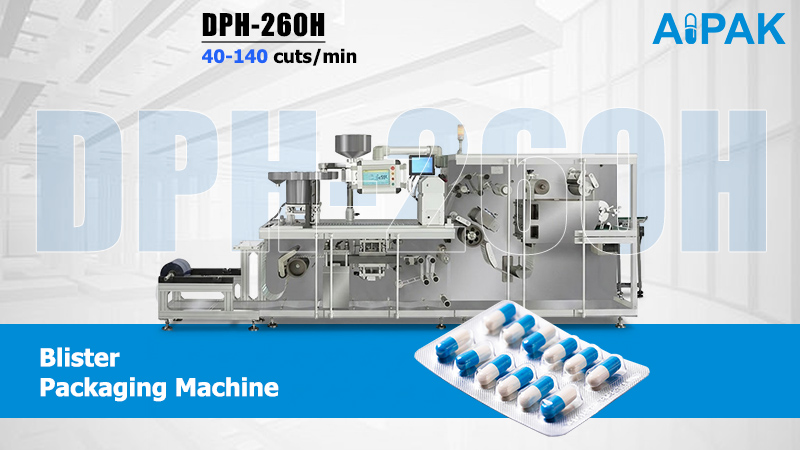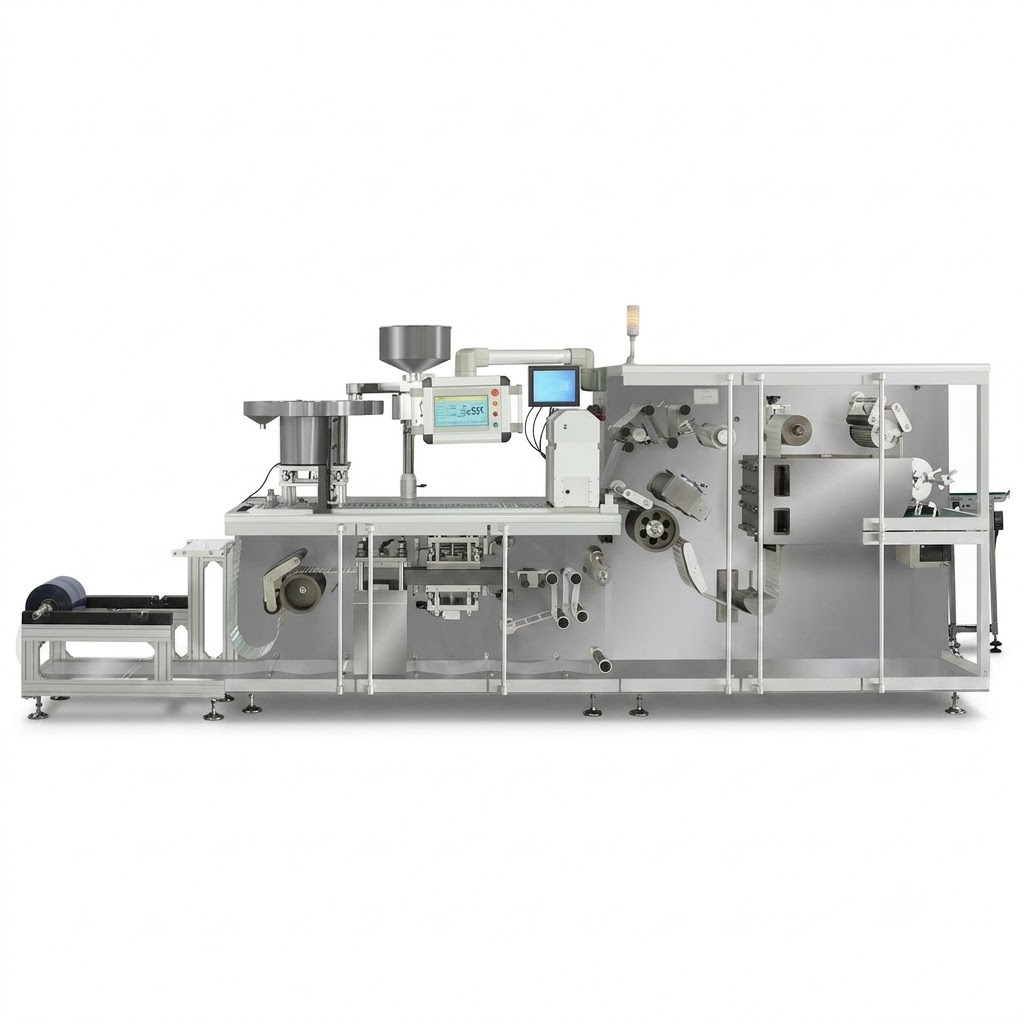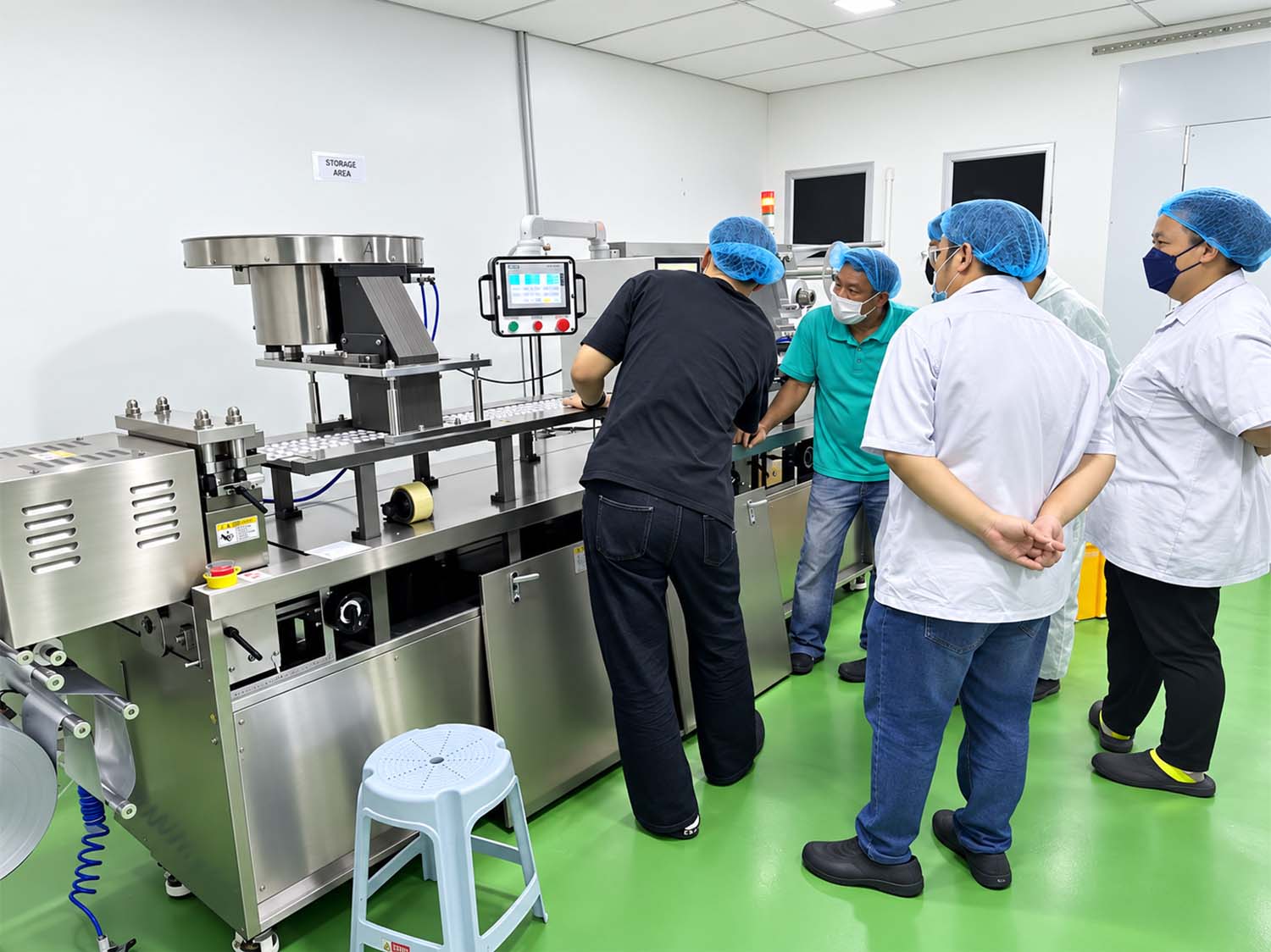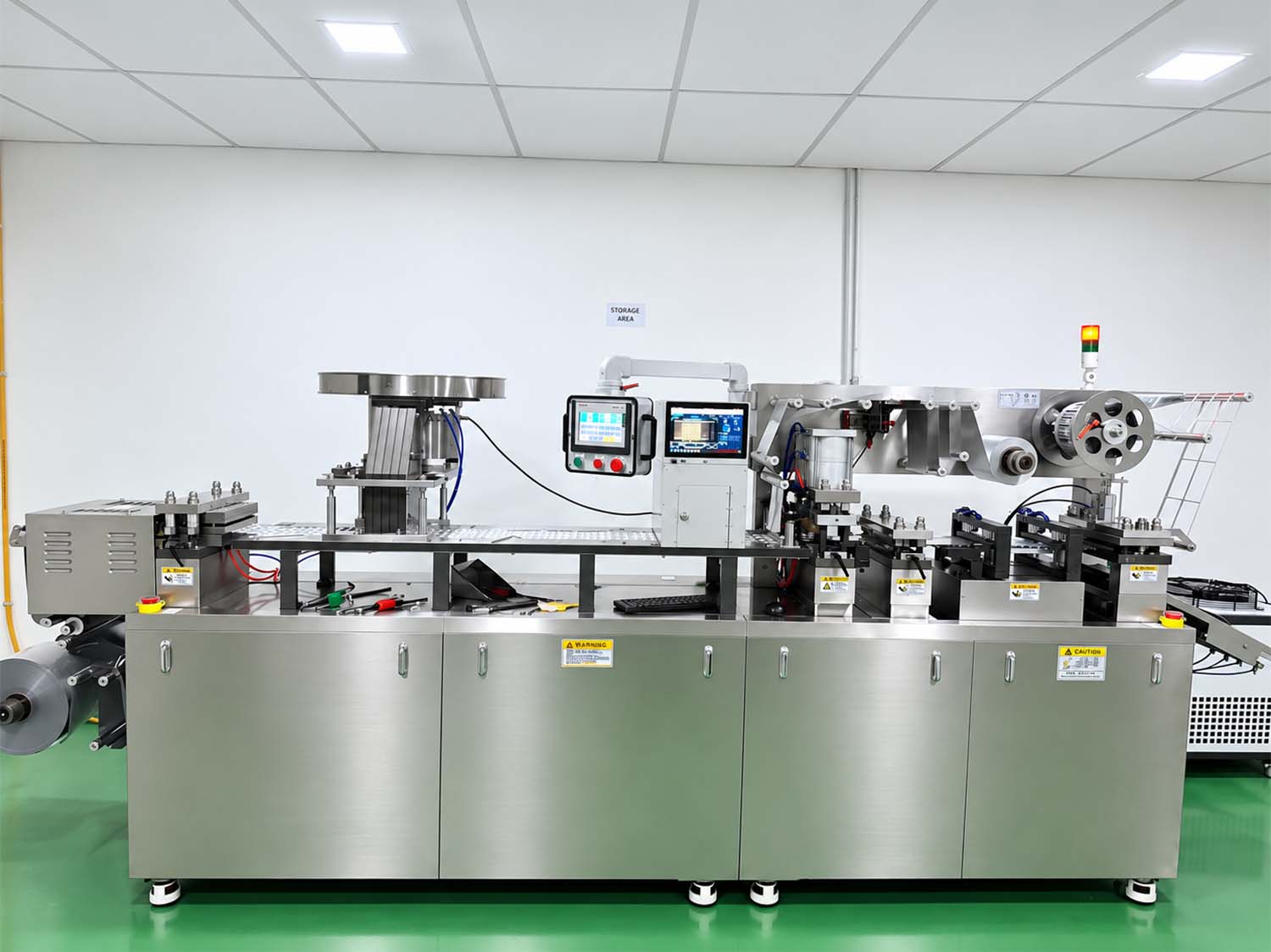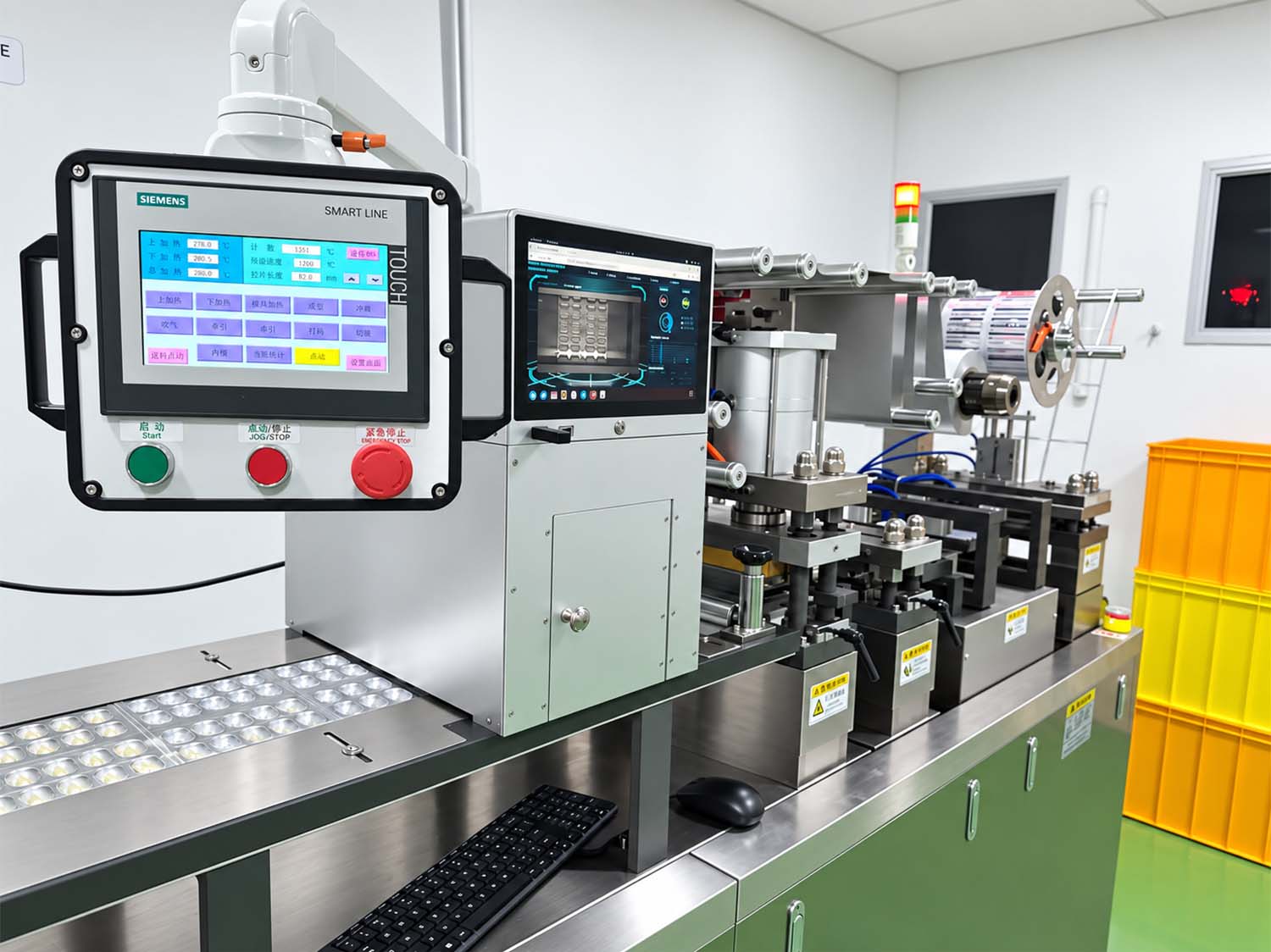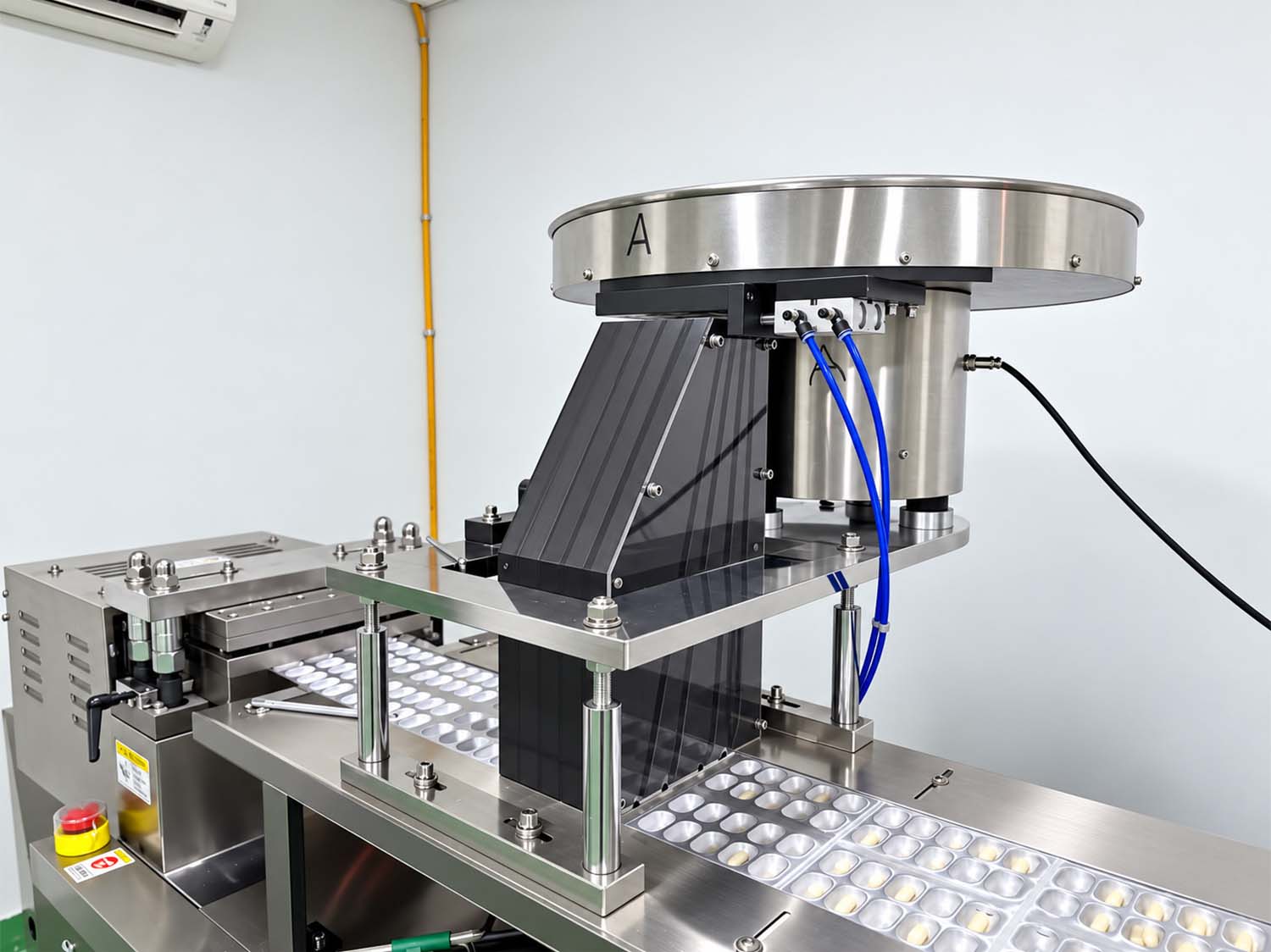
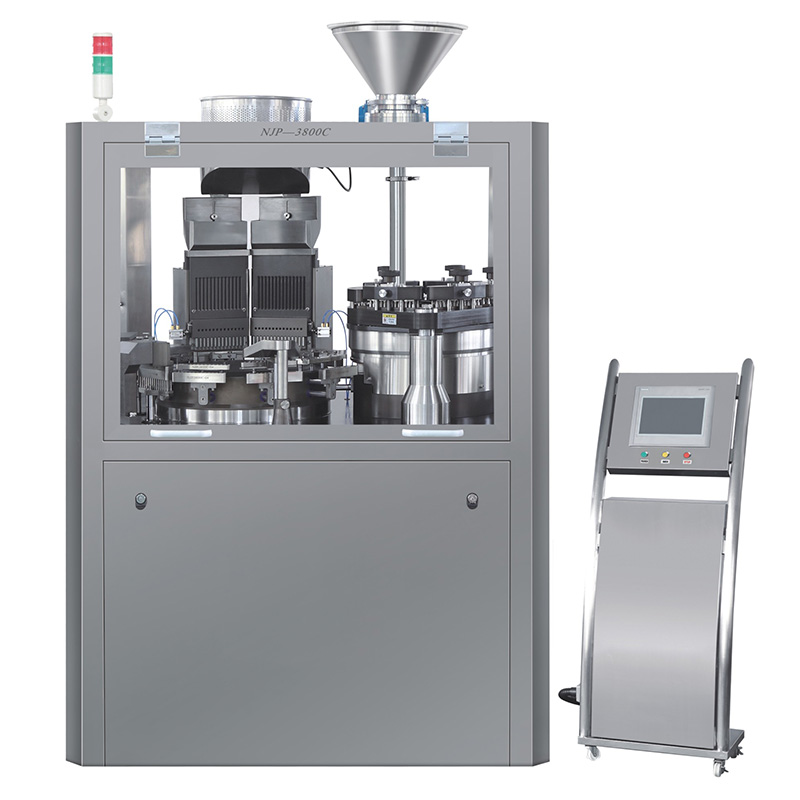
DPH-260H High-Speed Rotary Blister Packaging Machine

Your flat-plate machine tops out around 60 punches a minute and the line is waiting on it. This one seals with a continuously rotating roller instead of a platen that presses and lifts. The web never stops — which is where the speed comes from, and also why the pocket depth is limited to 12 mm.

1.Cutting Frequency: 40–140 cuts/min (Alu-PVC) | 40–80 cuts/min (Alu-Alu)

2.Sealing Method: Continuous rotary roller sealing (reduced heat contact time)

3.Max Forming Width: 260 mm (Wide-format capacity for high density)

4.Material Compatibility: PVC, PTP, ALU/ALU, and PET/Paper/ALU

5.Drive System: Multi-Axis Servo Synchronization (Industry 4.0 ready)

6.Forming depth: 12 mm, customisable to 15. Deeper items need a flat-plate machine

Is this the right machine for you?

✓ Yes, if…

✕ Buy something else if…

Technical specification

Feature

What does it mean to you? 

Cutting frequency

40–140/min(Alu-PVC)|40–80/min(Alu-Alu)

Cold-formed foil runs at roughly half the rate. Plan on the Alu-Alu number

Forming area & depth

260 × 150 × 12 mm(custom to 15)

Half the depth of a flat-plate machine. Check your item height first

Sealing

Continuous rotary roller

Tangential contact, not area contact — much shorter heat exposure

Stroke range

40–150 mm, set on the HMI

—

Material width

Up to 260 mm

—

PVC / PTP

0.25–0.50 | 0.02–0.035 × 260 mm

—

Cold-form Alu-Alu

OPA/ALU/PVC 0.10–0.15 × 260 mm

—

Cooling water

2–3 L/min, tap or recycled chilled

You supply the water connection

Air

0.6–0.8 MPa, 0.3 m³/min

Higher pressure than the flat-plate range

Main motor

4.5 kW

—

Heating

6.0 kW

—

Power supply

380 V, 50/60 Hz, three-phase five-wire

—

Dimensions

4,200 × 1,050 × 1,750 mm

—

Weight

2,200 kg

—

Model comparison

Model

Type

Punch freq.

Output

Forming area

Power

DPP-80

Flat plate

10-33 times/min

1980 plates/hour

80 mm

  2.4Kw

DPP-120H

Flat plate

10-35 times/min

2,400 – 4,200 plates/hour

120 mm

 4.5Kw

DPP-150E

Flat plate

10-40  times/min

3,600 – 7,200 plates/hour

150 mm

 6.5 Kw

DPP-180H

Flat plate

10 – 50 times/min

4,800 – 9,600  plates/hour

180 mm

8.5 Kw

DPP-260H1

Flat plate

10–50/min

6,000–12,000/h

260×180 mm

9.5 kW

DPP-260H2

Flat plate, servo

10-50 times/min

6,000 – 12,000 plates/hour

260 mm

9.5Kw

DPH-260H

Rotary

40 – 140 cuts/min (Alu/Plastic) |40 – 80  cuts/min(Alu/Alu)

6,000 – 18,000 plates/hour

260 mm

9.5Kw

DPH-380H

Rotary

Up to 600 cuts/min

Up to 45,000 plates/hour

380 mm

15 Kw

Flat plate and rotary are two different machines, not two speeds of one. Flat plate stretches the film against a mould with positive air pressure and a mechanical punch. Rotary forms and seals on a drum with line contact. The difference shows up in material waste, changeover time and what the machine costs you per plate — see the comparison below.

Continuous Web, No Stop-Start

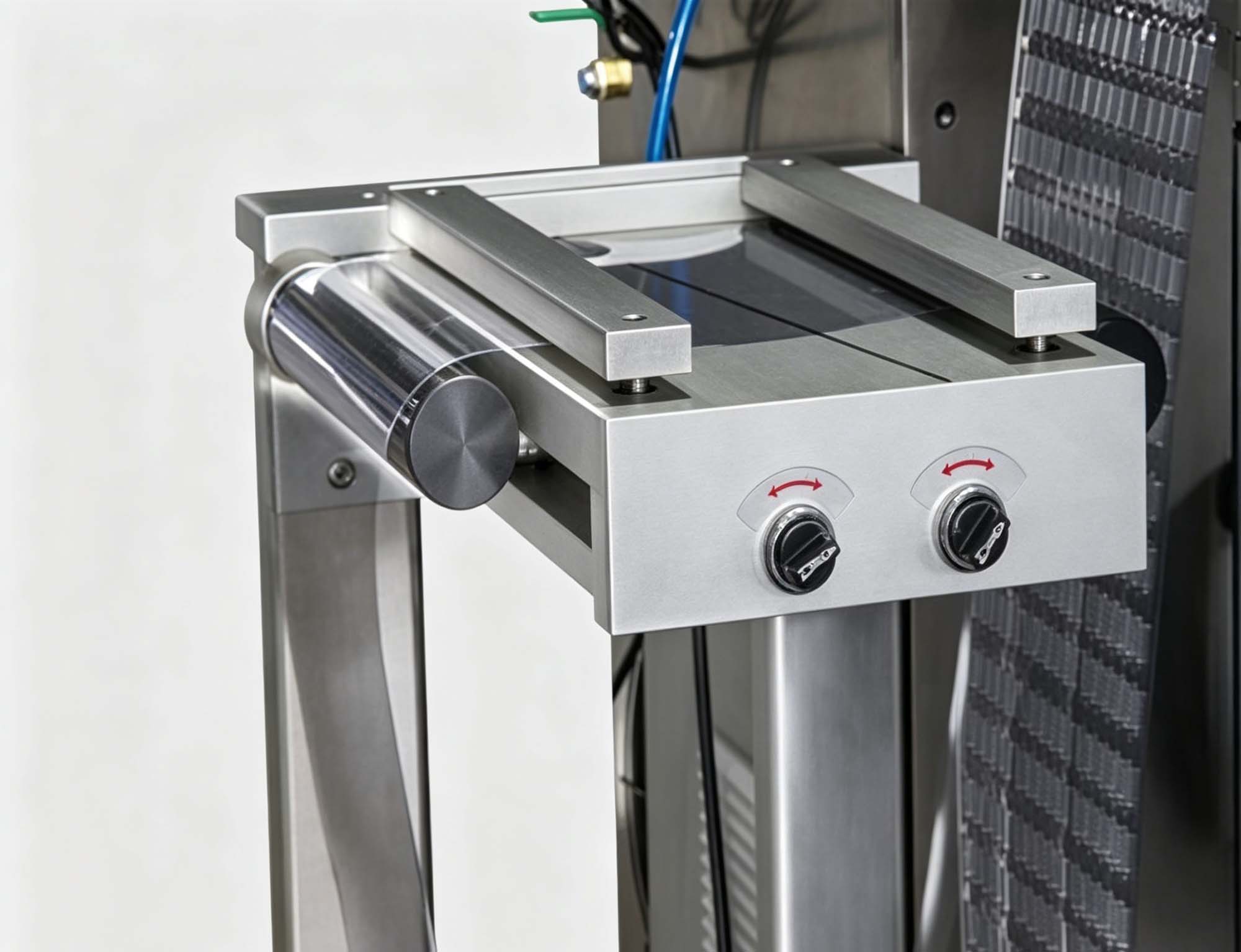
Features a continuous rotary sealing mechanism that sustains high-velocity output without compromising seal integrity — the web never stops, so there is no acceleration and deceleration cycle to work against.

Continuous Motion Logic

The seamless transition between forming, filling, and sealing stations ensures a smooth production flow, significantly reducing mechanical wear and energy consumption per unit.

Precision Roller Sealing

Advanced roller-type heat sealing provides consistent pressure and a smaller heat-contact area, making it ideal for high-speed ALU/PVC and tropical blister formats.

Intelligent Servo Control

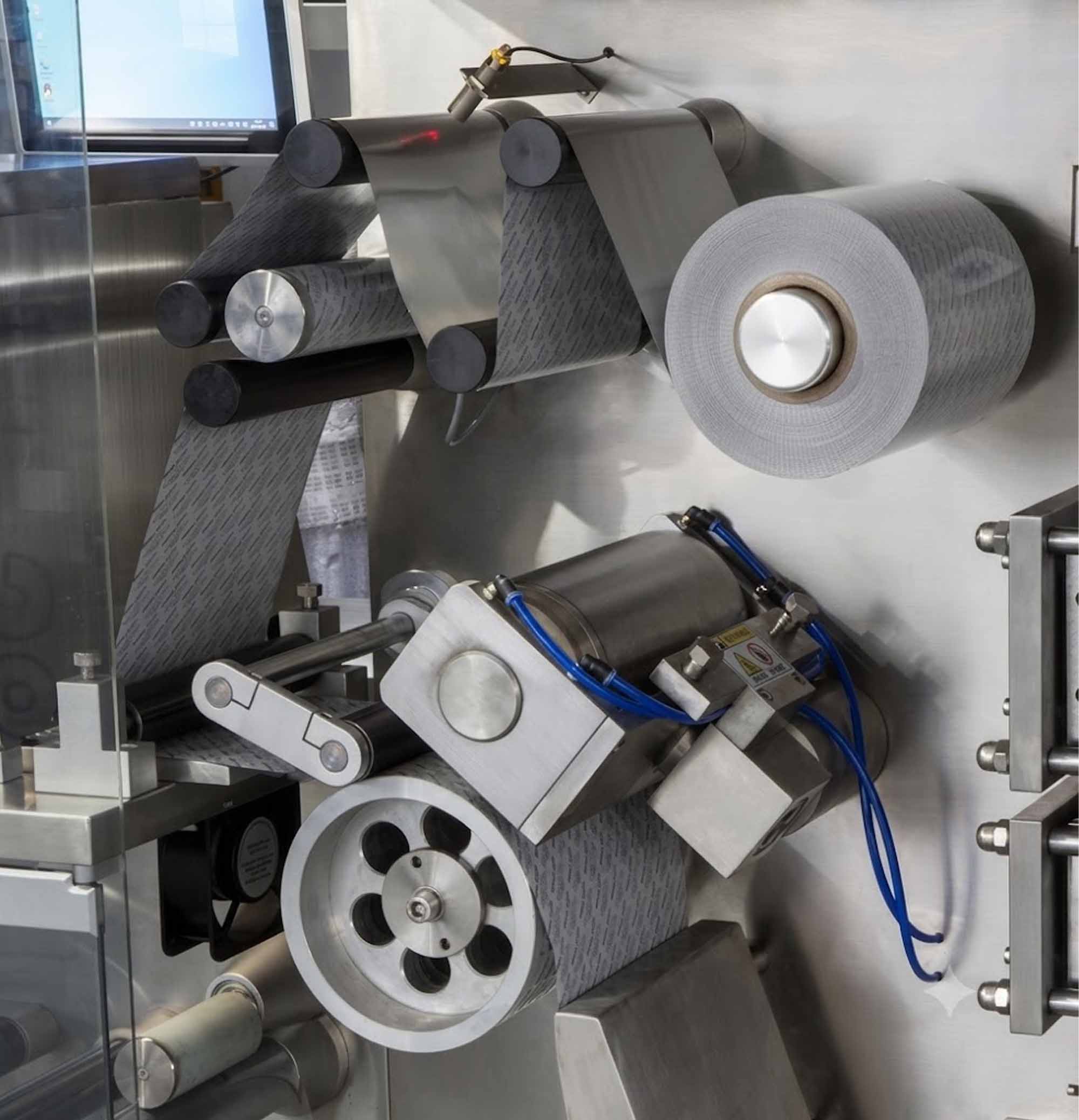
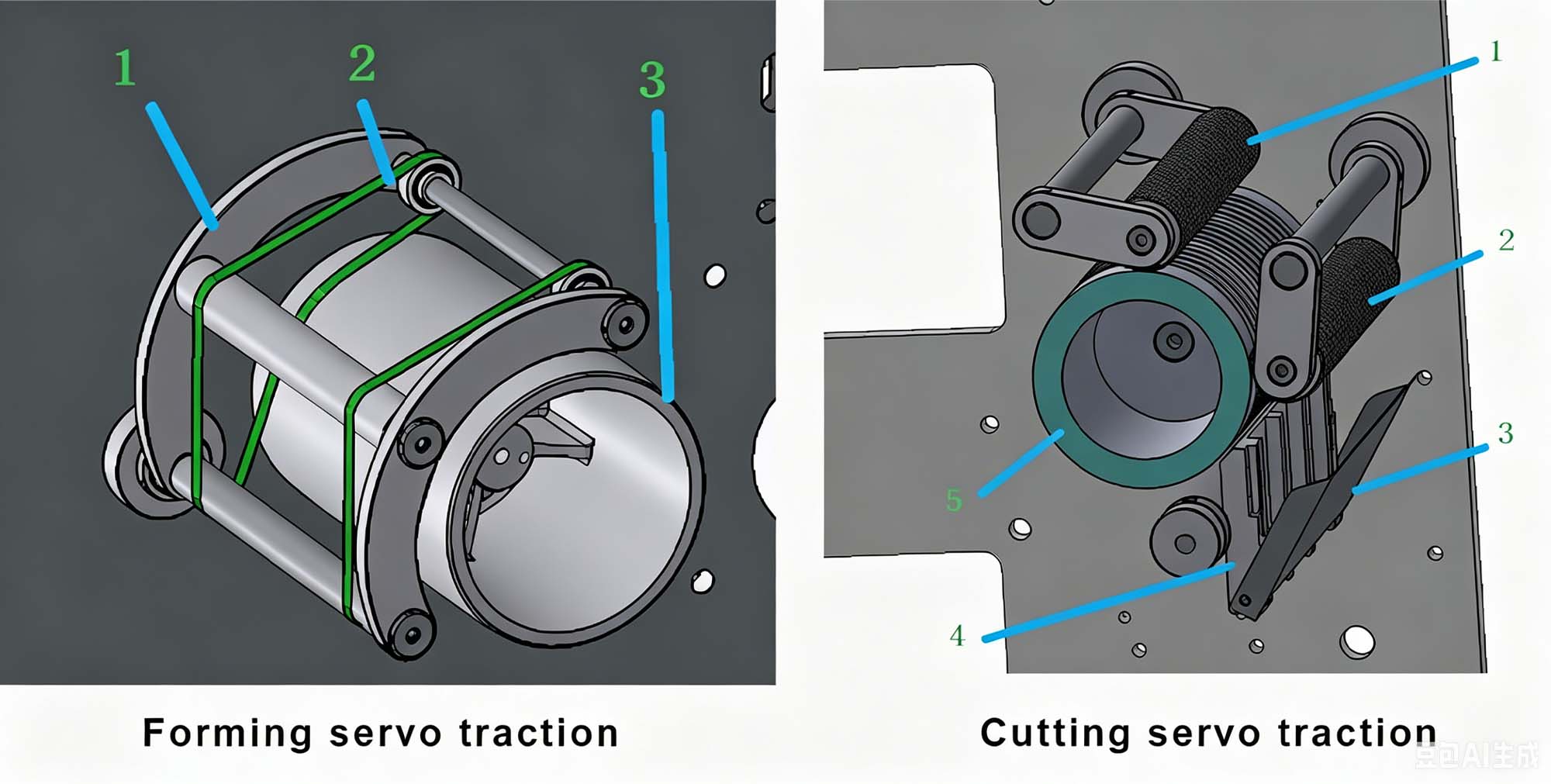
Equipped with multiple synchronized servo motors for film traction and feeding, ensuring millimetric accuracy even at peak industrial speeds.

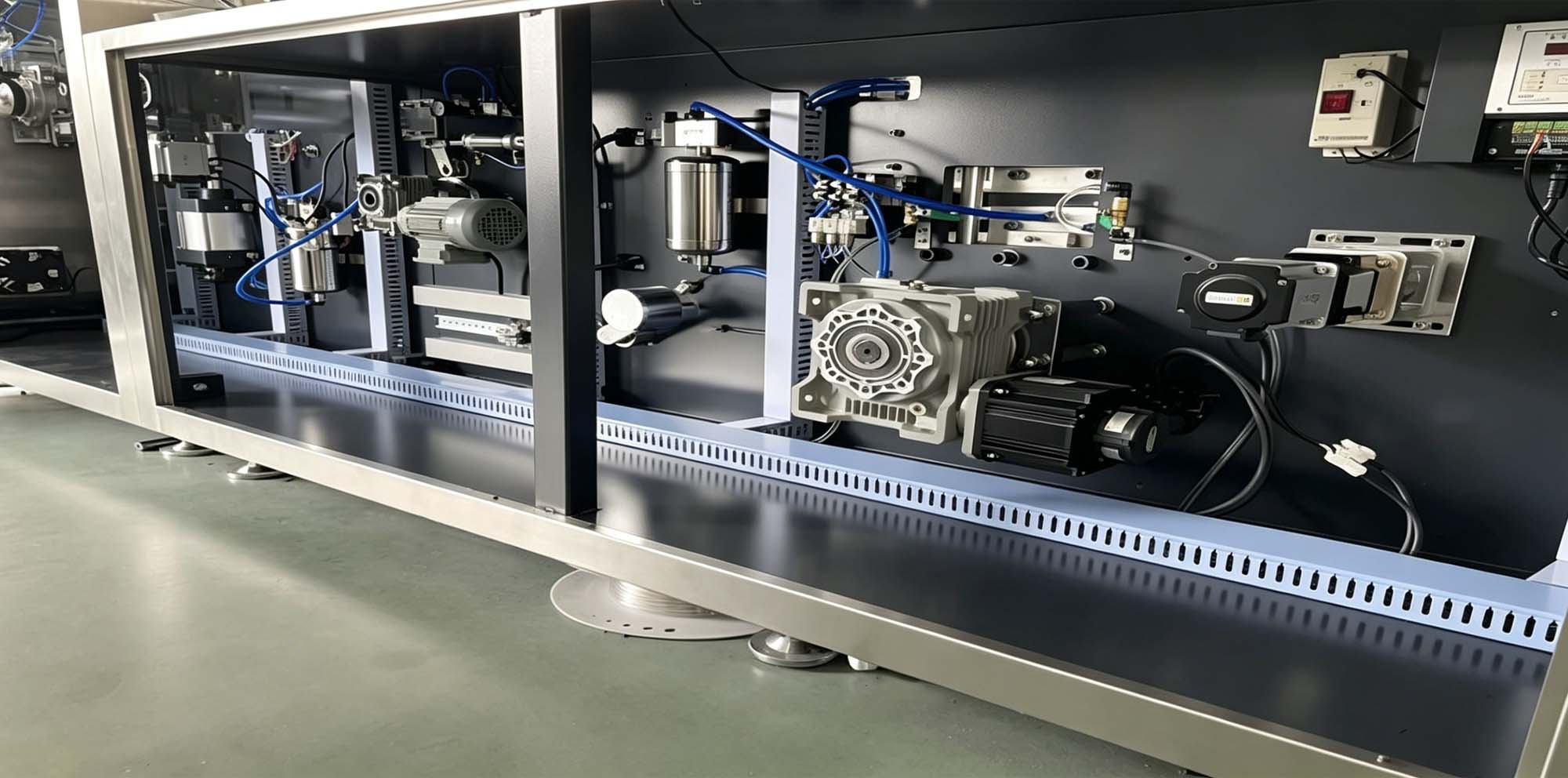
Separated Drive Compartment

Drives, belts and motors sit in a rear compartment rather than under the working area. Less surface in the production zone to clean between batches, and no recesses where powder collects.

12 mm Forming Depth

This is a limit, not a feature, and it’s worth stating plainly. Rolling the film against a rotating drum gives it less dwell time than pressing it against a static plate, so it stretches less far. If your item is taller than 12 mm, the flat-plate DPP-260H1 forms to 26 mm on Alu-PVC. We’d rather tell you here than at the factory acceptance test.

Industry Applications

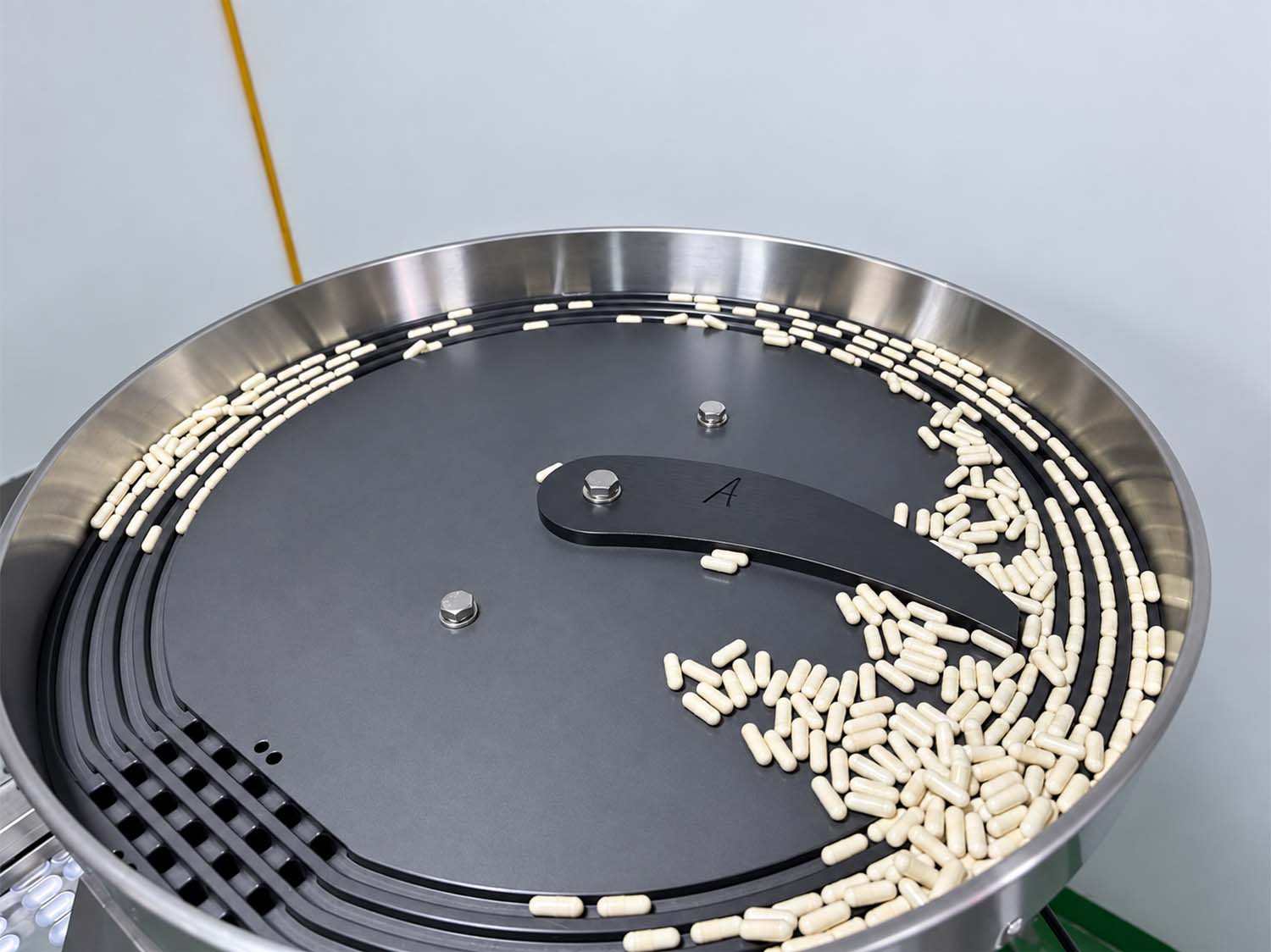
Flat tablets and standard capsules at volume

Items under 12 mm tall in continuous production. This is what a rotary machine is built for.

Heat-sensitive products

Probiotics, enzymes and vitamins where a platen’s dwell time is the problem. Roller sealing touches the seam tangentially — the heat exposure is a fraction of what an intermittent machine applies.

Tropical blister for humid export markets

ALU/PVC/ALU at high speed, where the second aluminium layer would slow a flat-plate machine more than it slows this one.

Cold-formed Alu-Alu at volume

Runs at 40 to 80 cuts a minute rather than 140. Still faster than a flat-plate machine, and the narrower plate margin matters more when the foil costs several times what Alu-PVC does.

What changing over involves

What changed

What you adjust

Roughly

Same format, new batch

Nothing

—

Plate layout changes

Rotary drum moulds and rollers

15-30mins

Alu-PVC → Alu-Alu

Tooling and feeder. Cutting frequency drops to 40–80

Not a changeover

Servo synchronisation means the stations re-align from the recipe rather than by manual timing — that part is on the HMI. The drums and rollers still have to come off and go back on by hand.

A rotary machine trades changeover speed for running speed. If you switch format more than once a week, a flat-plate machine will cost you less in downtime than this one saves

What to check before you buy

01

The tooling, not the machine

A format set covers four synchronised stations. Ask any supplier who designs the pocket layout, how long a new format takes to make, and what it costs. That's where a blister project succeeds or fails.

02

The feeder, before you order

An Alu-PVC universal feeder cannot run cold-formed Alu-Alu, and it cannot be converted afterwards. Ask which feeder you're being quoted and what it locks you out of.

03

Installation and training

Ask what's included and what costs extra. The answer varies more between suppliers than the machine price does.

Why Choose AIPAK?

Tooling Is the Machine
On a blister line, the tooling is where the machine is won or lost. A single format set covers four synchronised stations — forming, sealing, embossing and cutting — and they have to work as one. Send us your tablet or capsule samples and we design the pocket layout around your product, not the other way round.
Material and Feeder Matching
Alu-PVC, cold-formed Alu-Alu, tropical blister and medical dialysis paper each behave differently, and so does every feeder type. A universal Alu-PVC feeder cannot run cold-formed Alu-Alu — if you may move into Alu-Alu later, that decision has to be made before the machine ships, not after. We ask about your material and dosage form first, then specify the feeder.
Support & Factory-Direct
You buy from the factory, not through a trading company — which means custom modifications are a conversation with our engineers rather than a request passed down a chain. Remote diagnostics, spare parts and operator training come from the same team that built your machine.

DPH260H Rotary Blister Packaging Machine FAQ

When should I choose rotary over flat-plate?

When your volume is above what a flat-plate machine delivers and your pocket depth is 12 mm or less. The web never stops on a rotary machine, so there’s no acceleration and deceleration cycle limiting the rate. What you give up is forming depth and changeover speed. If your item is tall or you change format often, flat-plate is the better machine — not the older one.

How does Rotary Sealing improve the shelf life of heat-sensitive medications?

Unlike flat-plate sealing, which applies heat to a large area for a set duration, Roller Sealing features a much smaller “tangential” contact point. The heat is applied instantaneously as the rollers turn, drastically reducing the total heat exposure time for the product pockets. Combined with our integrated water-cooling drum, the internal pocket temperature remains stable, preserving the potency of sensitive APIs, probiotics, and vitamins.

Can the DPH260H handle ALU/ALU cold-forming with the same precision as ALU/PVC?

Yes. We have engineered the DPH260H with a specialized Rotary Cold-Forming Station. By using precision-machined drum molds and a high-torque servo-driven feed, we can stretch the aluminum foil uniformly. This prevents the “thinning” or micro-cracking of the foil that often occurs in high-speed operations, ensuring a   for premium ALU/ALU packs.

How does the Multi-Axis Servo System benefit the operator during a changeover?

Traditional machines rely on complex gear trains and manual timing adjustments. The DPH260H utilizes a Multi-Axis Servo Synchronization system where every major station (forming, traction, cutting) is digitally linked. During a format change, the operator simply selects the recipe on the HMI, and the servo motors automatically re-align to the correct positions, cutting setup time substantially and eliminating human calibration errors.

Is the DPH260H compatible with advanced materials like PET/Paper/ALU?

Absolutely. The adjustable sealing pressure and precision temperature control of our rotary drums make the DPH260H highly adaptable. It can process child-resistant (CR) packaging, peelable foils, and eco-friendly laminates with ease, providing you the flexibility to meet diverse market regulations and sustainability goals.

Customers Also Interested In...

Ready to Elevate Your Packaging Efficiency?

Send us your item height and your material.

Two numbers decide whether this machine suits you, and neither is speed. Pocket depth on a rotary machine stops at 12 mm. And if you run cold-formed Alu-Alu, the cutting rate drops from 140 to 80 — so the headline figure isn’t your figure.

Send us a sample item and tell us which foil you run. If rotary isn’t right, we’ll point you at the flat-plate machine and say so in the first email.

Scroll to Top