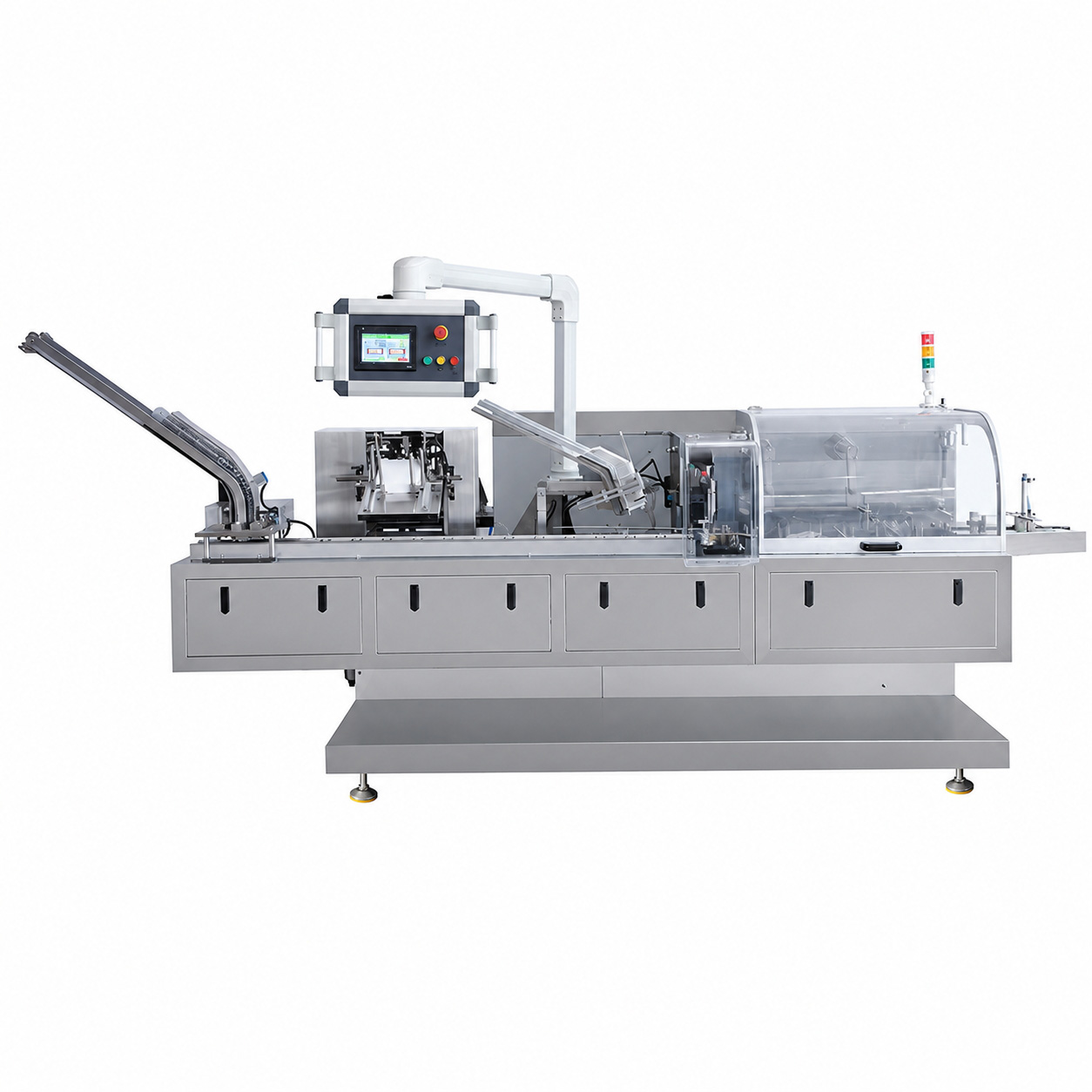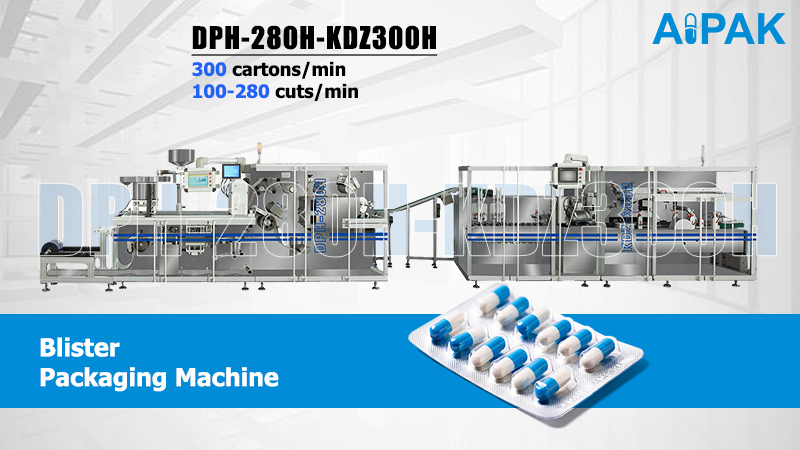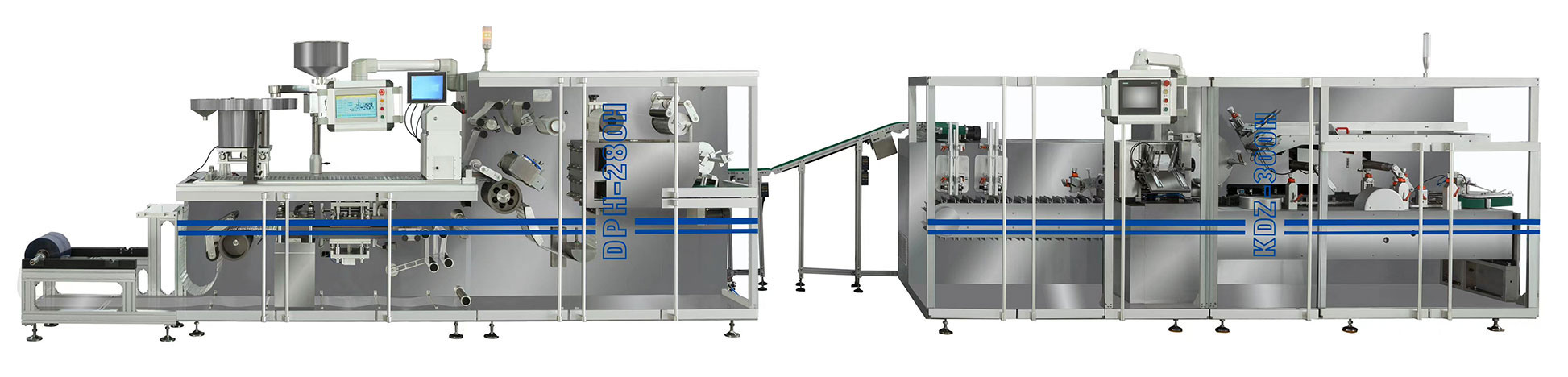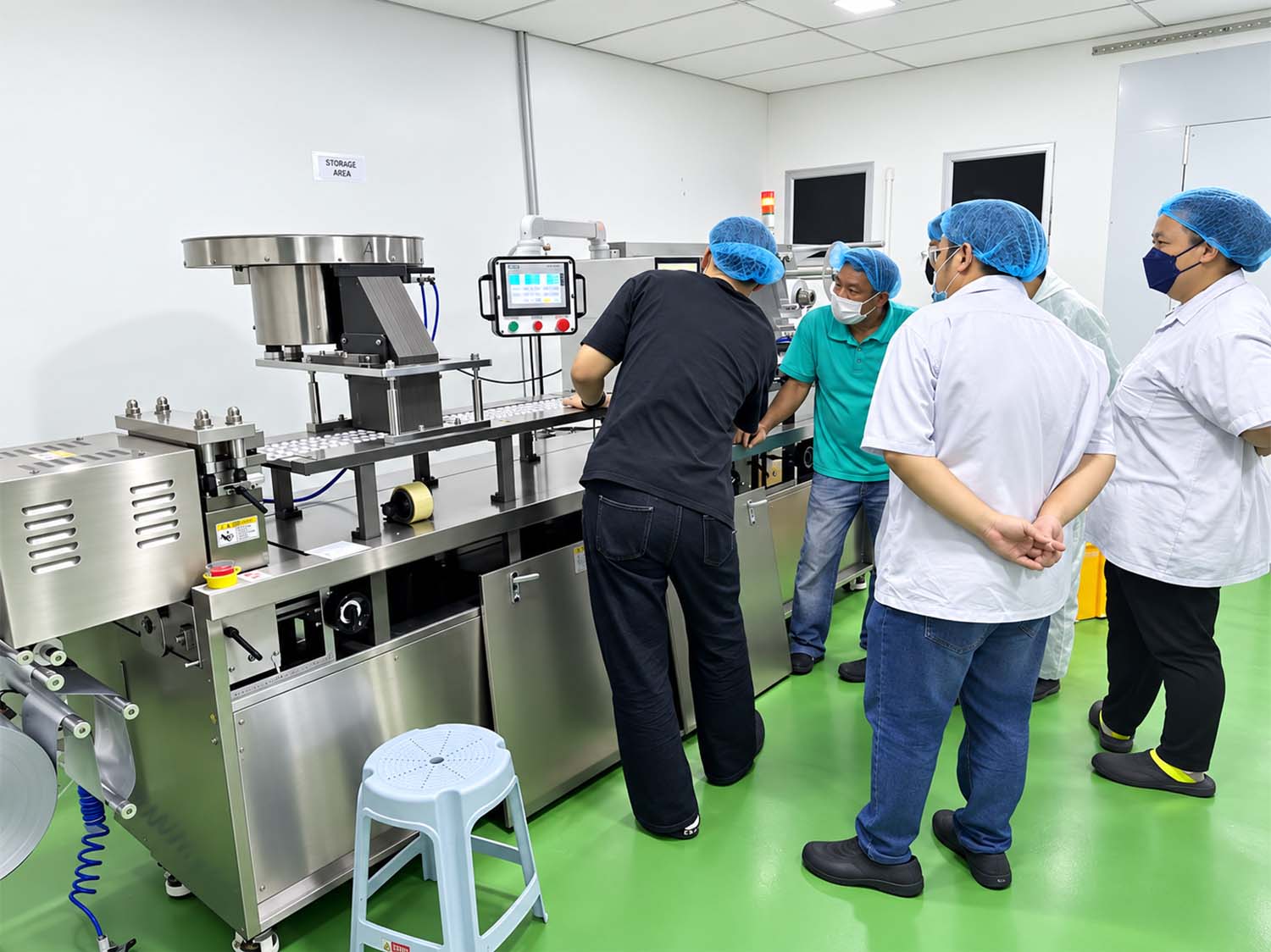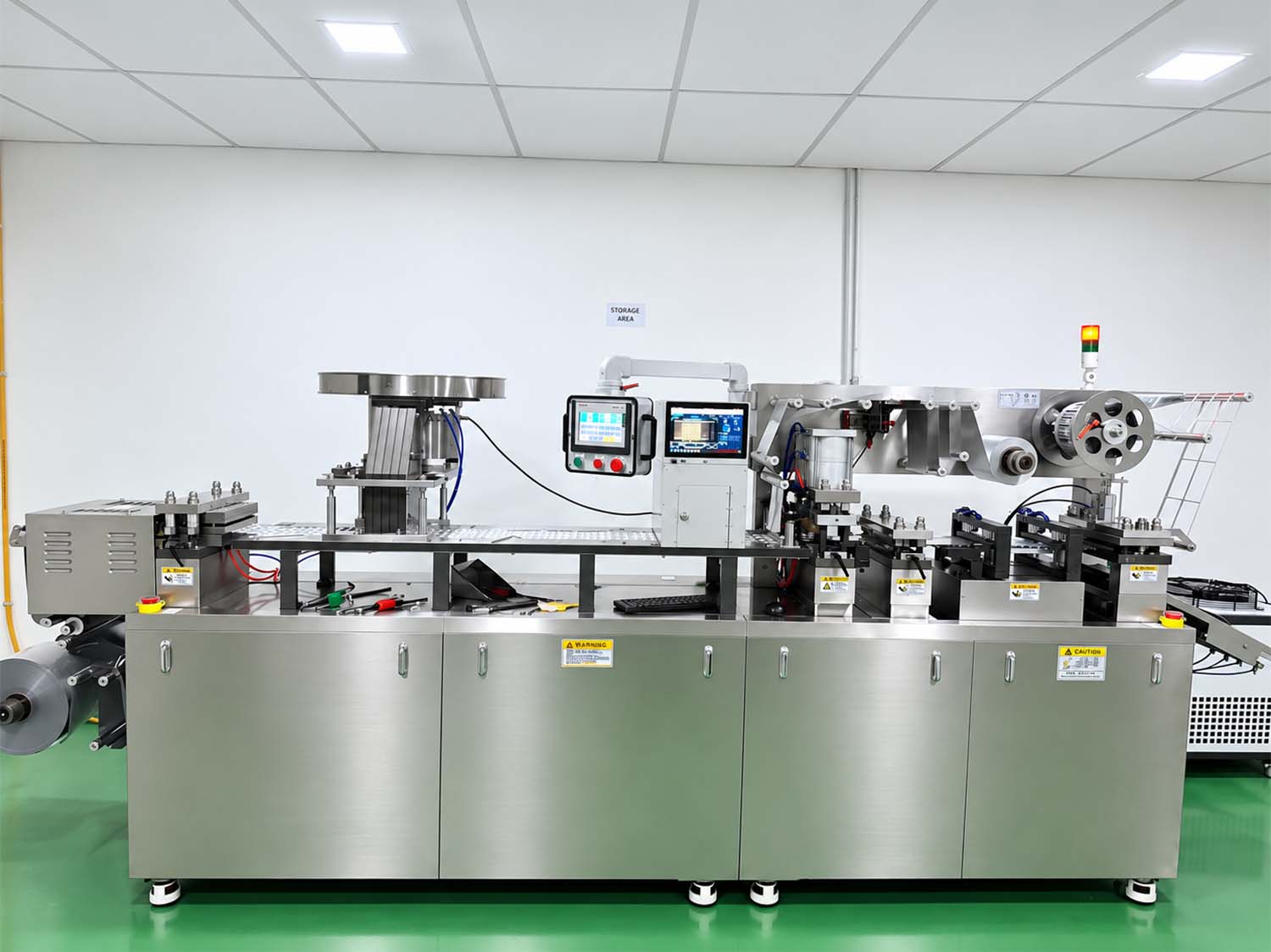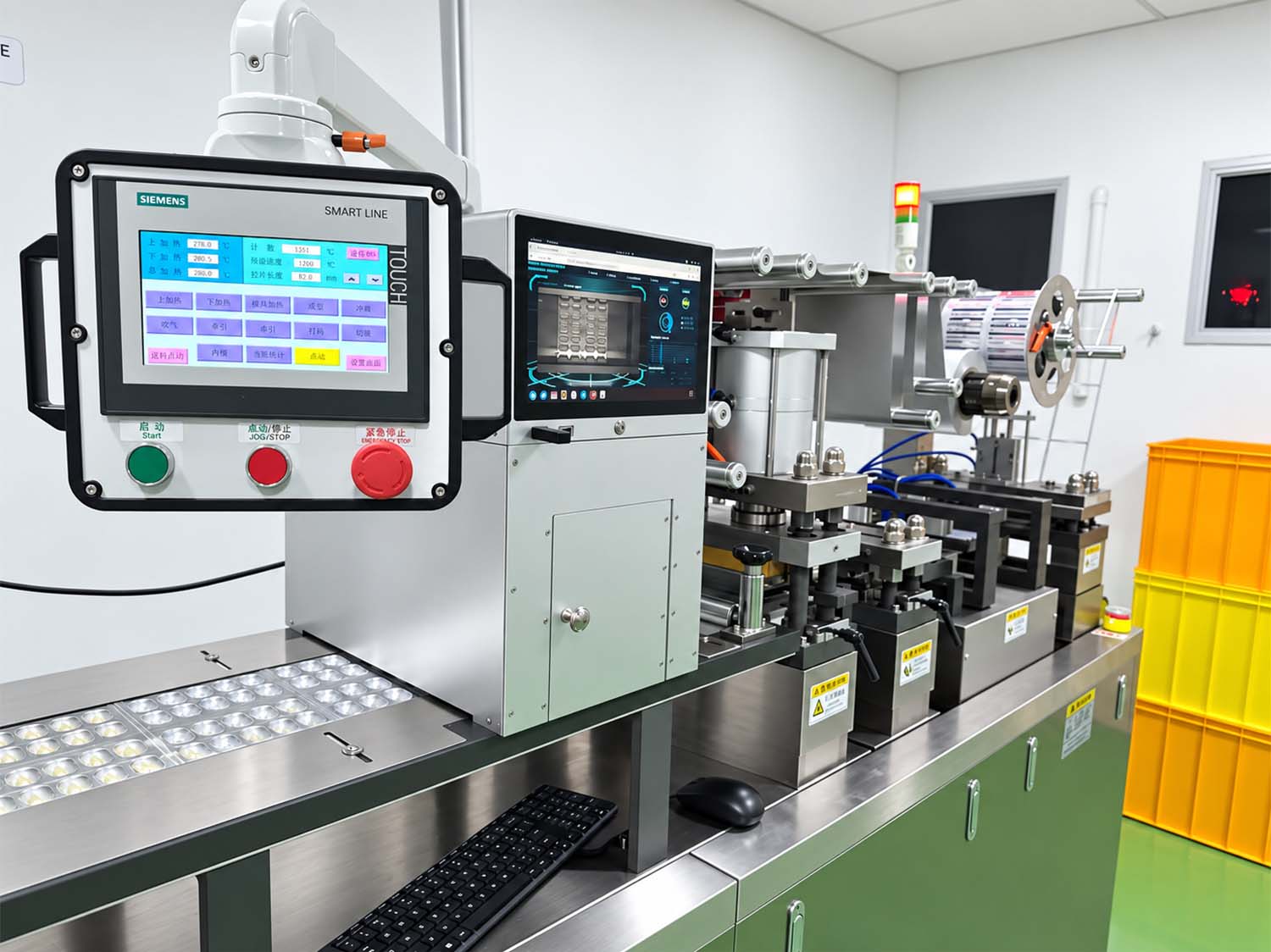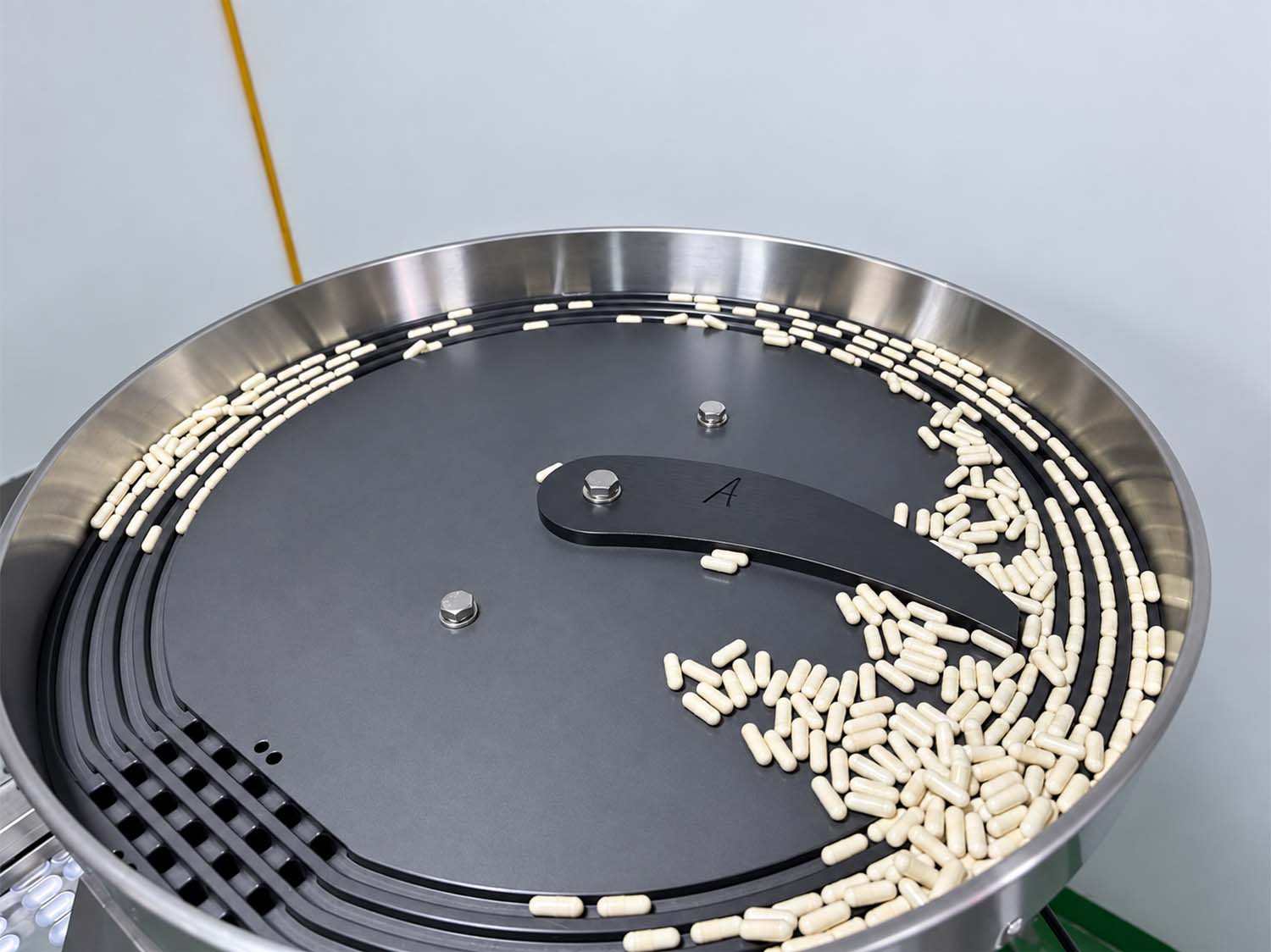
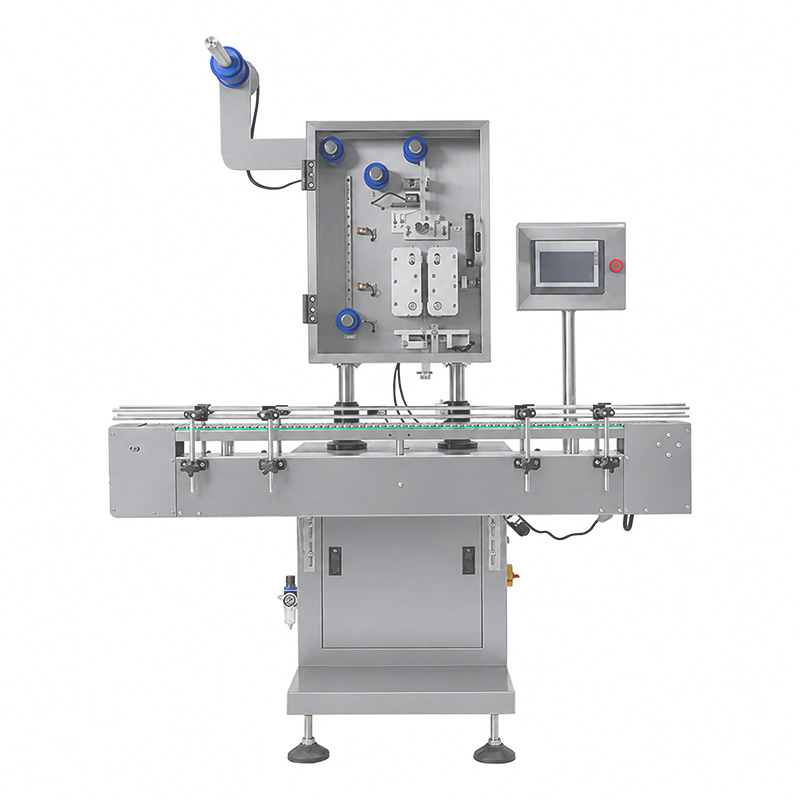
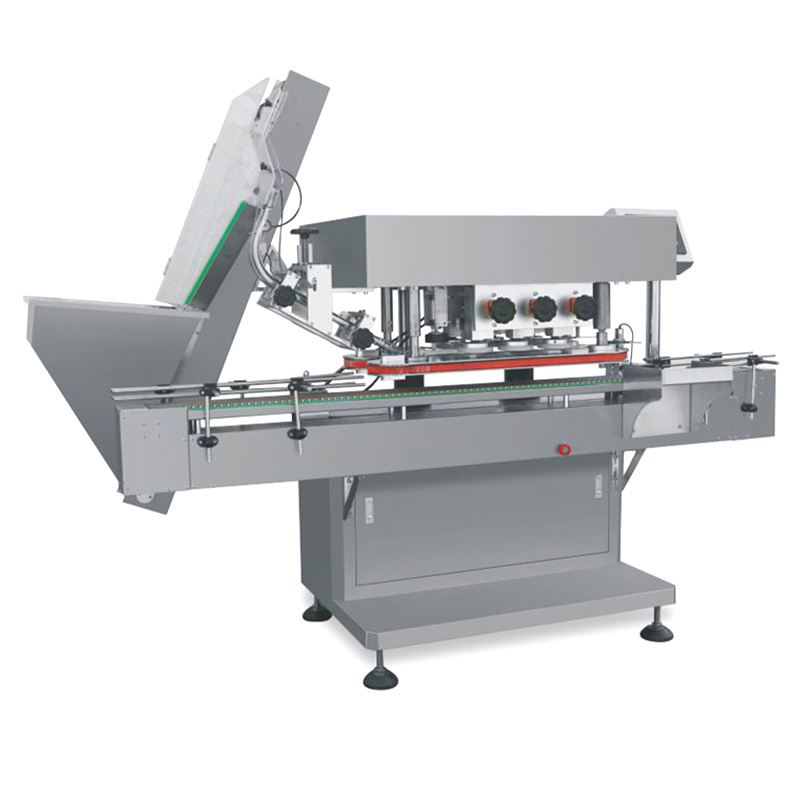
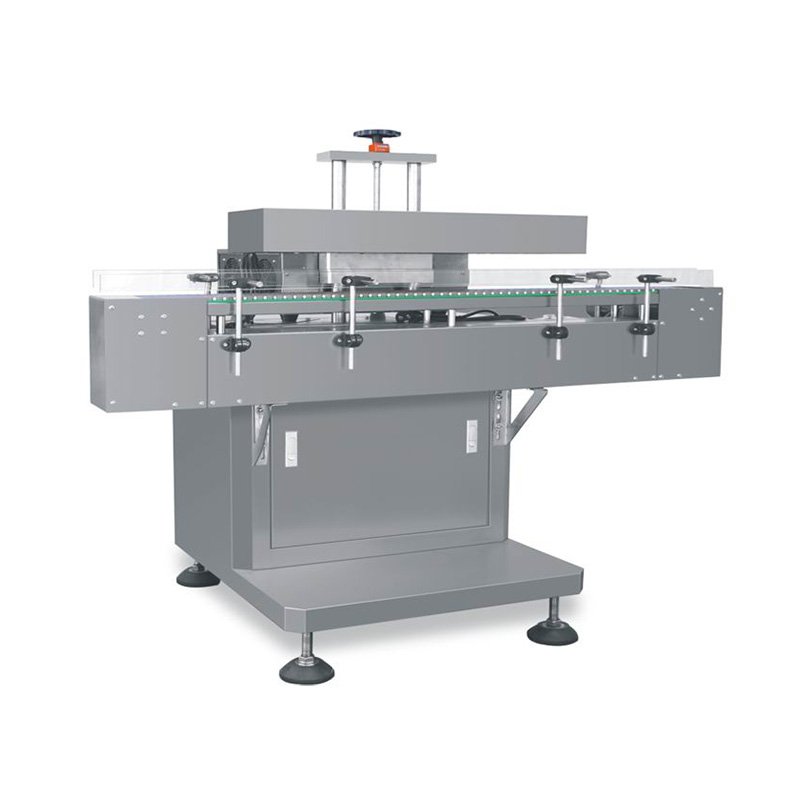
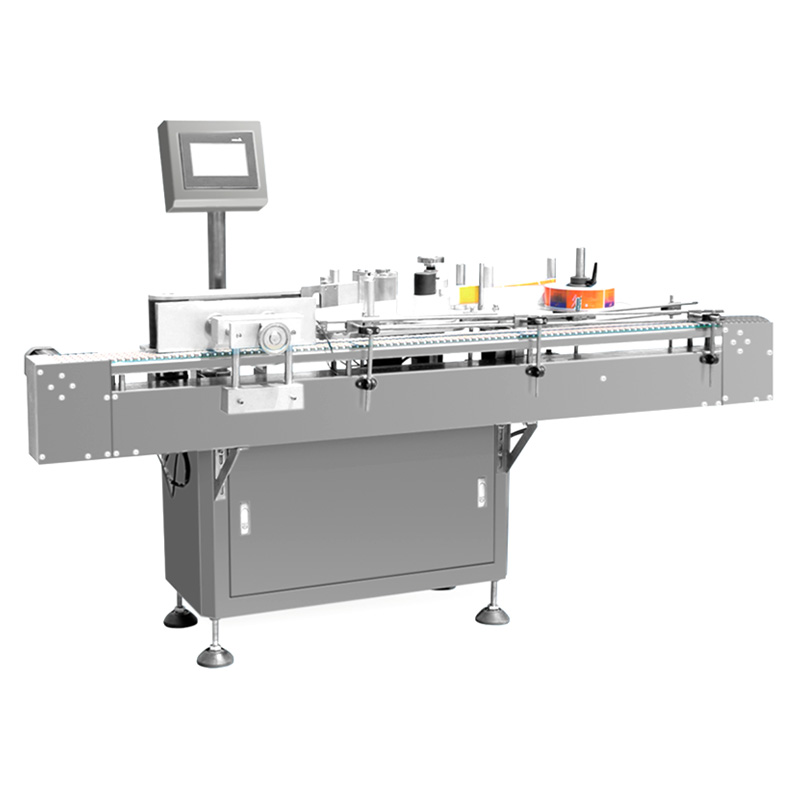
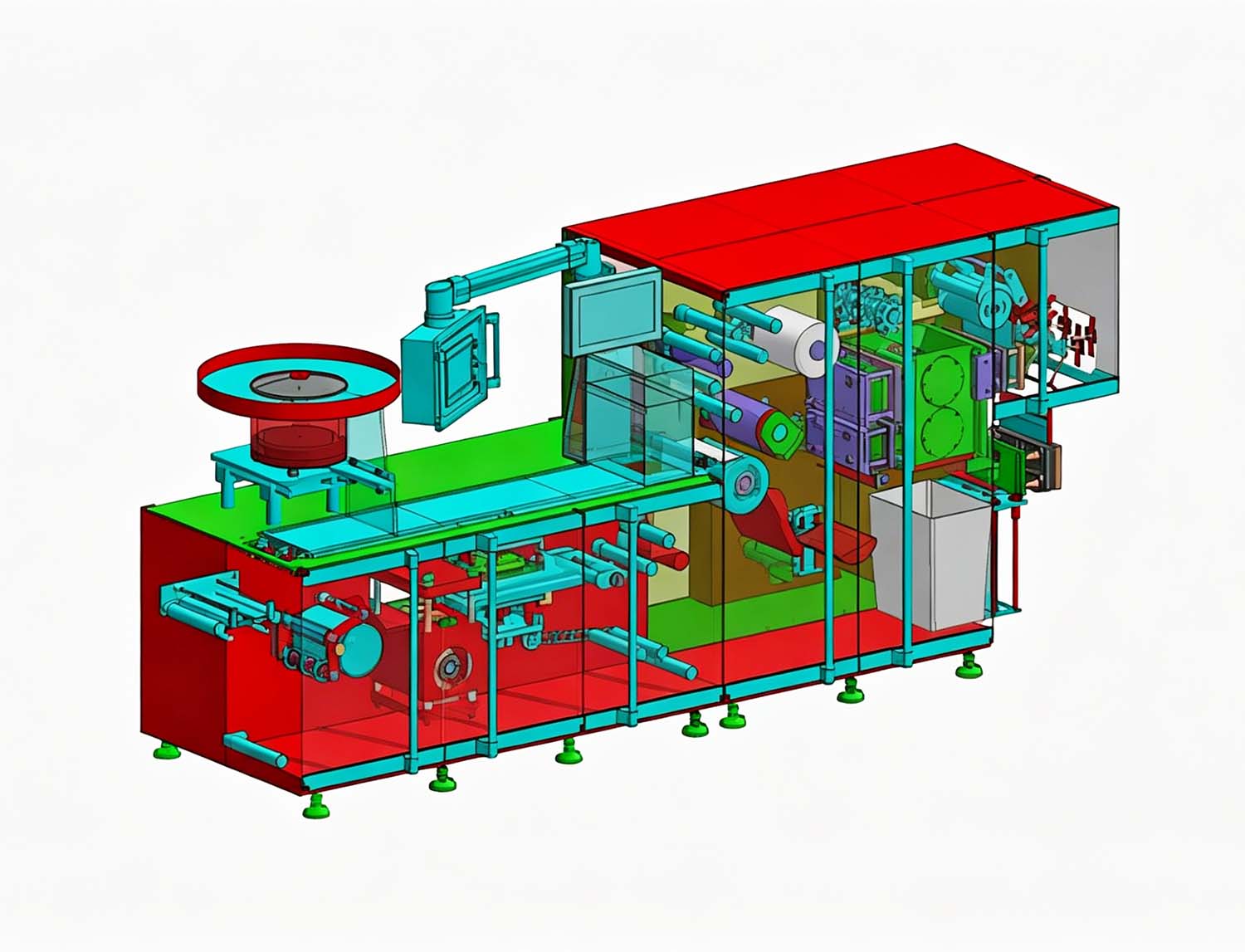
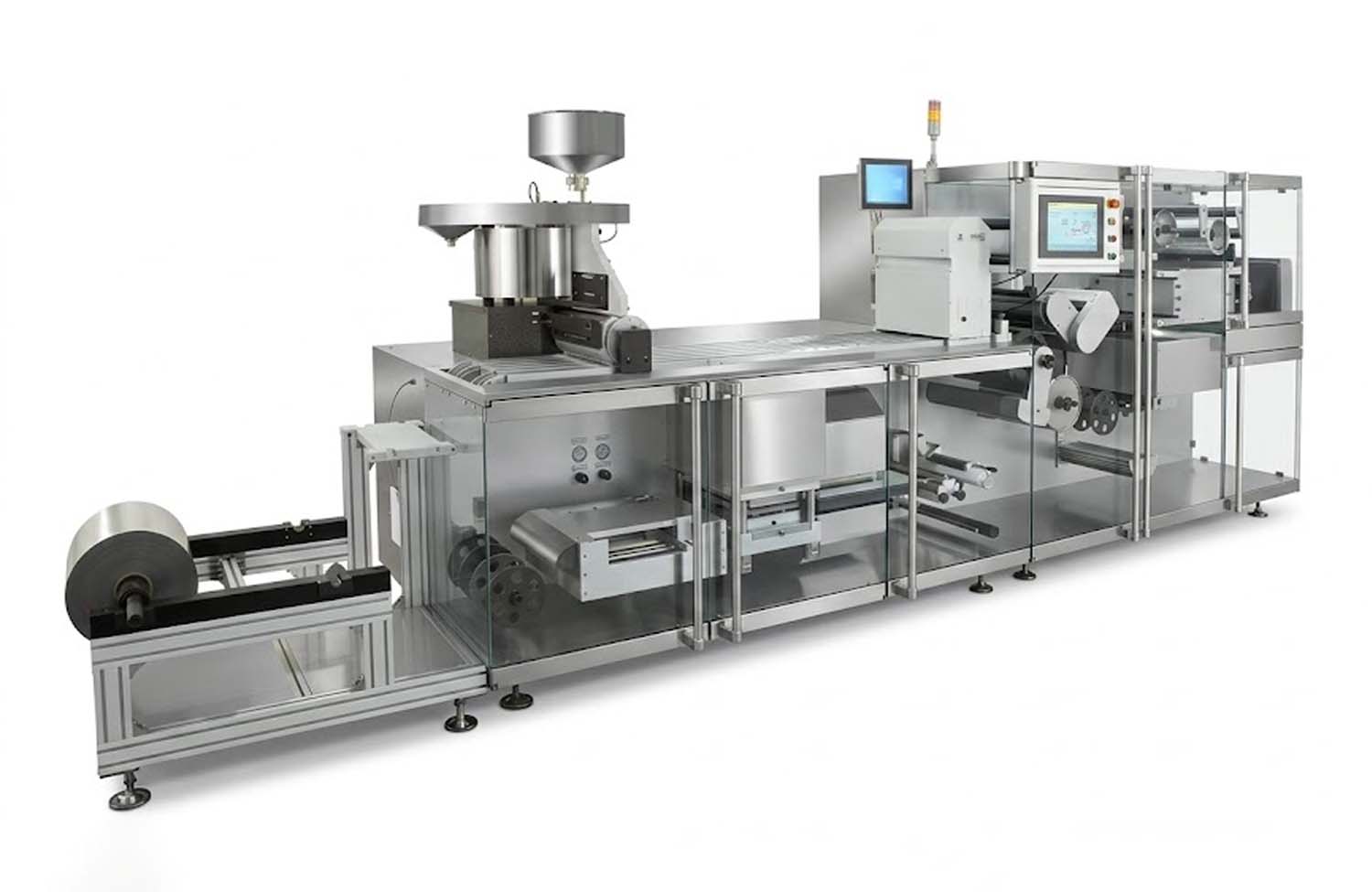
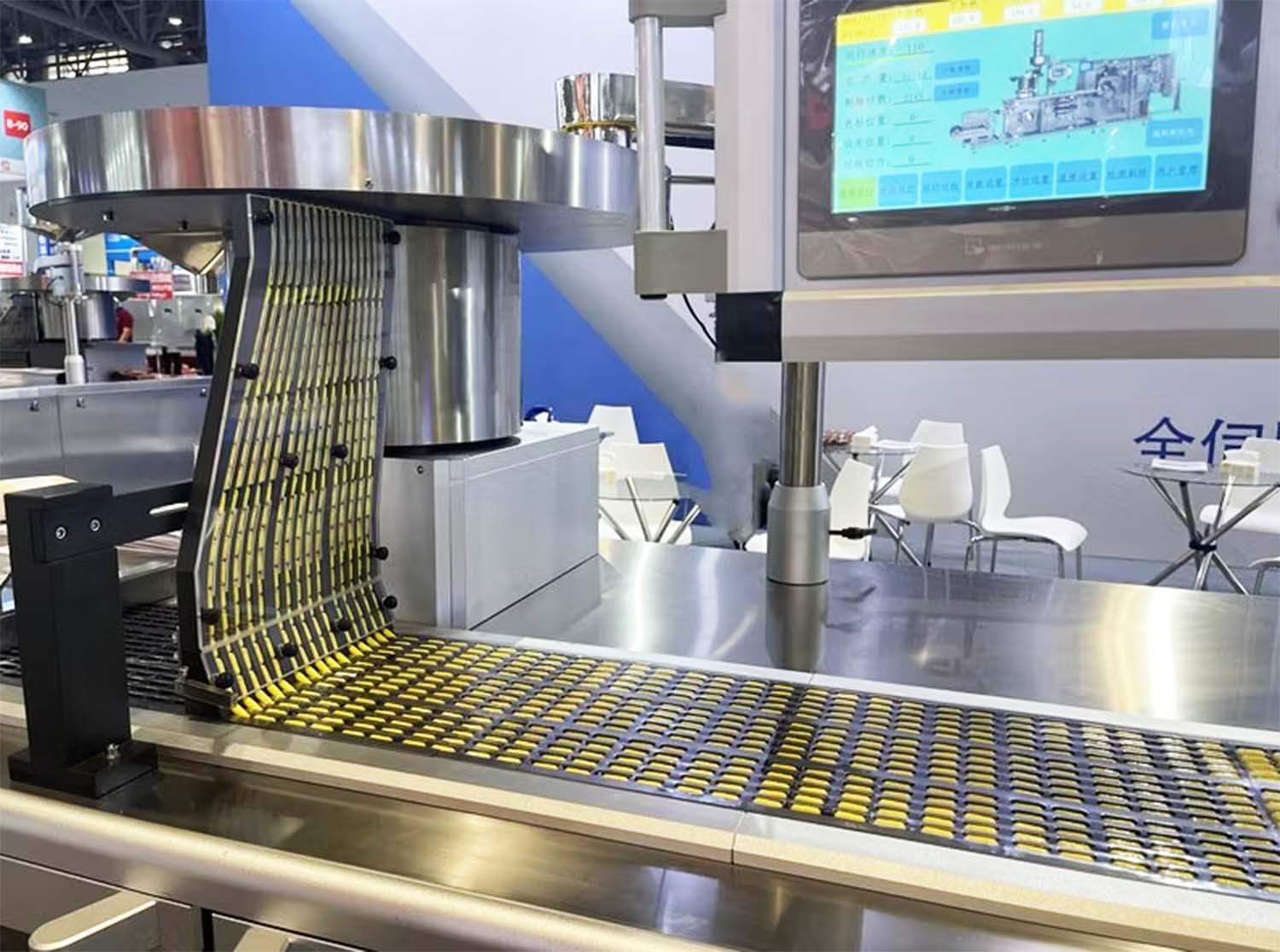
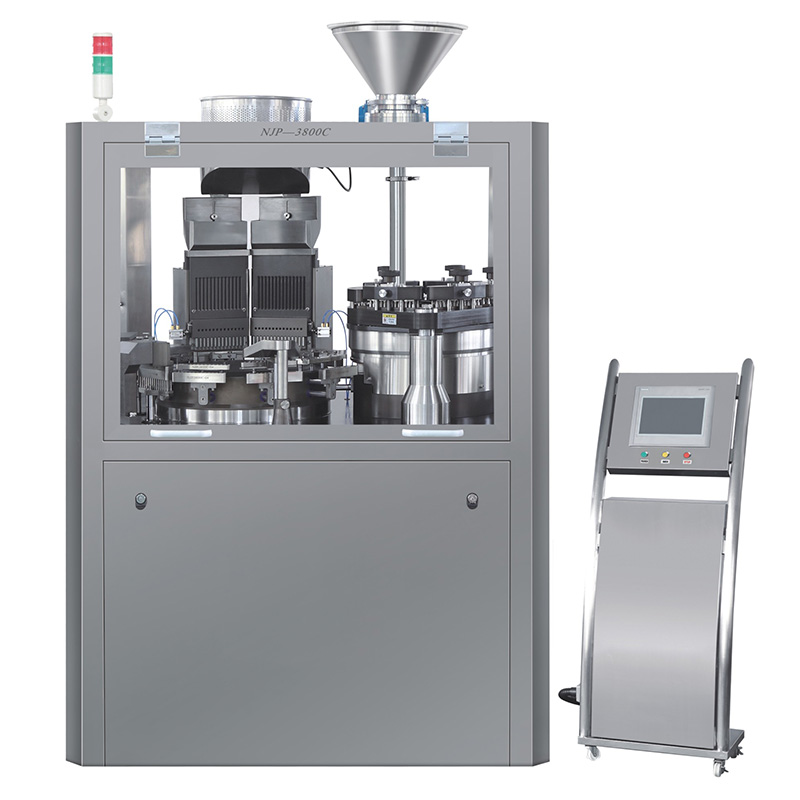
DPH-280H-KDZ300H Full Servo High-Speed Blister Cartoning Line

Your blister machine and your cartoner are two separate machines with an operator between them, and the carton bench is where the line backs up. This one links them — the blister machine sets the pace, the cartoner follows it, and a rejected blister means no carton and no leaflet are drawn for that cycle.

1. Line speed: up to 300 cartons  minute
2. Blister punch frequency: 100 – 280 cuts/min
3. Plates per carton:  1 to 10, set on the HMI
4. Carton size: 70–180 × 35–85 × 15–50 mm
5. Line footprint: 9,500 × 1,500 × 2,000 mm, 4,500 kg

Is this the right machine for you?

✓ Yes, if…

✕ Buy something else if…

Technical specification

Combined System

Specification


Model

DPH-280H (Blister) + KDZ300H (Cartoner)


Max. Line Speed

300 cartons/min (Synchronized)

The cartoner’s ceiling. Your actual rate is set by the blister machine and your plates per carton

Blister Punch Frequency

100 – 280 cuts/min


Max. Forming Area

260 x 180 mm


Carton Size Range (L×W×H)

(70 – 180) × (35 – 85) × (15 – 50) mm (customisable)


Leaflet Size Range (Unfolded)

(100-250) x (100-180) mm

Larger leaflets won’t fold on this folder

Blister Stacking Range

1 – 10 plates per carton (Servo-adjustable)

Changed on the HMI, not by mechanical adjustment

Total Power

25 Kw


Air Consumption

≥ 0.8 m³/min


Compressed Air Pressure

 0.6–0.8 MPa, ≥0.8 m³/min

 Nearly three times a standalone blister machine

Standard Material Width

270 mm (PVC/ALU/PTP)


Material Specification

PVC, ALU, PTP, Dialysis Paper, 250-350g Paperboard


Line Dimensions

9500 × 1500 × 2000 mm (L × W × H)

Straight-line layout. L or U shapes change the length

Total Weight

4,500 kg


Power supply

380 V, 50/60 Hz, three-phase


Carton size

70–180 × 35–85 × 15–50 mm

 Send us your carton — the pusher needs clearance a hand-packed carton doesn’t have

What the line actually does

SEVEN STATIONS, ONE LINE

Station 1

Blister machine 

Orients bottles neck-up and feeds them onto the conveyor.

Station 2

vision inspection and reject

Ionised air removes static; vacuum draws out dust before filling.

Station 3

stacking

Counts and fills. Sets the pace of the whole line.

Station 4

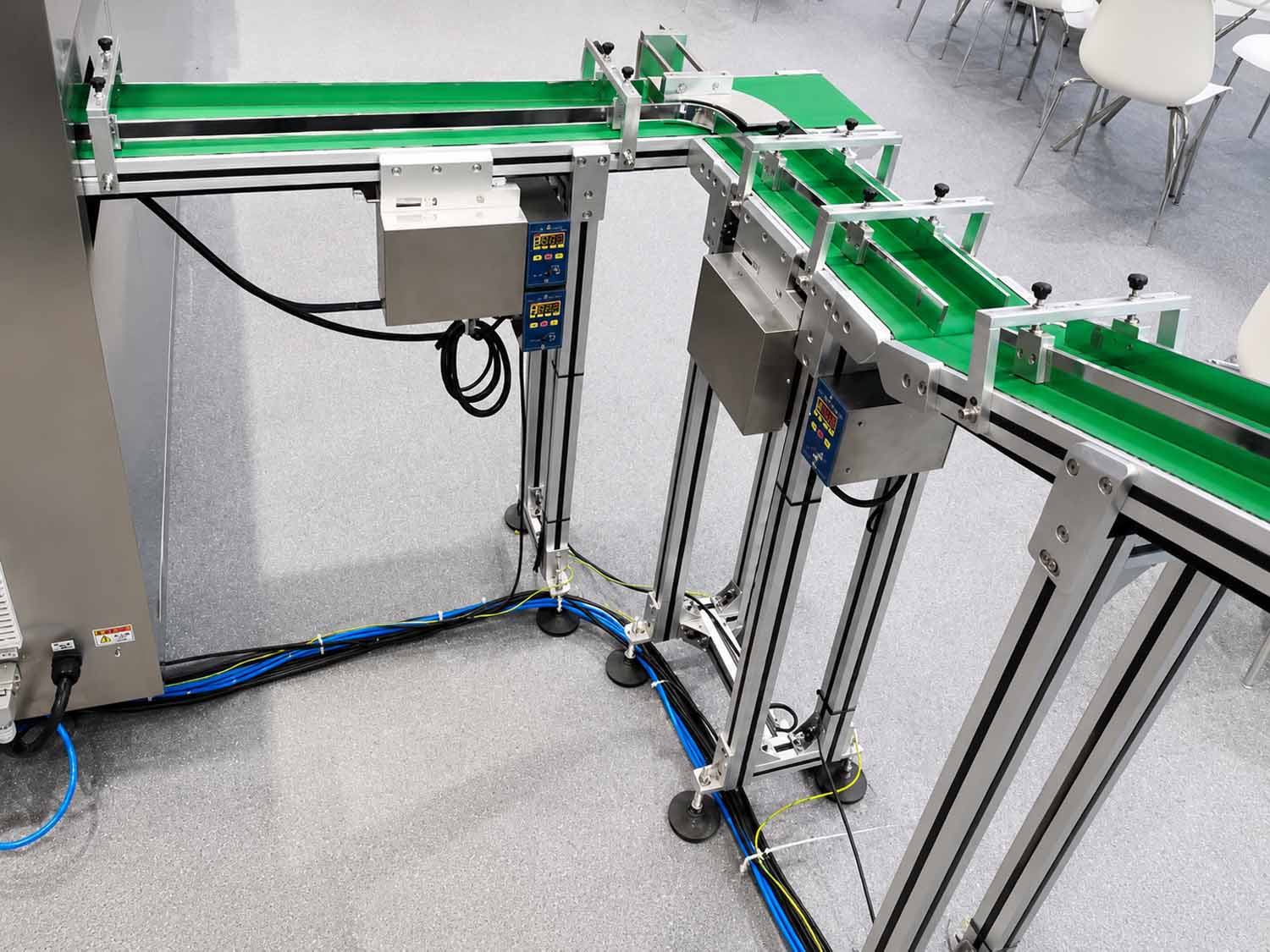
transfer bridge

Adds moisture control or fill material on top of the product.

Station 5

 leaflet folding 

Applies and torques the cap; rejects crooked and reversed caps.

Station 6

cartoner 

Bonds the foil liner to the bottle mouth.

Station 7

outfeed

Applies the label and discharges the finished bottle.

The blister machine sets the pace. Everything downstream follows it — which is why the line speed on any spec sheet is the cartoner’s ceiling, not your output. Your actual rate is your blister punch frequency divided by plates per carton.

Ten plates a carton at 280 punches a minute is 28 cartons a minute, not 300. One plate a carton is 280. Tell us your count per carton and we’ll work out your real number.

"Smart-Link" Synchronization Bridge

The line features an intelligent buffer and transfer station that automatically adjusts its speed to match the real-time output of the blister machine, ensuring the cartoner always runs at the optimal rhythm.

Full-Servo Precise Stacking

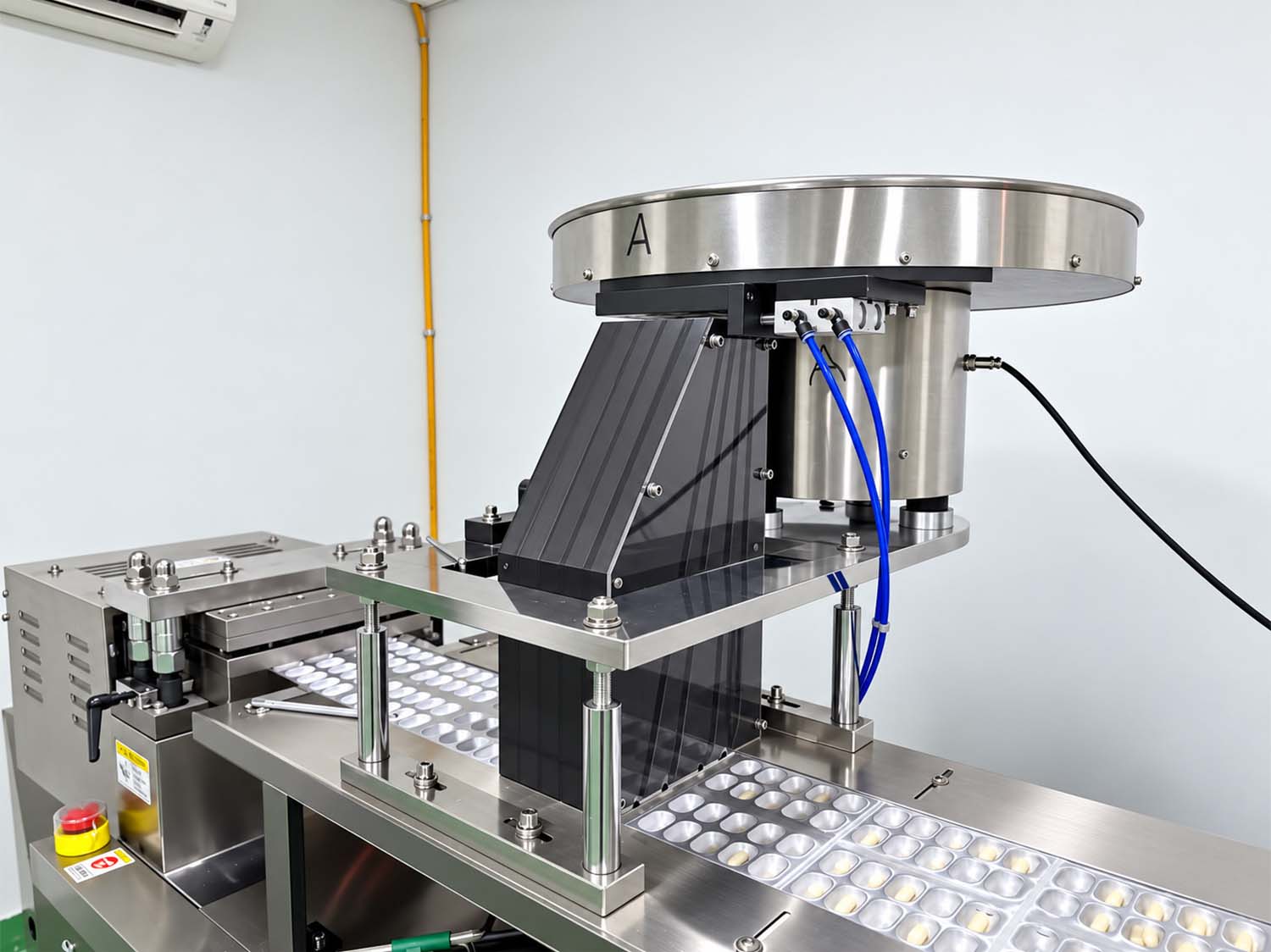
The blister counting and stacking module uses high-speed servo motors to accurately group 1–10 blister plates per carton, allowing for instant format changes via the HMI.

Separated Drive Frame, Modular Tooling

Drives sit behind the working area on both machines. Format tooling is modular across the line — but note that changing over a linked line means changing both machines together, which is longer than changing one.

Balcony Frame & Tool-less Changeover

Both machines feature the premium “Balcony” design. The modular “Quick-Snap” tooling allows the entire line to be converted for a new product format in under 45 minutes.

A Rejected Blister Means No Carton

When the vision system rejects a blister upstream, the cartoner receives that signal and skips the cycle — no carton drawn, no leaflet folded. On a line running 300 cartons a minute, that’s the difference between wasting one blister and wasting a blister, a carton and a printed leaflet.

Industry Applications

The DPH-280H-KDZ300H Integrated Line is AIPAK’s premium “Smart-Factory” solution, engineered for industries that demand zero-defect quality and maximum operational speed. It is the definitive choice for:

30-day and 60-day supplement packs

Multiple blister plates in one carton — 30-day packs usually run three to five plates, 60-day packs six to ten. Stacking count is set on the HMI, so the same line runs both.

Single-plate retail cartons

One plate, one leaflet, one carton at full line speed. This is where 300 cartons a minute is actually reachable.

Cold-formed Alu-Alu packs

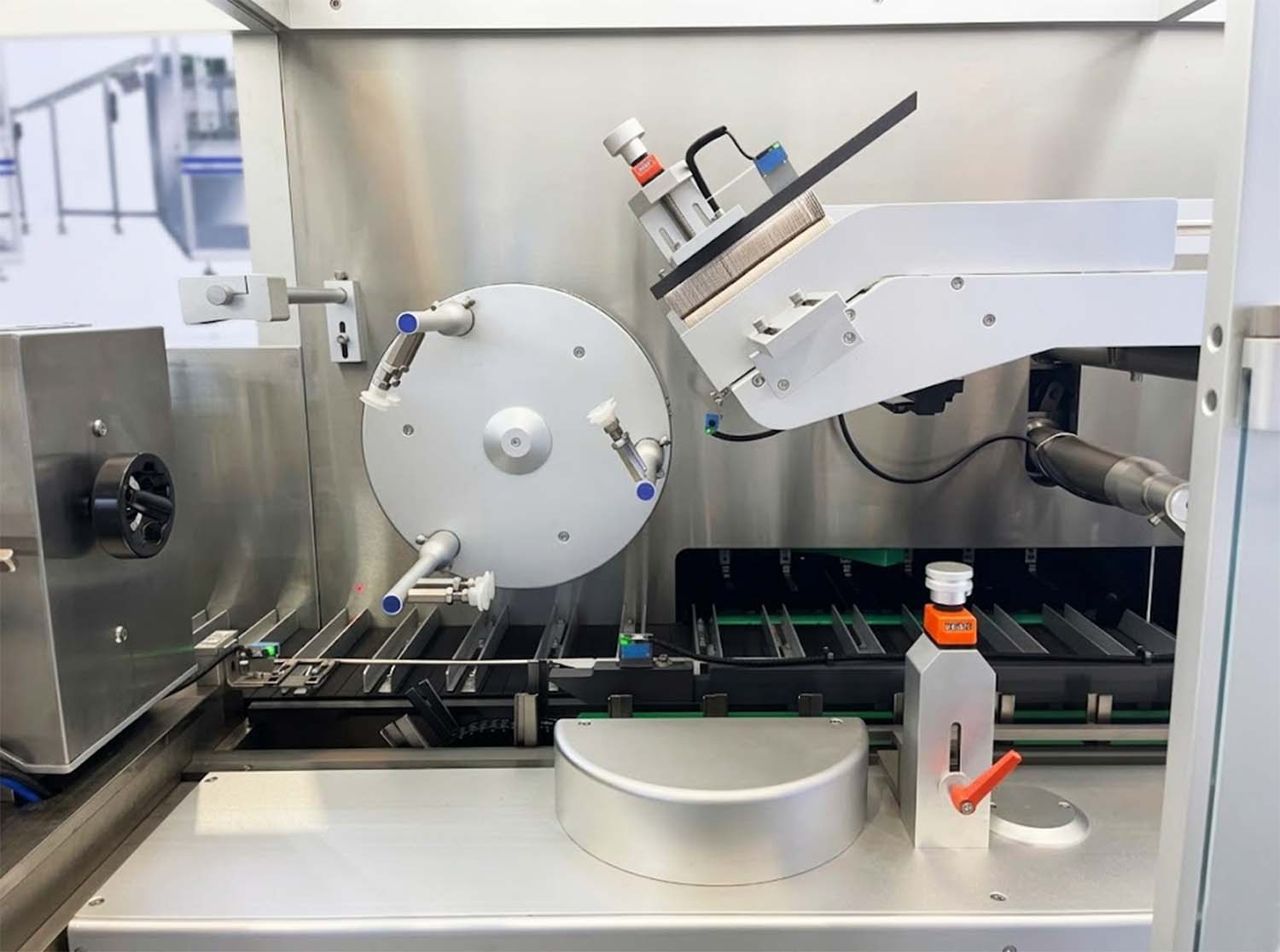
The transfer bridge lifts blisters with vacuum cups rather than pushing them, so there’s no sliding friction on the foil surface.

Multi-SKU contract packing

Several counts and carton sizes across a week. Recipe recall handles the timing; the tooling still changes by hand.

What changing over involves

A linked line changes over as one unit. That’s the trade-off you’re buying.

What changed

What you adjust

Roughly

Plates per carton(3 → 5)

Stacking count on the HMI

Minutes

Carton size changes

Cartoner tooling, plus the transfer bridge

15-45mins

Blister format changes

Blister tooling and the stacker and the cartoner

15-45mins

Alu-PVC → Alu-Alu

Blister tooling and feeder. Not a changeover

—

On two separate machines you can change one while the other keeps running. On a linked line you can’t. If you switch format more than once a week, that’s worth weighing against the operator you save between the two stations.

What to check before you buy

01

The tooling, not the machine

A format set covers four synchronised stations. Ask any supplier who designs the pocket layout, how long a new format takes to make, and what it costs. That's where a blister project succeeds or fails.

02

The feeder, before you order

An Alu-PVC universal feeder cannot run cold-formed Alu-Alu, and it cannot be converted afterwards. Ask which feeder you're being quoted and what it locks you out of.

03

Installation and training

Ask what's included and what costs extra. The answer varies more between suppliers than the machine price does.

Why Choose AIPAK?

Tooling Is the Machine
On a blister line, the tooling is where the machine is won or lost. A single format set covers four synchronised stations — forming, sealing, embossing and cutting — and they have to work as one. Send us your tablet or capsule samples and we design the pocket layout around your product, not the other way round.
Material and Feeder Matching
Alu-PVC, cold-formed Alu-Alu, tropical blister and medical dialysis paper each behave differently, and so does every feeder type. A universal Alu-PVC feeder cannot run cold-formed Alu-Alu — if you may move into Alu-Alu later, that decision has to be made before the machine ships, not after. We ask about your material and dosage form first, then specify the feeder.
Support & Factory-Direct
You buy from the factory, not through a trading company — which means custom modifications are a conversation with our engineers rather than a request passed down a chain. Remote diagnostics, spare parts and operator training come from the same team that built your machine.

We commission the link, not just the machines
A blister machine and a cartoner from the same supplier still have to be timed to each other on your floor. That’s one contract and one team, not two suppliers pointing at each other when the handshake drops.

High-Speed Integrated Blister Cartoning Line FAQ

What happens to a "Good" carton if its corresponding blister stack was rejected upstream?

This is the core of our “Zero-Waste Intelligent Tracking” logic. If the AI vision system on the blister machine detects a defect (e.g., an empty pocket), that specific blister is rejected. The downstream KDZ300H cartoner receives this data shift-register signal and will not pick a carton or a leaflet for that cycle. This ensures that you don’t waste expensive packaging materials on non-existent or defective products.

How does the vacuum transfer bridge protect the delicate surface of ALU/ALU blisters?

Conventional “push-style” transfers can scratch the aluminum foil or cause micro-cracks due to friction. Our line features a “Pick-and-Place” Vacuum Manifold equipped with medical-grade silicone suction cups. It lifts the blisters vertically and deposits them into the stacking magazine. There is zero sliding friction, preserving the aesthetic and structural integrity of your high-end ALU/ALU or Tropical Blister packs.

Can this line handle complex "Leaflet-First" or "Blister-First" insertion requirements?

Yes. The KDZ300H cartoning unit is equipped with a synchronized insertion arm. The software allows you to calibrate the insertion sequence so that the leaflet can be wrapped around the blister stack or placed on top, depending on your market’s regulatory requirements. This is all adjustable via the HMI without mechanical re-timing.

How does the line deal with "Heat Accumulation" during long high-speed shifts?

High-speed rotary sealing generates significant heat. We have integrated an Active Liquid-Chilling Loop within the sealing rollers of the DPH-280H and the mechanical friction points of the transfer bridge. 

What's my actual output?

Divide the blister punch frequency by your plates per carton. Ten plates a carton at 280 punches a minute is 28 cartons a minute — not 300. The 300 figure is the cartoner’s ceiling, and you only get near it on single-plate cartons. Tell us your count per carton and we’ll give you your number before you go any further.

Customers Also Interested In...

Ready to Future-Proof Your Production Line?

Consult with Our Lead Engineers for a Turnkey Solution.

“Transitioning to a full-servo integrated line is a significant step for your facility. At AIPAK, we don’t just sell machines; we design entire production ecosystems. From initial cleanroom layout to final FAT (Factory Acceptance Test), our senior project team is with you at every step to ensure a prefect operation.”

Customized Layout Engineering: Get a professional 3D CAD layout tailored to your specific cleanroom dimensions (I, L, or U shape).

Material Testing & Validation: Send us your specific foils, films, and cartons for a full-speed performance trial before you commit.

Global Commissioning & SAT: Benefit from our on-site Site Acceptance Test (SAT) and expert operator training most of place in the world.

Scroll to Top