
Automatic Effervescent Tablet Tube Filling Machines
Foil-Rolled or Direct-Fill, Into Straight Tubes with a Desiccant Cap
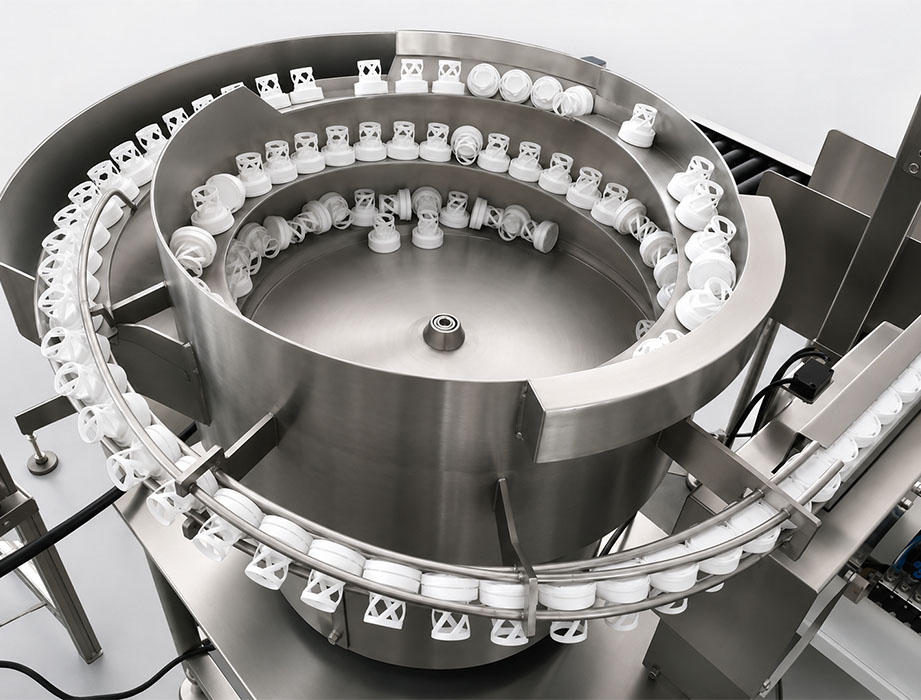
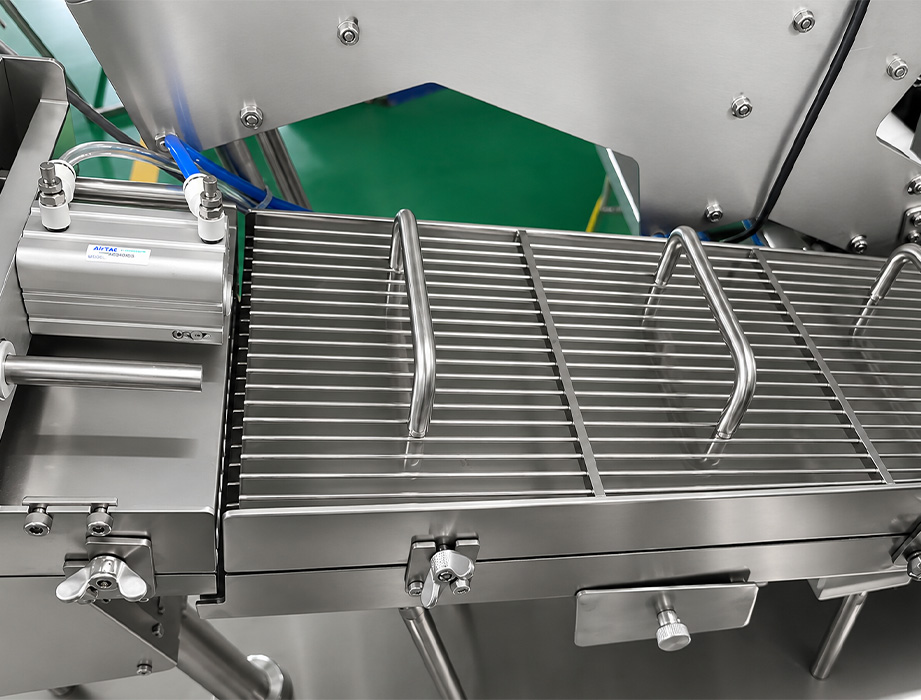
Effervescent tablets are large, brittle and start reacting the moment they meet moisture. That’s why they go into a rigid tube with a desiccant cap, and why they can’t be dropped down a counting channel like a vitamin. Our machines lay them flat, line them up in a single row, and push them into the tube on their side.
Why Choose Our Effervescent Tablet Tube Filling Machines?
Effervescent tablets chip if they’re dropped and jam if their thickness varies. These machines are built around both problems.
Laid Flat, Not Dropped
A vitamin counter drops tablets down a channel. An effervescent tablet is 22 to 25 mm across and brittle, and a drop like that chips the edge. These machines vibrate the tablets along a flat track, line them up in a single overlapping row, and push them into the tube on their side. Nothing falls.
Stepper Indexing on the 40B and 60
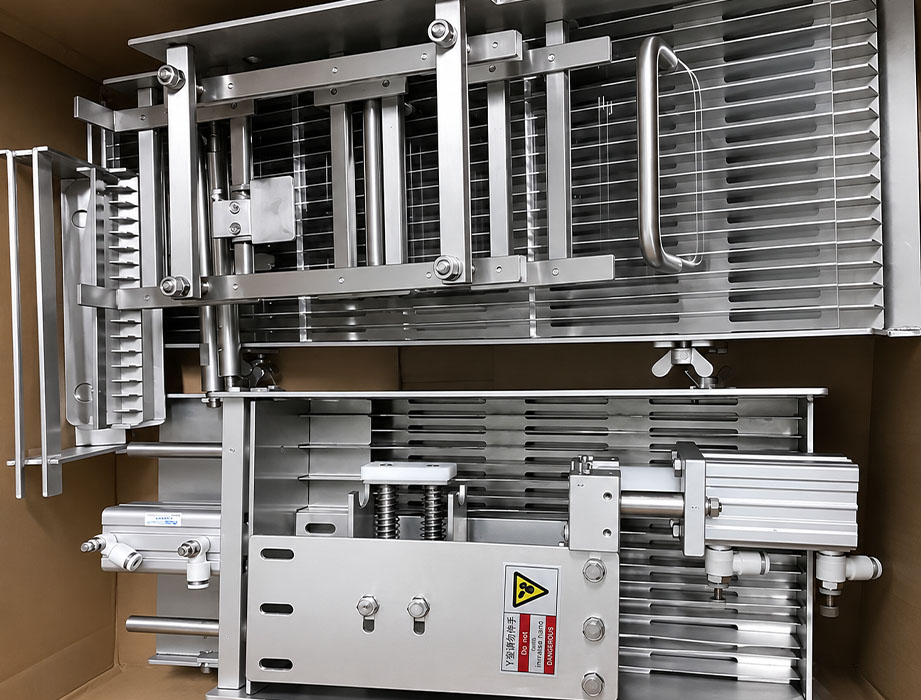
The 40A stops each station with pneumatic cylinders. The 40B and 60 use a stepper motor with a mechanical indexing disk, which holds position more consistently as the machine wears — and handles tablet thickness variation better.
Dust Extraction Port, 38 mm
Effervescent tablets shed powder, and that powder settles on the optical sensors that count them. Each machine has a 38 mm port ready for your dust extraction unit. The extractor itself is on your side.
No Tube, No Tablet, No Cap
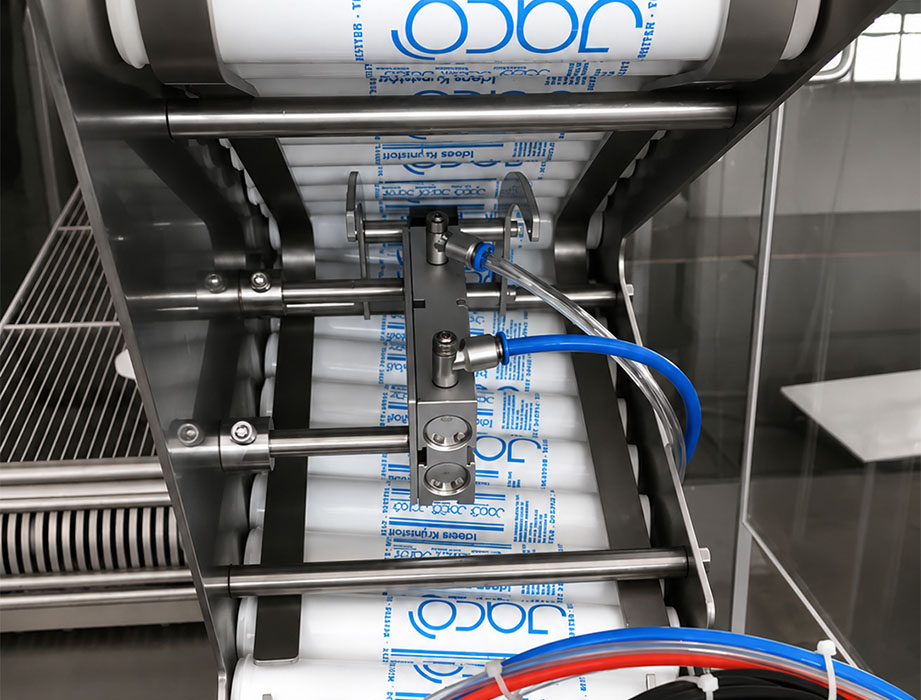
Optical sensors check each station before it acts. A tube with a short count or a missing cap is diverted out rather than passed down the line — so you’re not paying for a cap on a tube you’ll have to open again.
What These Machines Are Packing
Model comparison
Model | What it does | Speed | Power | Air | Dimensions | Weight |
APK-40A | Fills rolls into tubes, caps | 35–40 tubes/min | 220 V, 1.2 kW | 0.5–0.6 MPa, 0.28 m³/min | 1,600 × 1,500 × 1,600 | 420 kg |
APK-40B | Same, with stepper indexing | 35–40 tubes/min | 220 V, 1.5 kW | 0.5–0.6 MPa, 0.28 m³/min | 1,600 × 1,500 × 1,600 | 420 kg |
APK-60 | Fills tablets directly, caps, rejects short counts | 50–60 tubes/min | 220 V, 2 kW | 0.5–0.6 MPa, 0.24 m³/min | 3,300 × 2,000 × 1,750 | 1,000 kg |
APKZL-60 | Labels the finished tube | 60 tubes/min | 220 V, 0.8 kW | — | 1,400 × 500 × 1,250 | 320 kg |
All models take 10 to 20 tablets per tube, Ø22–25 mm, 5–6 mm thick. Three things have to be true of your tablets and tubes before any of them will run cleanly — see the FAQ below.
Product Range Overview
Two machines for foil-rolled tablets, one that fills the tube directly, and a labeler for the finished tube.
Three numbers decide whether any of these machines will run on your product: tablet hardness, thickness variation, and how much bigger your tube’s inner diameter is than your tablet.
Documentation & Selection Support
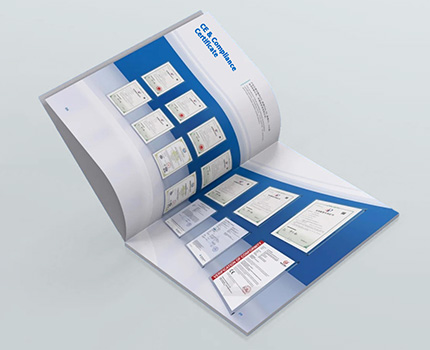
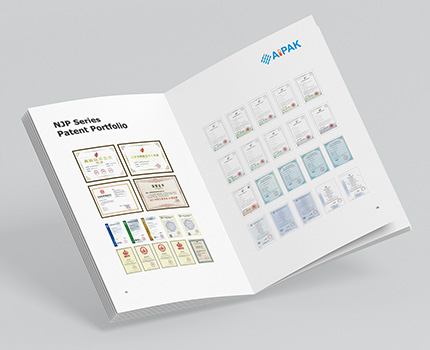
Verify our quality standards and simplify your procurement process with our official documentation.
Product Portfolio
Quality Assurance
Technical Standards
Verify our quality standards and simplify your procurement process with our official documentation.
Effervescent Tablets Tube Filling Machine FAQ
None of the machines drop the tablets. They’re loaded into a vibratory hopper and moved along flat tracks that line them up in a single overlapping row, then pushed into the tube on their side, so there’s no impact to chip the edge. Tablets are loaded into a vibratory hopper and gently routed through flat screening tracks that line up the tablets in a single row configuration. This overlapping approach removes impact stress, directly preserving your raw formulation hardness metrics.
To ensure seamless row counting and prevent cylinder alignment jams, the raw tablets must have a minimum hardness threshold of above 5kg. Additionally, to prevent stacking errors inside the channels, your tablet thickness variance must be kept tightly within a rigid limit of ±0.2mm.
The entire series incorporates an intelligent multi-point verification sensor array governed by a centralized PLC. If the optical fiber detection flags an incomplete tablet count or a missing cap, the machine locks the cap pressing cylinder for that container. The uncapped or shorted tube bypasses the main outlet and is automatically rejected via a separate discharge chute.
While the mechanical screening tracks naturally filter out small fine particles and powder dust, large structural tablet debris must be checked and cleared from the alignment channels. To prevent airborne dust accumulation, every machine features an integrated 38 mm vacuum connector port ready to hook up to your facility’s industrial dust extraction unit.
Often, yes. The standard setup is for Ø22–25 mm tablets, 5–6 mm thick, 10 to 20 to a tube. Outside that, the tracks, counting rails and cap feeder can be made to your tablet and tube. Send us samples and we’ll confirm before we quote.
The APK-40A stops each station with pneumatic cylinders. The APK-40B uses a stepper motor and a mechanical indexing disk, which holds position more consistently as the machine wears. Buy the 40A if your tablet thickness is consistent and your production runs are long. Buy the 40B if you change products often or your thickness varies towards the edge of ±0.2 mm.
No, that will cause frequent line jams. To ensure smooth mechanical pushing and friction-free automated loading into the tube mouth, the inner diameter of your straight tube or bobbin bottle must be at least 2 mm larger than the maximum outer diameter of your tablet.
If you’re making rolled tubes, yes — the APK-40A and 40B push a finished foil roll into the tube; they don’t wrap it. The wrapping is done by the APK-JZ40 upstream. If you’re filling tablets directly into the tube, the APK-60 does it in one machine.
Effervescent tablets need a desiccant in the cap, and the cap has to seal the tube tight. Tell us which cap you’re using and send a sample — cap feeding is set up around it.
A kit of wear parts ships with your machine. Every part in the kit, and the lead time for anything outside it, is listed in your quote in writing.
Yes. Our machines are certified and use certified electrical components. Because the exact scope depends on the model and electrical configuration you select, our factory confirms it in writing before production.
Send us tablets and tubes
Three things decide whether these machines run on your product, and none of them is speed: tablet hardness, thickness variation, and tube clearance. Send us samples of both and we’ll check all three before we quote.
- Reply within one business day
- Your tablets and tubes run on the machine before you order
- We keep your formula and specs confidential.