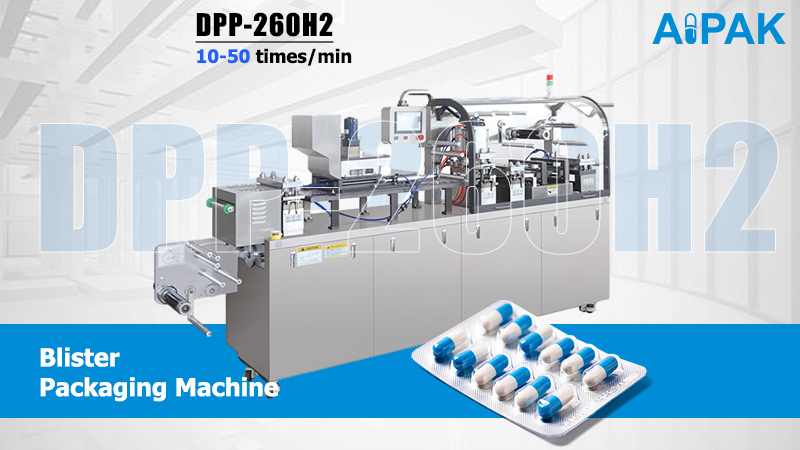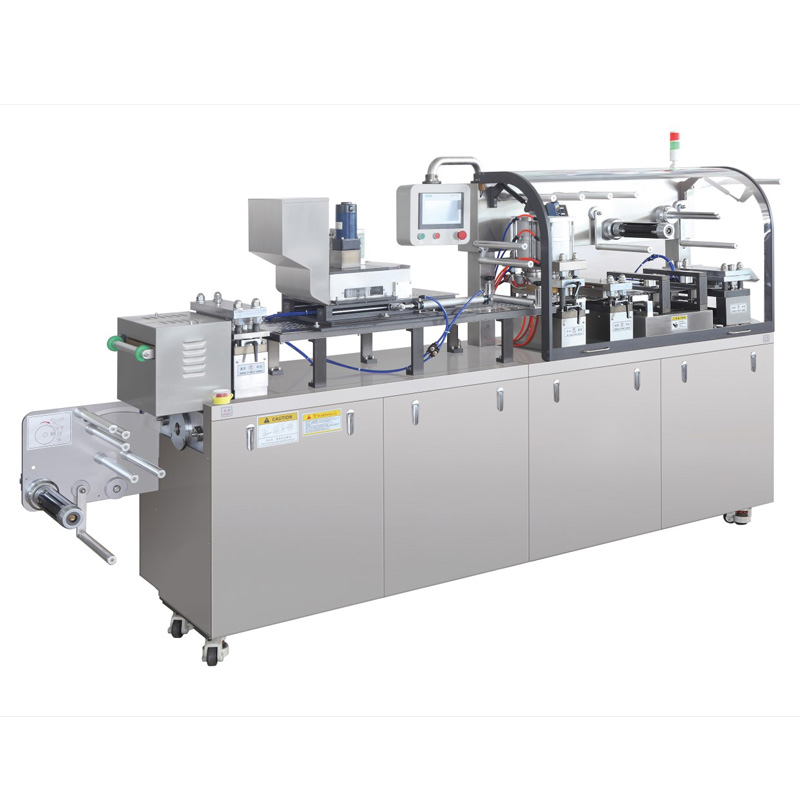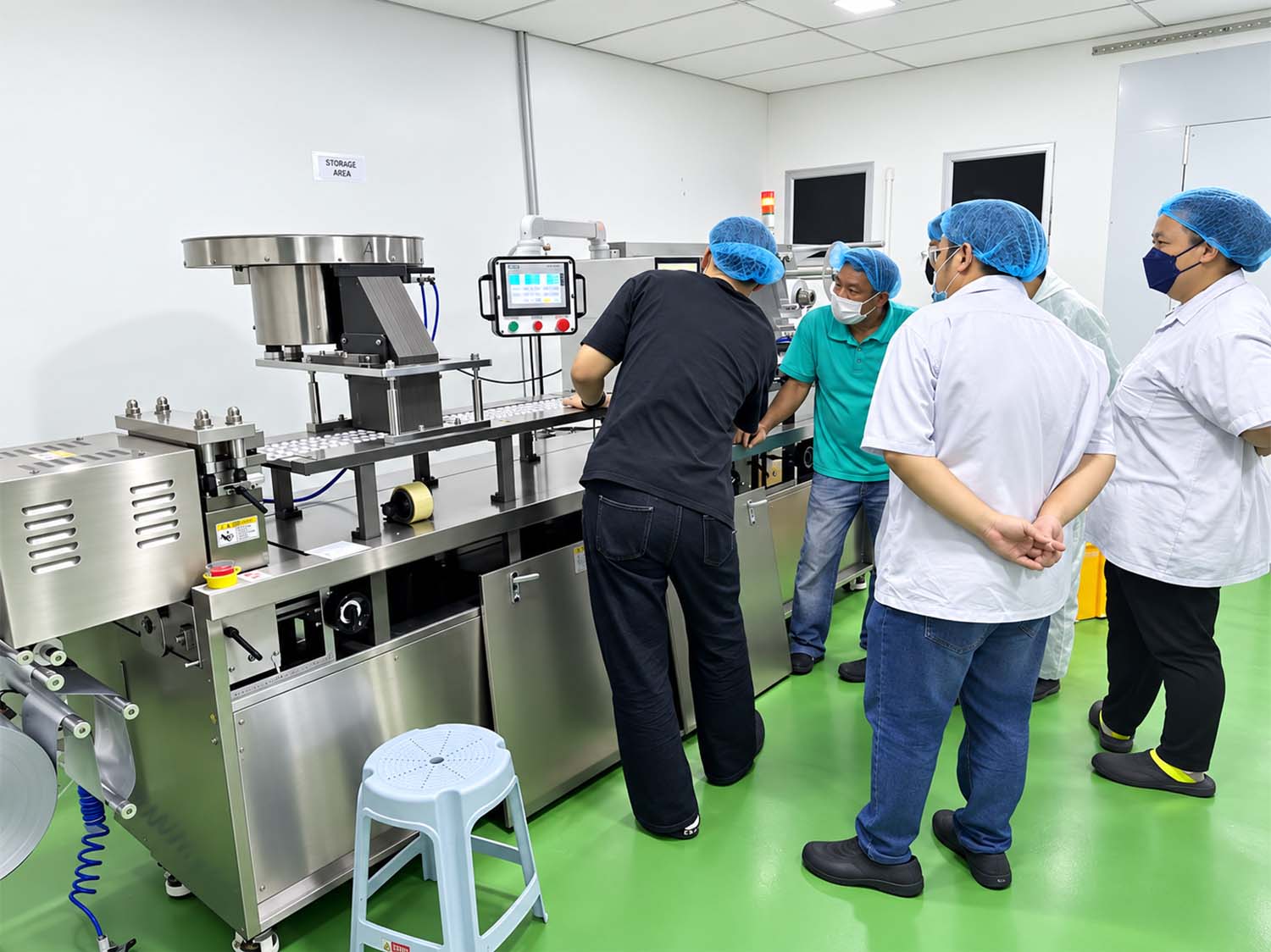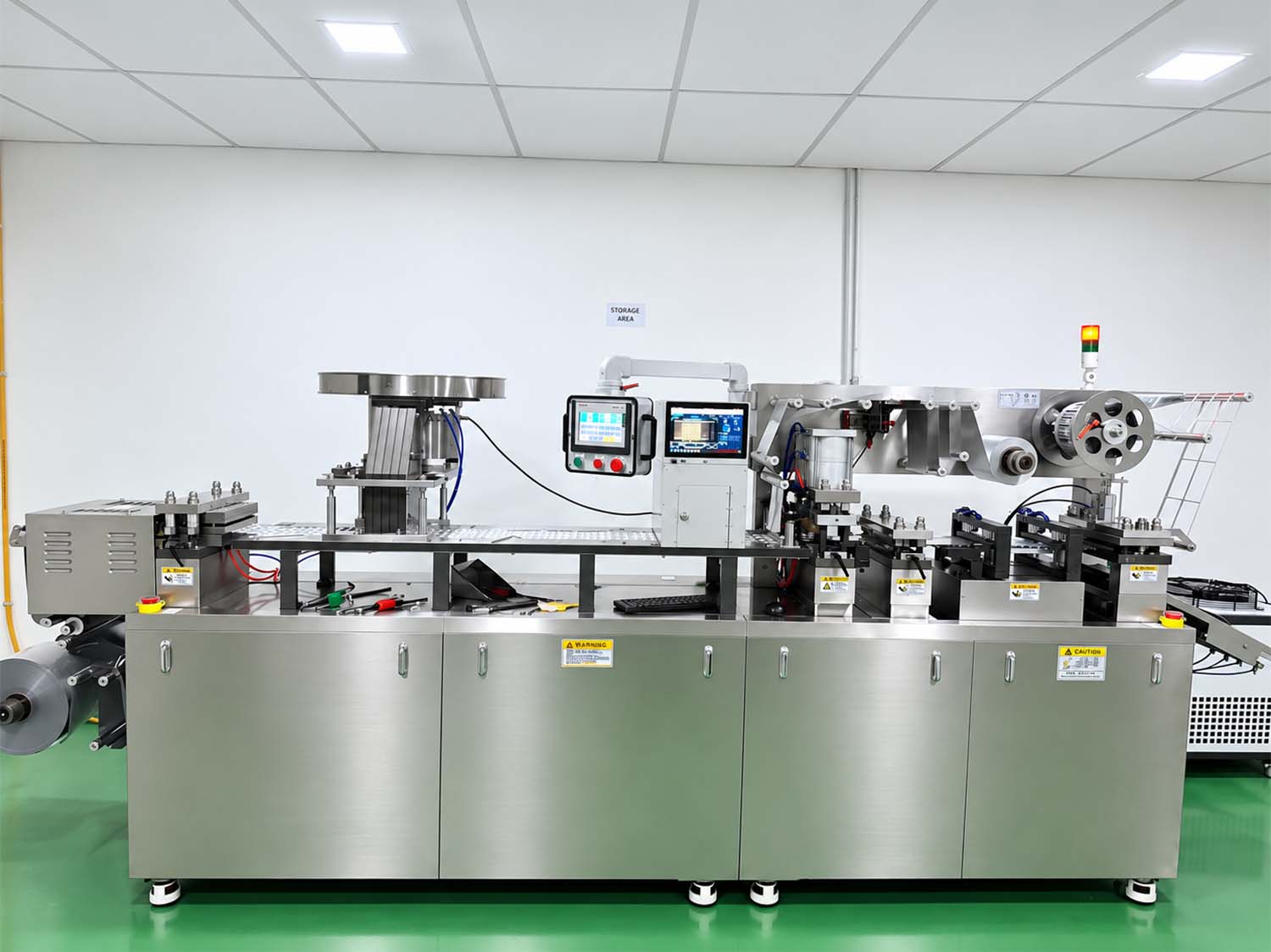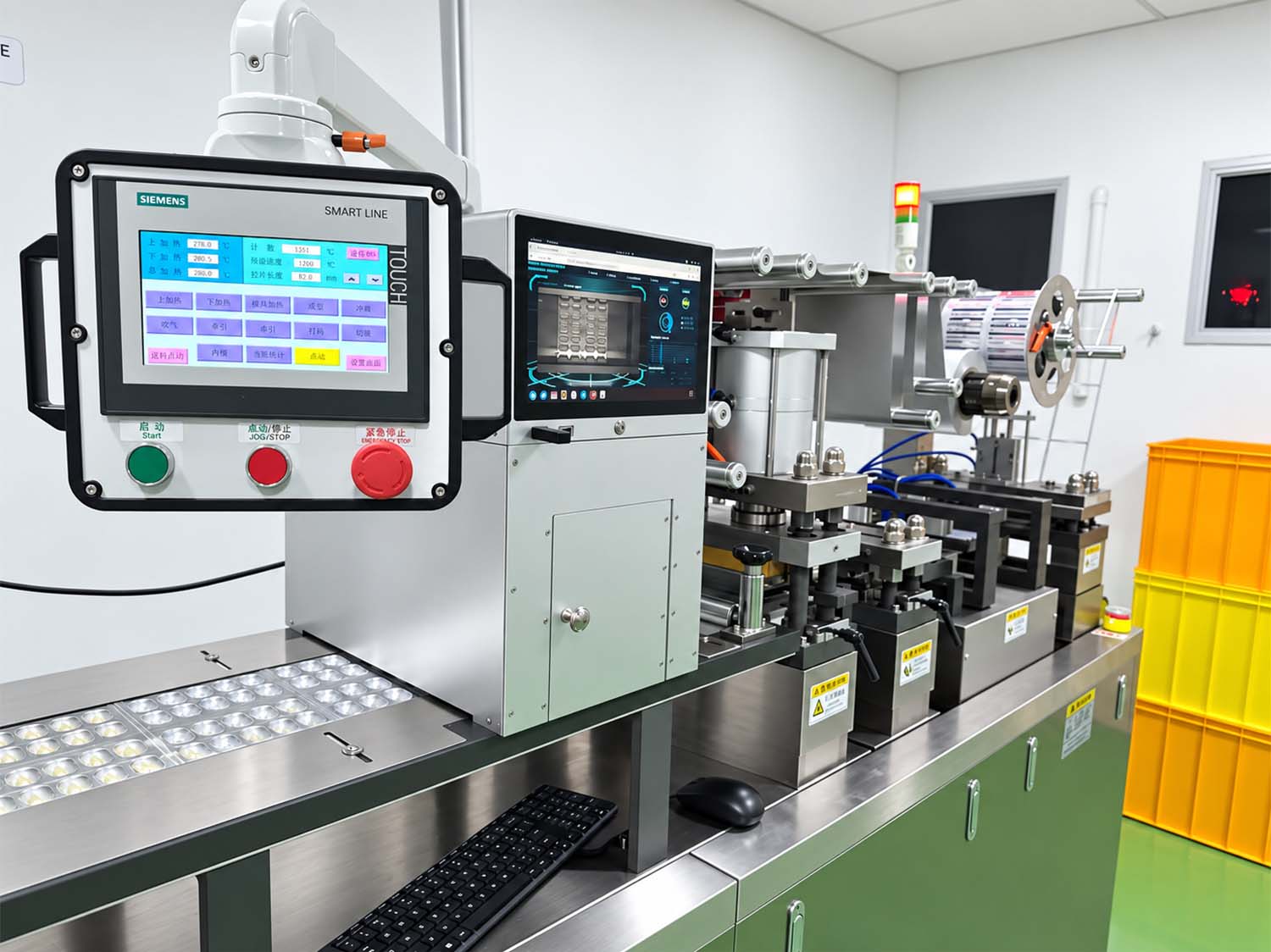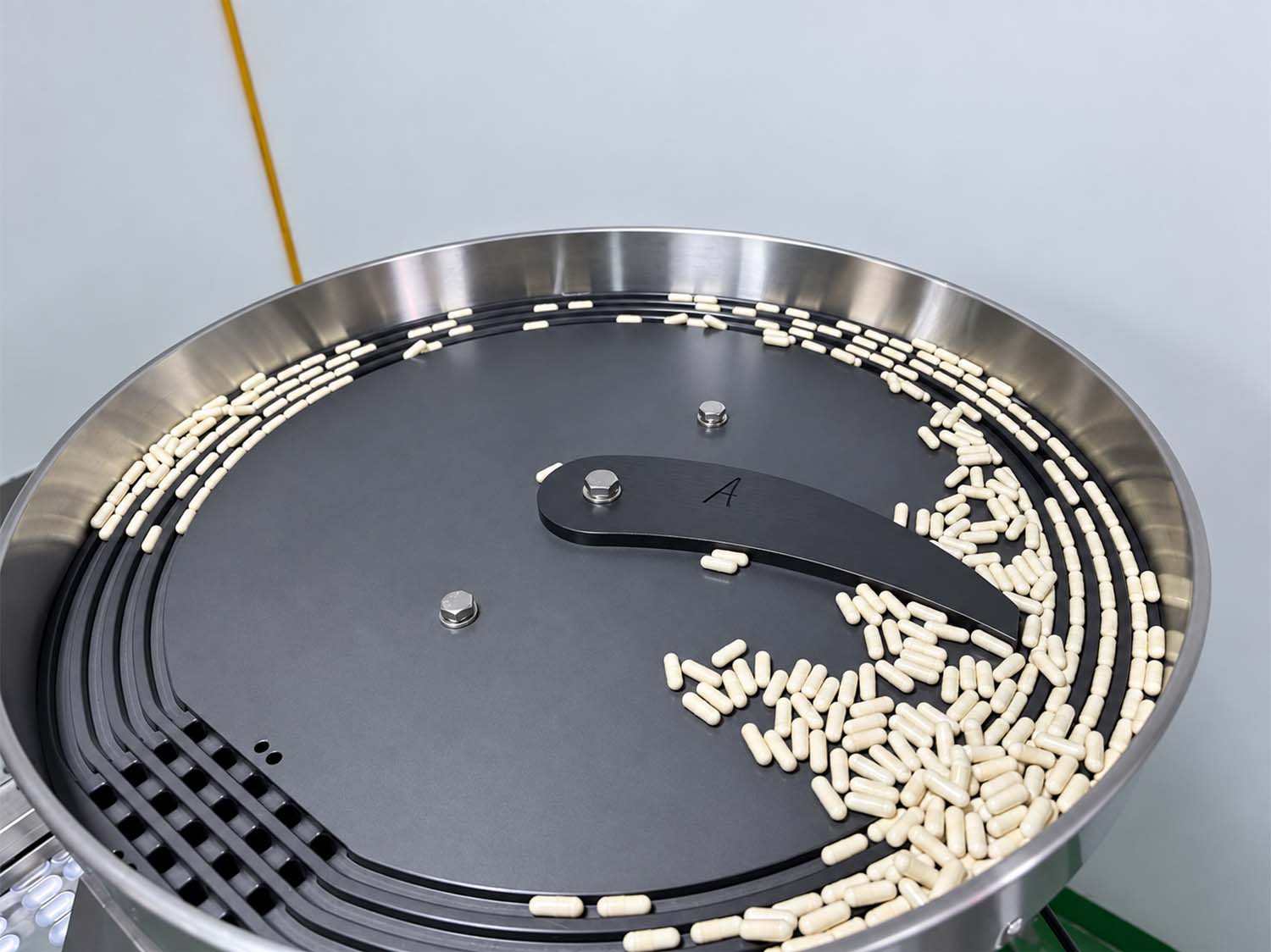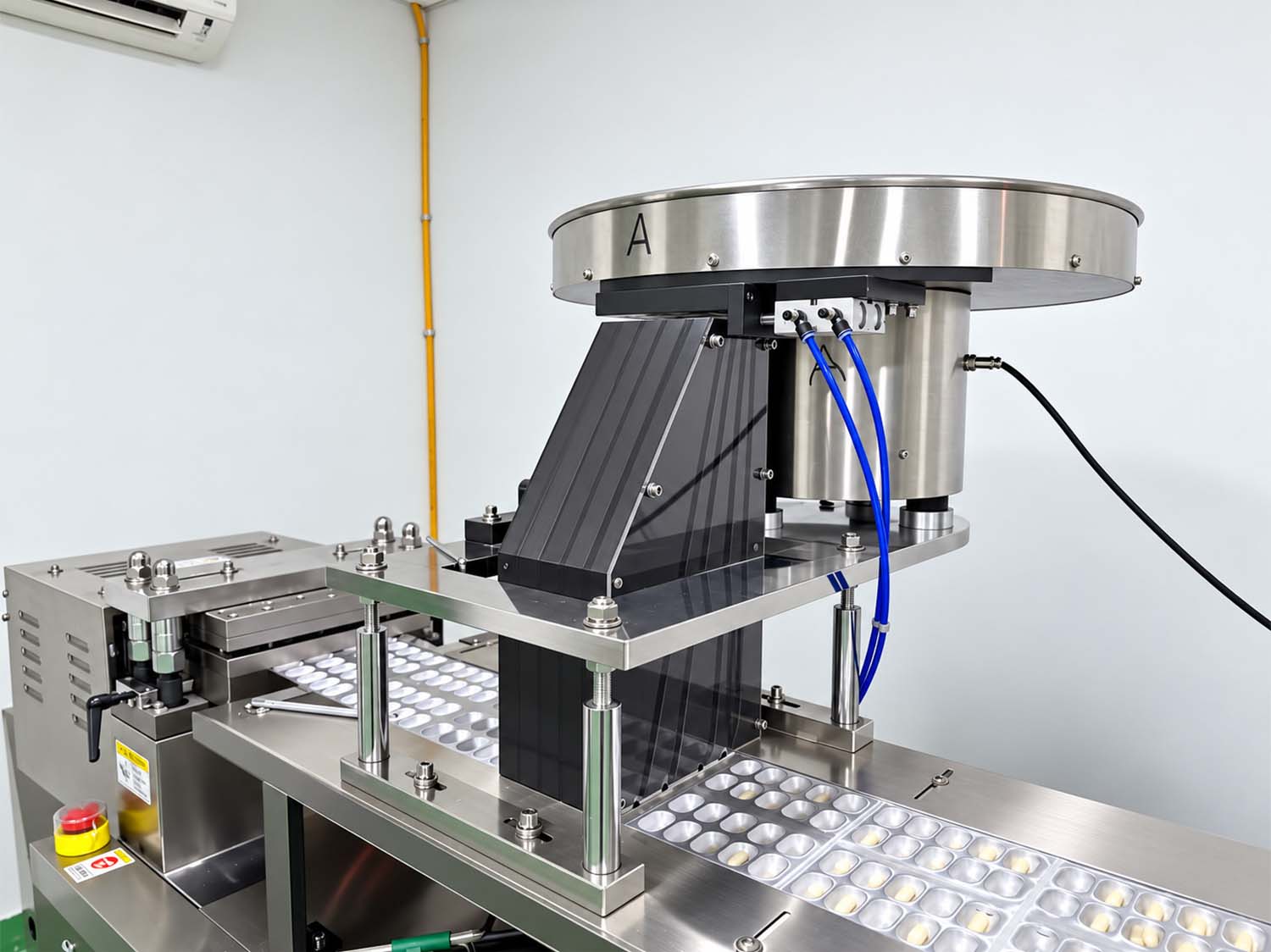
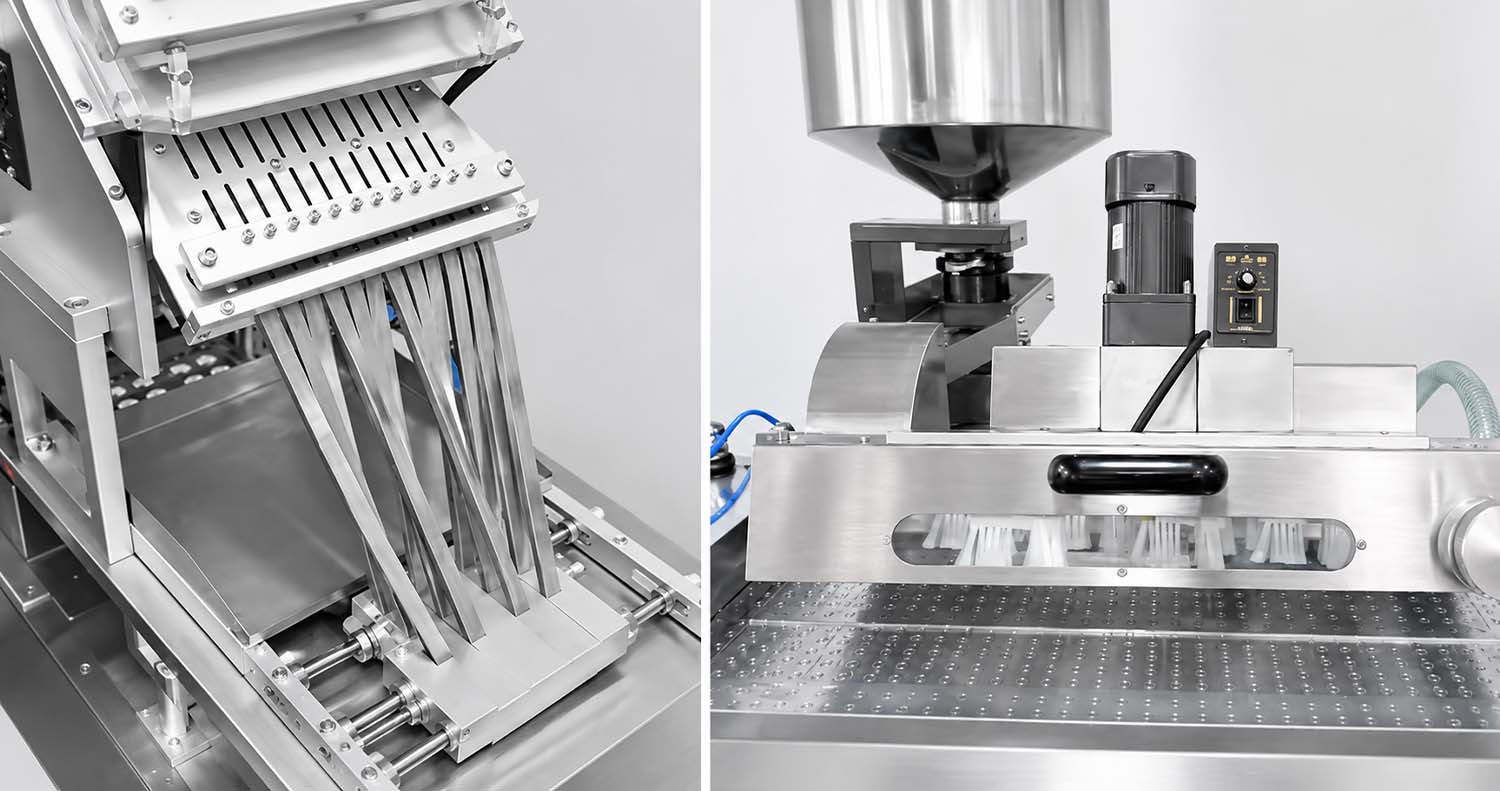
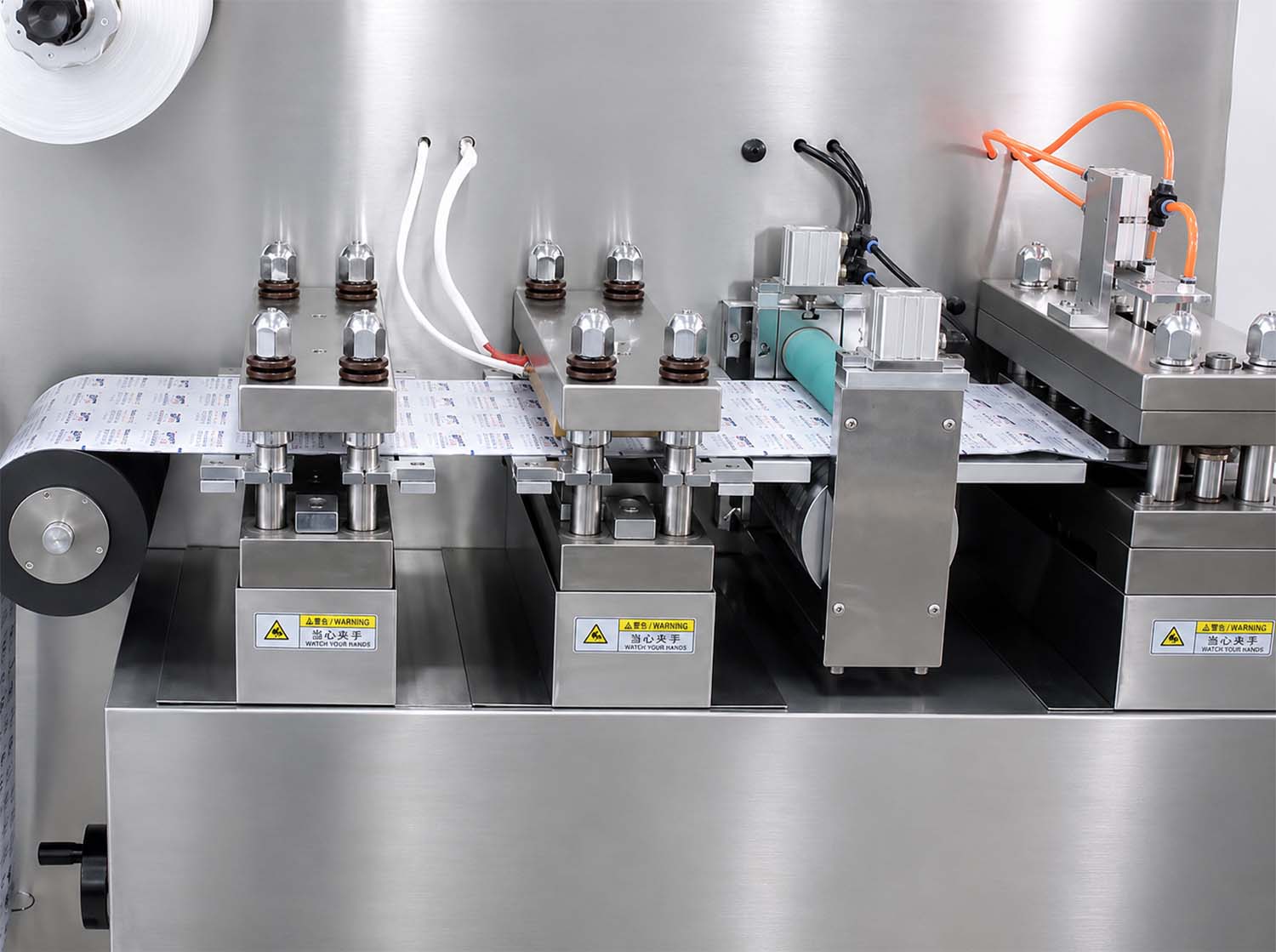
DPP-260H2 Rotary-Seal Blister Packaging Machine
Continuous roller sealing, 60 to 130 punches a minute, 28,800 plates an hour
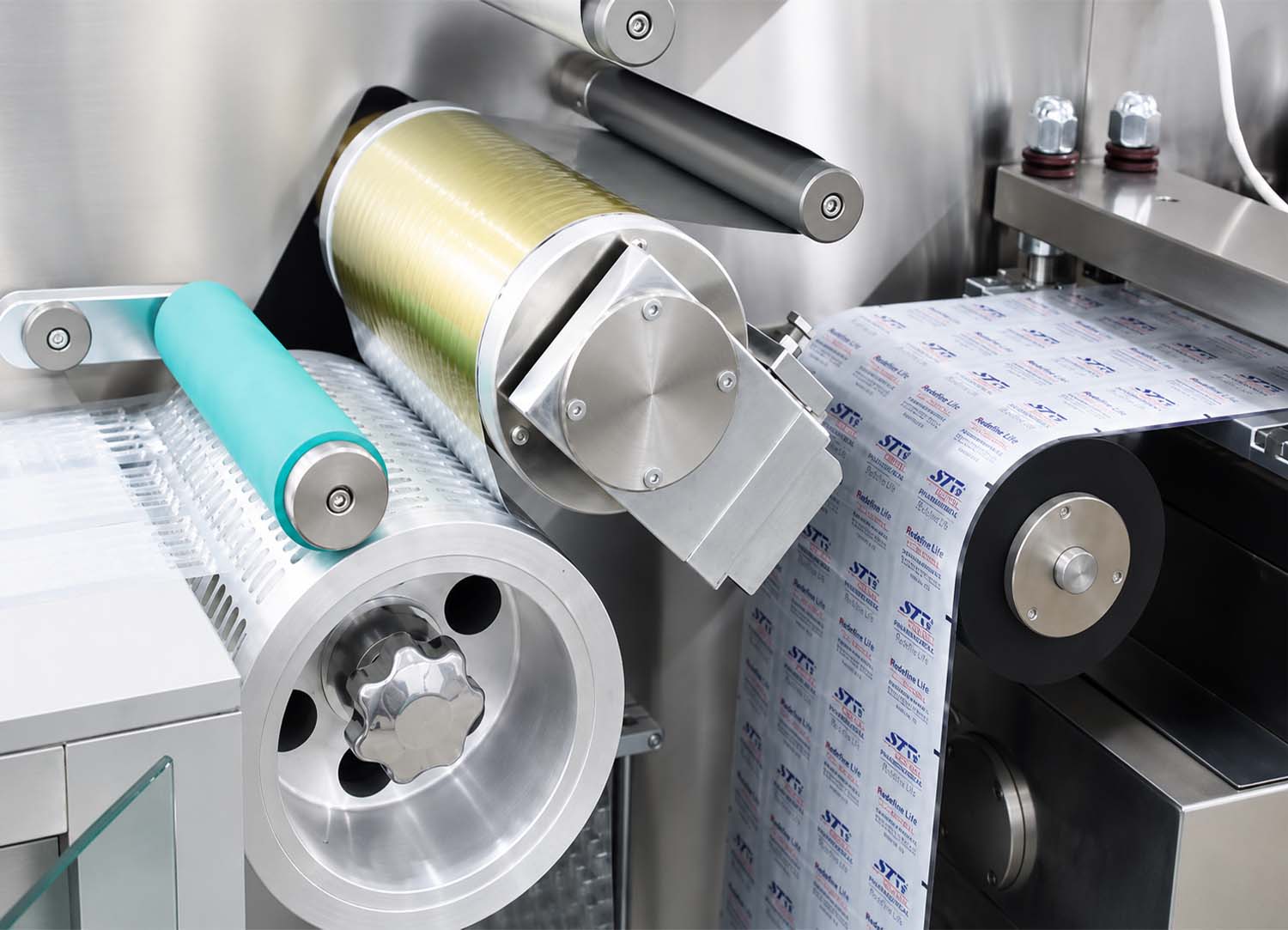
Same 260 mm class as the DPP-260H1, but a different machine. This one seals with a continuously rotating knurled roller instead of a pneumatic platen. That’s what takes it from 60 punches a minute to 130, and from 12,000 plates an hour to 28,800. It also forms to 12 mm instead of 26 — so it’s faster, and it’s not the machine for deep pockets.
1.Punch frequency: 60 to 130 times a minute
2.Output: 28,800 plates an hour(at 80 × 57 mm plate)
3.Continuous roller sealing: not intermittent platen sealing
4.Forming depth: 12 mm. Deeper items need the DPP-260H1
5.Power: 15 kW, twin 2 kW servo drives
Is this the right machine for you?
✓ Yes, if…
- You need more than 12,000 plates an hour
- Your pocket depth is 12 mm or less
- You run one or two formats continuously
- You have 4.5 m of line length and three-phase at 15 kW
- Foil cost matters — continuous forming leaves less waste between plates
✕ Buy something else if…
- Your item needs more than 12 mm of depth → syringes, vials and large pills need the DPP-260H1, which forms to 26 mm on Alu-PVC
- You need under 12,000 plates an hour → the DPP-260H1 costs less, draws 7.6 kW instead of 15, and takes 600 mm less floor
- You change format weekly → a gear-shift ratio change is more involved than swapping tooling on a flat-plate machine
- Your floor can't take 2,600 kg → this is the heaviest machine in our blister range, 1,000 kg more than the H1
Technical specification
Feature | DPP-260H2 | What does it mean to you? |
Punch frequency | 60–130 times/min | Roughly double the flat-plate machines |
Output | 28,800 plates/hour | At 80 × 57 mm plate. Your plate size changes this |
Sealing | Continuous knurled-roller | Not intermittent platen sealing — that’s where the speed comes from |
Forming | Positive pressure against plate, 120 °C | Lower forming temperature than conventional platen forming |
Forming area & depth | 240 × 240 × 12 mm | Half the depth of the DPP-260H1. Check your item height first |
Forming traction stroke | 100–250 mm | — |
Cutting traction stroke | 20–100 mm | — |
Main servo motors | 2 + 2 kW | — |
Total power | 380/220 V, 50/60 Hz, 15 kW | Nearly double the DPP-260H1 |
Air pressure | 0.5–0.7 MPa | Higher than the flat-plate range |
Air consumption | 20 L/min | — |
PVC film | 0.25–0.50 × 260 mm | Max roll diameter Φ400 |
PTP foil | 0.02–0.035 × 260 mm | Max roll diameter Φ280 |
Dimensions | 4,500 × 950 × 1,620 mm | 600 mm longer than the H1 |
Weight | 2,600 kg | Check your floor loading |
Model comparison
Model | Type | Punch freq. | Output | Forming area | Power |
DPP-80 | Flat plate | 10-33 times/min | 1980 plates/hour | 80 mm | 2.4Kw |
DPP-120H | Flat plate | 10-35 times/min | 2,400 – 4,200 plates/hour | 120 mm | 4.5Kw |
DPP-150E | Flat plate | 10-40 times/min | 3,600 – 7,200 plates/hour | 150 mm | 6.5 Kw |
DPP-180H | Flat plate | 10 – 50 times/min | 4,800 – 9,600 plates/hour | 180 mm | 8.5 Kw |
DPP-260H1 | Flat plate | 10–50/min | 6,000–12,000/h | 260×180 mm | 9.5 kW |
DPP-260H2 | Flat plate, servo | 10-50 times/min | 6,000 – 12,000 plates/hour | 260 mm | 9.5Kw |
DPH-260H | Rotary | 40 – 140 cuts/min (Alu/Plastic) |40 – 80 cuts/min(Alu/Alu) | 6,000 – 18,000 plates/hour | 260 mm | 9.5Kw |
DPH-380H | Rotary | Up to 600 cuts/min | Up to 45,000 plates/hour | 380 mm | 15 Kw |
Flat plate and rotary are two different machines, not two speeds of one. Flat plate stretches the film against a mould with positive air pressure and a mechanical punch. Rotary forms and seals on a drum with line contact. The difference shows up in material waste, changeover time and what the machine costs you per plate — see the comparison below.
Twin Servo Drives
Two 2 kW servo motors drive forming and cutting independently. At 130 punches a minute a single-motor machine accumulates timing error across a shift; independent drives don’t.
12 mm Forming Depth
This is a limit, not a feature, and it’s worth stating plainly. Continuous roller forming trades depth for speed. If your item is taller than 12 mm, the DPP-260H1 is the machine — it forms to 26 mm on Alu-PVC.
Continuous Roller Sealing
A knurled roller rolls across the seam continuously instead of a platen pressing down and lifting. Line contact rather than area contact, and no dwell-and-release cycle. It’s the single reason this machine runs at double the rate of a flat-plate.
Positive-Pressure Forming at 120 °C
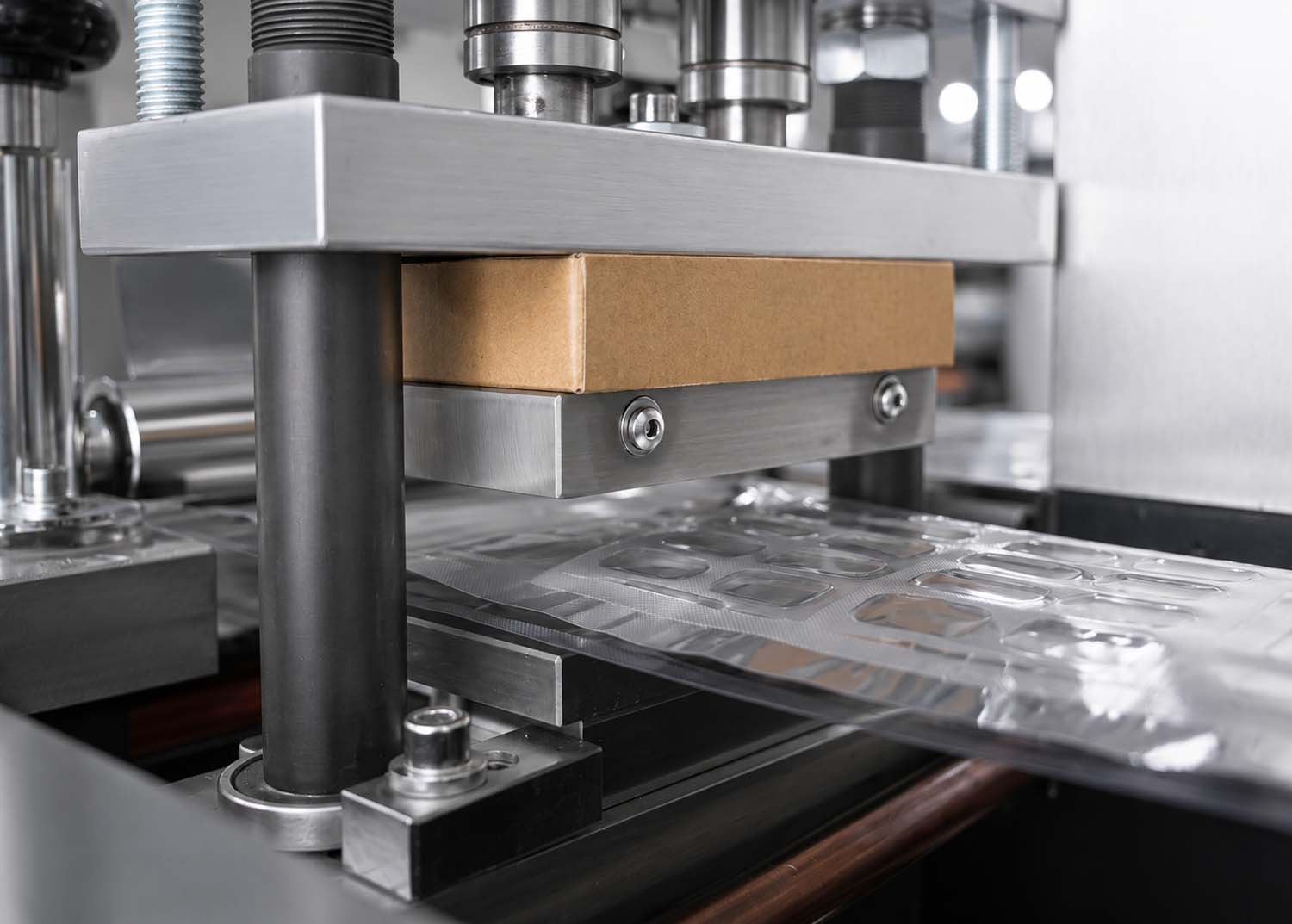
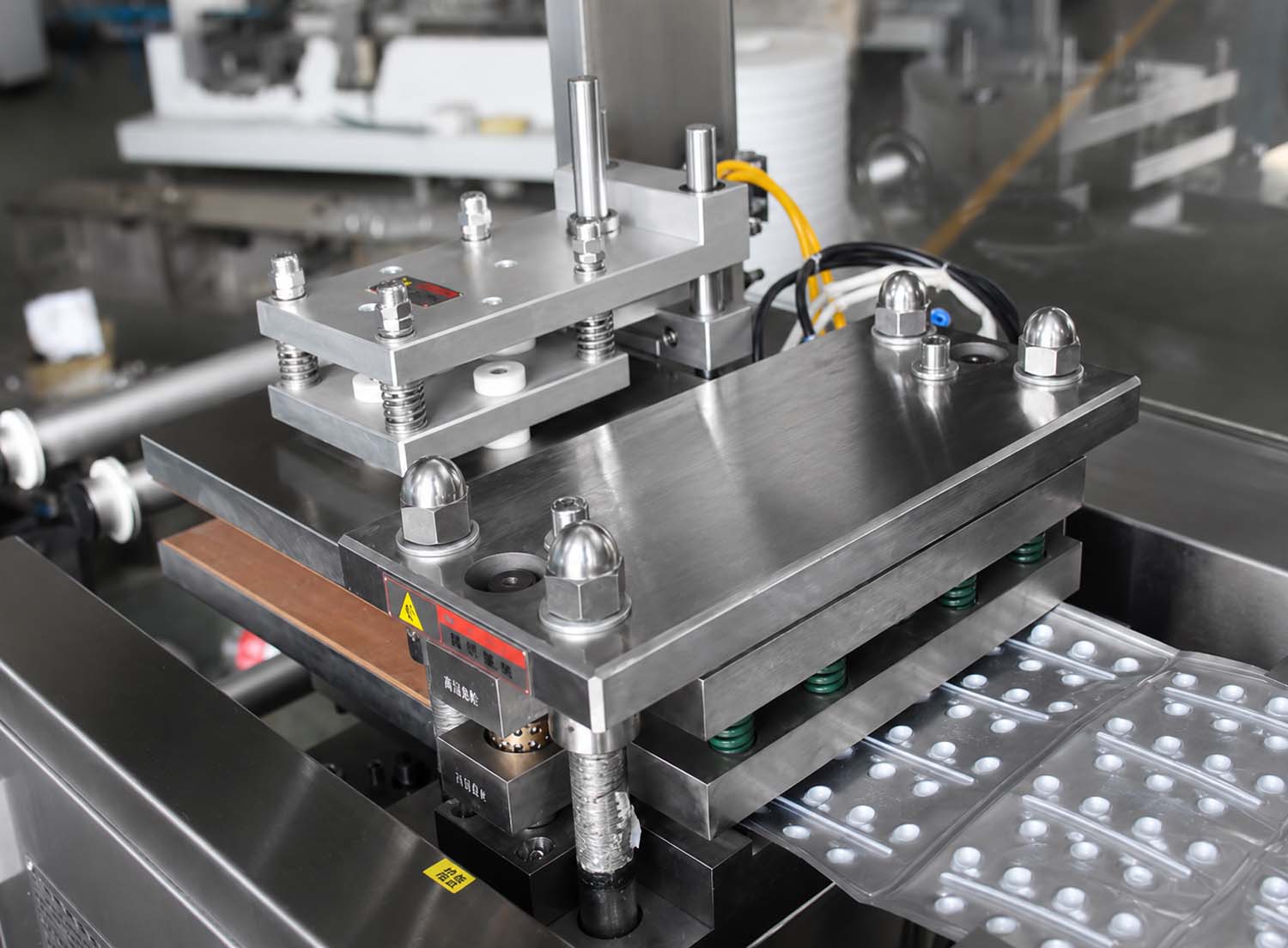
Pockets are formed by air pressure against a plate at 120 °C. Lower forming temperature than a conventional platen machine, which means less energy and a crisper pocket wall.
Less Waste Between Plates
Continuous forming and sealing leave a narrower margin between plates than an intermittent machine does. On cold-formed Alu-Alu, where the foil costs several times what Alu-PVC does, that margin is where the money is.
Gear-Shift Forming-to-Cutting Ratio
A shiftable gear transmission changes how many forming strokes happen per cutting stroke. Form three plates lengthwise and the ratio is 1:3; form four and it’s 1:4. That’s where 28,800 plates an hour comes from — not from punching faster, but from forming more per stroke.
Industry Applications
The DPP-260H2 is engineered for the most demanding production schedules in global pharmaceutical manufacturing. Its 260 mm forming width supports:
Flat tablets and standard capsules at volume
Items under 12 mm tall in continuous production. This is what the machine is built for.
Cold-formed Alu-Alu at high output
Alu-Alu costs several times what Alu-PVC does. At 28,800 plates an hour the narrower plate margin is a real line item, not a rounding error.
Single-SKU continuous runs
One format running across shifts. A gear-ratio change is more involved than swapping flat-plate tooling, so this machine pays back on long runs rather than frequent changes.
Confectionery and food tablets
Candy, milk tablets and lozenges — high volume, shallow pocket, and the same 12 mm ceiling applies.
What changing over involves
A format set is four stations, not one part.
What changed | What you adjust | Roughly |
Same format, new batch | Nothing | — |
Plate layout changes | Forming, sealing, embossing and cutting tooling | 15-45mins |
Plates per forming stroke changes(1:3 → 1:4) | Gear ratio on the shift transmission, plus tooling | 15-45mins |
Alu-PVC → Alu-Alu | Tooling and feeder. Punch rate drops to ≤40 | Not a changeover |
A rotary machine trades changeover speed for running speed. If you switch format more than once a week, the flat-plate DPP-260H1 will cost you less in downtime than this machine saves you in output.
What to check before you buy
The tooling, not the machine
A format set covers four synchronised stations. Ask any supplier who designs the pocket layout, how long a new format takes to make, and what it costs. That's where a blister project succeeds or fails.
The feeder, before you order
An Alu-PVC universal feeder cannot run cold-formed Alu-Alu, and it cannot be converted afterwards. Ask which feeder you're being quoted and what it locks you out of.
Installation and training
Ask what's included and what costs extra. The answer varies more between suppliers than the machine price does.
Why Choose AIPAK?
Tooling Is the Machine
On a blister line, the tooling is where the machine is won or lost. A single format set covers four synchronised stations — forming, sealing, embossing and cutting — and they have to work as one. Send us your tablet or capsule samples and we design the pocket layout around your product, not the other way round.
Material and Feeder Matching
Alu-PVC, cold-formed Alu-Alu, tropical blister and medical dialysis paper each behave differently, and so does every feeder type. A universal Alu-PVC feeder cannot run cold-formed Alu-Alu — if you may move into Alu-Alu later, that decision has to be made before the machine ships, not after. We ask about your material and dosage form first, then specify the feeder.
Support & Factory-Direct
You buy from the factory, not through a trading company — which means custom modifications are a conversation with our engineers rather than a request passed down a chain. Remote diagnostics, spare parts and operator training come from the same team that built your machine.
DPP-260H2 Ultra Series Blister Packaging Machine FAQ
Not by punching faster than the gears allow. A shiftable transmission sets how many forming strokes happen per cutting stroke — form four plates lengthwise and cut them in one pass, and the ratio is 1:4. Combined with continuous roller sealing instead of an intermittent platen, that’s where the rate comes from.
Continuous roller forming trades depth for speed. The film has less dwell time against the mould, so it stretches less far. If your item is taller than 12 mm — syringes, vials, large pills — the flat-plate DPP-260H1 forms to 26 mm on Alu-PVC. We’d rather tell you now than at the factory acceptance test.
Yes, with the right tooling and feeder. Note that Alu-Alu forms more slowly than Alu-PVC on any machine — plan your output on the Alu-Alu figure, not the headline one.
Different machines, same width class. The H1 seals with a pneumatic platen, forms to 26 mm, runs to 60 punches a minute and draws 7.6 kW. This one seals with a continuous roller, forms to 12 mm, runs to 130 and draws 15 kW. Depth and changeover frequency usually decide it before speed does.
4,500 × 950 mm, 2,600 kg, 15 kW three-phase, 0.5 to 0.7 MPa compressed air. This is the heaviest and highest-draw machine in our blister range.
380/220 V, 50/60 Hz, built to your local supply.
Customers Also Interested In...
DPP-260H1
26 mm forming depth
7.6 kW
Half the speed, twice the depth. If your item is taller than 12 mm, this is the machine — not this page.
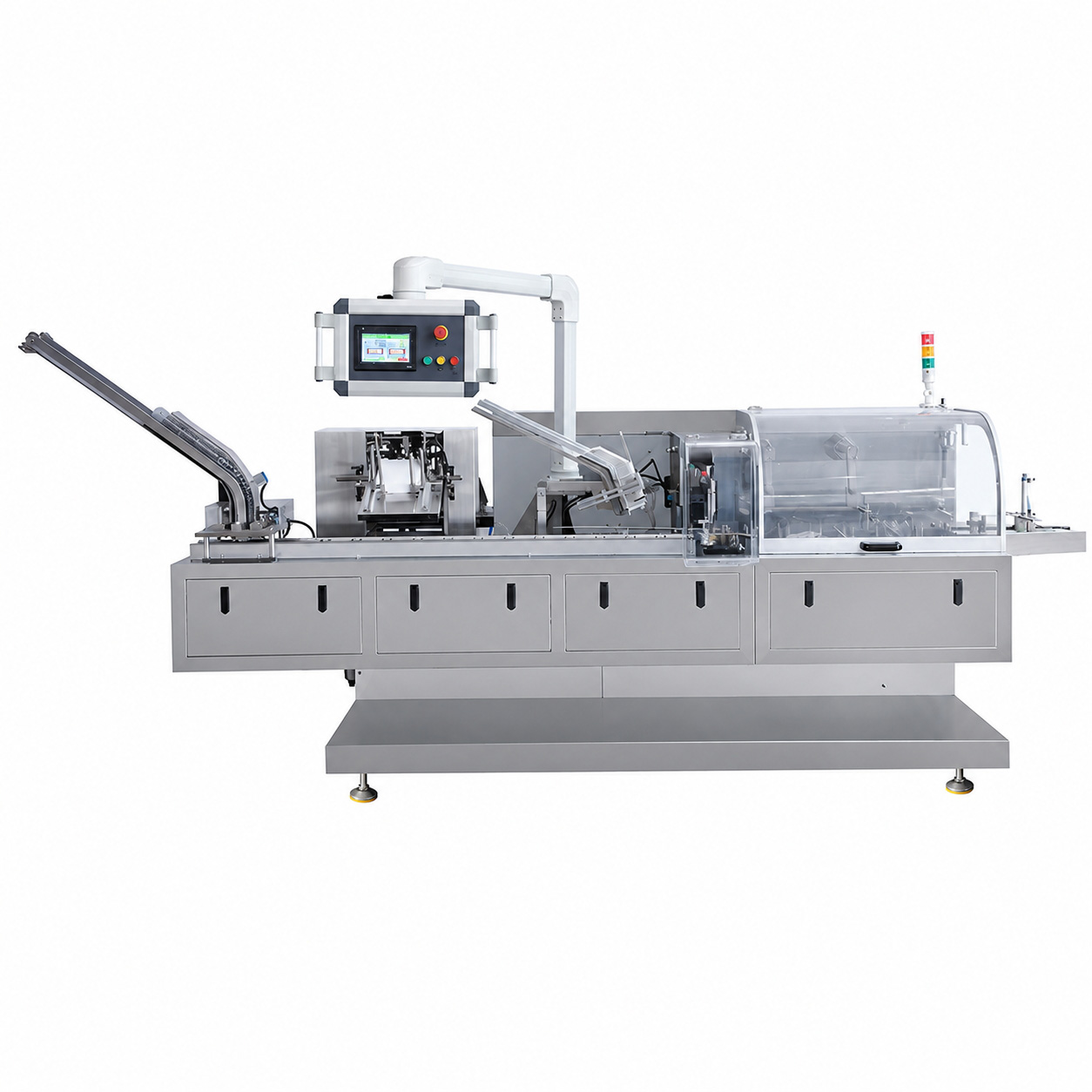
DPP-180H
4,800–9,600 plates/hour
The flat-plate step down, if 28,800 is more than you need.
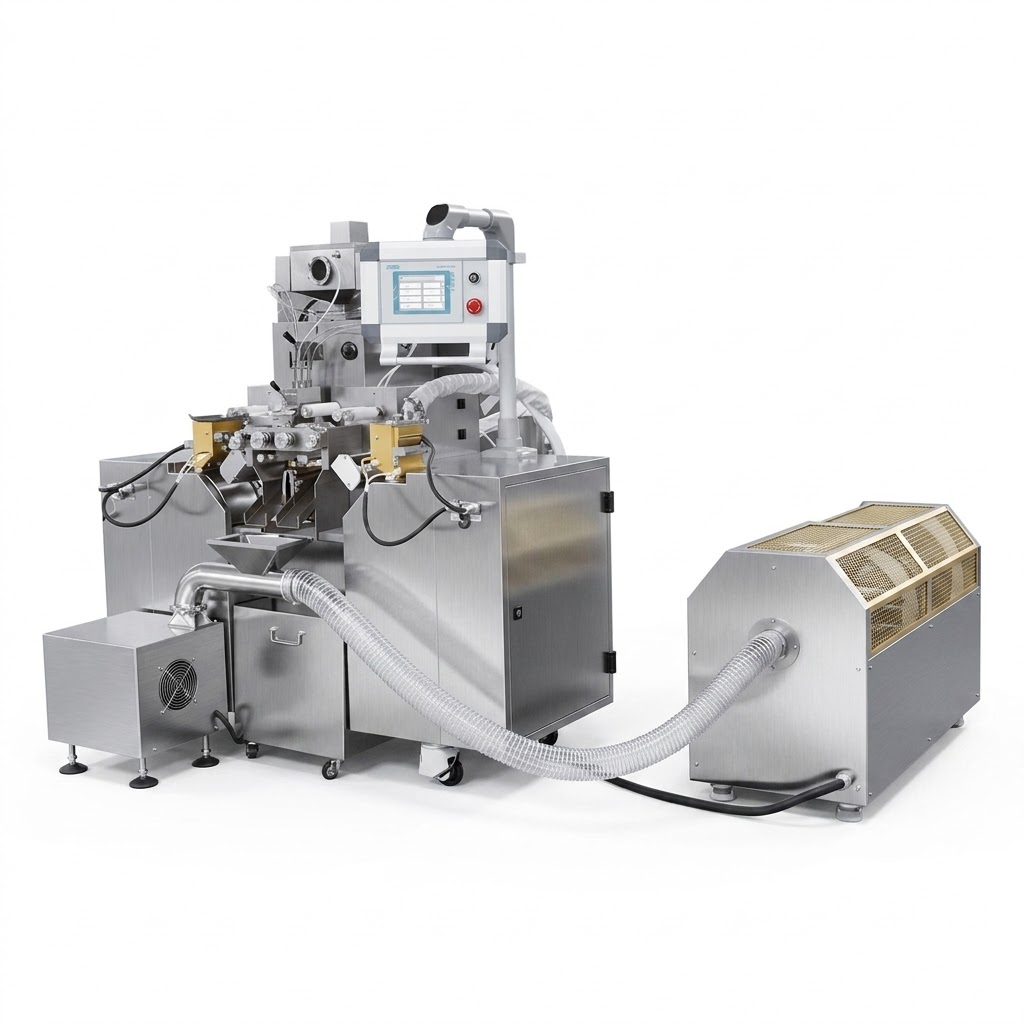
Cartoning Machine
Ready to Elevate Your Packaging Efficiency?
Send us your item height first.
This machine forms to 12 mm. That one number rules out more enquiries than speed or budget does — and it’s the one buyers check last.
Send us a sample tablet or capsule, or just its height in millimetres. If it’s over 12 mm we’ll point you at the flat-plate machine instead, and say so in the first email rather than the fifth.