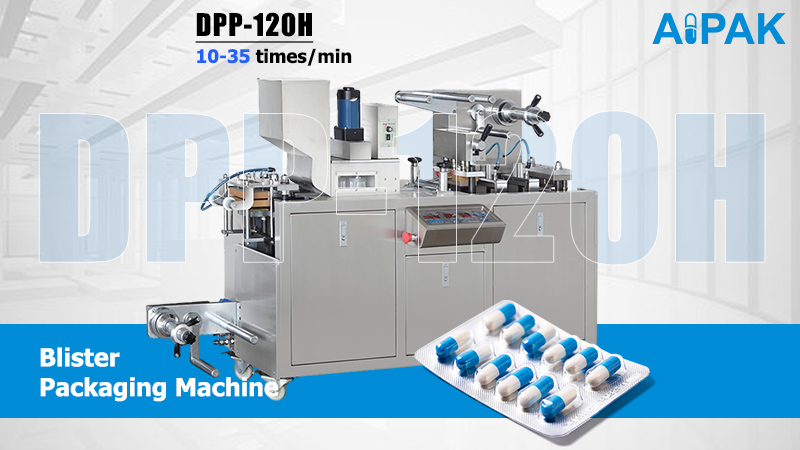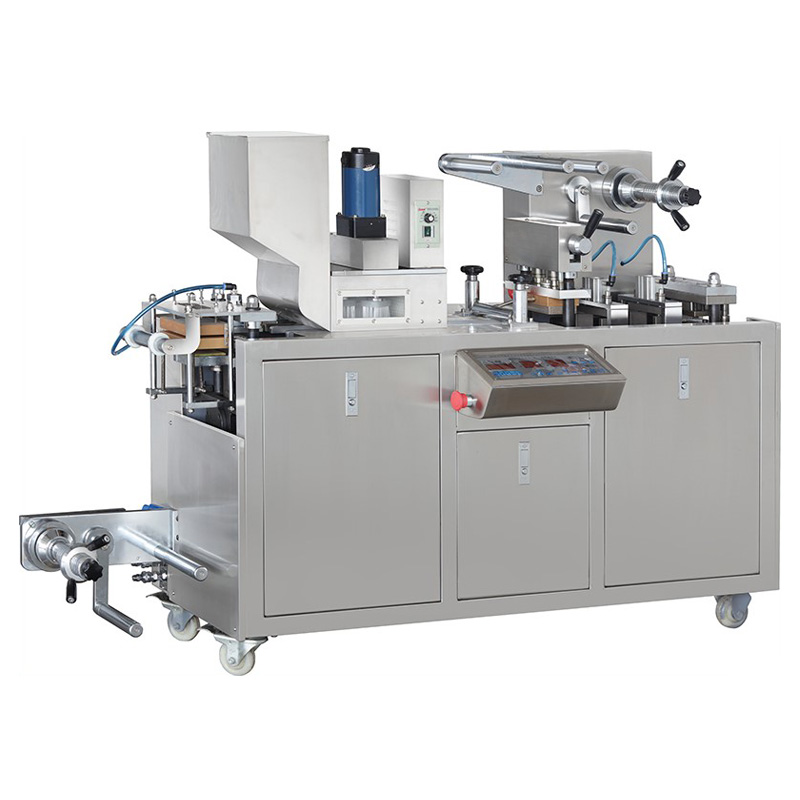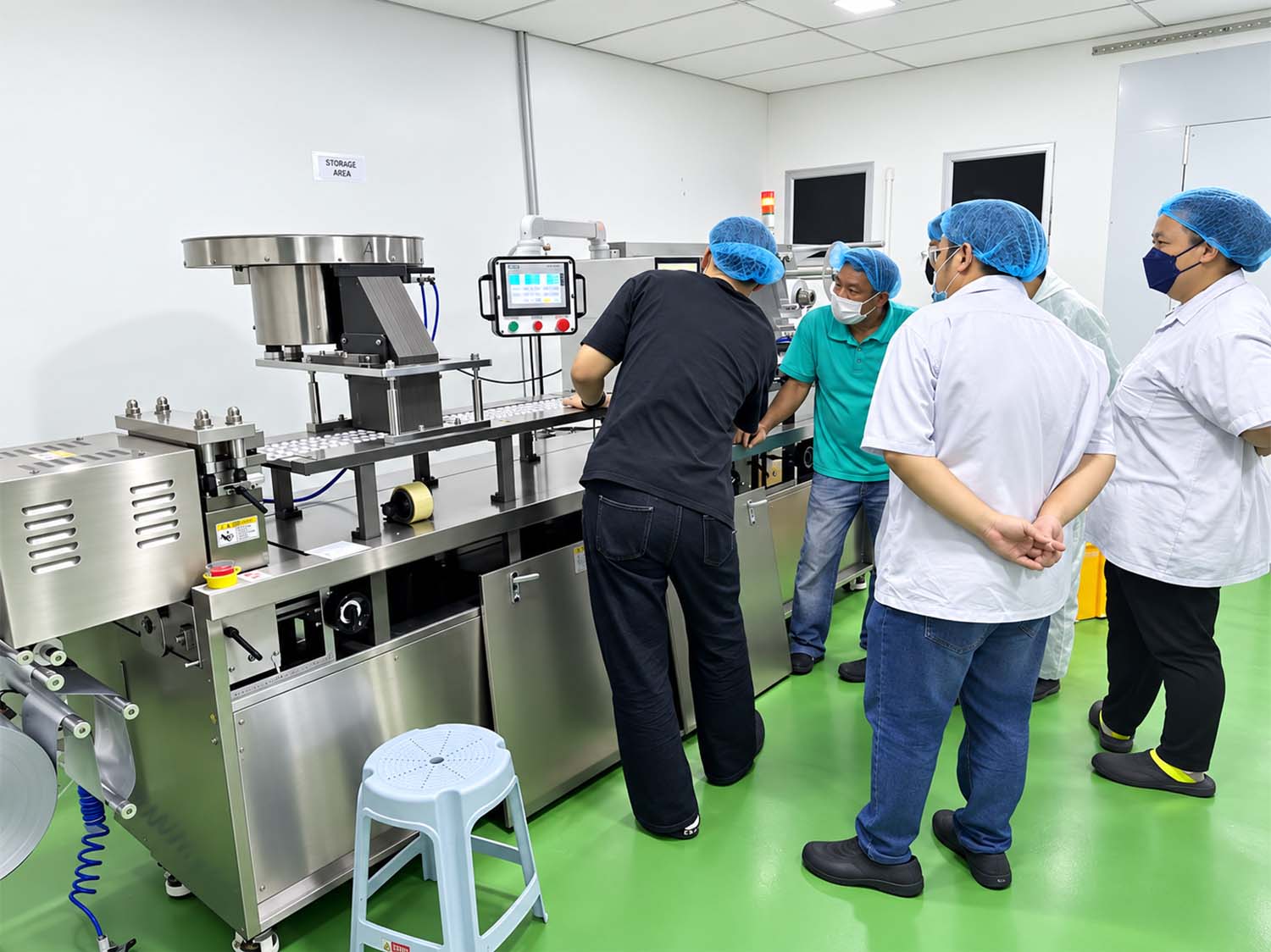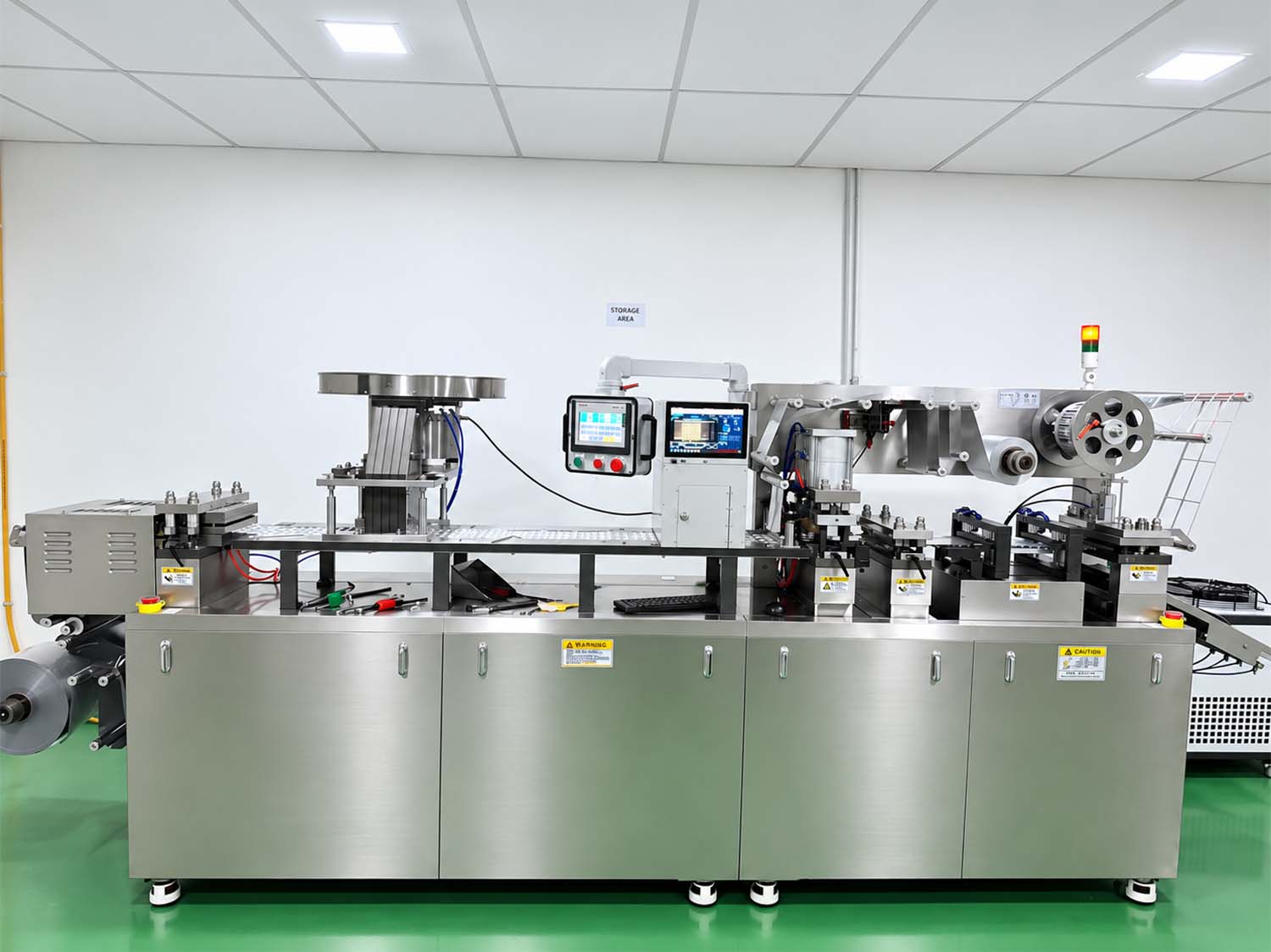
DPP-120H Automatic Flat-Plate Blister Packaging Machine

120 × 110 mm forming area, 2,400 to 4,200 plates an hour

You’re running an 80 mm development machine and the batches have outgrown it. The DPP-120H gives you a 120 × 110 mm forming area and a 40 to 120 mm stroke — more cavities per plate, or a deeper pocket for a larger item, on the same four-station format logic.

1.Punch frequency: 10 to 35 times a minute

2.Output: 2,400 to 4,200 plates an hour

3.Forming area: 120 × 110 mm, depth ≤15 mm standard

4.Stroke range: 40 to 120 mm

5.Materials: PVC, PTP, cold-formed Alu-Alu, dialysis paper

Is this the right machine for you?

✓ Yes, if…

✕ Buy something else if…

Technical specification

Feature

DPP-120H

What does it Mean to You?

Punch frequency

10–35 times/min

—

Output

2,400–4,200 plates/hour

Twice the DPP-80, half the DPP-150E

Forming area & depth

120 × 110 mm, ≤15 mm(custom to 25)

Tell us the item dimensions before assuming 25

Stroke range

40–120 mm

—

Standard plate size

110 × 76 mm, or to your design

Send us a sample tablet and we design the pocket

Air pressure

0.4–0.6 MPa

—

Air consumption

≥0.35 m³/min

—

Main motor

1.5 kW

—

Total power

380/220 V, 50/60 Hz, 4.5 kW

Three-phase. Single-phase only? See the DPP-80

PVC film

0.15–0.5 × 130 mm

—

PTP foil

0.02–0.035 × 130 mm

—

Dialysis paper

50–100 g × 130 mm

—

Mould cooling

Tap or recycled water

You supply the water connection

Dimensions

2,300 × 560 × 1,410 mm

—

Weight

750 kg

—

Model comparison

Model

Type

Punch freq.

Output

Forming area

Power

DPP-80

Flat plate

10-33 times/min

1980 plates/hour

80 mm

  2.4Kw

DPP-120H

Flat plate

10-35 times/min

2,400 – 4,200 plates/hour

120 mm

 4.5Kw

DPP-150E

Flat plate

10-40  times/min

3,600 – 7,200 plates/hour

150 mm

 6.5 Kw

DPP-180H

Flat plate

10 – 50 times/min

4,800 – 9,600  plates/hour

180 mm

8.5 Kw

DPP-260H1

Flat plate

10–50/min

6,000–12,000/h

260×180 mm

9.5 kW

DPP-260H2

Flat plate, servo

10-50 times/min

6,000 – 12,000 plates/hour

260 mm

9.5Kw

DPH-260H

Rotary

40 – 140 cuts/min (Alu/Plastic) |40 – 80  cuts/min(Alu/Alu)

6,000 – 18,000 plates/hour

260 mm

9.5Kw

DPH-380H

Rotary

Up to 600 cuts/min

Up to 45,000 plates/hour

380 mm

15 Kw

Flat plate and rotary are two different machines, not two speeds of one. Flat plate stretches the film against a mould with positive air pressure and a mechanical punch. Rotary forms and seals on a drum with line contact. The difference shows up in material waste, changeover time and what the machine costs you per plate — see the comparison below.

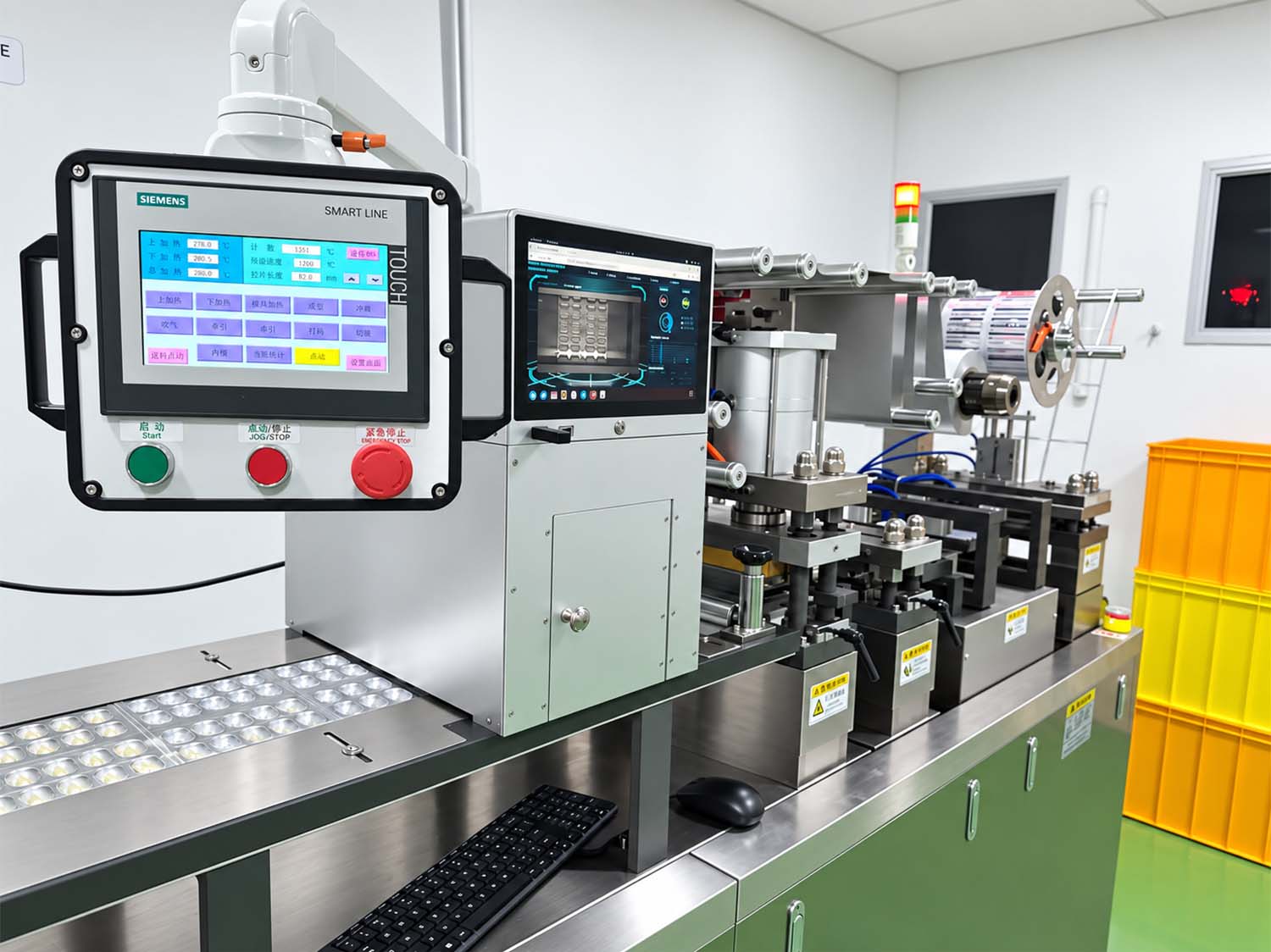
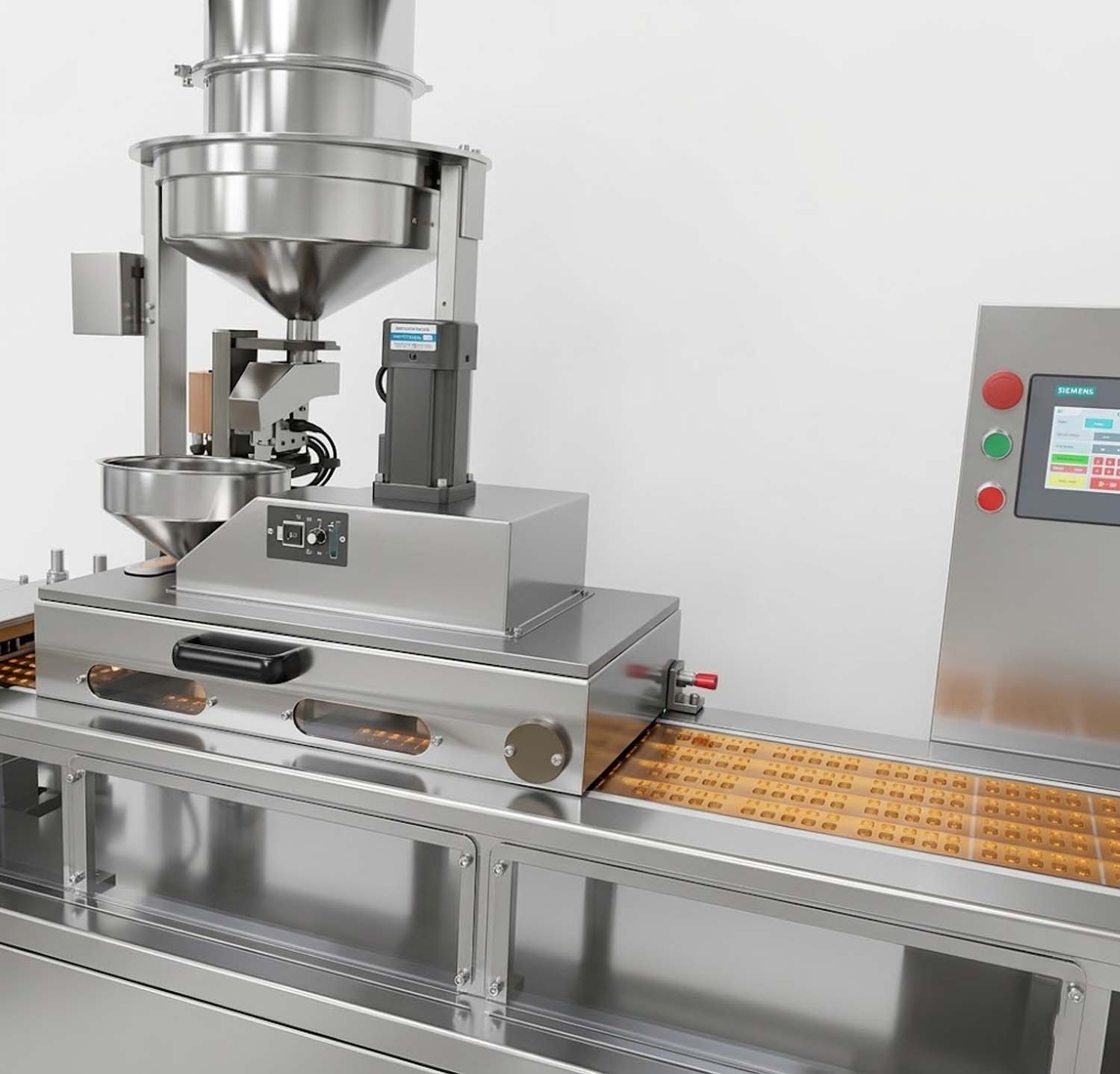
Precision Packaging Heating

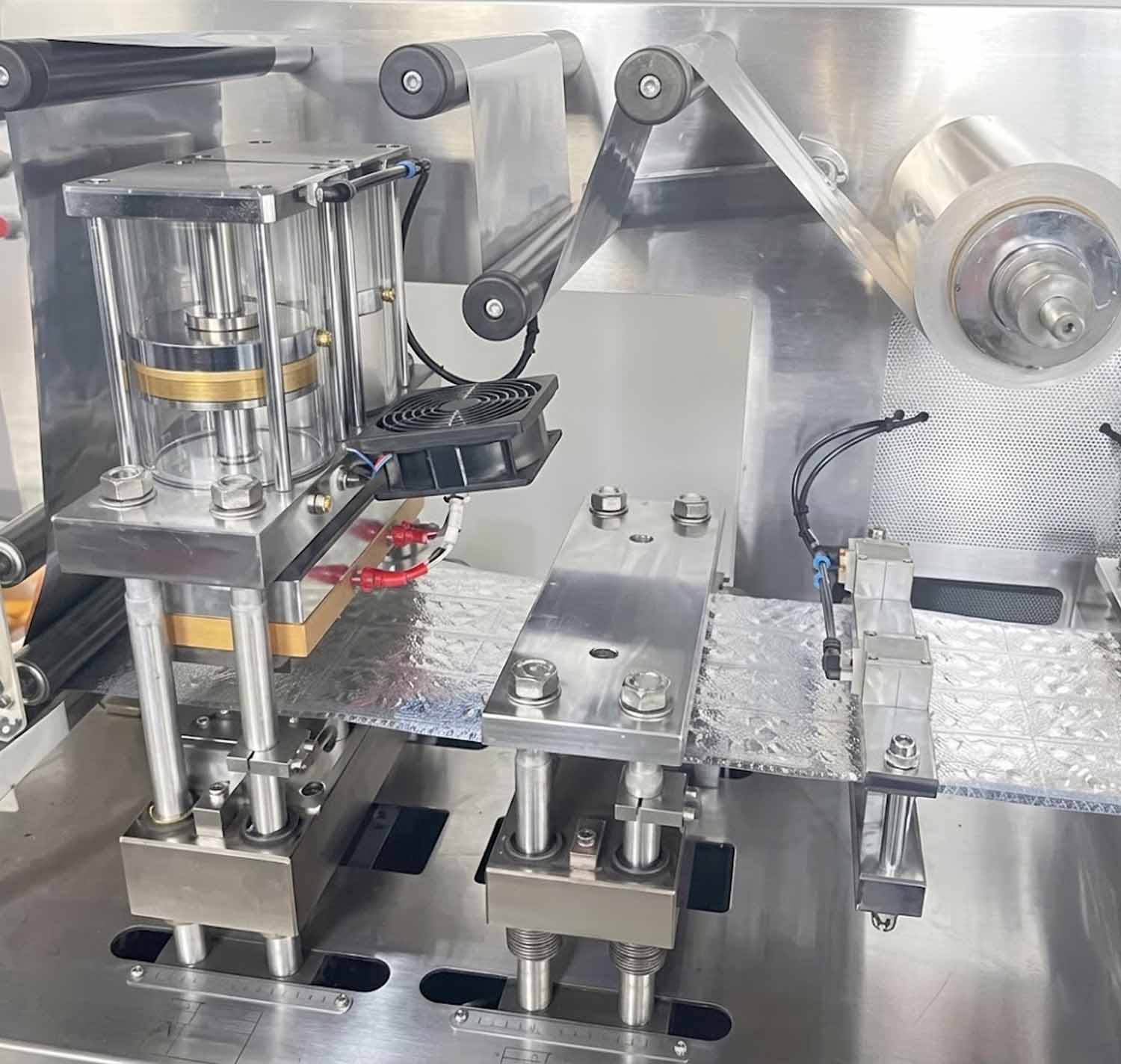
Equipped with a high-performance heater that ensures uniform and rapid softening of the PVC film. This advanced thermal control prevents material distortion, creating perfectly shaped pockets every time.

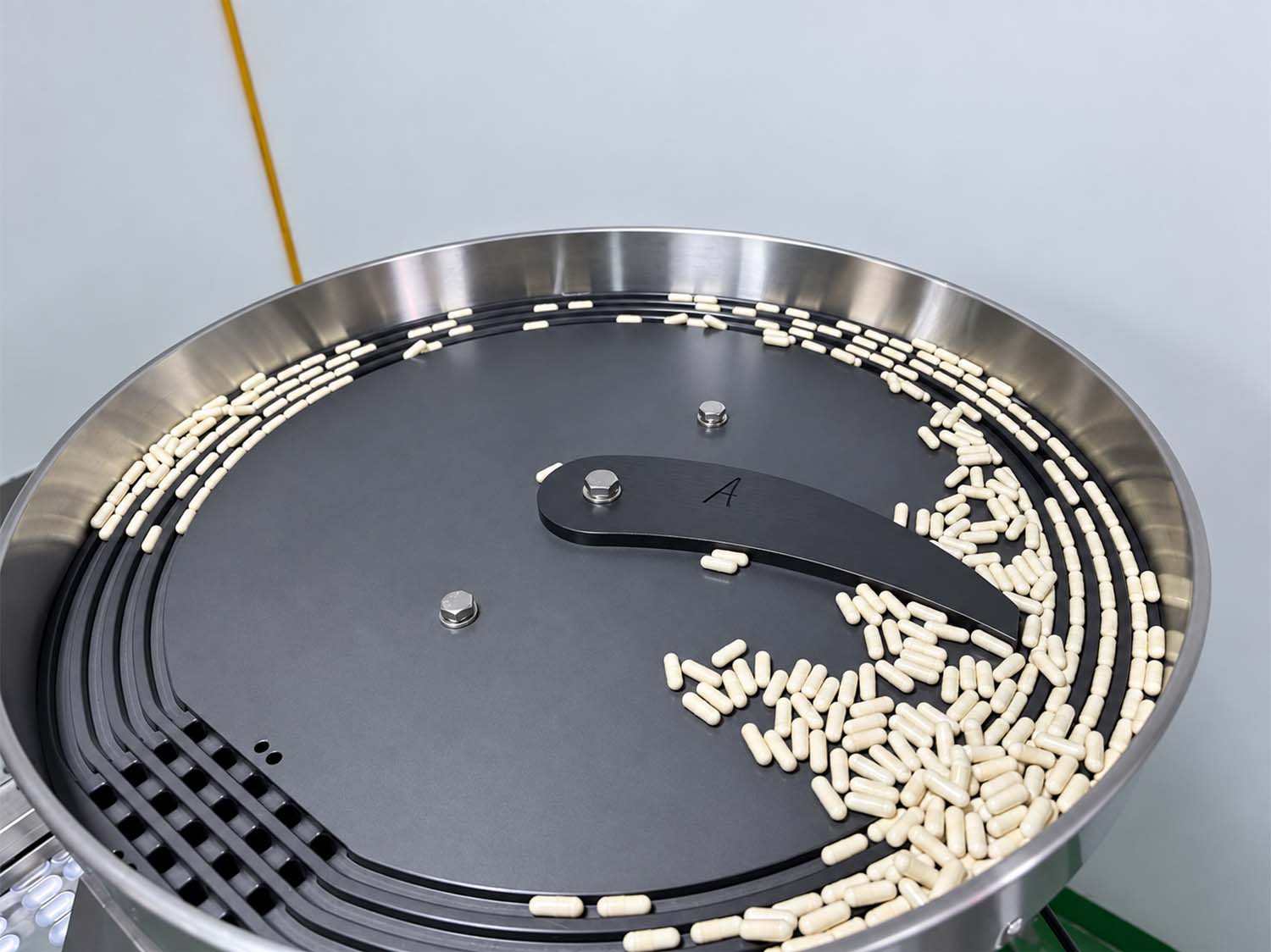
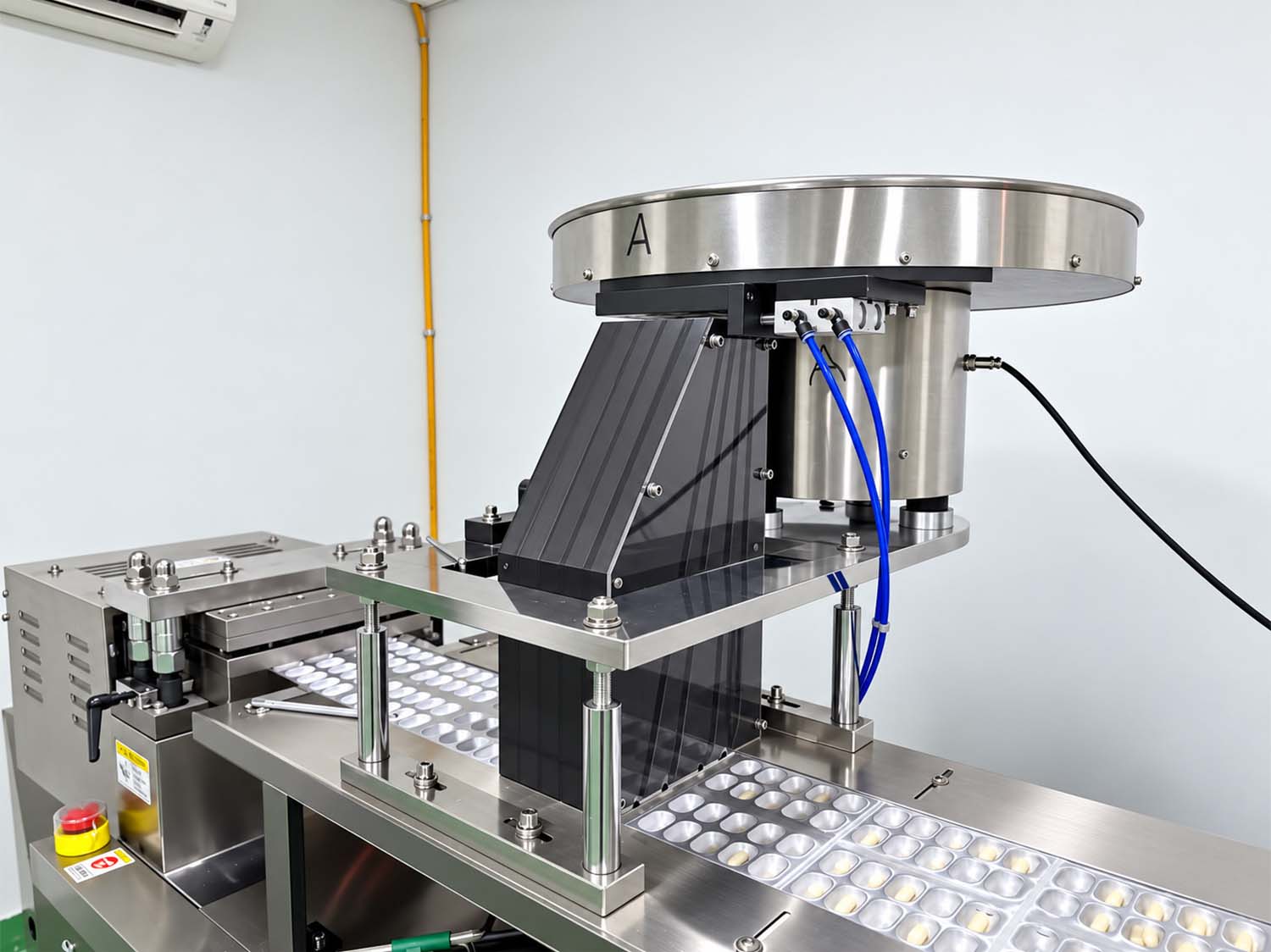
Intelligent Automatic Feeding

Designed for maximum versatility, it automatically handles capsules, tablets, and conventional materials. The system features adjustable speed control to sync perfectly with your specific material requirements.

Film-to-Plate Registration Aluminium Film Integration

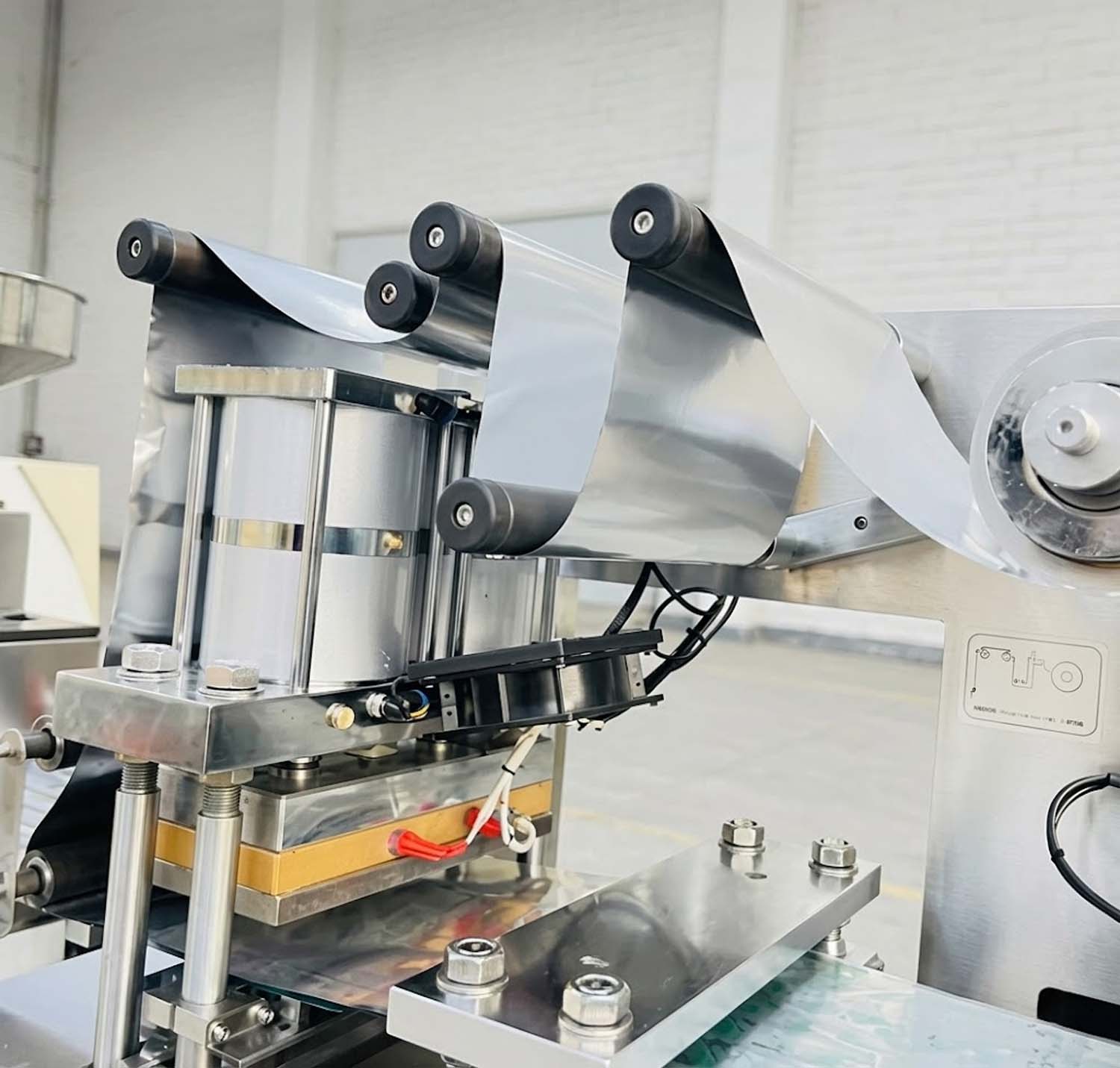
Our sophisticated “Film-to-Plate” logic ensures that molded PVC plates and aluminum foil are perfectly aligned. This synchronized packaging process guarantees that every blister is structurally sound.

High-Integrity Heat Sealing

Features a heavy-duty sealing station that fuses the formed PVC with filled materials and aluminum foil. The result is a consistent seal across the full plate width.

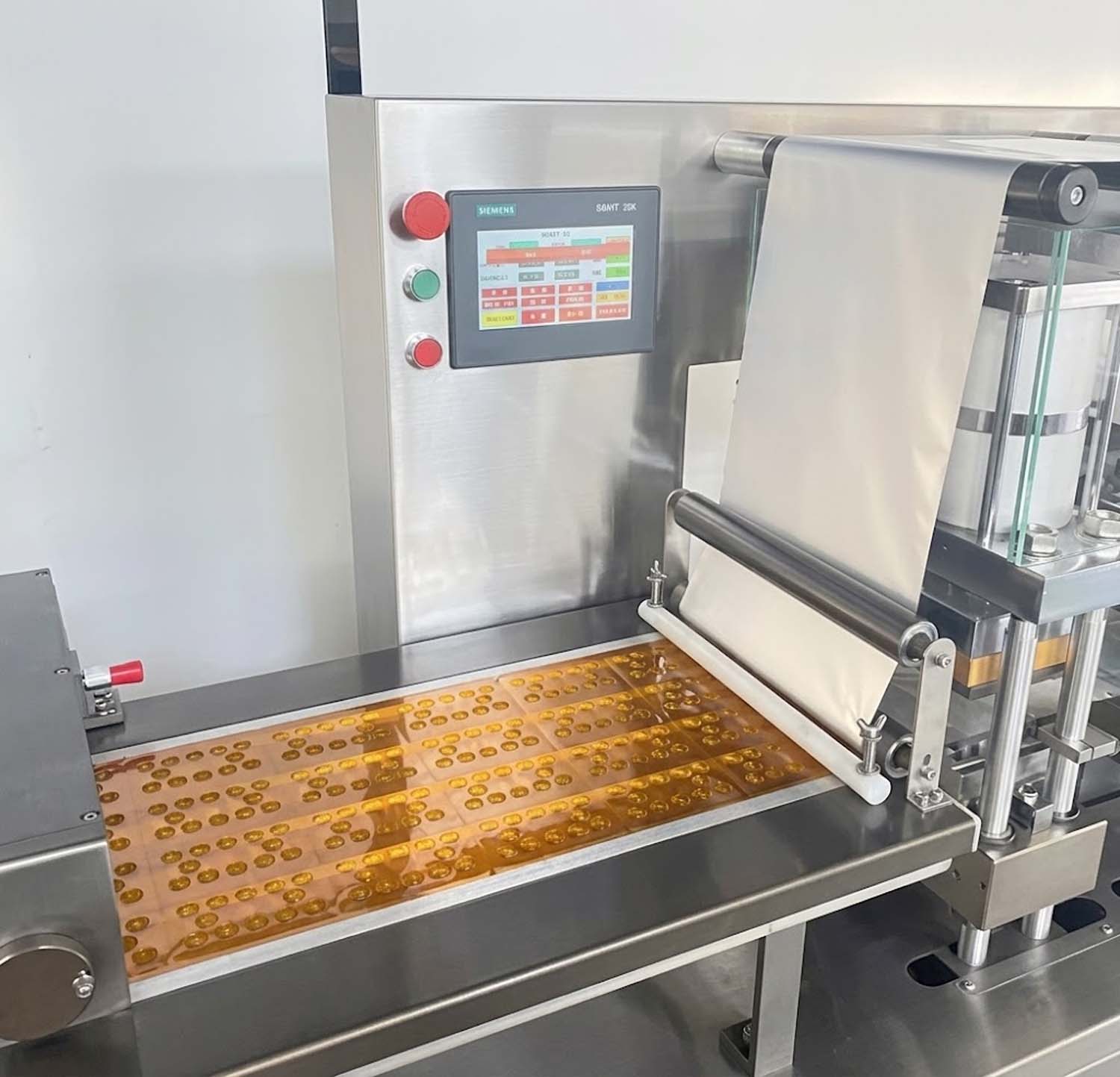
Advanced Film Deliver Device

Utilizes a linkage deliver structure with multi-stage tensile control. This ensures the aluminum film remains perfectly straight and taut without any folding or creasing during high-speed runs.

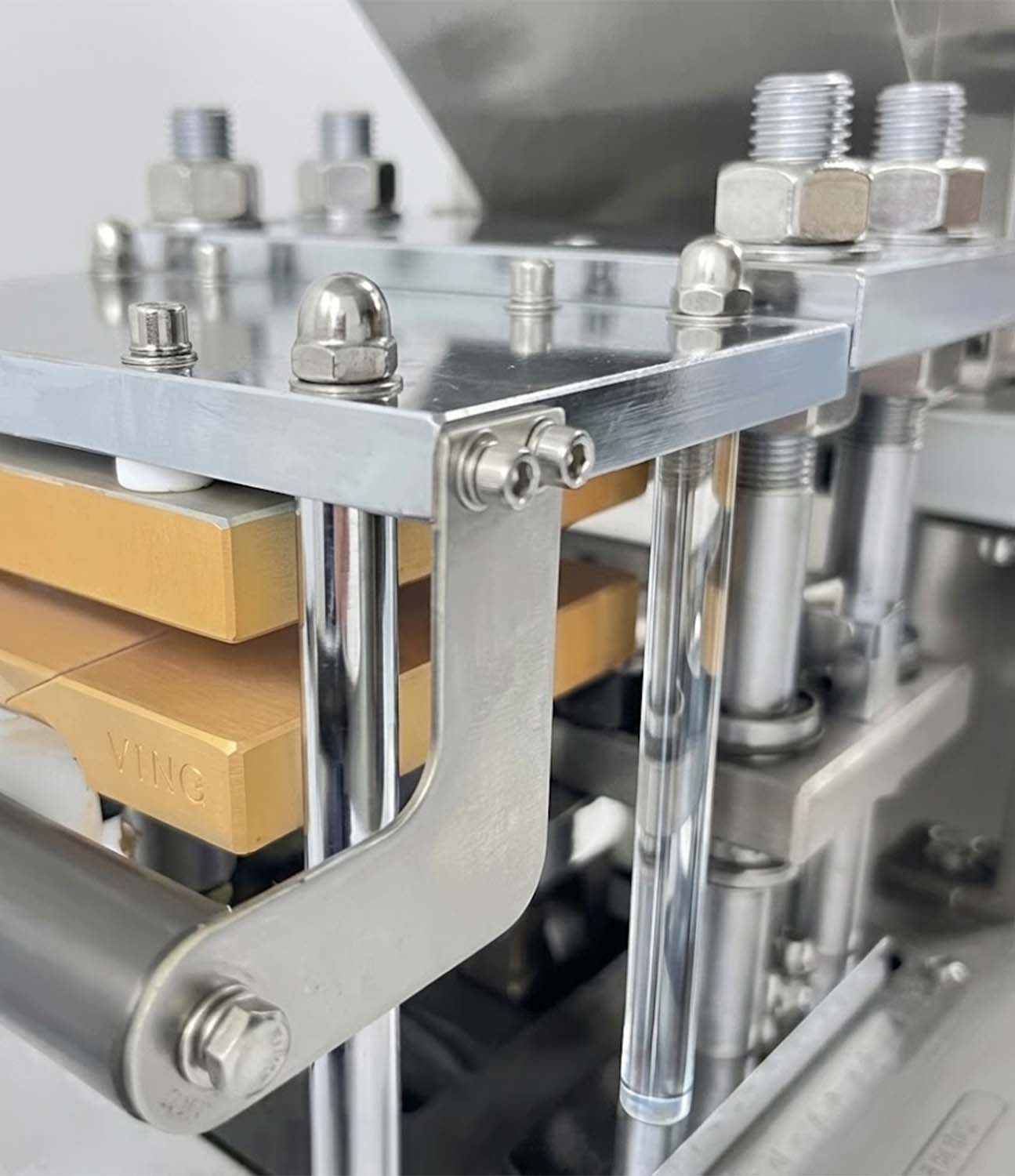
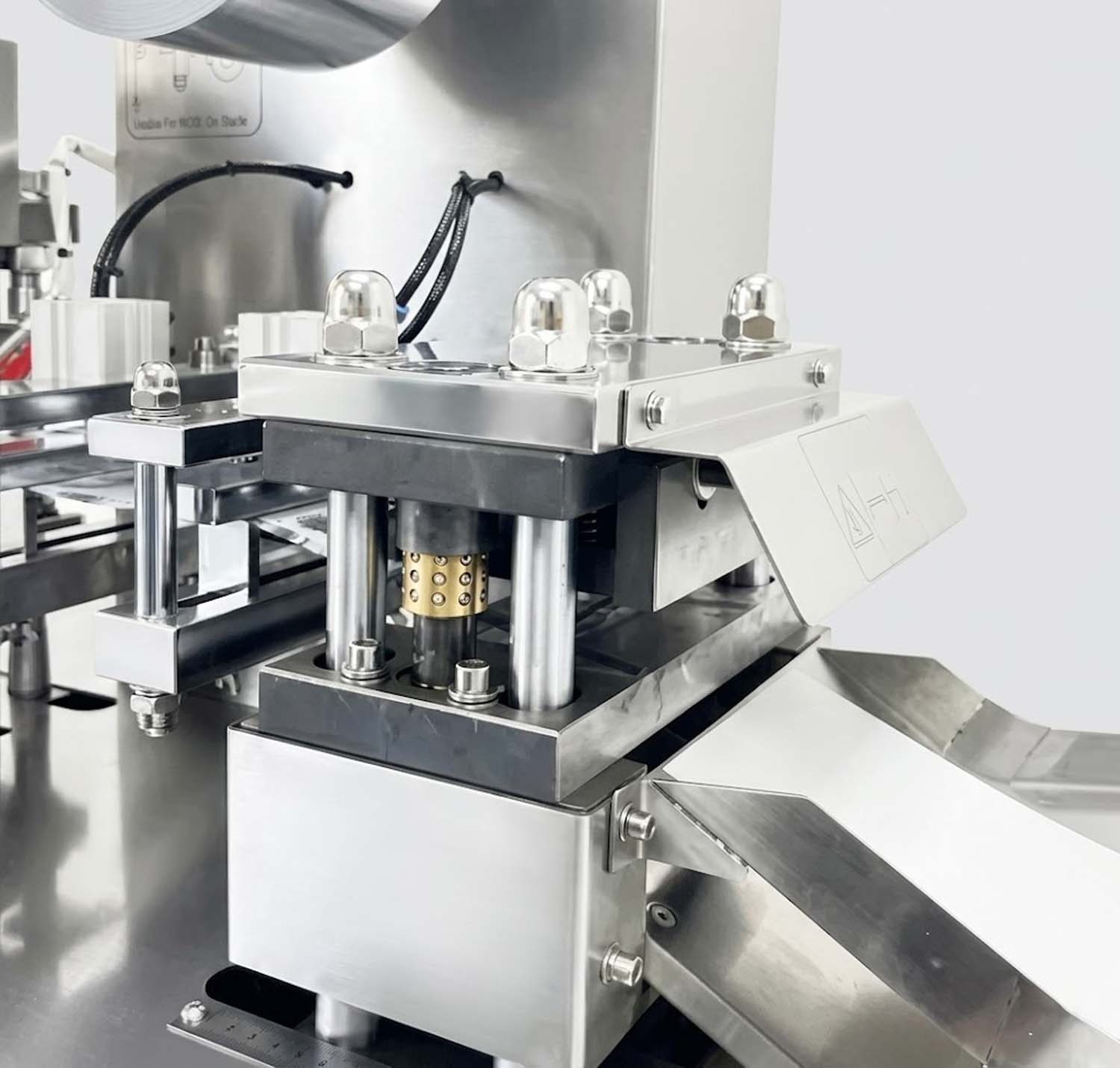
Precision Punching Cutter

Equipped with a high-durability cutter that slices the sealed aluminum-plastic boards into individual pieces. Every cut is performed according to your customized size requirements with millimetric accuracy.

Industry Applications

Multivitamin and supplement blisters

10, 20 or 30-count plates. A 120 × 110 mm forming area fits more cavities per plate than an 80 mm machine, which is where the per-unit cost comes down.

Softgels and capsules

Alu-PVC for standard shelf life, cold-formed Alu-Alu where moisture is the constraint.

Larger or odd-shaped items

A 40 to 120 mm stroke handles items an 80 mm machine cannot. Send us the item and we’ll tell you whether it forms.

Small medical devices

Syringes and disposable tools sealed to dialysis paper.

What changing over involves

A format set is four stations, not one part.

What changed

What you adjust

Roughly

Same format, new batch

Nothing

—

Plate layout or pocket size changes

All four moulds — forming, sealing, embossing, cutting

15-30mins

Alu-PVC → Alu-Alu

Moulds, and the feeder — if you specified the Alu-PVC universal feeder, it cannot be converted

Not a changeover

Tablets → paste or liquid

Moulds and a different feeder entirely

Not a changeover

All four stations sit on a rack mandrel with a ruler. You turn the handle and read the scale rather than aligning by eye — which is what keeps a format change to minutes rather than a morning.

Multivitamin and supplement daily packs

High plate density is what lowers the per-unit cost here. A 260 mm width fits five or six plates a stroke where a 120 mm machine fits two.

Softgel and capsule blisters

Alu-PVC for standard shelf life, cold-formed Alu-Alu for moisture-sensitive fills.

Tropical blister for humid export markets

A second aluminium forming and sealing station added to the same platform.

Effervescent and hygroscopic tablets

Where the barrier is the product’s shelf life, not a cosmetic choice.

What to check before you buy

01

The tooling, not the machine

A format set covers four synchronised stations. Ask any supplier who designs the pocket layout, how long a new format takes to make, and what it costs. That's where a blister project succeeds or fails.

02

The feeder, before you order

An Alu-PVC universal feeder cannot run cold-formed Alu-Alu, and it cannot be converted afterwards. Ask which feeder you're being quoted and what it locks you out of.

03

Installation and training

Ask what's included and what costs extra. The answer varies more between suppliers than the machine price does.

Why Choose AIPAK?

Tooling Is the Machine
On a blister line, the tooling is where the machine is won or lost. A single format set covers four synchronised stations — forming, sealing, embossing and cutting — and they have to work as one. Send us your tablet or capsule samples and we design the pocket layout around your product, not the other way round.
Material and Feeder Matching
Alu-PVC, cold-formed Alu-Alu, tropical blister and medical dialysis paper each behave differently, and so does every feeder type. A universal Alu-PVC feeder cannot run cold-formed Alu-Alu — if you may move into Alu-Alu later, that decision has to be made before the machine ships, not after. We ask about your material and dosage form first, then specify the feeder.
Support & Factory-Direct
You buy from the factory, not through a trading company — which means custom modifications are a conversation with our engineers rather than a request passed down a chain. Remote diagnostics, spare parts and operator training come from the same team that built your machine.

DPP-120H Blister Packaging Machine FAQ

What are the primary advantages of the DPP-120H over the entry-level DPP-80?

The DPP-120H is a significant step up in industrial capacity. It offers a larger max forming area (120x 110mm) and an expanded stroke range (40-120 mm), allowing you to pack larger items or more cavities per plate. Additionally, its robust drive system supports a higher stable punch frequency of up to 35 times/min, nearly doubling the production density for high-demand facilities.

How does the DPP-120H handle delicate ALU/ALU cold-forming materials?

Cold-forming requires extreme precision to avoid foil micro-cracking. The DPP-120H utilizes a specialized high-pressure flat-plate forming station combined with precision-timed mechanical movements. This ensures that the aluminum foil is stretched uniformly into the pocket, maintaining a perfect moisture and oxygen barrier for sensitive pharmaceutical products.

How long does a format change take — say from a 10-count to a 20-count plate?

A format set is four moulds, not one: forming, sealing, embossing and cutting. All four sit on a rack mandrel with a graduated scale, so you turn the handle and read the scale rather than aligning by eye. 15-30mins for an operator who’s done it before.

The stroke length is a separate adjustment and it’s done on the screen — that part takes seconds.

One thing worth knowing: if the new format also changes your material, that’s not a changeover. An Alu-PVC universal feeder can’t run cold-formed Alu-Alu, and it can’t be converted afterwards.

What measures are in place to reduce material waste during production?

To minimize expensive PTP and PVC waste, the 120H features a High-Precision Stepper Motor Traction system. This system ensures millimetric accuracy in material advancement, reducing the gap between blister plates to the absolute minimum. Furthermore, the photoelectrical tracking prevents “ghost-cutting” or misalignment, maximizing your material ROI.

How does the cooling system protect the product during thermal sealing?

The sealing station is equipped with an independent water-cooling circuit (tap or recycling water). This prevents the heat from the sealing plates from transferring to the product area. Even during long high-speed runs, the medication inside the pockets remains at a safe temperature, preserving the chemical stability of heat-sensitive active ingredients.

Customers Also Interested In...

Ready to Elevate Your Packaging Efficiency?

Reply within one business day.

“Whether you are upgrading an existing line or building a new GMP-certified facility, our senior project directors are ready to assist. Beyond the DPP-260H1, we provide complete engineering support to ensure your success.”

Customized Mold Design: Send us your tablet/capsule samples for a tailored blister layout.

Factory Acceptance Test (FAT): Verify your machine’s performance with your specific materials before shipment.

Global On-Site Support: Comprehensive installation and operator training at your facility.

Scroll to Top