Tube Filling Machine Guide: Filling, Sealing and Choosing the Right Machine for Your Tubes
If the dose drifts or the seal is uneven, tubes leak, batches get rejected and customers stop trusting the product. This guide covers how tube fillers work, how plastic and aluminum tubes are sealed, and what to check before you buy.
1.What Is the Standard Working Principle of Tube Filling and Sealing Systems?
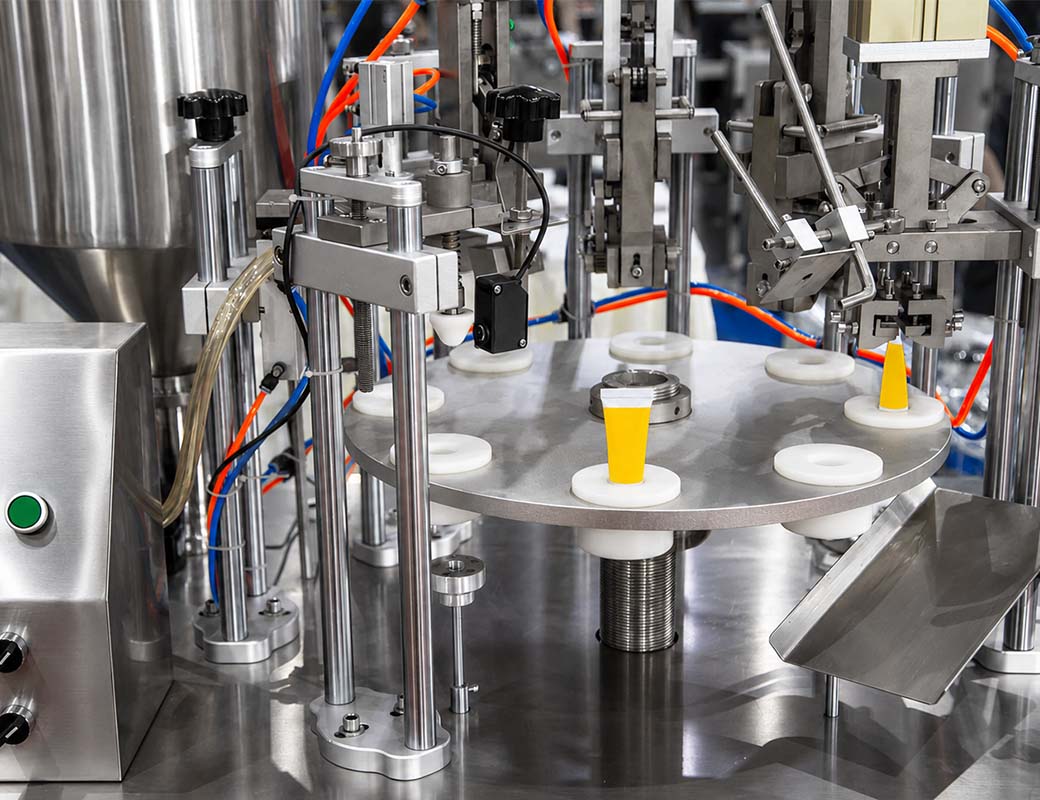
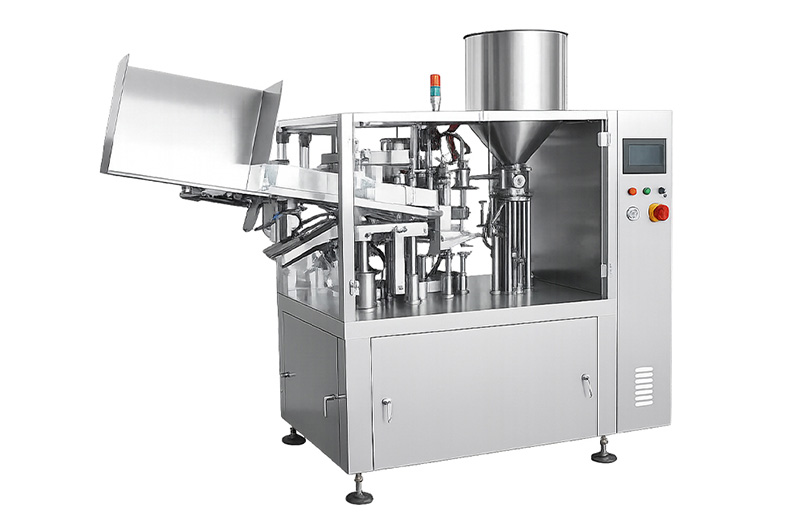
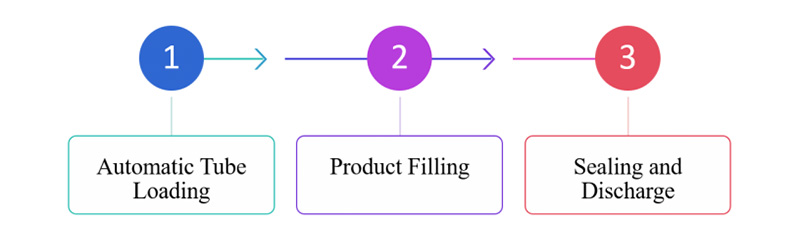
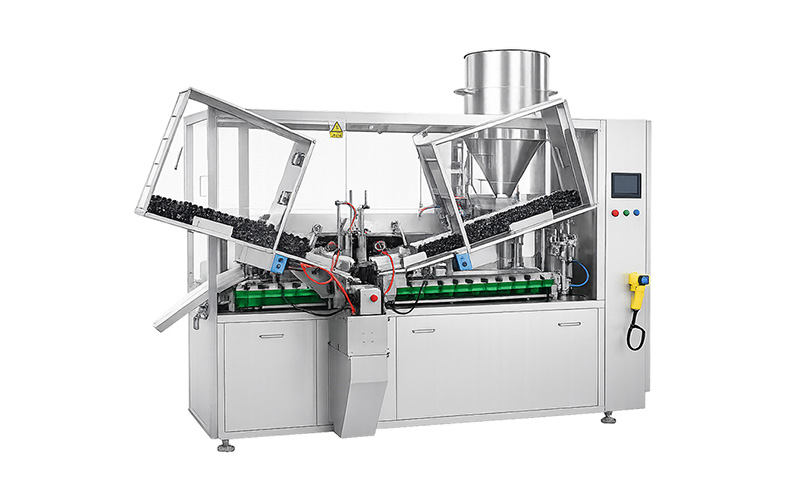
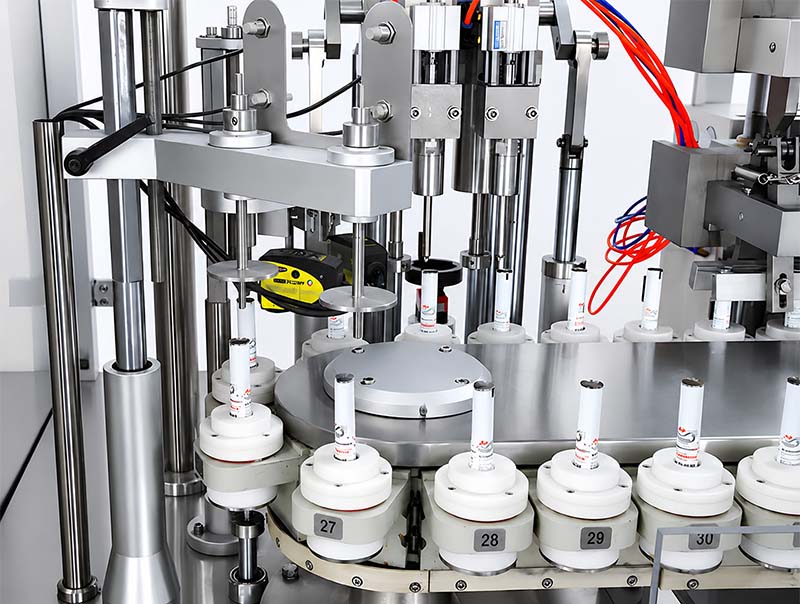
On a large scale, a tube filling and sealing machine operates following a sequential work pattern. The standard working principle of the tube filling and sealing machine follows a controlled process that fills empty tubes for final packaging operations. Industrial systems prefer automatic indexing of empty tubes rather than manual loading.
Viscous or fluid formulations are precisely filled and aesthetically sealed with help from thermal or ultrasonic technology. The baseline mechanics of the tube filling and sealing machine primarily include:
Automatic Tube Loading
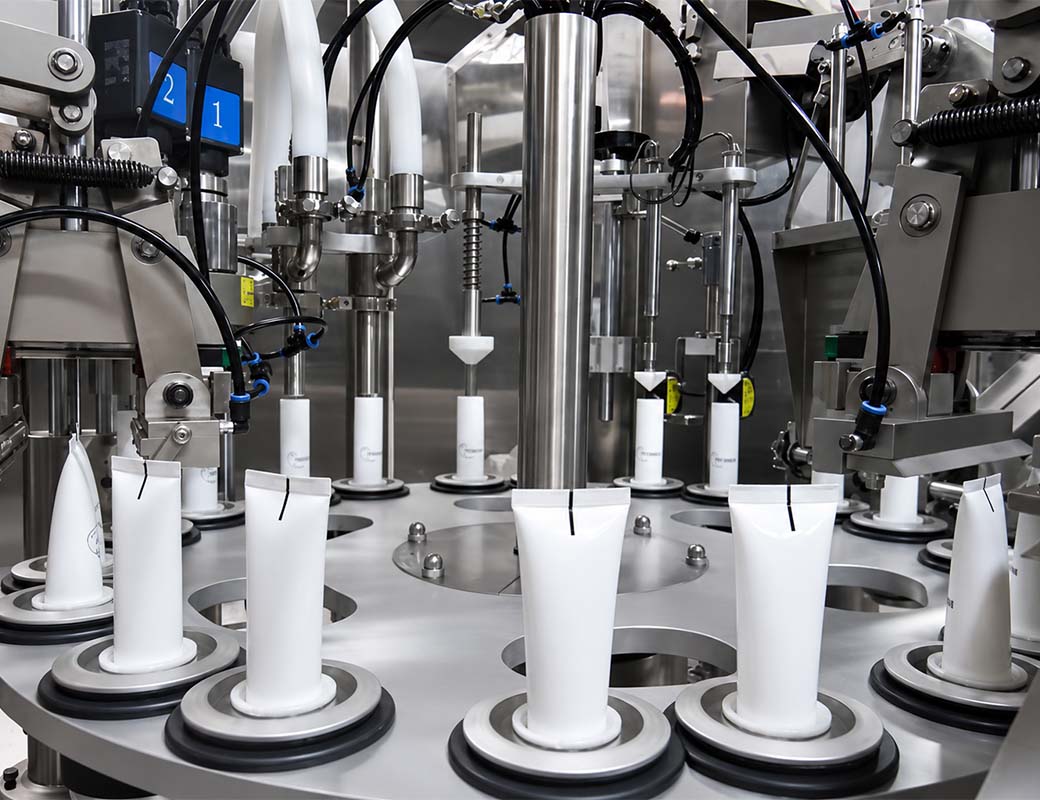
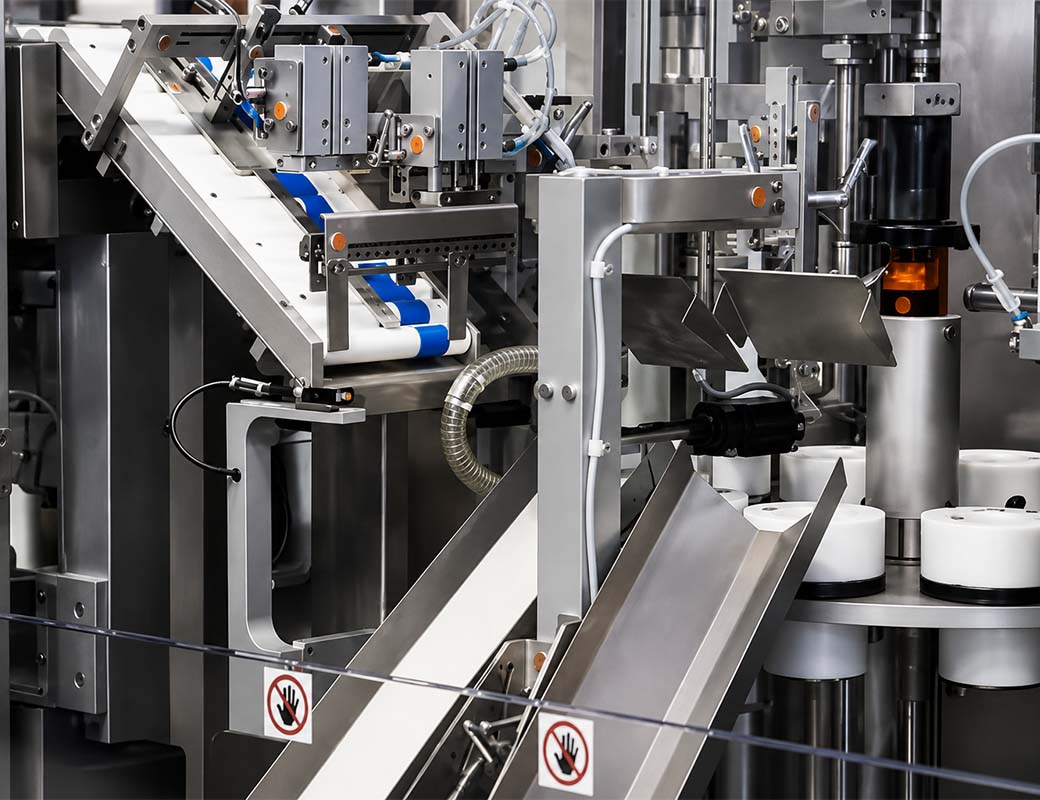
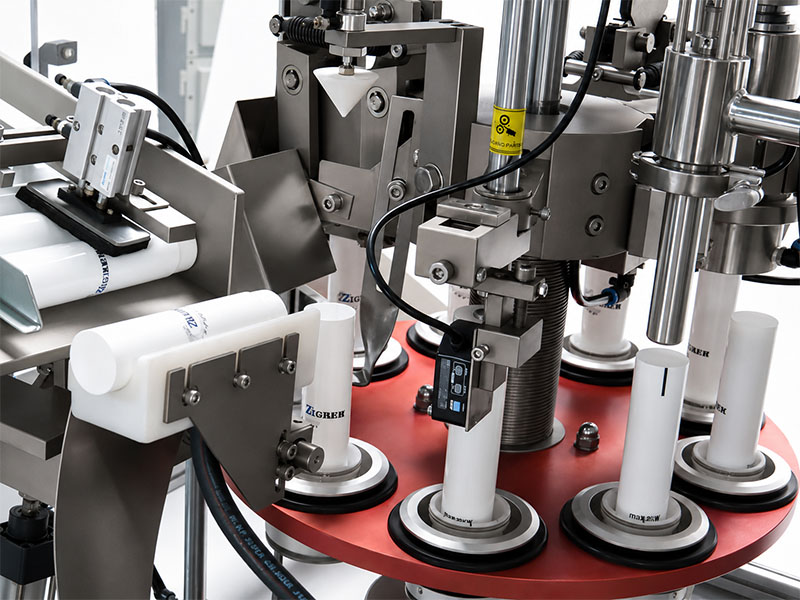
The process begins with loading empty tubes into designated holders automatically, on a rotary indexing table.
Product Filling
The advanced machines sense the presence of tubes aligned correctly and deliver a precise volume of product into each tube.
Sealing and Discharge
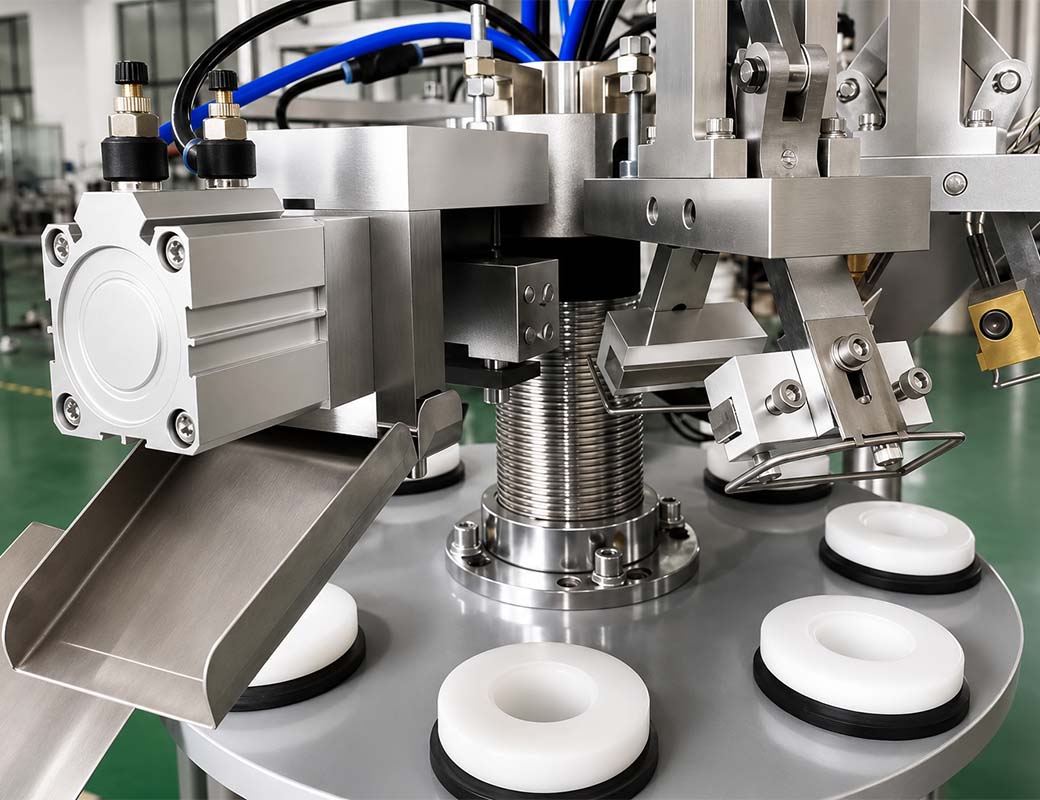
The final step is sealing and discharge; once filled, sealing of tubes occurs either by heat or ultrasonic according to the material requirement and then discharged.
2.How Do Ultrasonic and Heat Sealing Technologies Differ for Plastic vs. Aluminum Tubes?
Sealing technology in a soft tube filling machine depends on the tube material, either plastic or aluminum. Both of these materials have different sealing requirements. It is important to select the appropriate sealing method according to product requirements to maintain product safety and integrity.
Plastic Tube Filling Machine
Plastic and laminated tubes are sealed with heat. On our machines, hot air is blown onto the inside of the tube tail, the layers soften and are pressed together into a permanent bond. Ultrasonic sealing is another method you’ll see on the market: it creates the heat with high-frequency vibration and costs more up front. All our plastic-tube models use hot air.
Aluminum Tube Filling Machine
An aluminum tube filling machine does not use heating or ultrasonic sealing methods; instead, it mechanically folds and crimps the tube end multiple times to create a leak-proof, airtight seal. This method prevents heat usage, which protects the integrity of the product and provides superior barrier against heat, moisture, and other contaminants.
Selecting a material-specific closure method for soft tube filling and sealing machine is essential to ensure uniform sealing and reliable product protection. It also minimizes the risk of seal defects, leakage, and material distortion.
Feature | Plastic Tube Filling Machine | Aluminum Tube Filling Machine | Production Impact |
Sealing Method | Depends on heat and ultrasonic sealing methods. | Sealing method is based on mechanical folding and crimping. | Based on the tube’s material, a flexible method is used. |
Material Compatibility | Compatible with various types of plastics and laminated tubes. | Particularly compatible with aluminum tubes. | Reduced material distortion and improved packaging. |
Heat Exposure | Used thermal energy for sealing. | No heat is used. | Ideal for packaging of sensitive products. |
Cost Consideration | Lower system complexity and maintenance factors. | May require crimping mechanisms as well as tooling adjustments | Helping manufacturers with initial investment and long-term operational performance |
3.What Are the Performance Trade-offs Between Automatic and Semi-Automatic Filling Lines?
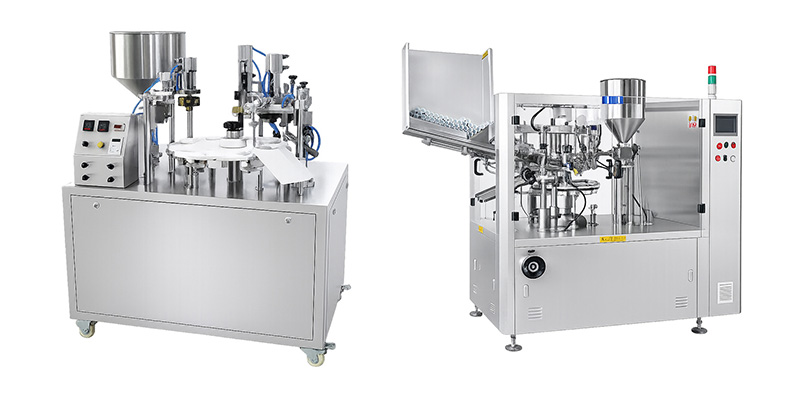
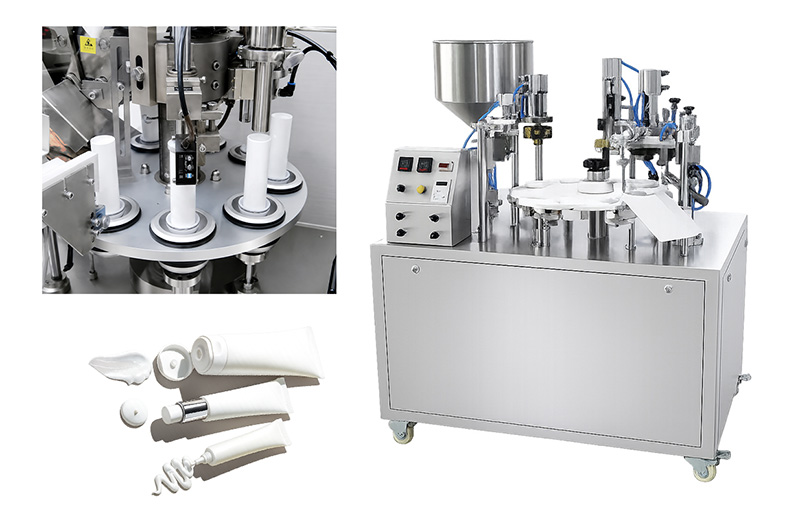
Choosing between an automatic tube filling machine and semi-automatic tube filling machine depends on the right evaluation of production needs, operational requirements, and product variability.
Production Volume
An automatic tube filling machine is most suitable for large-scale production with minimal intervention. Whereas a semi-automatic tube filling machine is engineered for small-scale production such as product testing, requiring operators to set adjustments according to different tube sizes and formulations.
Minimal Labor Intervention
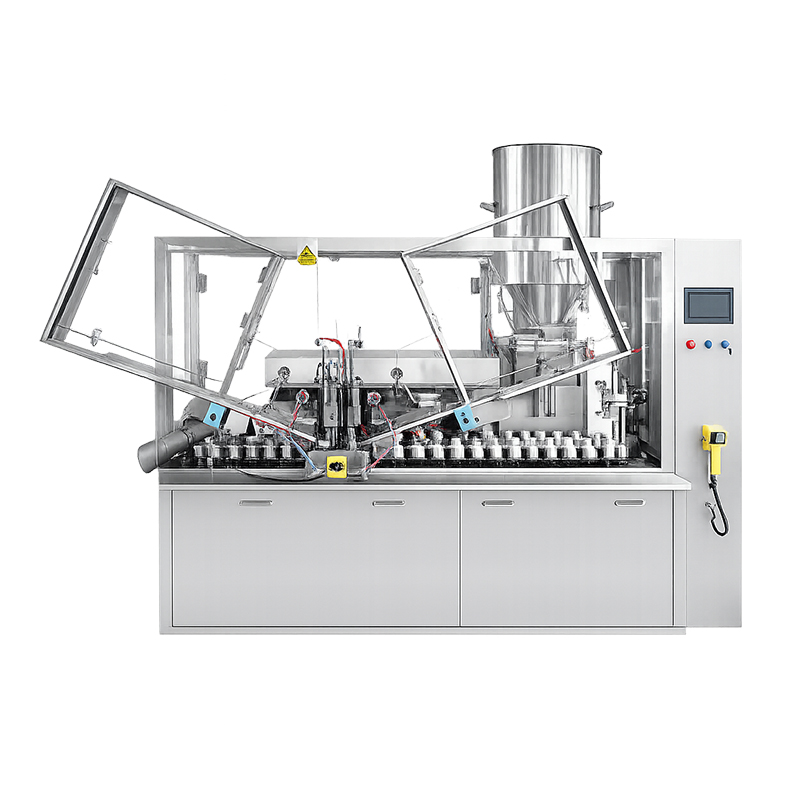
An automatic tube filling machine significantly reduces labor intervention as it automates repetitive tasks of production. This technology lowers the risk of errors and enhances accurate dosing consistency during continuous operation. Critical production steps such as tube feeding, filling, sealing, and discharge require precision and accuracy for effective operations.
Small-Scale Vs Large-Scale Production
Although a semi-automatic tube filling machine is slower and requires manual intervention, it offers greater flexibility and cost-effectiveness, making it a greater choice for small-scale operations. However, the automatic tube filling machine requires higher initial expenditure, offers accurate dosing consistency and an automated production process, making it suitable for high-scale production.
Final Strategy Checks
| Performance Factor |
Semi-Automatic Tube Filling Machine |
Automatic Tube Filling Machine |
Operational Impact |
| Production Volume |
Suitable for small batch |
Ideal for large production batches |
Determine which machine can fulfill the demands for future runs. |
| Labor Requirement |
Hybrid working requires technical workers |
Low labor requirements; major work is achieved automatically |
Advanced automation lowers the need for human involvement and improves work quality. |
| Filling Accuracy & Consistency |
Reliable results that may depend on technician handling and process control. |
Produces high results with automatic control, ideal for long-term production. |
Maintaining batch uniformity and fulfilling requirements. |
| Initial Investment |
Less |
High |
Semi-Automatic minimizes initial capital expenditure while testing market formulations. Whereas automatic machines reduce per-unit labor cost and secure batch-to-batch consistency for high-volume ROI. |
4.Optimizing Tube Filling for Ointment, Gel and Toothpaste Applications
The right machine depends on what goes in the tube. Ointments, gels and toothpastes each behave differently in the pump and at the nozzle.
Ointments and medicated creams are thick and often sensitive to air and light, which is why many go into aluminum tubes. Product-contact parts are stainless steel, the nozzle cuts off cleanly so no paste reaches the seal, and aluminum tubes are folded rather than heat-sealed.
Gels and toothpastes usually run in plastic or laminated tubes, in long runs. What matters is a steady fill volume, no air bubbles and little downtime, so the pump and nozzle are chosen around your product’s viscosity.
5.How to Assess the Price-Performance Trade-off for Commercial Procurement?
The total cost of ownership (TCO) extends beyond the initial purchase price, incorporating long-term factors such as energy expenditure, maintenance, and durability. Heat sealing costs less up front and is what all our plastic-tube models use.
The assessment of a tube filling and sealing machine price requires a comprehensive perspective of the machine’s total cost of ownership (TCO), incorporating the machine’s total energy consumption, spare parts availability, technical training and expected lifespan. While a low-cost tube filling and sealing machine may feel more economical, it can increase long-term operational cost if it lacks expansion and modularity.
A common comparison is hot-air sealing against ultrasonic sealing. Hot air costs less and suits plastic and laminated tubes. Ultrasonic sealing uses high-frequency vibration instead of heat and costs more up front. Ask us which suits your tube.
The reliability of a tube filling and sealing machine relies on the machine’s modular design, availability of spare parts, and effective technical support to avoid future expenditures.
Conclusion:
A tube filler that doses steadily, cuts off cleanly and seals the right way for your tube keeps your line running. Send us an empty tube and a sample of your product, and we’ll fill and seal a few and send them back.