
Blister Packaging Machine
Flat-Plate and Rotary Blister Machines for Tablets, Capsules and Softgels
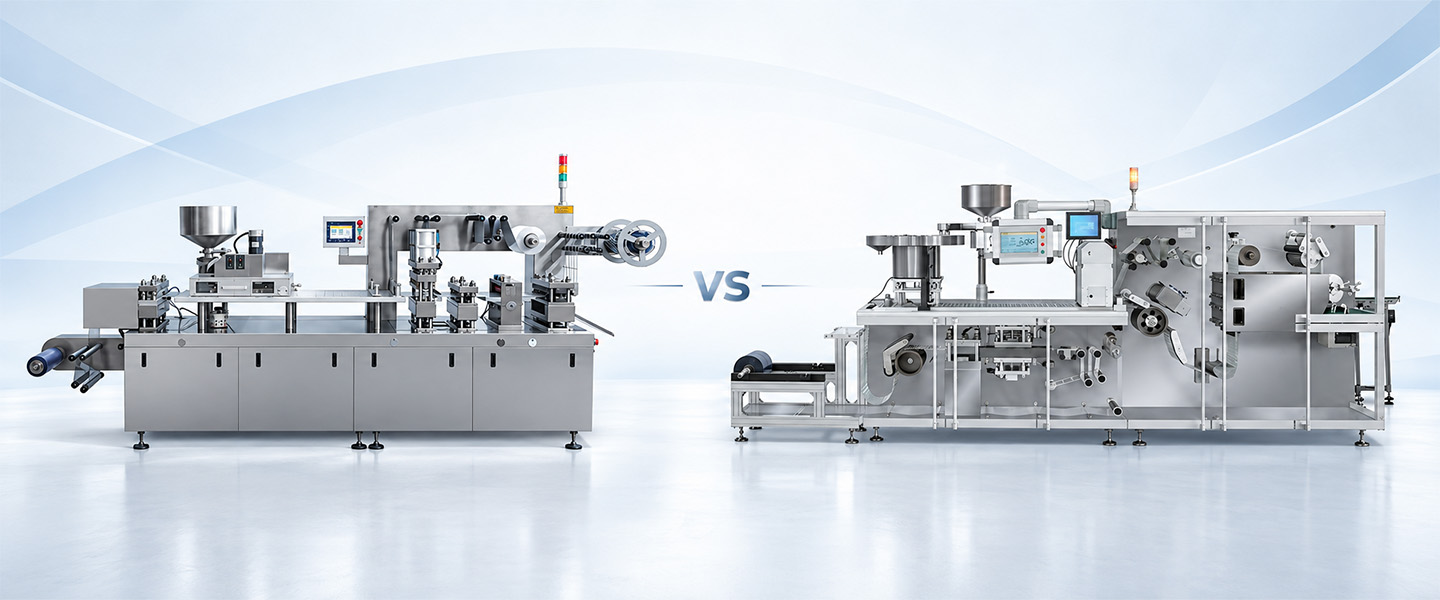
A flat-plate machine forms deeper pockets; a rotary machine runs several times faster. Your pocket depth usually decides which one you need.
Why Choose AIPAK Blister Packaging Machines?
Material and Feeder, Decided Before We Build
Alu-PVC, cold-formed Alu-Alu, tropical blister and dialysis paper each behave differently, and so does every feeder. Some feeders run both Alu-PVC and Alu-Alu. The Alu-PVC universal feeder runs Alu-PVC only, and it can’t be converted after the machine ships. If Alu-Alu is anywhere in your plan, tell us at the quotation stage.
Servo Traction on the Wider Machines
On our servo models, film advance is driven by a servo motor rather than a mechanical linkage. A linkage drifts across a long shift, and that drift turns into wasted foil at the gap between plates. Servo holds it. On cold-formed Alu-Alu, where the foil costs several times what Alu-PVC does, that gap is a real line item.
Separated Drive Compartment
Drives, belts and motors sit behind the working area rather than under it. There’s less surface in the production zone to wipe down between batches, and nowhere for powder to settle under the forming station.
Linked to a Cartoner When You're Ready
Every blister machine we supply can run standalone first and be linked to a cartoner later. When the vision system rejects a blister upstream, a linked cartoner skips that cycle — no carton drawn, no leaflet folded. Most customers buy the blister machine first and carton by hand until volume justifies the link.
This decides it more often than speed does. A flat-plate machine presses warm film against a static mould and forms a deep pocket — up to 26 mm on Alu-PVC. A rotary machine forms against a turning drum, so the film has less dwell time and stretches less far: 12 to 16 mm is the ceiling. Large softgels, big caplets and chewables need flat-plate.
Our flat-plate machines run up to about 60 punches a minute. Our rotary machines run up to 180. If you need more than about 12,000 plates an hour and your item is shallow enough, rotary is the answer.
A flat-plate format change is four moulds on a graduated rack. A rotary machine has heavier drums and rollers, and the wider the web the longer it takes. If you change format more than once a week, flat-plate costs you less in downtime.
Alu-Alu. Alu-Alu runs slower on any machine — on our DPP-260H1 it drops from 60 punches a minute to 40. Plan on your Alu-Alu figure, not the headline one.
| Flat-plate (DPP) | Rotary (DPH) | |
| Pocket depth | Up to 26 mm on Alu-PVC | 12–16 mm |
| Punch rate | Up to about 60/min | Up to 180/min |
| Changeover | Faster | Slower, more so on wide webs |
| Best for | Deep pockets, frequent format changes, large softgels | Shallow tablets and capsules at volume |
Flat-Plate or Rotary?
Where These Machines Are Running
Model comparison
Model | Type | Punch rate | Forming area | Max depth | Power | Weight |
DPP-80 | Flat-plate | 10–33/min | 80 × 57 mm | 15 mm | 2.4 kW, single-phase | 425 kg |
DPP-120H | Flat-plate | 10–35/min | 120 × 110 mm | 15 mm | 4.5 kW | 750 kg |
DPP-150E | Flat-plate | 10–40/min | 150 × 120 mm | 15 mm | 6.5 kW | 950 kg |
DPP-180H | Flat-plate | 10–50/min | 180 × 150 mm | 15 mm | 8.5 kW | 1,200 kg |
DPP-260H1 | Flat-plate | ≤60/min Alu-PVC, ≤40 Alu-Alu | 250 × 180 mm | 26 mm Alu-PVC, 14 Alu-Alu | 7.6 kW | 1,600 kg |
DPP-260H2 | Rotary | 60–130 times/min | 240 × 240 × 12 mm | 26 mm Alu-PVC, 14 Alu-Alu | 7.6 kW | 2,600 kg |
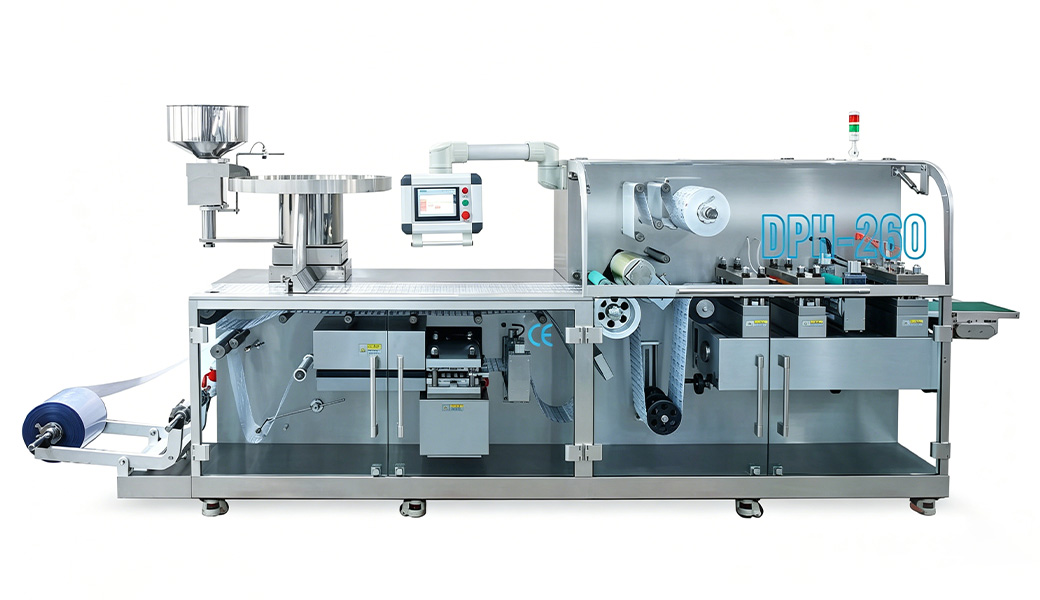
DPH-260H | Rotary | 80–150/min, 200 max | 200 × 260 mm | 16 mm | 24 kW | 3,000 kg |
DPH-380H | Rotary | 40–180/min, 200 max | 320 × 380 mm | 16 mm | 28 kW | 5,000 kg |
Pocket depth is the column to read first. Every rotary machine stops at 16 mm; flat-plate goes to 26.
Our Blister Packaging Machine Portfolio
Flat-Plate Blister Machines (DPP)
Deep pockets, faster format changes, up to about 60 punches a minute.
Rotary Blister Machines (DPH)
Continuous roller sealing, up to 180 punches a minute, pockets to 16 mm.
Integrated Blister Packaging & Cartoning Lines
A blister machine linked to a cartoner, from film to finished carton.
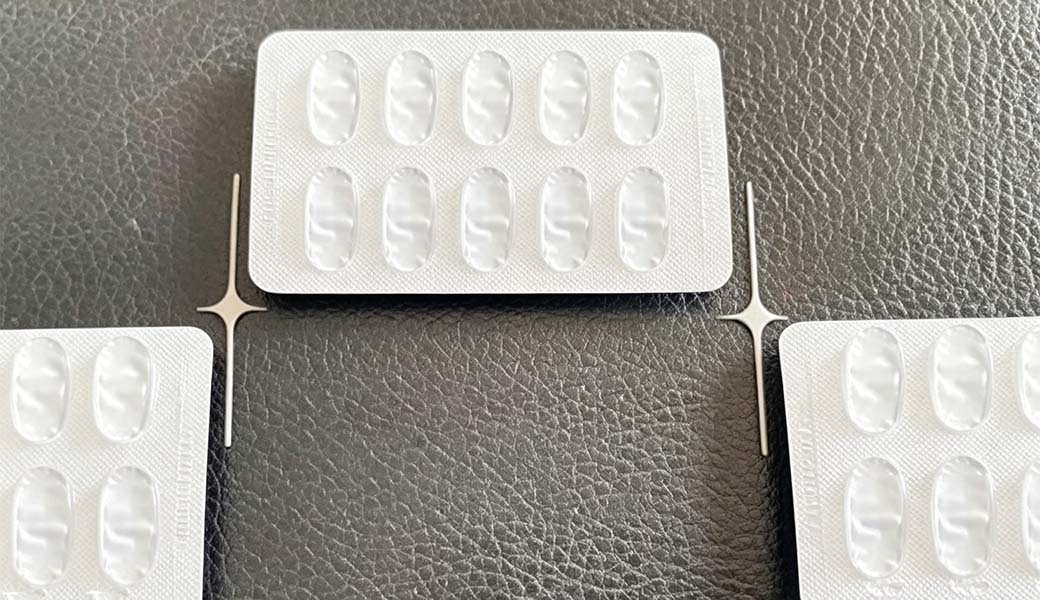
Item height and plate layout decide the machine. Post us a few samples and we’ll design the pocket, tell you whether it’s flat-plate or rotary, and run it before you order.
Documentation & Selection Support
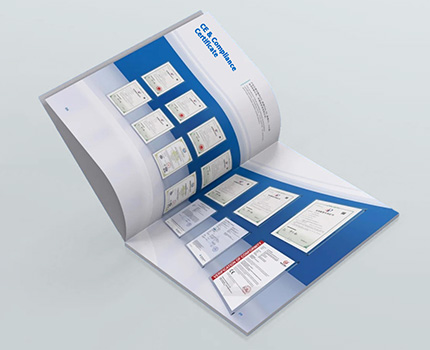
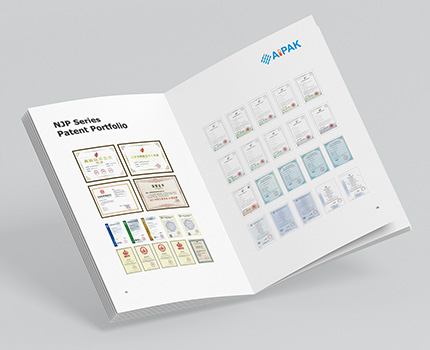
Verify our quality standards and simplify your procurement process with our official documentation.
FAQs on Blister Packaging Machines
A flat-plate machine forms deeper pockets — up to 26 mm on Alu-PVC — and changes format faster. A rotary machine runs several times faster but forms to 12–16 mm. If your item is tall, flat-plate is the answer whatever your volume.
It depends on the feeder specified at order. Some feeder types run both. The Alu-PVC universal feeder runs Alu-PVC only and can’t be converted afterwards. Cold-formed Alu-Alu also needs its own forming tooling, and it runs slower — on the DPP-260H1, 40 punches a minute instead of 60. Tell us at the quotation stage if Alu-Alu is in your plan.
The throughput of a blister packaging machine is determined by three factors: the punch frequency (strokes per minute), the forming area width (which dictates how many plates are produced per stroke), and the material characteristics. On our widest machine, the DPH-380H, that means 40 to 180 punches a minute, 200 at most.
Very little. Heating is PID-controlled and the forming and sealing molds are water-cooled. On the rotary machines, the seal is made by a roller, so each pocket spends only a moment in contact with the heat. If your product is heat-sensitive, send us a sample and we’ll check it on the machine.
Yes. Every blister machine we supply can run on its own first and be linked to a cartoner later. Camera inspection is an option. When it rejects a blister, a linked cartoner skips that cycle, so no carton is drawn and no leaflet is folded.
On a flat-plate machine, four moulds — forming, sealing, embossing, cutting — sit on a rack mandrel with a graduated scale, so you set them by reading the scale rather than by eye. It takes 15-45 minutes. On a rotary machine the drums and rollers are heavier, and a wider web takes longer. If you change format weekly, that difference matters more than punch rate.
Up to 26 mm on Alu-PVC on the flat-plate DPP-260H1, 14 mm on cold-formed Alu-Alu. Rotary machines stop at 12 to 16 mm. Send us the item height before you look at anything else — it rules out more machines than speed does.
A kit of wear parts ships with your machine. Every part in the kit, and the lead time for anything outside it, is listed in your quote in writing.
Yes. Our machines are certified and use certified electrical components. Because the exact scope depends on the model and electrical configuration you select, our factory confirms it in writing before production.
Send us your item height and your plate layout.
Those two numbers decide whether you need flat-plate or rotary, and which width. Speed comes after. Send us a sample tablet or capsule and we’ll design the pocket and tell you honestly which machine fits — including when it’s the smaller one.
- Reply within one business day
- Pocket layout designed from your samples, free
- We keep your product specs confidential.